Surgery for a Cavalier Kneecap
Cavalier patellar luxation surgery approaches, recovery expectations, and joint support options for dogs with slipping kneecaps.
Know what to watch for.
Breed-specific conditions, screening and DNA tests, what surgery actually costs, and the daily habits that stretch a healthy lifespan.
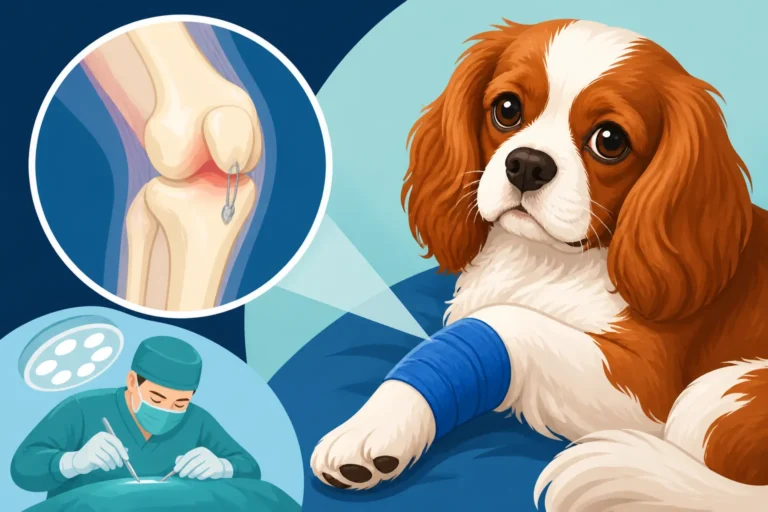
Cavalier patellar luxation surgery approaches, recovery expectations, and joint support options for dogs with slipping kneecaps.
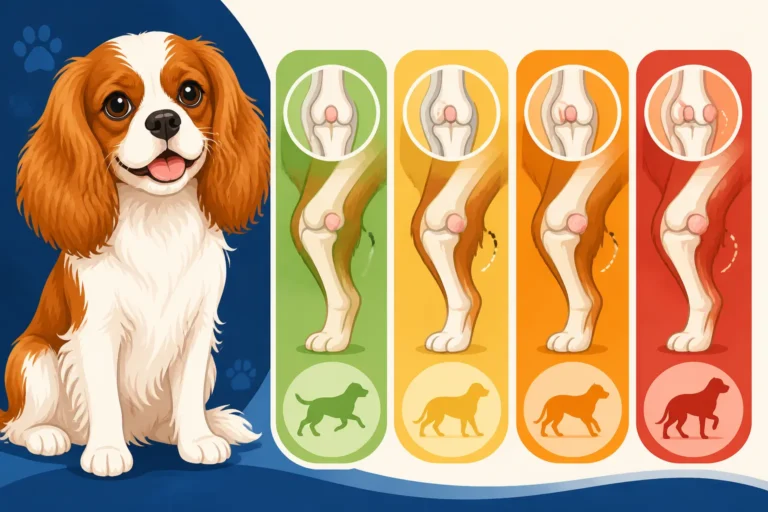
Patellar luxation in Cavalier King Charles spaniels involves four severity grades explaining how the femur and tibia cause kneecap slips.
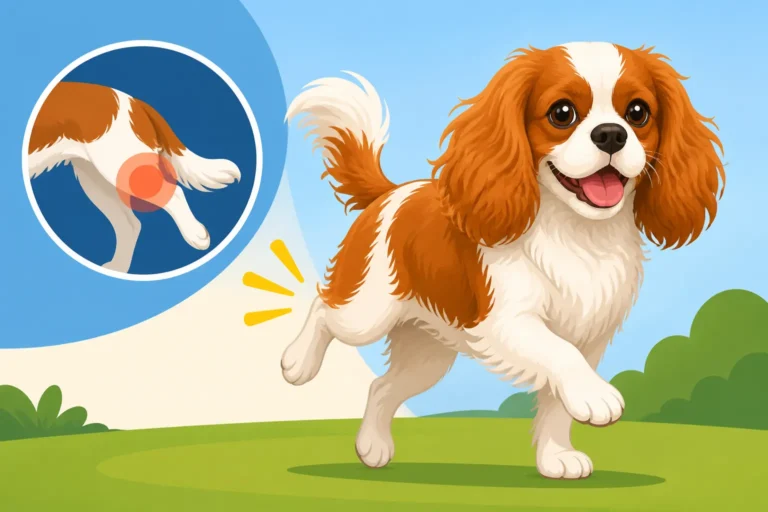
Patellar luxation in Cavalier King Charles Spaniel dogs causes knee popping, skipping, cartilage wear, and long-term joint pain.
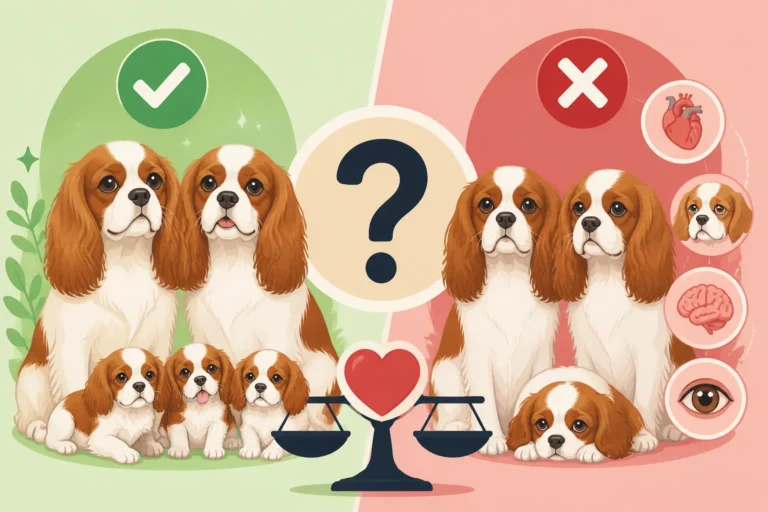
Breeding two Cavalier carriers creates genetic risks for puppies inheriting autosomal recessive conditions like episodic falling syndrome.
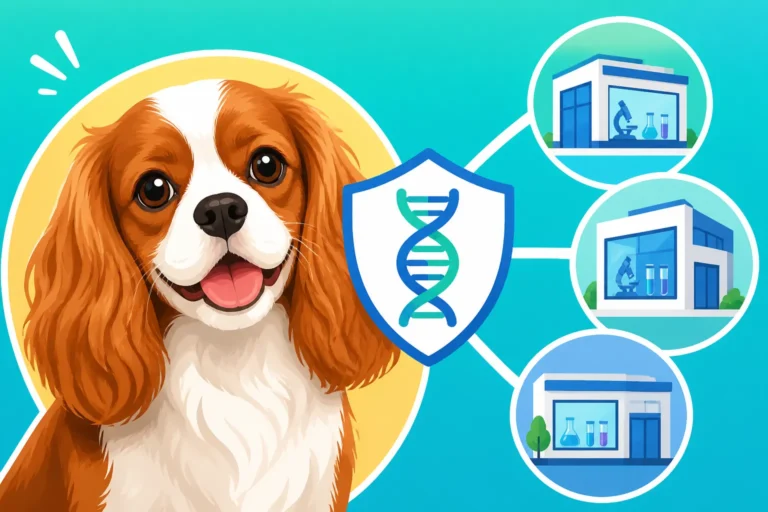
Cavalier King Charles Spaniel genetic testing labs and DNA tests for Episodic Falling Syndrome, Dry Eye, and Curly Coat Syndrome.
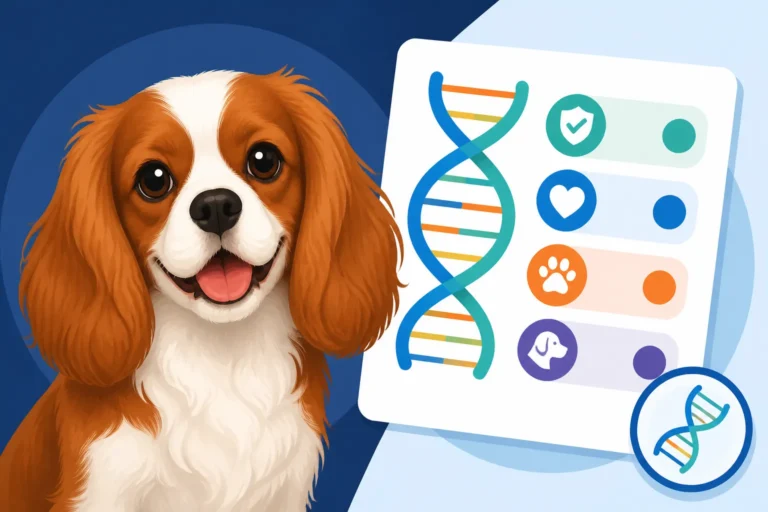
Cavalier King Charles Spaniel DNA panel results clarify clear, carrier, and affected statuses for inherited conditions like EFS and DECS.

Carrier Cavalier King Charles Spaniels with one mutated gene do not develop Episodic Falling Syndrome symptoms.
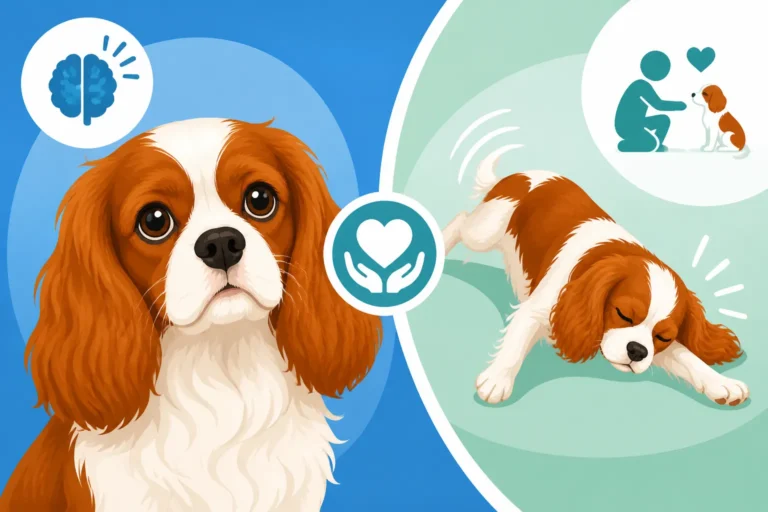
Episodic falling syndrome in Cavalier King Charles Spaniels causes muscle stiffness, collapse, and coordination loss without unconsciousness.
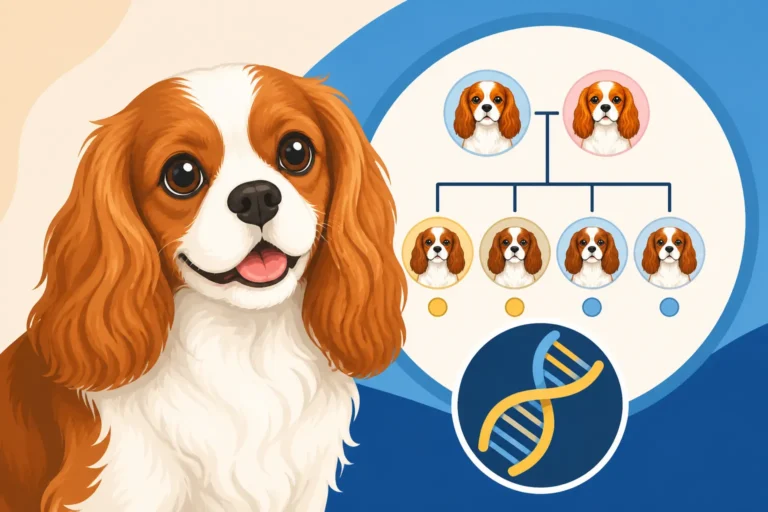
Episodic Falling Syndrome in Cavalier King Charles Spaniels explains the BCAN gene mutation affecting muscle control and coordination.
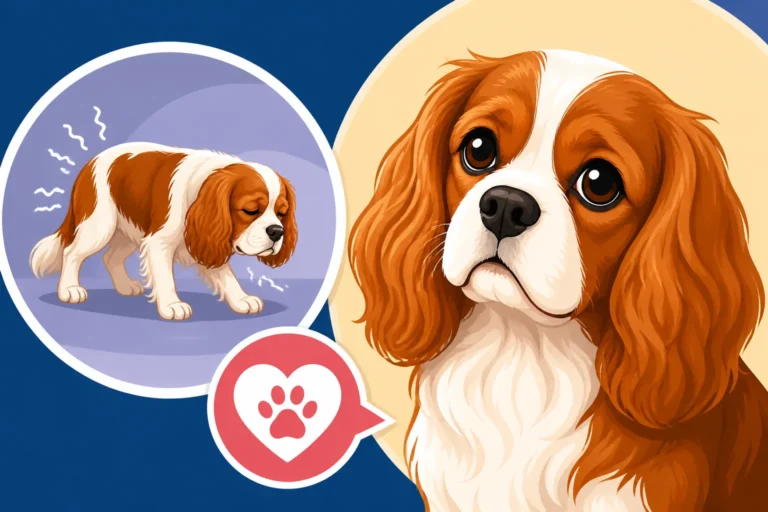
Episodic falling syndrome in Cavalier King Charles Spaniels typically begins during puppyhood and young adulthood, causing sudden muscle stiffness.