Where Cavalier Mitral Valve Surgery Is Offered
Finding out your beloved Cavalier King Charles Spaniel has advanced mitral valve disease (MVD) can feel like a punch to the gut, especially when you learn about the life-limiting prognosis. But then, a glimmer of hope appears: the possibility of mitral valve repair surgery. This highly specialized procedure offers a chance at extending your Cavalier's life and improving their quality of living, but the biggest hurdle for many owners is simply figuring out where such a groundbreaking surgery is even offered. This guide will walk you through the unique landscape of MVD surgery for Cavaliers, helping you understand the limited, specialized centers that provide this advanced care.
Understanding Mitral Valve Disease and the Hope of Surgery
Let's be frank: Mitral Valve Disease is the Achilles' heel of our sweet Cavaliers. It's an unfortunately common and progressive heart condition that, for many, becomes the defining health challenge of their dog's life. Initially, it might just be a murmur detected during a routine vet visit, a subtle whisper that grows louder over time. For more on the disease itself, you can read Mitral Valve Disease in the Cavalier King Charles Spaniel. As the disease progresses, the mitral valve, which separates the left atrium and left ventricle of the heart, starts to thicken and degrade, failing to close properly. This leads to blood leaking backward with each heartbeat, putting immense strain on the heart and eventually leading to congestive heart failure.
The Progression to Advanced Stages
It's a heartbreaking journey to watch. You might notice your Cavalier starting to cough, especially at night, or perhaps they're tiring more easily on walks. These can be early signs that the heart is struggling to keep up. Medications can certainly help manage the symptoms and slow the progression, buying precious time. We often discuss Medication for a Cavalier With Heart Disease as the primary course of action. However, for some Cavaliers, even with optimal medical management, the disease continues to advance. Their heart may become significantly enlarged, and they might experience frequent episodes of fluid buildup in their lungs, signaling a critical stage.
At these advanced stages, the quality of life can diminish rapidly. Owners grapple with the agonizing decision of how to best support their dog. It's a stage where traditional medicine might be reaching its limits, and the thought of saying goodbye looms large. This is precisely where mitral valve repair surgery enters the conversation, offering a potential lifeline where other options have begun to fade. It's a bold, invasive, and incredibly complex intervention, but for families facing the imminent loss of their cherished Cavalier, it represents a chance, however slim, to turn the tide.
What Mitral Valve Surgery Aims to Achieve
The goal of mitral valve repair surgery is quite profound: to fix the faulty valve, stop the backflow of blood, and alleviate the strain on the heart. Imagine a leaky faucet that's constantly running – the surgery aims to turn off that leak. By repairing the valve, the heart can function more efficiently, reducing symptoms of heart failure and potentially adding years of good quality life to your Cavalier. It’s not a cure for the underlying genetic predisposition to MVD, but rather a mechanical repair to correct the most damaging consequence of the disease.
The procedure itself is performed on a beating heart, often requiring a heart-lung bypass machine. It’s a delicate operation demanding incredible precision and expertise. The veterinary surgeon meticulously reconstructs the valve leaflets, sometimes using synthetic materials to reinforce them, ensuring a tight seal. This level of specialization means it’s not a procedure you'll find at your local veterinary clinic. It's reserved for a select few institutions that have invested heavily in the equipment, training, and specialized staff required for open-heart surgery in small animals.
The Exclusivity of Mitral Valve Surgery Programs
The reality of mitral valve repair surgery for Cavaliers is that it is incredibly exclusive. This isn't a procedure widely available, and for very good reason. The resources, expertise, and infrastructure required are immense, making these programs few and far between.
Why So Few Programs Exist
Think about what's involved in human heart surgery: a team of highly specialized doctors, nurses, anesthesiologists, and technicians, along with advanced equipment, sterile environments, and intensive post-operative care units. Now, scale that down for a tiny Cavalier, but don't scale down the complexity. The challenges are perhaps even greater due to the small size of the patient and the intricate nature of their heart structures.
The reasons for this exclusivity are multi-faceted:
- Immense Specialization: Veterinary cardiologists with advanced training in interventional cardiology and cardiac surgery are a rare breed. These individuals often dedicate years to studying and perfecting these techniques.
- Costly Equipment: The machinery needed for open-heart surgery, like heart-lung bypass machines, advanced anesthesia monitoring, and specialized surgical instruments, represents a significant financial investment. Maintaining and operating this equipment is also incredibly expensive.
- Dedicated Teams: It's not just one surgeon; it's an entire team, often on standby, ready for the procedure. This includes veterinary cardiologists, critical care specialists, veterinary nurses trained in cardiac care, and anesthesiologists.
- Intensive Post-Operative Care: The surgery itself is only half the battle. The recovery period is critical and requires round-the-clock monitoring and intensive care in a specialized veterinary ICU. This involves managing pain, monitoring heart function, preventing complications, and adjusting medications. For more on the advanced stages, consider How Cavalier Heart Disease Progresses Stage by Stage.
Because of these factors, establishing and maintaining a successful mitral valve surgery program for dogs is a monumental undertaking. It’s a testament to the dedication of these pioneering veterinary professionals that these programs exist at all.
The Role of Research and Development
Many of the institutions offering this surgery are also heavily involved in veterinary research. They are often at the forefront of developing new techniques, improving outcomes, and pushing the boundaries of what's possible in veterinary cardiology. This research component means they are constantly refining their protocols and sharing their findings with the broader veterinary community, ultimately benefiting more dogs. This often means long waiting lists for surgery, as these programs balance patient care with critical research initiatives.
Owners often come to these centers after years of managing their Cavalier's condition, sometimes having already spent a considerable amount on diagnostics like What a Cavalier Echocardiogram Shows and various medications. The emotional and financial investment is already high, and the decision to pursue surgery is never taken lightly. When considering this path, it's wise to have a robust pet insurance plan like those offered by Healthy Paws, as the costs associated with such advanced procedures can be staggering. However, remember that most insurers consider MVD a pre-existing condition if diagnosed before policy inception.
Key Locations and Institutions Offering Cavalier MVD Surgery
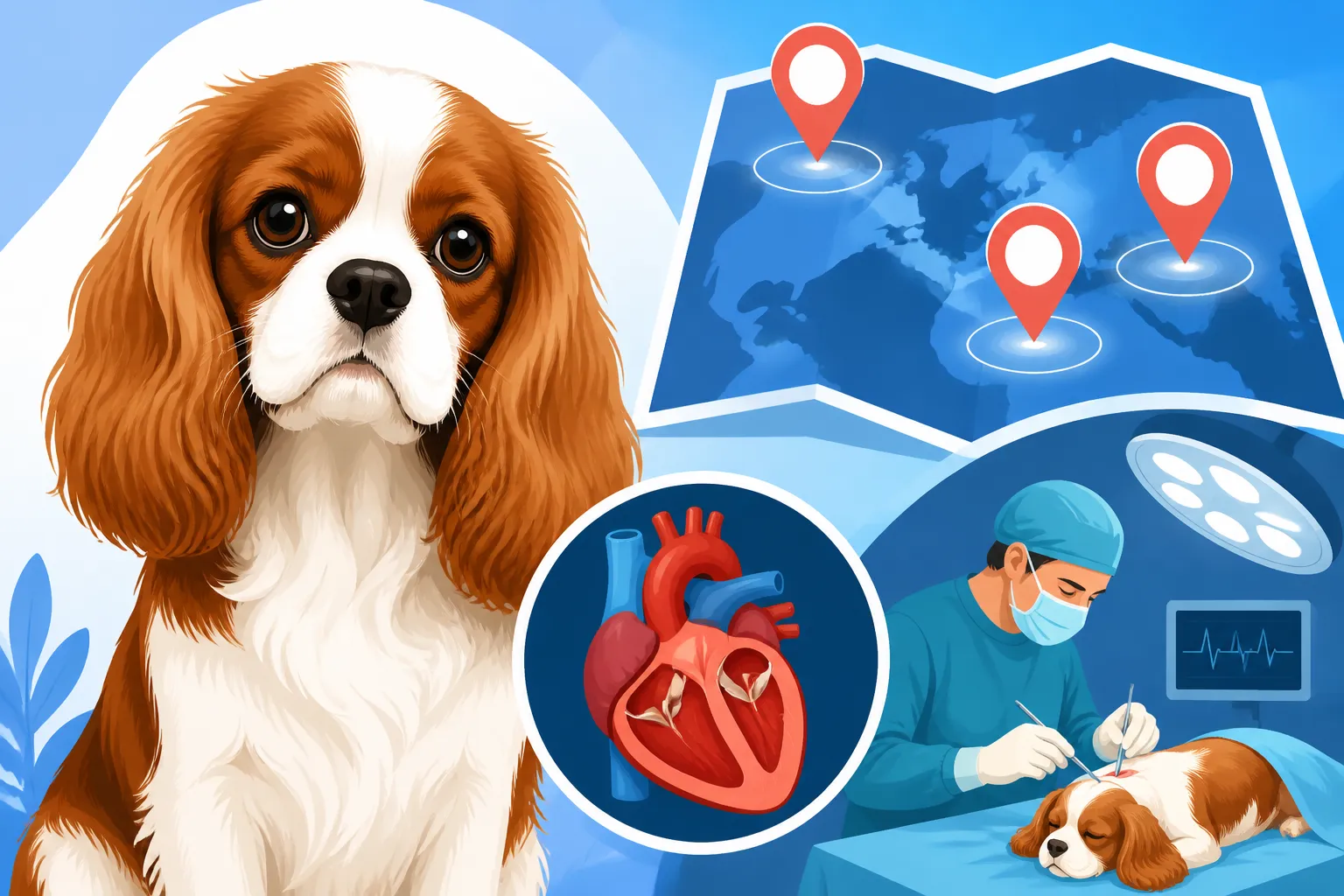
Given the extreme specialization, mitral valve surgery for Cavaliers is typically offered in a handful of advanced veterinary medical centers around the world. These are not your everyday vet clinics. They are usually large university veterinary teaching hospitals or highly specialized private referral centers.
Centers of Excellence: University Hospitals
University veterinary teaching hospitals are often pioneers in advanced veterinary medicine. They have the resources, the faculty expertise, and the resident training programs that foster such highly specialized procedures. These institutions combine cutting-edge research with patient care, meaning they are often at the forefront of surgical innovation.
You might find these programs in major university cities, where they can draw on a large pool of talent and have access to advanced medical infrastructure. They are typically referral-only centers, meaning your primary care veterinarian or veterinary cardiologist would need to refer your Cavalier to them. The process usually involves a comprehensive evaluation, including a thorough review of your dog's medical history, advanced cardiac imaging, and often a consultation with the surgical team to determine if your Cavalier is a suitable candidate. The criteria for suitability are very strict, as the surgery carries significant risks.
Specialized Private Referral Centers
In addition to university settings, there are a few private veterinary hospitals that have developed their own world-class cardiac surgery programs. These centers are often founded by highly experienced veterinary cardiologists and surgeons who have dedicated their careers to pushing the boundaries of what's possible in pet heart care. They operate with a similar level of expertise and equipment as university hospitals but might offer a slightly different client experience, sometimes with more streamlined scheduling.
These private centers also require referrals and a detailed pre-surgical workup. They often boast state-of-the-art facilities and a strong focus on patient outcomes. For an owner, the choice between a university hospital and a private referral center often comes down to geographical proximity, available appointment slots, and sometimes personal preference based on reputation and client testimonials. It's truly a global search for many Cavalier owners, crossing state lines and even continents to find the right team.
A Global Perspective on Availability
While I can't provide real-time locations or specific clinic names (as these can change), historically, some of the most prominent programs have been located in:
- United States: Several university veterinary hospitals and private specialty centers across different regions have offered, or are actively developing, these programs. States with strong veterinary research universities or large metropolitan areas with advanced private veterinary care are common locations.
- United Kingdom: There are specialized centers within the UK that have been instrumental in advancing small animal cardiac surgery.
- Japan: Japan has been a significant leader in canine mitral valve repair surgery, with a strong commitment to the procedure's development and refinement. Many owners globally consider traveling to Japan for this surgery due to its pioneering history and established success rates.
- France: Another country with notable veterinary cardiac surgery capabilities, particularly in Europe.
It's crucial to understand that availability can fluctuate. Surgeons may move, programs may evolve, and new centers may emerge. Therefore, the absolute best first step is always to consult with your own veterinary cardiologist. They will have the most current information on where these highly specialized surgeries are being performed and can advise on referral processes.
| Factor to Consider | University Veterinary Hospital | Private Specialty Center |
|---|---|---|
| Research Focus | Often strong, cutting-edge research | May have some research, primarily patient care |
| Staffing | Large teams, including residents/interns | Dedicated experienced specialists |
| Cost Structure | Can be structured differently, still very high | High, may be more transparent package pricing |
| Waiting Times | Can be long due to demand and research | Variable, depends on demand and staffing |
| Referral Process | Strict referral requirements | Strict referral requirements |
| Location | Major university cities/regions | Major metropolitan areas |
| Post-Op Care | Intensive care units, dedicated staff | Intensive care units, dedicated staff |
Preparing for the Journey: Logistics and Financial Considerations
Deciding to pursue mitral valve surgery for your Cavalier is a monumental choice, not just medically, but logistically and financially. It requires careful planning and a deep understanding of the commitment involved.
The Financial Undertaking
Let's not sugarcoat it: this surgery is incredibly expensive. We’re talking about costs that can easily run into five figures, encompassing the pre-operative diagnostics, the surgery itself, the extensive post-operative critical care, and follow-up appointments. This doesn't even account for travel and accommodation if you need to journey far from home. What Cavalier Heart Disease Costs to Treat is significant, but this surgery goes beyond even typical advanced cardiac care.
This is where having pet insurance well before any murmur developed becomes absolutely invaluable. A company like Healthy Paws might offer coverage for a significant portion of these costs, but only if the MVD was not a pre-existing condition at the time of enrollment. If your Cavalier already has a murmur, unfortunately, it will almost certainly be excluded. This underscores the importance of Insuring a Cavalier Before the Murmur Arrives. For those without insurance, financing options, personal savings, or fundraising efforts often become necessary. It’s a huge financial commitment, one that every family must carefully consider against their personal circumstances.
Travel and Accommodation Logistics
If the surgical center isn't in your immediate vicinity, you'll be faced with the challenge of travel. This might mean driving several hours, taking a train, or even flying. Traveling with a dog, especially one with a serious heart condition, requires meticulous planning. You’ll need to consider how your Cavalier will cope with the stress of travel, potential temperature changes, and being away from their familiar environment. Many centers require you to stay in the vicinity for an extended period, sometimes weeks, during the pre-operative evaluation and the crucial post-operative recovery phase. This means finding pet-friendly accommodation near the hospital, often for longer durations than a typical vacation.
You'll need to pack carefully, ensuring you have all of your Cavalier's current medications, food (perhaps a specialized diet from Ollie that supports heart health or is easy to digest during recovery), and comfort items. Some owners even bring favorite blankets or toys to help their Cavalier feel more secure in an unfamiliar setting. The emotional toll of being away from home, coupled with the anxiety of your dog's surgery and recovery, cannot be underestimated.
Post-Operative Care and Continued Management
Even after successful surgery and discharge from the hospital, your Cavalier will require rigorous post-operative care. This includes strict activity restrictions, medication schedules, and frequent follow-up visits, initially with the surgical team and then with your local veterinary cardiologist. The healing process is gradual, and your Cavalier will need time and dedicated care to fully recover. You might need specific supplies, which you can often order conveniently from online retailers like Chewy, including specialized harnesses for comfort (to avoid neck pressure), ramps for getting on and off furniture (to prevent jumping), and specific food bowls.
The surgery extends life, but it doesn't eliminate the need for ongoing cardiac management. Your Cavalier will likely still be on some form of heart medication, and regular check-ups with a cardiologist will be essential to monitor their heart function. It’s a commitment for the remainder of their life, ensuring they continue to thrive after such a significant intervention. Understanding The Bills That Land Once a Cavalier's Heart Fails can help you prepare for the ongoing costs, even after surgery. It’s a journey that demands unwavering dedication and love, a testament to the incredible bond we share with our Cavaliers.
Disclaimer
This article is for general informational purposes only and does not constitute professional advice. Laws, prices and regulations vary by location and change over time. Consult a qualified professional for guidance on your specific situation.