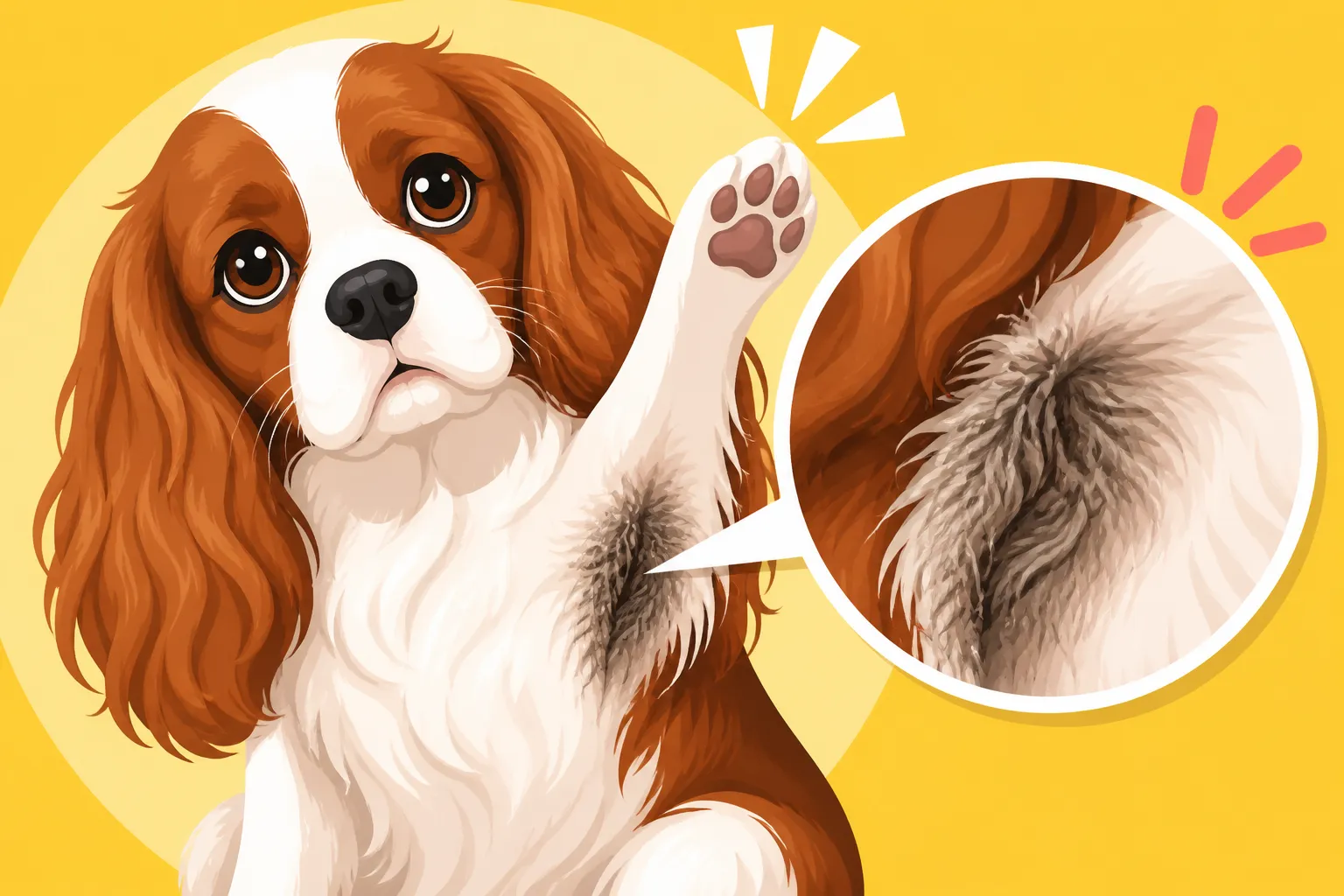
Why a Cavalier’s Armpits Mat Fastest
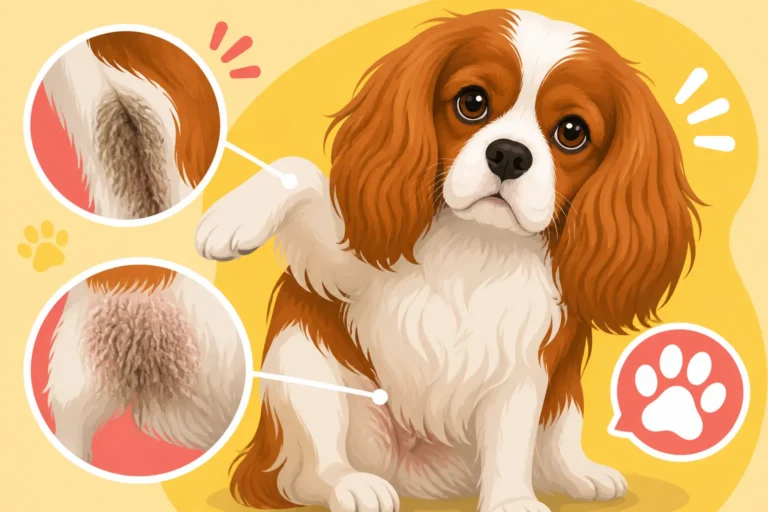
If you're a Cavalier King Charles Spaniel owner, you know the heartbreak of finding a mat. And more often than not, it's those pesky armpits that seem to gather mats faster than anywhere else on their beautiful, silky coats. It’s frustrating when you spend time brushing, only to discover a dense tangle in such a sensitive spot. This guide is here to shed light on exactly why your Cavalier's armpits are such a magnet for matting and, more importantly, how you can prevent and manage these common tangles to keep your furry friend comfortable and looking their best.
Understanding the Cavalier Coat and Why Armpits are Trouble Spots
Cavalier King Charles Spaniels are renowned for their absolutely gorgeous, flowing coats. It’s one of their most defining features, alongside those soulful eyes and wagging tails. But what makes their coats so beautiful also makes them particularly prone to matting, especially in high-friction areas like the armpits. It's not just bad luck; it's a combination of their unique coat type and daily activities.
The Silky Single Coat's Predisposition
Unlike many other breeds that have a dense double coat with a coarser outer layer and a soft, insulating undercoat, Cavaliers typically boast a single coat. This coat is characterized by its long, silken texture, often described as feathering around the ears, chest, legs, and, yes, those delicate armpits. This fine, silky hair, while lovely to touch and beautiful to behold, is naturally much more susceptible to tangling than thicker, coarser hair. Imagine fine human hair; it knots far more easily than thick hair, right? It’s much the same for our Cavaliers.
Because there's no protective, slightly stiffer outer coat to guard the softer hairs, and no dense undercoat to shed out in clumps, each individual strand of that fine Cavalier hair is free to rub against its neighbors, intertwining and binding together at the slightest provocation. When these individual strands get knotted, they don't just magically untangle themselves; they tighten, forming denser and denser mats. The armpit area, being a constant motion zone, offers plenty of "provocation" for these fine hairs to start their unwelcome dance. It’s a bit of a design flaw in an otherwise perfect little dog!
Friction: The Silent Mat Maker
Friction is arguably the number one culprit behind armpit mats. Think about how much your Cavalier moves in a day: walking, running, playing, stretching, getting up and down from the sofa, even just turning around in their bed. Every single one of these movements involves their legs rubbing against their torso. This constant back-and-forth motion creates an incredible amount of friction right in the armpit area.
Consider a typical walk in the park. As your Cavalier trots along, their front legs are swinging, and those beautiful feathery hairs under their "arms" are constantly brushing against their chest. If they're wearing a harness, which many Cavaliers do for comfort and safety, that harness itself adds another layer of rubbing against the delicate hair. Even the simple act of them scratching an itch with a back paw can generate friction in that area if their leg sweeps past. It’s an unavoidable part of canine anatomy and movement. This continuous friction causes the individual hairs to snag and intertwine, forming tiny knots that, if left unchecked, quickly escalate into full-blown mats. These mats then become even more prone to friction, creating a vicious cycle. You might think a quick brush is enough, but those hidden armpits often get missed, allowing the friction to work its magic undisturbed.
Environmental and Lifestyle Factors Aggravating Armpit Mats
While the Cavalier's coat type and natural movement are primary factors, several environmental and lifestyle elements can significantly worsen the matting problem in their armpits. Understanding these can help you develop a more proactive grooming strategy.
Moisture and Humidity: A Sticky Situation
Water is a friend to mats. Whether it's sweat from a vigorous play session, a damp walk in the rain, or just general humidity in the air, moisture makes the fine hairs of a Cavalier's coat cling together. When these damp hairs are then subjected to the constant friction of the armpits, they fuse into mats much faster and more stubbornly than dry hair. It’s like trying to comb wet, tangled hair versus dry, tangled hair – the wet hair is always harder to manage.
Imagine your Cavalier has been out playing in the yard after a light drizzle, or perhaps they’ve had a really energetic romp at the dog park on a humid day. Their armpits, being a naturally warm and somewhat sheltered area, can trap moisture. As they move, the damp hair rubs together, quickly felting into knots. This is particularly true if they’ve been rolling on damp grass or splashing in puddles. Even if they don't get soaked, the ambient humidity can cause their coat to become slightly tacky, encouraging strands to stick. If you don’t thoroughly dry and brush out the armpit area after any encounter with moisture, you're practically inviting mats to form. This is why paying attention to thorough drying, particularly in these hidden spots, is crucial for preventing those sticky situations.
Neglecting Regular Grooming (Even Quick Brushes)
Life gets busy, we all know that. Sometimes, a full grooming session feels like a monumental task, and a quick brush over the back might seem "good enough" for the day. However, for a Cavalier, especially one prone to armpit mats, neglecting those specific trouble spots, even for a day or two, can have significant consequences. These mats don't form overnight as huge, solid clumps; they start as tiny tangles that, with continuous friction and moisture, gradually tighten and grow.
If you skip brushing the armpits, even during a seemingly thorough brushing session, you're missing the earliest, most manageable stages of mat formation. Those little snags accumulate, and before you know it, a tiny knot has transformed into a solid, painful mat. Regular, targeted brushing – not just a superficial sweep – is the cornerstone of mat prevention. You need to consciously lift their leg, gently separate the hair, and brush right into the armpit with a suitable slicker brush or a metal comb designed to reach the root of the hair. The Five Minutes a Day a Cavalier Coat Takes is truly worth it, especially if you dedicate a portion of that time to these hidden areas. Without this consistent attention, even a perfectly healthy Cavalier coat will eventually succumb to tangles in these high-traffic zones.
Collars, Harnesses, and Clothing
While necessary for safety and comfort, the gear your Cavalier wears can also contribute to armpit matting if not chosen and fitted correctly. Harnesses, in particular, wrap around the chest and often have straps that sit directly behind the front legs, in the armpit region. If a harness is ill-fitting – either too loose, allowing it to shift and rub excessively, or too tight, digging into the skin – it creates constant friction that inevitably leads to matting.
Even perfectly fitted harnesses can cause some degree of matting, simply due to their presence and the slight pressure and movement against the fur. It's a trade-off for safety. The same goes for doggy clothing like sweaters or raincoats. While adorable and practical, if the fabric rubs against the armpits during wear, it can felt the hair beneath, especially if the clothing is damp or worn for extended periods.
It's vital to check the fit of any harness or clothing regularly. Make sure there’s enough room for two fingers to slide comfortably under the straps, but not so much room that it shifts wildly. After removing a harness or clothing, always check the armpit area immediately for any signs of tangling and give it a quick brush. If your Cavalier wears a harness for prolonged periods, consider taking it off when at home to allow the fur to breathe and to give you an opportunity to brush. Brands available on Chewy or Amazon often offer a variety of harness styles; some might have softer materials or different strap designs that could reduce rubbing for your specific dog.
Preventing and Managing Mats in Your Cavalier's Armpits
Discovering a mat in your Cavalier’s armpit can be disheartening, but with consistent effort and the right techniques, you can largely prevent them. Even when they do appear, knowing how to handle them safely is key to avoiding discomfort for your beloved pet.
The Daily Check-and-Brush Routine
This is, hands down, the most effective preventative measure. Mats don't appear out of nowhere; they start small. By incorporating a daily (or at least every-other-day) check and brush of the armpit area into your routine, you can catch tangles before they escalate.
Here's how to do it:
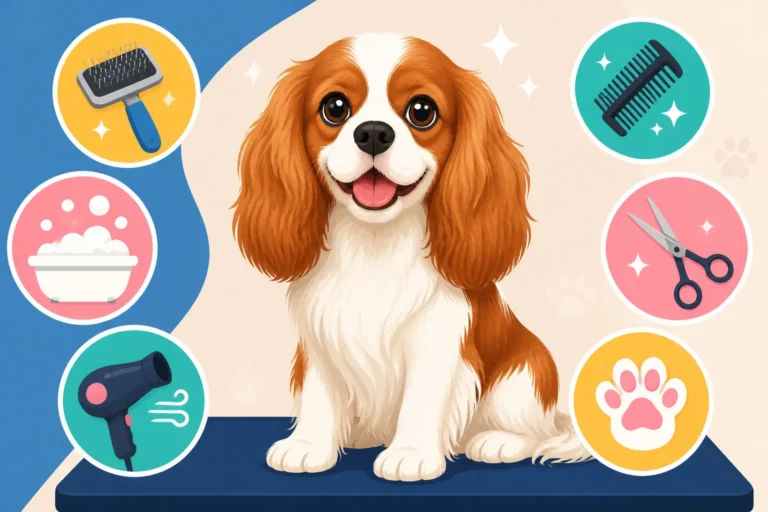
- Gather your tools: You'll need a good quality slicker brush and a metal comb. The Brush and Comb a Cavalier Coat Needs discusses these in detail.
- Position your Cavalier: Find a comfortable spot where your dog feels secure, perhaps on a grooming table if you have one, or simply on your lap or the floor if they prefer. Make it a positive experience with treats and praise.
- Lift a front leg: Gently lift one of your Cavalier's front legs to expose the armpit area. Be very careful and slow, as this area can be sensitive, especially if there are already small tangles.
- Inspect visually: First, look for any obvious knots or clumps.
- Slicker brush: Use the slicker brush to gently brush the hair in the armpit, moving in the direction of hair growth. Start from the ends and work your way up to the skin, making sure to get through all the hair. Don't press too hard, as the skin here is delicate.
- Metal comb follow-up: Once you’ve brushed with the slicker, use your metal comb. Start with the wider-toothed end, then move to the finer side. Comb through the brushed area, again from ends to roots. If the comb glides through without snagging, you’re good! If it catches, gently work it through. This is where you find the sneaky little tangles the slicker brush might have missed.
- Repeat: Do the same for the other armpit. This routine should only take a couple of minutes once you and your Cavalier get the hang of it, but it makes a world of difference. Consistency is key for preventing Mats in a Cavalier's Armpits and Groin.
Strategic Bathing and Drying
Bathing a Cavalier with existing mats can actually make them worse, tightening the knots further. Therefore, always detangle your Cavalier before bathing, paying special attention to the armpits. If you find a few small tangles, use a detangling spray and gently work them out with your fingers or a comb before the bath.
When it comes to the bath itself:
- Use appropriate products: Opt for a high-quality dog shampoo designed for long, silky coats. A good conditioner is non-negotiable for Cavaliers as it helps smooth the cuticle, reducing friction and future tangles. Shampoo for a Cavalier's Silky Coat and Whether Conditioner Helps Cavalier Feathering offer great advice here. You can find excellent options on Chewy or Amazon.
- Lather gently: Massage the shampoo and conditioner into the coat gently, avoiding harsh scrubbing motions that can knot the hair. Focus on rinsing thoroughly, ensuring no residue is left behind, especially in the armpits.
- Thorough drying: This is crucial. After towel-drying, use a low-heat hairdryer while brushing the armpit hair dry. Don't let the armpits air dry, as damp hair will mat much faster. Make sure every single strand in that area is completely dry and free-flowing.
Addressing Existing Mats Safely
Despite your best efforts, sometimes mats still happen. When they do, safety and gentleness are paramount. Never use scissors to cut out a mat if it's tight against the skin. It's incredibly easy to cut skin, especially in the armpit where the skin is thin and loose.
Here’s a safer approach:
- Assess the mat: Is it small and loose, or dense and tight against the skin?
- Apply detangling spray: Liberally spray a good quality detangling spray (you can find many on Amazon or Chewy) directly onto the mat. Let it soak in for a few minutes.
- Finger pick: Gently try to separate the mat with your fingers, working from the outer edges inward.
- Use a mat splitter or seam ripper: For tougher mats that aren't too tight against the skin, a mat splitter or even a sewing seam ripper can be useful. These tools allow you to carefully slice through the mat lengthwise, breaking it into smaller sections that are easier to comb out. Always place your fingers between the mat and the skin to provide a barrier.
- Comb out gradually: Once the mat is loosened or split, use your metal comb (starting with the wide-toothed side) to gently comb it out, working in small sections, always holding the hair at the base of the mat to prevent pulling on the skin.
- When to call a pro: If a mat is large, solid, very tight against the skin, or if your Cavalier is in pain, do not attempt to remove it yourself. A professional groomer or veterinarian is the safest option. They have specialized tools like clippers with safety blades that can shave beneath the mat without injuring the skin. Cutting a Mat Out of a Cavalier Safely is a situation best handled by a professional in tricky areas.
| Strategy | Focus | Tools Needed | Frequency | Benefit |
|---|---|---|---|---|
| Prevention | Daily inspection and light brushing | Slicker brush, Metal comb, Detangling spray | Daily/Every other day | Stops mats before they form, maintains coat health |
| Maintenance | Thorough brushing, targeted detangling | Slicker brush, Metal comb, Detangling spray | 2-3 times/week | Addresses small tangles, reduces grooming time |
| Treatment | Addressing existing mats safely | Detangling spray, Mat splitter/seam ripper, Clippers (pro) | As needed, with caution | Removes mats, prevents pain and skin issues |
Long-Term Coat Health for Your Cavalier
Beyond the daily brushing and careful detangling, a holistic approach to your Cavalier’s overall health plays a huge role in maintaining their glorious coat and minimizing matting. Good health from the inside out translates to a beautiful, manageable coat.
Nutrition and Supplements
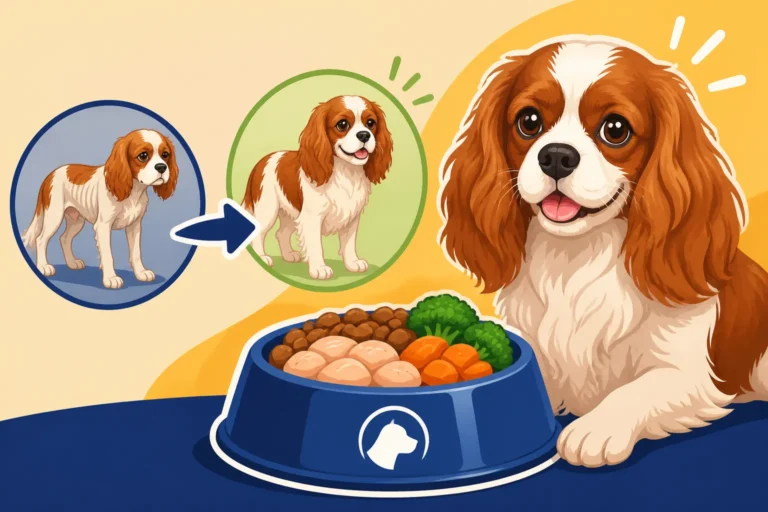
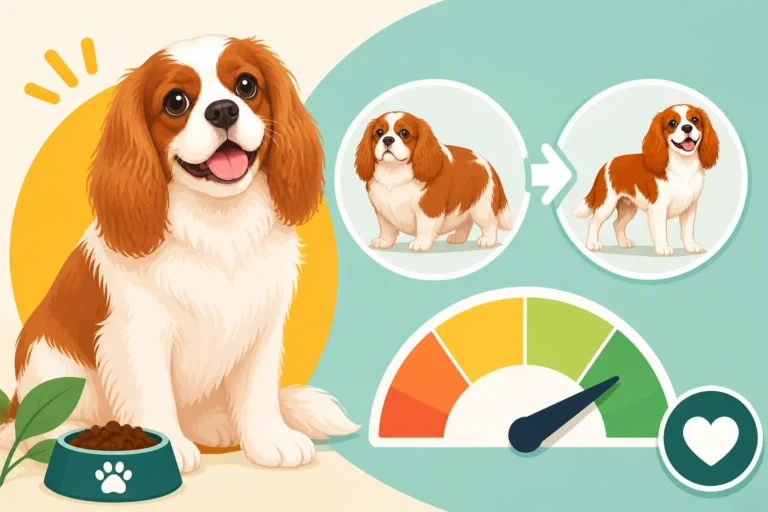
What goes into your Cavalier's body directly impacts the quality of their skin and coat. A diet rich in essential fatty acids, particularly Omega-3 and Omega-6, can significantly improve coat health, making it stronger, shinier, and often less prone to matting. These fatty acids help maintain skin moisture and elasticity, which in turn leads to healthier hair follicles and a more resilient coat.
Look for high-quality dog foods that list real meat as the first ingredient and contain sources of Omega-3s like fish oil or flaxseed. If your dog's current diet isn't providing enough, consider adding supplements. Fish oil supplements, often available from Chewy or similar pet supply retailers, are a popular choice. Just be sure to discuss any new supplements with your vet to ensure they're appropriate for your Cavalier's specific needs, especially if they have other health concerns like heart disease. Some specialized fresh food brands, like Ollie, focus on balanced nutrition that supports overall health, including coat quality. A well-nourished coat is softer, more supple, and less likely to break or tangle easily, reducing the likelihood of those stubborn armpit mats.
Professional Grooming as a Partner
Even if you're diligent with home grooming, a professional groomer can be an invaluable partner in maintaining your Cavalier's coat health, especially when it comes to notorious matting areas like the armpits. They have the expertise, tools, and experience to handle tricky coats and can often spot potential problem areas you might miss.
Regular appointments with a groomer, perhaps every 6-8 weeks, ensure a thorough deep clean, professional drying, and careful detangling that can prevent matting from becoming severe. A good groomer who understands Finding a Groomer Who Knows Cavalier Coats will know how to gently work through tangles and manage the feathering without over-trimming or damaging the coat. They can also provide advice on specific brushes or techniques tailored to your Cavalier’s coat type and lifestyle. Don't be shy about communicating your concerns about armpit mats with your groomer. They can show you how to maintain those areas between visits and even suggest sanitary trims that might reduce matting without altering the overall look of your Cavalier's beautiful coat. Sometimes, a little professional help goes a long way in keeping your Cavalier comfortable and mat-free.
Disclaimer
This article is for general informational purposes only and does not constitute professional advice. Laws, prices and regulations vary by location and change over time. Consult a qualified professional for guidance on your specific situation.