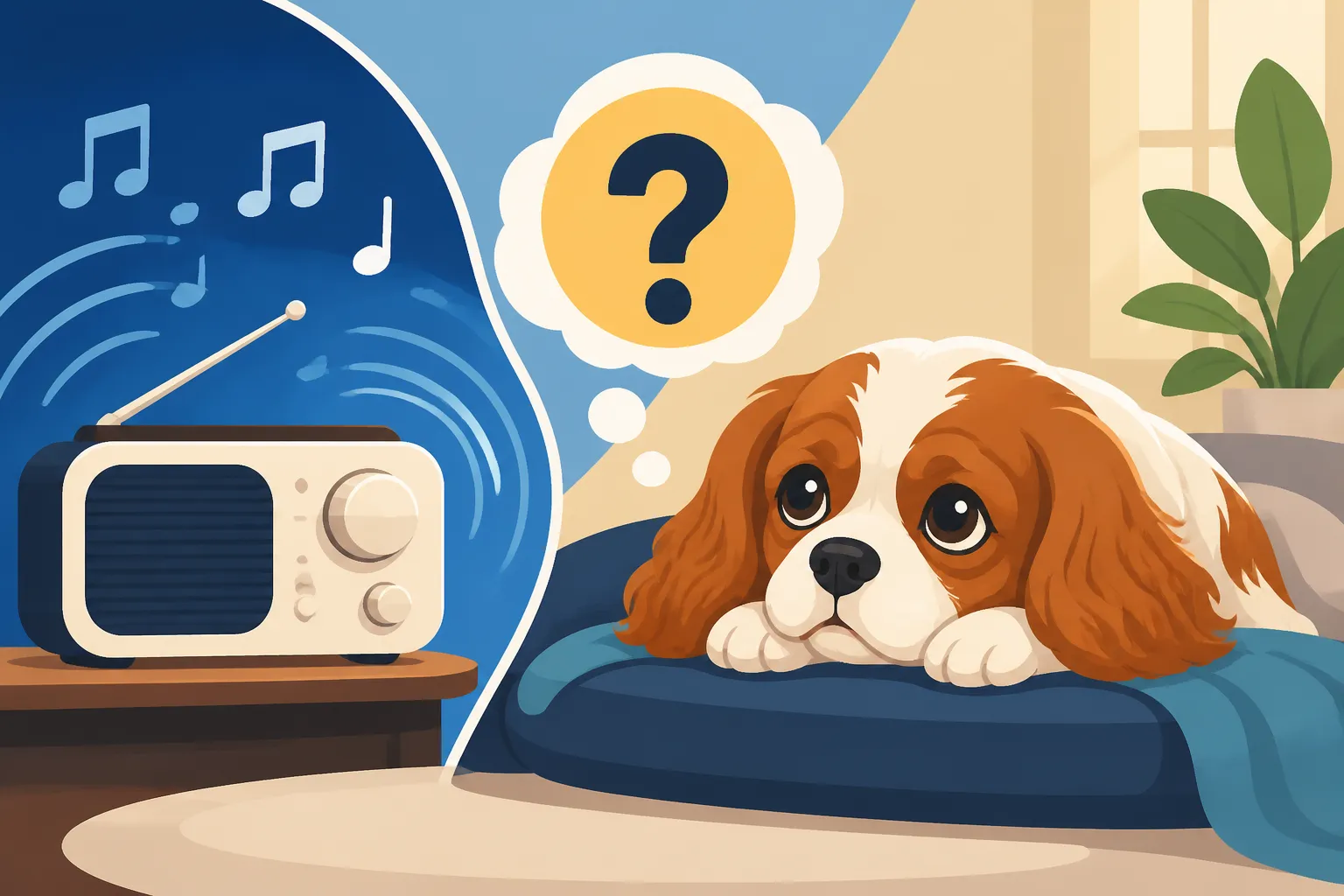
Whether Leaving the Radio On Helps a Cavalier
It’s a truly tough feeling, isn't it? Leaving your beloved Cavalier at home, knowing how much they adore company, often brings a pang of guilt. Many of us wonder if our sweet, clingy companions are just silently pining by the door the moment we leave. One common piece of advice circulating among pet parents is to simply leave the radio or TV on, hoping it fills the silence and makes alone time a little less lonely. But does this simple trick actually work, or is it just a comforting thought for us, the owners? This guide dives deep into whether ambient noise truly helps a Cavalier cope with being left alone, and what more you can do to support them.
Understanding Cavalier Anxiety When Left Alone
Cavaliers are renowned for their affectionate, devoted, and often incredibly clingy nature. They are, after all, "Velcro dogs," bred for companionship. This wonderful trait, however, can make being left alone a real struggle for many of them, leading to genuine anxiety. It’s not just a matter of being bored; for many Cavaliers, it’s a profound sense of loss and fear.
The Root of Cavalier Clinginess (Velcro Dog Syndrome)
Our Cavaliers carry a deep historical predisposition to being constantly by our side. Their ancestors were true lap dogs, cherished by royalty and always in close proximity to their human companions. This isn't a flaw; it's a fundamental part of their breed identity. They thrive on interaction, physical touch, and being an integral part of the family unit. When that connection is suddenly broken, even for a few hours, it can trigger an instinctual alarm. They aren't just missing you; they might genuinely feel unsafe or abandoned, even in a familiar home. This is why you often find them following you from room to room, a phenomenon lovingly known as Why a Cavalier Follows You Room to Room. It’s hardwired into their sweet little beings.
Common Signs of Distress When Alone
It's easy to dismiss a bit of crying or a chewed shoe as "naughty" behavior, but for a Cavalier, these are often desperate pleas for help, signals of profound distress. Pay close attention to these indicators, as they tell you if your Cavalier is genuinely struggling when you’re out.
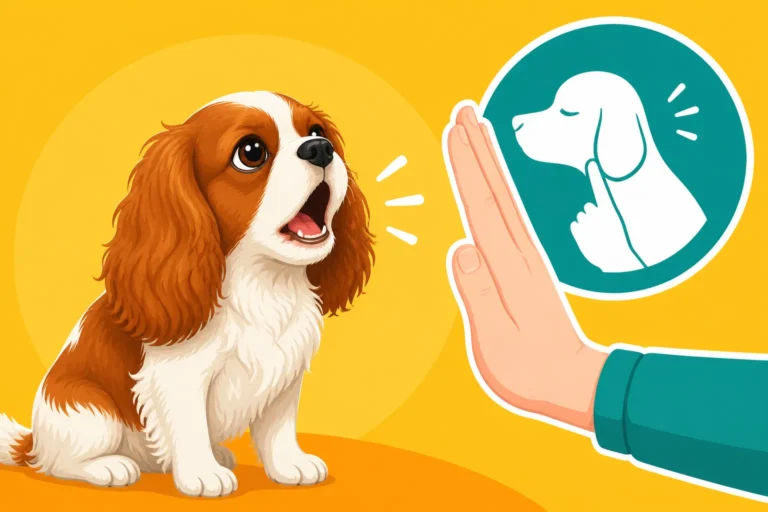
- Vocalization: This is often the first and most obvious sign. Continuous barking, howling, or whining, not just for a few minutes after you leave, but for extended periods. Neighbors might even complain, confirming your fears.
- Destructive Behavior: This isn't about being disobedient; it’s an outlet for extreme anxiety. Chewing doorframes, furniture, or your personal items (especially those that smell like you) are common. This is your Cavalier trying to self-soothe or release pent-up stress.
- Inappropriate Urination/Defecation: A house-trained Cavalier suddenly having accidents indoors can be a strong sign of stress. They might not be able to hold it, or it could be a subconscious reaction to their anxiety.
- Pacing and Restlessness: Some Cavaliers will continuously pace the house, unable to settle. Others might fixate on windows or doors, waiting for your return.
- Excessive Drooling: This is a less common but significant physiological response to acute stress. If you come home to puddles of drool and your Cavalier isn't typically a drooler, it's a red flag.
- Refusal to Eat or Drink: An anxious Cavalier might completely ignore their food or water bowl until you return, indicating a severe state of worry. You can learn more about identifying these behaviors in Signs a Cavalier Is Distressed When Alone.
The Theory Behind Using Sound as a Comfort
The idea of leaving the radio or TV on for a lonely pet stems from a logical, empathetic place. We imagine that filling the silence makes the house feel less empty, less isolating. For some dogs, and under certain circumstances, this can indeed offer a measure of comfort.
Masking Outside Noises and Sudden Sounds
One of the primary benefits of ambient noise is its ability to mask sudden, startling sounds from outside the home. Think about it: a passing siren, a delivery truck, construction noise, or even the neighbors chatting can all be amplified in a silent house. These unexpected sounds can trigger anxiety, especially in a sensitive Cavalier. A radio or TV creates a consistent, low-level background noise that can effectively "drown out" or soften these jarring external stimuli.
For example, if your Cavalier barks at every delivery driver or mail carrier that walks past, A Cavalier That Barks at Every Delivery, a steady stream of talk radio might make those footsteps and truck sounds less distinct, thus reducing their perceived threat. It's like having white noise that buffers them from the unpredictable sounds of the outside world, allowing them to potentially relax more rather than being constantly on alert.
Providing Familiarity and Routine
Another theory is that the consistent presence of sound can contribute to a sense of routine and familiarity. If the radio is always on when you leave, it becomes a predictable part of the "alone time" scenario. This predictability can be comforting for dogs who thrive on routine, which many Cavaliers do. The familiar voices or music can create an illusion of presence, making the house feel less desolate.
Consider a classical music station: studies have shown that certain types of music can have a calming effect on dogs, much like it does on humans. It's not about them understanding the lyrics or appreciating the melody, but rather the steady, rhythmic sounds can help lower heart rates and promote relaxation. The human voice, even from a talk show, can also simulate the presence of conversation, which some dogs find reassuring. It replicates the everyday sounds of a busy household, even when the human elements are absent.
Does the Radio Really Help? Pros and Cons
So, back to the big question: does leaving the radio on actually help a Cavalier who's distressed when left alone? The answer, as with many things in dog behavior, is a nuanced "sometimes." It's not a magic bullet, but it can be a useful tool in a larger strategy.
Potential Benefits of Radio or TV
For some Cavaliers, especially those with milder forms of separation uneasiness or those who are simply easily startled by external noises, the radio or TV can provide a genuine benefit.
- Noise Masking: As mentioned, this is probably the strongest positive. If your Cavalier is reactive to outside sounds, a steady stream of noise can indeed create a buffer. Imagine living next to a busy street; consistent background noise can make the sudden horn or loud engine less jarring.
- Sense of Presence: For some dogs, the sound of human voices (from talk radio or TV shows) can mimic the feeling of having people in the house. This can be particularly true for Cavaliers who are extremely bonded to their humans. It’s not that they think you’re there, but the vocalizations can reduce the feeling of utter solitude.
- Distraction: Engaging sounds can offer a mild form of distraction, shifting their focus away from the anxiety of being alone, at least momentarily. This is more effective if coupled with other enrichments, like a puzzle toy.
Different types of audio can also have varying effects. Classical music, particularly slow-tempo pieces, has been shown to reduce stress in some dogs. Audiobooks or talk radio with a steady, calm speaking voice might also be more effective than, say, heavy metal or chaotic news reports. Some owners even swear by dedicated pet-calming music channels or playlists designed specifically to soothe anxious animals.
When Sound Alone Isn't Enough
While a radio can offer some comfort, it's crucial to understand its limitations. For Cavaliers suffering from true separation anxiety – the kind that leads to panic, destruction, or self-harm – sound alone will rarely be sufficient.
- Not a Substitute for Training: The radio doesn't teach your Cavalier how to cope with being alone; it merely attempts to mitigate some external triggers. It doesn't address the underlying emotional distress or the root cause of the anxiety. You can’t simply distract away deep-seated fear.
- Can Be Overstimulating: In some cases, too much noise, or the wrong kind of noise (like a fast-paced TV show with sudden loud sounds), can actually increase anxiety. Imagine trying to relax with a chaotic action movie blasting – it’s not exactly soothing.
- Doesn't Address Attachment Issues: Cavaliers bond very deeply. If the core of their anxiety is truly the absence of their primary caregiver, a radio won't fill that void. They know you're not there, no matter how much chatter is in the background. Their anxiety stems from missing you, not just missing noise.
- Masking vs. Solving: Leaving the radio on is a management technique, not a solution. It might help manage symptoms, but it doesn't solve the core problem of an anxious Cavalier. It's like putting a band-aid on a broken bone – it covers the wound but doesn't fix the injury.
Here's a quick comparison of when sound might help and when it likely won't:
| Scenario | Likelihood Sound Will Help (Alone) | Why or Why Not |
|---|---|---|
| Mild "cabin fever" / boredom | Moderate | Provides mild distraction, breaks silence, can be part of general enrichment. |
| Startled by external noises | High | Masks sudden sounds like sirens, doorbells, traffic, preventing reactive barking or jumping. |
| Doesn't like absolute silence | High | Some dogs simply prefer some background ambience; it feels more natural than complete quiet. |
| True separation anxiety (panic, destruction) | Low | Doesn't address the underlying deep-seated fear, attachment issues, or panic response. More intense intervention needed. |
| Overstimulation from chaotic sounds | Negative | Can increase stress if the audio is too loud, unpredictable, or creates more "phantom" triggers. |
Beyond the Radio: Comprehensive Strategies for Solo Time
If you suspect your Cavalier is truly struggling when left alone, simply hitting the play button on your radio isn't enough. A comprehensive approach that addresses their emotional needs and teaches them to cope is essential. This means combining management with intentional training.
Creating a Safe and Soothing Environment
Making sure your Cavalier feels secure even before you introduce ambient noise is key. Their physical space profoundly impacts their emotional state.
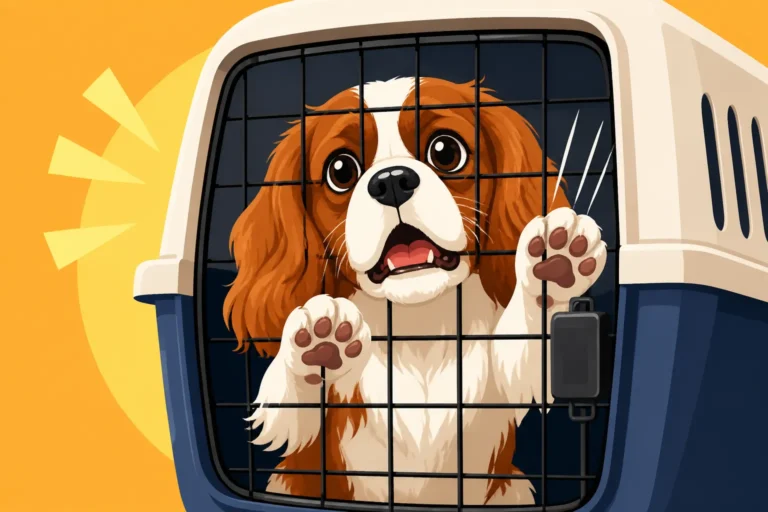
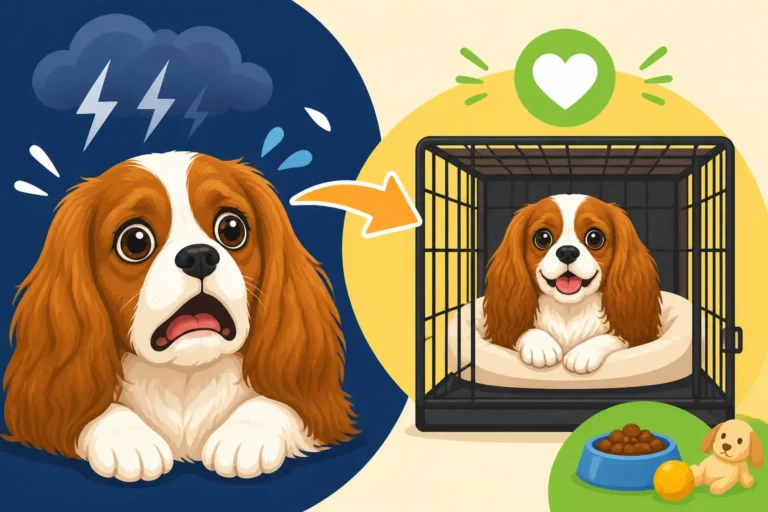
- Comfortable Den: A crate, if properly introduced and positively reinforced, can become a safe haven for your Cavalier. It should be just large enough for them to stand, turn around, and lie down comfortably. Cover it with a blanket to create a dark, den-like space. Many dogs feel more secure in a confined, cozy area rather than being left to roam a large, empty house. Make sure it's associated with good things – treats, chew toys, and quiet rest. If your Cavalier already panics in a crate, you might need to rethink this or seek professional help for Crate Training a Cavalier That Panics.
- Scent of You: Leave an unwashed piece of clothing that smells strongly of you, like a worn t-shirt or a blanket you’ve used. Your scent can be incredibly reassuring and help them feel closer to you even when you're gone.
- Enrichment Toys: Provide long-lasting, safe chew toys or puzzle feeders that require mental effort. A Kong stuffed with peanut butter or wet food (frozen for extra longevity) can keep them engaged for a significant period. This distracts them from your absence and provides a positive association with alone time. Amazon offers a wide variety of interactive toys perfect for small breeds like Cavaliers.
- Room Selection: Choose a room where your Cavalier typically feels calm and secure. This might be a quiet bedroom, a den, or a small, enclosed area. Ensure it's free of hazards and anything they might chew destructively.
Gradual Desensitization and Training
This is the most critical component for truly helping a Cavalier overcome separation distress. It's a slow, methodical process that teaches them that your departures are temporary and not a cause for panic.
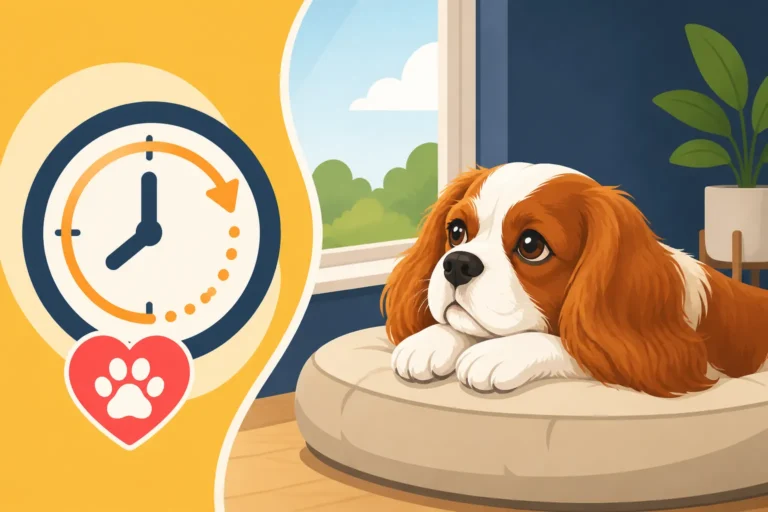
- Practice Short Departures: Start with extremely short durations. Literally, step out the door for 10 seconds, then come back in. Don't make a big fuss when you leave or return. The goal is to make your absence a non-event. Gradually increase the time – 30 seconds, 1 minute, 5 minutes, and so on. This builds their tolerance for being left alone. For more detailed steps, refer to Building From Thirty Seconds With a Cavalier.
- Vary Your Routine: Cavaliers are smart and pick up on patterns. If you always grab your keys, put on your shoes, and then leave, they'll start anticipating your departure and their anxiety will spike. Mix it up! Grab your keys, then sit down and watch TV. Put on your shoes, then go to another room. This desensitizes them to your departure cues.
- Positive Reinforcement: Reward calm behavior. When you return, if your Cavalier is quiet and relaxed, calmly praise them and offer a treat. Avoid overly enthusiastic greetings if they are frantic, as this can inadvertently reward the anxious behavior. You want to reinforce the calm, not the panic. Resources like BAXTER & Bella offer excellent online training programs that can guide you through positive reinforcement techniques for separation anxiety.
- "Stay" and "Place" Training: Teach your Cavalier to comfortably stay on a mat or in their designated "place" for increasing periods, even when you move around the house. This builds their ability to be independent of your immediate physical presence.
Tools and Resources to Aid Alone Time
Beyond basic training, several tools and professional resources can further assist your Cavalier.
- Calming Supplements: Many natural supplements contain ingredients like L-theanine, tryptophan, or calming herbs (like chamomile or valerian root) that can help reduce anxiety. Discuss these options with your vet to ensure they're safe and appropriate for your Cavalier. You can explore Calming Supplements for an Anxious Cavalier.
- Pheromone Diffusers: Products that release synthetic dog appeasing pheromones (DAP) can create a calming environment. These mimic the pheromones a mother dog releases to comfort her puppies, providing a subtle, reassuring signal.
- Professional Help: For severe cases of separation anxiety, consulting a certified professional dog trainer or a veterinary behaviorist is highly recommended. They can assess your Cavalier's specific needs and develop a tailored behavior modification plan. Sometimes, behavioral medication prescribed by a vet, alongside training, is necessary to help a dog break free from debilitating anxiety. You can read more about options like Medication for Cavalier Separation Anxiety if your vet recommends it.
- Pet Cameras: A pet camera with two-way audio (many are available on Amazon) can be an invaluable tool. It allows you to monitor your Cavalier's behavior while you're out, giving you real-time insight into whether they are calm or distressed. Some even allow you to speak to your dog or dispense treats remotely, which can be useful for very short, supervised training sessions.
Ultimately, leaving the radio on for your Cavalier can be a helpful piece of a larger puzzle, especially for masking unsettling noises and offering a familiar background hum. However, it's rarely a standalone solution for deep-seated separation anxiety. Your Cavalier, with their profound need for companionship, deserves a thoughtful, patient, and multi-faceted approach to help them feel truly safe and secure when you're away.
Disclaimer
This article is for general informational purposes only and does not constitute professional advice. Laws, prices and regulations vary by location and change over time. Consult a qualified professional for guidance on your specific situation.