A Cavalier That Scrabbles at the Crate Door
It's absolutely heartbreaking to hear your beloved Cavalier scrabbling, digging, and desperately trying to escape their crate. This isn't just frustrating for you, it's a clear sign that your sweet companion is feeling stressed or unhappy in a space that's meant to be their safe haven. This guide will walk you through the common reasons why Cavaliers develop this behavior and provide compassionate, practical strategies to help your dog feel secure and calm in their crate once and for all.
Why Your Cavalier Scrabbles at the Crate Door
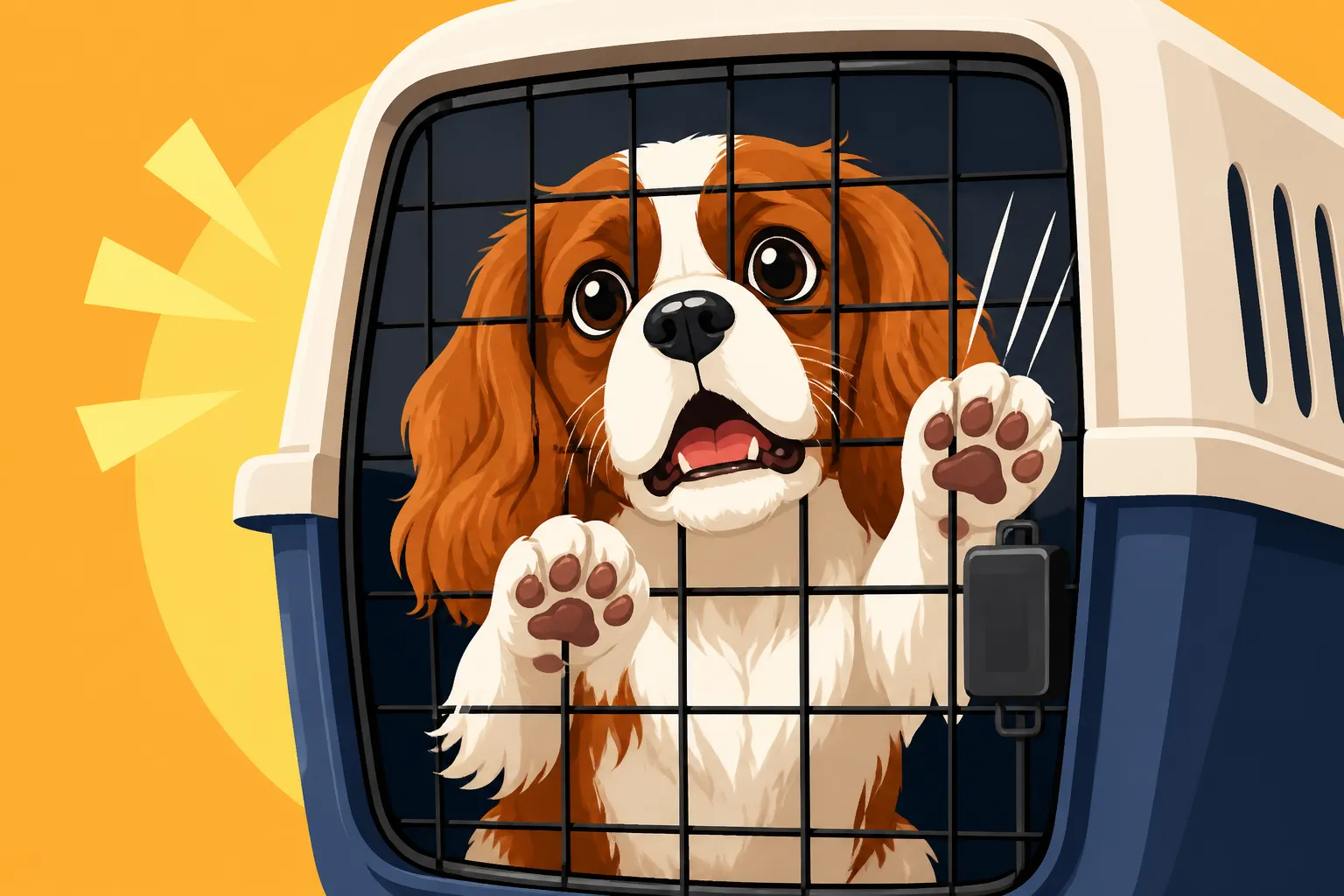
When your Cavalier starts to paw, dig, or mouth at the crate door, it’s not typically out of spite or a desire to be naughty. It’s usually a direct communication that they are uncomfortable, anxious, or have unmet needs. Understanding the underlying "why" is the first critical step toward resolving the behavior. Ignore it, and you risk intensifying their distress and potentially creating a lifelong aversion to their crate.
Anxiety and Fear of Confinement
Cavaliers are famously devoted and sensitive dogs. Their entire purpose for centuries has been to be companions, never far from their humans. This deeply ingrained trait means many Cavaliers struggle acutely with separation, even when you're just in the next room. For some, the crate can feel like a prison, amplifying feelings of isolation and fear. Imagine being a small, highly social creature, suddenly enclosed and unable to reach your pack – it's terrifying! This isn't about being spoiled; it's about their fundamental nature. A Cavalier who feels truly trapped might scrabble as an instinctual attempt to escape what feels like danger, or at the very least, extreme loneliness.
This fear isn't always about being left entirely alone in the house; sometimes, it's simply the door being closed, separating them from you within the home. If your Cavalier is generally a "Velcro dog" who follows you everywhere, a closed crate door can trigger immediate panic. They might have learned that scrabbling once, even by accident, got your attention or got them out, reinforcing the behavior. Sometimes, a loud noise outside or an unexpected event can spook them while crated, leading to a negative association with the space itself.
Lack of Proper Crate Introduction
Many of us get a puppy or adopt an older dog and, with the best intentions, put them straight into a crate, hoping they'll just adjust. Unfortunately, for a breed as sensitive as a Cavalier, this can backfire spectacularly. If the crate was introduced too quickly, for too long, or associated with negative experiences (like being left alone for extended periods right away), your Cavalier might never have formed a positive connection with it. They might see it as punishment or a place where good things don't happen.
A proper crate introduction involves making the crate a truly inviting space. This means gradual exposure, associating it with delicious treats, favorite toys, and short, positive stays. If this foundational work was missed, your Cavalier hasn't learned that the crate is a den for rest and relaxation. Instead, they’ve learned it's a place to be endured, and scrabbling is their effort to escape that endurance. Think of it like a child being thrown into a new classroom without any introduction to the teacher or classmates; they're likely to try and get out.
Boredom or Unmet Needs
Sometimes, the issue isn't deep-seated anxiety, but simply a Cavalier who is under-stimulated or hasn't had their basic needs met before being crated. Cavaliers, despite their cuddly image, are still spaniels and retain a good deal of intelligence and curiosity. If they haven't had enough mental stimulation, a good walk, or a proper potty break before being confined, they're going to feel restless. And a restless dog in a small space will look for an outlet.
A Cavalier might scrabble because they need to potty, they're hungry, thirsty, or simply bursting with unused energy. Perhaps they're bored and attempting to dig their way out to find something more interesting to do. Even if you think you've done everything right, a small oversight, like a less stimulating chew toy than usual or a slightly shorter walk, can lead to your Cavalier trying to 'break out' of their perceived boredom. It's a sign they need more engagement and comfort, not just restraint.
Understanding the Root Cause: Is it Separation Anxiety?
It's crucial to differentiate between general crate frustration and true separation anxiety, as the approach to each will differ slightly. For Cavaliers, separation anxiety is a very real, and unfortunately common, challenge due to their inherent need for companionship.
Signs Beyond Crate Scrabbling
Crate scrabbling is a prominent symptom, but it rarely occurs in isolation if true separation anxiety is at play. Look for a constellation of behaviors that appear when you leave or prepare to leave. Does your Cavalier start to pant, drool excessively, or pace nervously when you pick up your keys or put on your shoes? Do they follow you from room to room, even to the bathroom, and whine or cry when you close a door between you? This "Velcro dog" tendency is often a precursor. When left alone, do you come back to scratched doors, chewed furniture, or inappropriate urination/defecation, even if they are reliably house-trained? A Cavalier That Chews Doorframes When Alone or A Cavalier That Howls the Moment You Leave are clear indicators.
Another significant sign is how long they can tolerate being alone. If your Cavalier panics the moment you're out of sight, even for short periods, and displays distress behaviors, it's more likely anxiety. Dogs with simple crate frustration might grumble or scratch for a few minutes and then settle, or only act out if their basic needs aren't met. A truly anxious Cavalier, however, will often continue their distress for a significant portion of the time you're gone. Filming your Cavalier while you're out can provide invaluable insight into their behavior and help you gauge the severity of their distress. You might be surprised at what you see.
The Cavalier's Predisposition to Clinginess
The Cavalier King Charles Spaniel was literally bred to be a lap warmer and a constant companion. Their history is steeped in being at the side of royalty and gentry, never far from human touch. This isn't a working breed; their job was simply to be present, loving, and comforting. This genetic predisposition means they often form extremely strong attachments to their primary caregivers. While this devotion is one of their most endearing qualities, it also makes them particularly susceptible to distress when those attachments are broken, even temporarily.
This innate clinginess can be a double-edged sword. While it makes them wonderful, affectionate family members, it also means that many Cavaliers struggle more than other breeds when asked to cope with solitude. It's not a flaw in your dog's character; it's a deeply rooted part of what makes a Cavalier a Cavalier. Recognizing this can help you approach their anxiety with greater empathy and patience, understanding that they're not being stubborn, but rather struggling with a very real, instinctual challenge. It also means that addressing crate scrabbling often means addressing their fundamental need for connection and slowly building their confidence in your eventual return.
Strategies to Stop Crate Scrabbling and Build Confidence
The good news is that with patience, consistency, and the right approach, you can help your Cavalier overcome their crate aversion and reduce or eliminate scrabbling. It often requires a complete reset of their relationship with the crate.
Re-introducing the Crate Positively
If your Cavalier has developed a negative association with their crate, you need to essentially "rebrand" it. Start by making the crate the most wonderful place in your house. Place it in a high-traffic area initially, perhaps in your living room where you spend a lot of time, so it doesn't feel like exile. Keep the door open and liberally scatter high-value treats inside – things like small pieces of cheese, cooked chicken, or even their favorite soft chew. Don't force them in, just let them discover the treats.
Feed all meals inside the crate, placing the bowl further back each time they enter. Provide exciting toys they only get in the crate, like a puzzle toy filled with peanut butter or a long-lasting chew. The goal is for them to associate the crate with irresistible rewards. You might consider an online puppy program like BAXTER & Bella, which often includes modules on positive crate training. They emphasize making the crate a choice, not a command. Once they're happily going in for treats, start closing the door for just a second or two while they're eating, then immediately opening it. Slowly, gradually, increase the duration of the door being closed. Never use the crate for punishment, ever. It must remain a place of security and reward.
Enriching the Crate Environment
A bare crate can feel stark and unwelcoming. Make it cozy and stimulating! Start with comfortable bedding – something soft but durable, and easily washable. For some Cavaliers, a soft blanket that smells like you can be incredibly comforting. Consider a crate cover to make it den-like, blocking out visual distractions and promoting a sense of security. You can find many stylish and practical options on Amazon.
Next, focus on mental enrichment. A tired mind is often a calm mind. Always provide a high-value, long-lasting chew toy that your Cavalier only gets when in the crate. This could be a KONG filled with frozen pumpkin or yogurt, a durable Benebone, or another safe chew designed to keep them occupied. Rotate these items so they remain novel and exciting. This not only keeps them busy but also reinforces the positive association with the crate. Ensure they have fresh water available, perhaps in a spill-proof bowl that attaches to the crate bars. The more enjoyable and comfortable the crate environment, the less inclined they will be to scratch their way out.
Here's a quick comparison of crate enrichment options:
| Enrichment Type | Example Items | Benefit |
|---|---|---|
| Comfort | Soft dog bed, cozy blanket, crate cover | Provides a den-like, secure, and comfortable resting space. |
| Scent | Old t-shirt with your scent | Helps calm anxiety and provides a sense of your presence. |
| Chewing/Licking | KONG with frozen treat, durable chew toy | Redirects nervous energy, provides mental stimulation, and satisfies natural urges. |
| Puzzles | Slow feeder bowl, puzzle toy with kibble | Engages their brain, makes mealtime a rewarding activity inside the crate. |
| Sound | White noise machine, calming dog music | Masks external noises that might cause anxiety, promotes relaxation. |
Gradual Desensitization and Alone Time Training
This is perhaps the most critical step and requires immense patience. You need to teach your Cavalier that being alone, even in the crate, is okay and that you always come back. Start by closing the crate door and staying in the room. Reward calm behavior immediately. Then, open the door and let them out. Repeat this, gradually increasing the time the door is closed.
Once they're comfortable with you in the room, start practicing very short departures. Get ready to leave (grab keys, put on shoes), crate your Cavalier with a special chew, and then step out of sight for just a few seconds. Return before they start to scrabble or panic, even if it's only 5-10 seconds. Calmly let them out. You're building positive associations with your return, not their distress. Slowly, incrementally increase the time you're gone. If they start to show signs of anxiety, you've gone too far, too fast – dial it back. Building a Cavalier's Tolerance for Being Left is a long-term project. Ensure you also practice positive "departure routines that calm a Cavalier," making your exits low-key and uneventful. Over time, your Cavalier will learn to relax.
When to Seek Professional Help
While many cases of crate scrabbling can be improved with consistent positive training, some Cavaliers struggle with more severe forms of anxiety that require expert intervention. Knowing when to call in the professionals is vital for your dog's well-being and your peace of mind.
Recognizing Severe Cases
If your Cavalier's scrabbling is accompanied by relentless howling, incessant barking, excessive drooling, destructive chewing of the crate itself (leading to injury), or attempts to self-harm by ramming their head against the bars, these are strong indicators of severe distress. If you've tried consistent positive reinforcement for weeks or months with little to no improvement, or if your dog is making themselves physically sick or injured from their attempts to escape, it's time to elevate your approach.
Another sign of a severe case is if the distress begins before you even leave the house – the moment they perceive your pre-departure cues. This anticipatory anxiety can be extremely difficult for dogs to manage on their own. In these situations, simply pushing through with more training can actually worsen the anxiety. These are not behavioral quirks; they are genuine panic attacks for your dog. Your compassionate intervention, possibly with professional guidance, is essential.
Finding a Qualified Trainer or Behaviorist
Don't hesitate to reach out for help. A certified professional dog trainer or a veterinary behaviorist can offer tailored strategies. Look for trainers who specialize in positive reinforcement and force-free methods, especially when dealing with anxiety. They should have experience with sensitive breeds like Cavaliers and understand conditions like separation anxiety. Avoid anyone who suggests punitive methods or advises letting your dog "cry it out," as this can further traumatize an anxious Cavalier.
A veterinary behaviorist, who is a veterinarian with specialized training in animal behavior, can also assess if there's an underlying medical issue contributing to the anxiety and can prescribe medication if appropriate. Medication isn't a magic bullet but can be a valuable tool to help your Cavalier learn new coping mechanisms during the training process, reducing their baseline anxiety enough for them to be receptive to learning. They can also help determine if medication for Cavalier separation anxiety is a suitable option for your specific situation. Asking your general vet for a referral to a certified professional is a great first step. Remember, seeking help is a sign of a responsible and caring owner, not a failure.
Disclaimer
This article is for general informational purposes only and does not constitute professional advice. Laws, prices and regulations vary by location and change over time. Consult a qualified professional for guidance on your specific situation.