A Cavalier That Chases Squirrels Off Leash
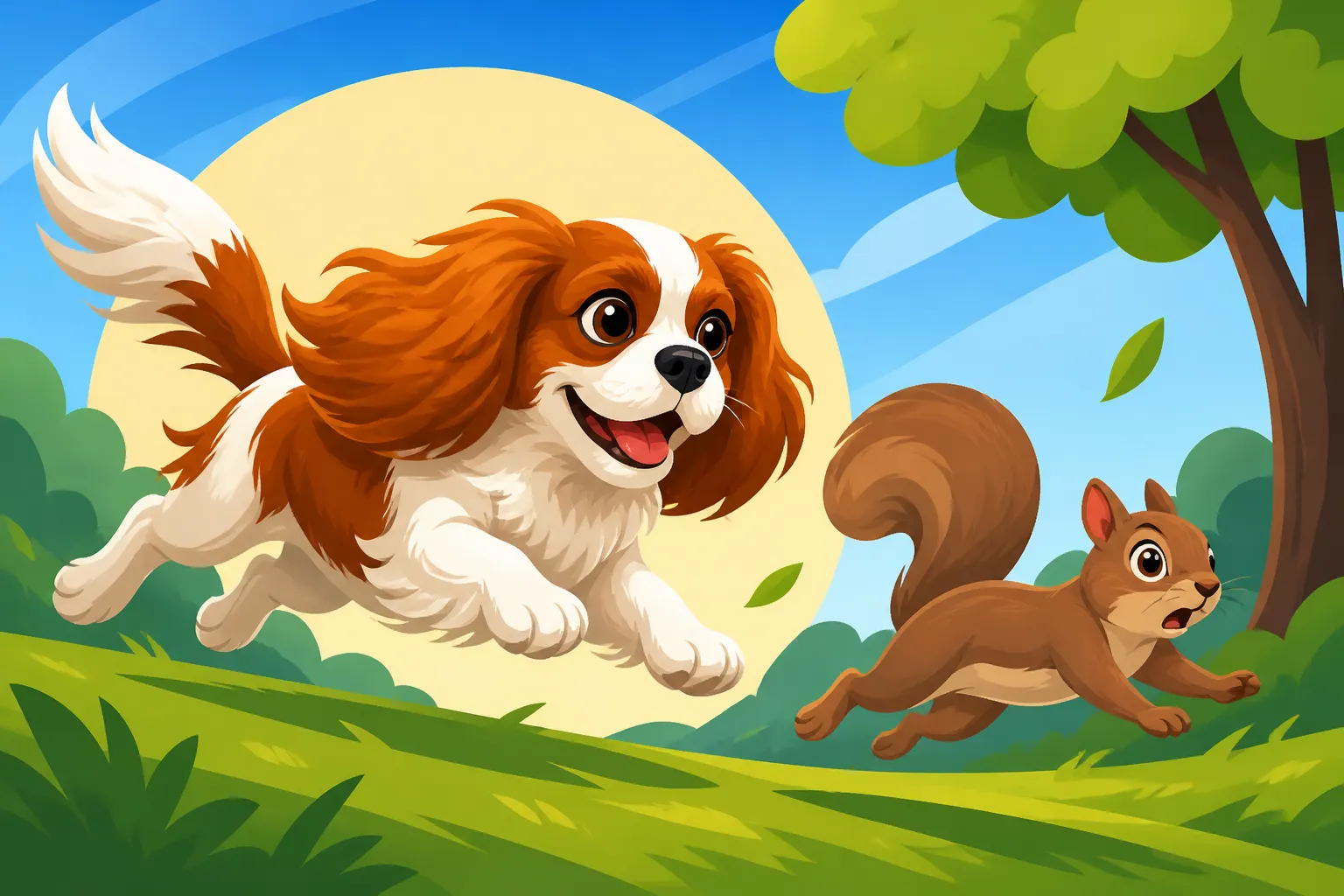
It's a familiar, heart-dropping moment for many Cavalier King Charles Spaniel owners: your sweet, affectionate companion spots a squirrel, a bird, or even a blowing leaf, and suddenly they're off, a blur of fur and enthusiasm, deaf to your frantic calls. This immediate, intense chase instinct, especially when off-leash, can be incredibly dangerous, turning a peaceful walk into a terrifying ordeal. This guide is dedicated to helping you understand why your Cavalier transforms into a mini-hunter in these moments and, more importantly, how you can manage this deeply ingrained behavior to keep them safe.
Understanding the Cavalier's Inner Hunter
Many people are surprised to learn that their gentle, cuddly Cavalier, famous for being a "Velcro dog" and a devoted lap companion, possesses a strong prey drive. After all, they look so innocent! But beneath that silky coat and endearing expression lies the heart of a spaniel, and spaniels were bred for hunting. It’s not about them being naughty; it’s about their genes speaking to them in a language only they understand.
The Hidden Spaniel Instincts
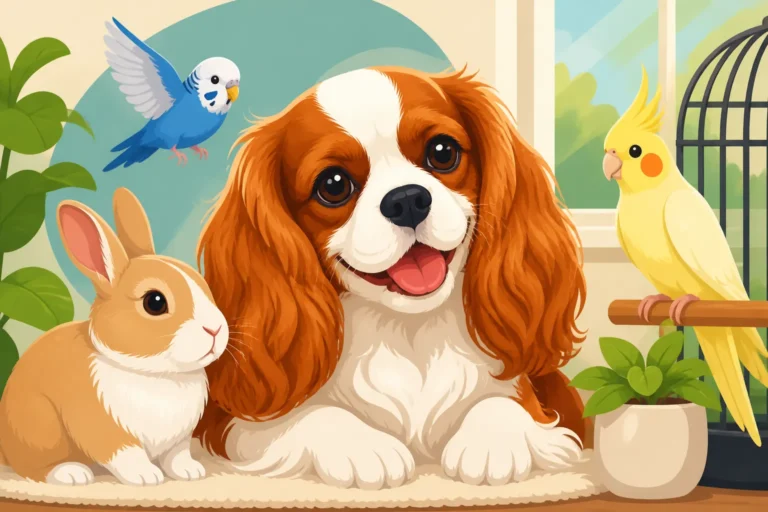
The Cavalier King Charles Spaniel's ancestors were indeed working dogs, bred to flush small game birds for hunters. While centuries of selective breeding have softened their hunting edges, turning them into the beloved companions we know today, the fundamental instincts remain. Think about it: they're keen-nosed, quick, and possess an inherent curiosity about anything that moves suddenly. This isn't just about squirrels; it can be birds, rabbits, or even blowing leaves and plastic bags. The world is full of fascinating, fast-moving things just begging to be investigated.
Even if your Cavalier has never seen a game bird in its life, that ancestral programming kicks in when a squirrel darts across the path. It's an automatic response, a primal urge to pursue. They're not actively choosing to ignore you; they're simply overwhelmed by an instinct that feels more urgent and rewarding than anything else in that moment. It's like asking someone to ignore a flashing neon sign when they're absolutely starving. The impulse is powerful.
Why a Squirrel Is Irresistible
From a Cavalier's perspective, a squirrel is the ultimate, tantalizing target. Squirrels are masters of sudden, erratic movements – darting, freezing, climbing trees in a flash. These quick, unpredictable actions are precisely what trigger a dog's prey drive. They mimic the flight patterns of small prey, sending a clear signal to your Cavalier's ancient brain: "Chase me!" The visual stimulus is potent, but so are the sounds – the rustle of leaves, the chattering, the scratching claws. Every sense is engaged, making the chase almost impossible to resist once it begins.
Furthermore, the act of chasing itself is incredibly self-reinforcing. Each lunge, each burst of speed, releases a cocktail of feel-good chemicals in your dog's brain, like dopamine. It's exhilarating! Even if they never "catch" the squirrel, the thrill of the pursuit is reward enough. This means that every time your Cavalier successfully chases a squirrel, that behavior becomes stronger and harder to interrupt. They learn that squirrels equal excitement and satisfaction, making them even more likely to ignore your calls in favor of the chase next time.
The Danger of the Chase
While the sight of your tiny Cavalier joyfully pursuing a squirrel might seem amusing in a safe, enclosed park, the reality is that this behavior carries significant risks. The world outside a secure fence is full of hazards that your dog, blinded by instinct, simply won't register. Traffic is, of course, the most immediate and terrifying threat. A Cavalier chasing a squirrel across a street can easily be hit by a car, leading to devastating injury or worse. It’s a fear that keeps many Cavalier owners from ever letting their dogs off-leash, even in seemingly quiet areas, and for good reason. Why a Cavalier Has No Traffic Sense is a crucial read for understanding this risk.
Beyond traffic, there's the danger of getting lost. A Cavalier focused on a chase can cover surprising distances quickly, often losing their bearings and getting separated from you. They might also encounter aggressive off-leash dogs, suffer injuries from rough terrain, or even become targets for wildlife if they wander too far into wooded areas. The stakes are incredibly high, which is why managing this behavior isn't just about convenience or obedience; it's about protecting your beloved pet's life and ensuring their long-term safety.
Training Strategies to Manage the Chase Instinct
Dealing with a strong prey drive requires patience, consistency, and the right training approach. It’s not about eradicating the instinct entirely – that’s impossible – but about teaching your Cavalier that listening to you is even more rewarding than chasing, and that sometimes, a chase isn’t safe or permitted. Reward-Based Training With a Cavalier is the foundation for all these efforts.
Building a Rock-Solid Recall
This is, without a doubt, the most critical skill for any dog with a high prey drive. A reliable recall means your Cavalier will return to you instantly, no matter the distraction. Start training recall in a quiet, distraction-free environment, like your living room or a securely fenced yard. Use extremely high-value treats – think cooked chicken, cheese, or hot dogs – something your Cavalier absolutely adores. Say your recall word (choose something unique, like "Come!" or "Here!") once, enthusiastically, and when they come, immediately reward them with praise and a fantastic treat. Practice this dozens of times a day in short, fun sessions. Consistency is key.
Once they're reliably coming to you in low-distraction settings, gradually introduce mild distractions, always setting them up for success. This might mean practicing in your backyard with a family member walking by, then moving to a quiet park on a long line. Never call them if you suspect they won't come, as this teaches them to ignore the command. Building a strong recall takes time, effort, and many delicious treats, but it is the ultimate insurance policy for their safety. For specific tips, check out The Recall Word a Cavalier Learns Fastest.
Leash Training and Long-Line Practice
Until your Cavalier has a rock-solid recall in every environment, off-leash freedom outside of a securely fenced area is simply too risky. Invest in a comfortable, well-fitting harness rather than relying solely on a collar, especially for a breed like the Cavalier that can be prone to tracheal issues. A harness, easily found on Amazon, provides better control and distributes pressure more evenly across their chest, protecting their delicate neck. Combine this with a standard leash for walks in public spaces. This ensures their safety and your peace of mind.
For practicing recall and giving your Cavalier a bit more freedom to explore safely, a long line (a lead that can be 15 to 30 feet long) is invaluable. Head to a large, open, and truly secure area – perhaps a private field or a very well-fenced dog park where you know other dogs are well-behaved. Let your Cavalier drag the long line, allowing them to roam a bit, then call them back. If they get distracted by a scent or a movement, gently reel them in with the line while still giving your recall command and offering encouragement. This teaches them the consequences of not responding while still giving you control. You can find more detailed advice on Long Line Practice for a Cavalier.
Impulse Control and "Leave It" Commands
Beyond recall, teaching your Cavalier impulse control is crucial. This means teaching them to resist temptations, even highly exciting ones. The "leave it" command is your best friend here. Start by placing a low-value treat on the floor and covering it with your hand. When your Cavalier looks away, even for a second, say "yes!" and reward them with a different, higher-value treat from your other hand. Slowly progress to uncovered treats, increasing the duration they have to "leave it" before getting their reward.
Once they understand "leave it" with stationary objects, you can graduate to moving distractions. This is where the real challenge lies for a squirrel-chasing Cavalier. Practice with a toy rolled across the floor, then with a family member wiggling their fingers. Eventually, you can try this outside in a controlled environment, perhaps with a distant squirrel. The goal is to teach them that ignoring the initial impulse to chase and instead turning their attention to you brings a better, more immediate reward. This takes time and infinite patience, but it's an essential skill for their safety around The Bird Chase a Cavalier Cannot Resist.
Creating a Safe and Stimulating Environment
Managing a Cavalier's prey drive isn't just about training them not to chase; it's also about providing safe outlets for their natural instincts and ensuring their environment supports good behavior. Boredom can often exacerbate undesirable behaviors, including an intensified focus on chasing perceived prey.
Secure Off-Leash Spaces
The single most important factor for safely allowing your Cavalier off-leash is a truly secure environment. This means a yard with a fence high enough that they cannot jump over and secure enough that they cannot squeeze underneath or through any gaps. Many owners mistakenly believe a "dog park" is always a safe off-leash zone, but the reality can be quite different. Public dog parks often have gates left open, fences that are not entirely secure, or distractions (and other dogs) that can quickly escalate an already high-strung prey drive. Always assess the security of any area before allowing your Cavalier off-leash.
If you don't have access to a private, securely fenced yard, consider renting a private dog field for controlled off-leash exercise. These increasingly popular options offer fully enclosed spaces where your Cavalier can run, explore, and practice recall without the worry of traffic or unknown dogs. Such dedicated spaces provide peace of mind and allow you to focus on training rather than constant vigilance. For owners considering securing their home environment, detailed information on Fencing a Yard a Cavalier Will Not Leave can be very helpful.
Redirecting Prey Drive with Approved Activities
Since you can't eliminate your Cavalier's prey drive, the next best thing is to redirect it into safe, approved activities. This channels their natural instincts in a way that is fun, enriching, and won't put them in danger. Flirt poles are fantastic for this: they mimic the erratic movements of small prey, allowing your Cavalier to chase and "catch" a lure on a string. This provides an immense physical and mental workout in a controlled setting. Just be sure to let them "win" and catch the lure frequently to keep them engaged and prevent frustration.
Scent work is another excellent way to engage a Cavalier's natural hunting instincts. Their keen noses, inherited from their spaniel ancestors, are perfectly suited for this activity. Hiding treats or toys and encouraging them to sniff them out provides immense mental stimulation and allows them to use their innate abilities in a productive way. This can be as simple as hiding kibble around the house or joining a formal scent work class. Scent Work as a Low-Impact Cavalier Sport offers great insight into this enriching activity.
Mental Stimulation Beyond the Chase
Physical exercise is important for any dog, but for Cavaliers with a strong prey drive, mental stimulation is equally, if not more, crucial. A mentally tired dog is often a calmer, more responsive dog. Puzzle toys that require them to figure out how to get a treat, interactive feeder balls, and even short, engaging training sessions can help fulfill their need to "work" and think. Instead of just focusing on the chase, these activities tap into their problem-solving skills and curiosity.
Consider incorporating a structured online training program into your routine. Resources like BAXTER & Bella offer comprehensive training courses that cover everything from basic obedience to advanced impulse control. These programs can provide step-by-step guidance, helping you teach your Cavalier how to focus on you even amidst distractions. Regular, positive training sessions not only reinforce good behavior but also strengthen the bond between you and your Cavalier, making them more inclined to choose you over a darting squirrel.
When the Chase Becomes a Habit: Addressing Extreme Cases
Sometimes, despite all your best efforts, a Cavalier's prey drive is so intense, or the habit of chasing so ingrained, that standard training methods feel insufficient. In these situations, it's important to recognize when you might need to adjust your expectations or seek additional support.
Seeking Professional Help
If you've diligently applied training strategies and still find your Cavalier's squirrel-chasing instinct overwhelming or dangerously persistent, it might be time to bring in a professional. A certified professional dog trainer or a canine behaviorist can assess your specific situation, observe your Cavalier's behavior, and develop a tailored training plan. They have the expertise to understand the nuances of canine behavior and can offer techniques and tools you might not have considered. Look for trainers who use positive reinforcement methods and have experience with high-prey-drive breeds.
A behaviorist, especially, can help delve deeper into the root causes of the behavior, ruling out any underlying medical conditions that might contribute to heightened anxiety or reactivity, and then implementing a comprehensive modification plan. They can teach you how to read your dog's body language more effectively, recognize triggers before the chase begins, and implement management strategies that fit your lifestyle. Don't view seeking professional help as a failure; view it as an investment in your Cavalier's safety and well-being.
Safety First: The "No Off-Leash" Rule
This is a tough pill to swallow for many owners, but sometimes, for a Cavalier's own safety, a strict "no off-leash" policy must be implemented outside of truly secure, enclosed areas. If your Cavalier has a history of bolting into traffic, getting lost, or encountering dangerous situations because of their prey drive, then their life depends on you making this difficult but responsible decision. It means that walks will always be on a leash, and off-leash play will be restricted to private, securely fenced locations where there is zero risk of escape or danger.
While it might feel restrictive, it is far better to have a safe, leashed Cavalier than one who is constantly at risk. Many Cavaliers live full, happy lives without ever being off-leash in an open environment. You can still provide plenty of exercise and mental stimulation through long-line walks, scent games, and controlled play in a safe, fenced space. The responsibility of pet ownership includes prioritizing their safety above all else, even if it means foregoing certain freedoms.
Ongoing Management and Vigilance
Managing a strong prey drive in a Cavalier is rarely a "fix it and forget it" situation. It requires ongoing vigilance, consistency, and adaptation throughout their life. Even a well-trained Cavalier can have moments where instinct takes over, especially if they are tired, overstimulated, or encounter a particularly enticing squirrel at close range. Always be aware of your surroundings, scan for potential triggers before they notice them, and be ready to intervene.
This means carrying high-value treats on every walk, continuing to practice recall and "leave it" commands regularly, and reinforcing good behavior. It also means using appropriate equipment, such as a sturdy harness and a reliable leash, for all walks. The goal is to build such a strong habit of listening to you that it overrides even the most compelling chase instinct, making your walks enjoyable and safe for both of you.
| Strategy | Description | Key Benefits | Considerations |
|---|---|---|---|
| Rock-Solid Recall | Consistent training to return on command, with high-value rewards. | Essential for safety, gives dog freedom within limits. | Requires high-value treats, gradual distraction increase, patience. |
| Long-Line Practice | Using a long lead (15-30 ft) in secure areas to simulate off-leash freedom. | Safe practice of recall, allows exploration, builds confidence. | Needs large, truly secure space; can get tangled. |
| "Leave It" Command | Teaches dog to ignore tempting objects/movements on cue. | Builds impulse control, prevents dangerous interactions. | Requires progressive steps, starting with low distractions. |
| Secure Fencing | Ensuring any off-leash area is completely escape-proof. | Prevents escape, protects from traffic/dangers. | Can be costly; requires regular maintenance/checks. |
| Redirected Play | Using flirt poles, scent work, or puzzle toys to channel instincts. | Satisfies prey drive safely, provides mental/physical enrichment. | Requires owner participation; toys must be engaging. |
| Professional Trainer | Consulting an expert for tailored advice and behavior modification. | Personalized plan, addresses complex issues, expert guidance. | Can be an investment; choose a positive reinforcement trainer. |
| Permanent Leash Use | Keeping the Cavalier on-leash at all times outside of secure, fenced areas. | Guarantees safety, removes risk of chase. | Limits off-leash freedom; requires consistent owner commitment. |
Disclaimer
This article is for general informational purposes only and does not constitute professional advice. Laws, prices and regulations vary by location and change over time. Consult a qualified professional for guidance on your specific situation.