Whether a Cavalier Tolerates a Toddler
Bringing a new toddler into a home with a beloved Cavalier King Charles Spaniel, or introducing a Cavalier puppy to an already active toddler household, can bring a mix of excitement and genuine anxiety. Many of us worry about how our sweet, gentle Cavaliers will cope with the unpredictable nature of a young child, and this guide is here to walk you through what to expect and how to foster a safe, happy environment for both your furry family member and your growing human one.
The Cavalier Temperament: Sweetness Meets Sensitivity
Cavalier King Charles Spaniels are renowned for their affectionate, docile, and gentle nature. They truly are the quintessential "lap dog," thriving on human companionship and often exhibiting an almost uncanny patience. Many Cavalier owners will tell you their dog is a "velcro dog," never more than a few feet away, eager to be involved in whatever the family is doing. This inherent sweetness often leads people to believe they are the perfect dog for families with small children, and in many ways, they are. They typically lack aggression, are not prone to excessive nipping, and often seem to simply accept the chaos that comes with tiny humans.
However, it's vital to remember that "tolerant" isn't the same as "invincible." Their gentle nature also means they can be quite sensitive. A Cavalier isn't built for rough play in the same way a sturdier breed might be. Their small size, delicate structure, and prominent eyes make them vulnerable to accidental bumps, falls, or clumsy handling. While they might adore being snuggled on the sofa with an older, calm child, the unpredictable movements, loud shrieks, and grabby hands of a toddler can be a very different experience for them. Understanding this duality – their sweet disposition coupled with their physical and emotional sensitivity – is key to ensuring a positive relationship between your Cavalier and your toddler.
Think about how your Cavalier reacts to sudden loud noises or unexpected visitors. Do they flinch or retreat? While they might be quick to warm up, their initial reaction to novelty or overwhelming stimuli can often be caution. This isn't a flaw; it's just part of their inherent personality. A household with a toddler is rarely quiet or predictable, and this constant flux can, over time, wear on even the most patient dog. It's our job as responsible owners to protect their sensitive nature while fostering a bond built on respect and understanding. This means recognizing that even a Cavalier's boundless affection has its limits and that those limits need to be respected, especially by a toddler who is still learning the concept of personal space.
Navigating the Challenges of Toddler-Cavalier Interactions
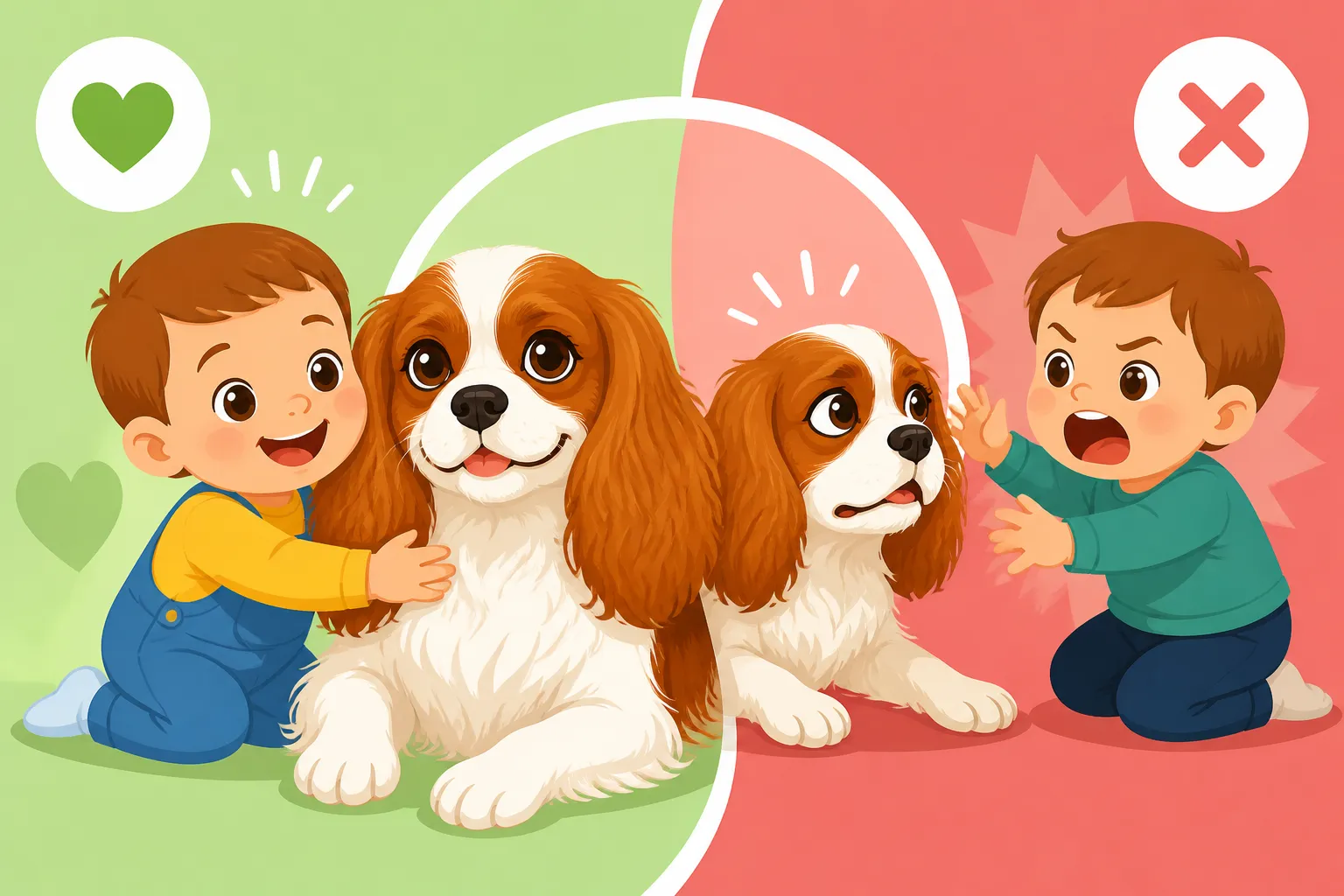
Even with the sweetest Cavalier and the most well-meaning toddler, challenges are almost guaranteed. Toddlers, by nature, are exploring their world through touch, sound, and sometimes, a complete lack of inhibition. This can translate into behaviors that are perfectly normal for a two-year-old but potentially frightening or even painful for a small dog. Things like pulling ears, grabbing tails, poking eyes, or attempting to "ride" the dog are not malicious acts; they are simply the actions of a child learning boundaries and motor control.
Imagine your Cavalier, peacefully napping, when a toddler suddenly claps their hands next to their head or attempts to pick them up by their front legs. While many Cavaliers will simply move away, repeated instances can build stress. This is particularly true for their prominent, beautiful eyes, which are unfortunately quite exposed and vulnerable to accidental pokes or scratches. Their long, silky ears are also a common target for little hands, and while a gentle tug might not hurt, a firm pull could certainly cause discomfort. A Cavalier that yelps when picked up might be telling you more than just "I don't like this"; it might be indicating underlying pain or a general fear of being handled incorrectly.
Another common scenario involves food. Toddlers are notorious for dropping food, offering unsolicited "treats," or even trying to take food directly from a dog's bowl. This can lead to resource guarding issues in a dog that otherwise shows no signs of it, or accidental ingestion of foods harmful to dogs. Even if your Cavalier is typically wonderful with food, the unpredictability of a toddler can create scenarios where both dog and child are at risk. It's not about blaming either party; it's about understanding the inherent clash of their developmental stages and actively managing the environment to prevent mishaps.
| Toddler Behavior | Potential Cavalier Reaction | Risk Level | Owner Intervention |
|---|---|---|---|
| Grabbing ears/tail | Startling, retreating, yelping | Medium | Immediate separation, teaching gentle hands |
| Loud squeals/running | Hiding, anxious pacing, barking | Low-Medium | Create quiet spaces for dog, gentle exposure |
| Poking eyes | Fliching, blinking, avoiding | High | Constant supervision, teach "soft touches" |
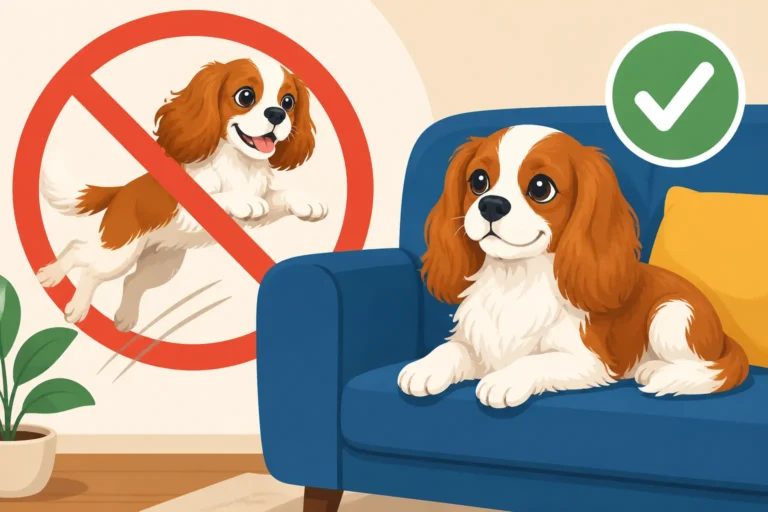
| Attempting to ride | Stress, fear, potential injury | High | Strict "no riding" rule, block access |
| Offering food | Begging, resource guarding | Medium | No human food for dog, strict mealtime rules |
| Invading dog's space | Retreating, stiffness, growl (rare) | Medium-High | Provide safe haven for dog, boundaries |
Strategies for Successful Coexistence and Safety
Creating a harmonious home where both your Cavalier and your toddler can thrive requires proactive management and consistent training, not just hoping for the best. The goal is to teach both parties how to interact safely and respectfully.
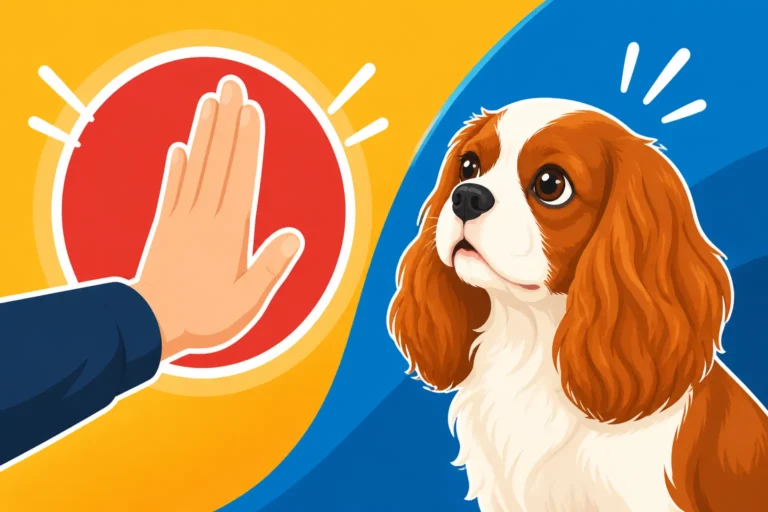
Firstly, never, ever leave a Cavalier and a toddler unsupervised, not even for a second. This is the golden rule. Accidents happen in a flash, and even the most patient dog has a breaking point, especially when startled or hurt. This constant vigilance might sound exhausting, and honestly, sometimes it is, but it's the single most important safety measure you can take. When you can't actively supervise, separate them. This isn't a punishment; it's a safety strategy.
Creating safe spaces for your Cavalier is paramount. This could be a crate, a dog bed in a room with a baby gate, or even a raised dog bed that the toddler cannot easily reach. This space should be the dog's sanctuary, a place where they can retreat and know they won't be bothered. Teach your toddler, from an early age, that this is the dog's special spot and they are not allowed to go there. You can even use a training program, like those offered by BAXTER & Bella, which often includes modules on polite introductions and teaching children how to interact respectfully with pets. When your Cavalier is in their safe spot, they should be left completely undisturbed. This helps build their confidence and prevents them from feeling trapped or overwhelmed. Building a Cavalier's Tolerance for Being Left can be a valuable read to help establish this independent downtime for your dog.
Teaching gentle interactions is also critical. Help your toddler learn "soft hands" by guiding their hand to gently stroke the dog's back or chest, rather than grabbing at ears or tails. Always demonstrate the correct way to pet. If your child is too young to understand, keep them physically separated unless you are actively holding and guiding the interaction. For your Cavalier, reward calm behavior around the toddler with praise and treats. Utilize positive reinforcement to show them that good things happen when the toddler is present and they remain relaxed. Reward-Based Training With a Cavalier offers excellent strategies for this approach. For walks, consider a well-fitting harness, like those suited to a Cavalier's neck, rather than a collar, as it gives you better control and reduces pressure if they pull away suddenly. You can find many suitable options on Amazon.
Recognizing Stress Signals and Knowing When to Intervene
Your Cavalier will almost certainly try to tell you they're uncomfortable before they resort to snapping or growling. It's crucial for us, as their guardians, to learn their subtle language and intervene before things escalate. Ignoring these early warning signs not only puts the child at risk but also damages the dog's trust and can teach them that they have to escalate their warnings to be understood.
Common stress signals in a Cavalier include:
- Lip licking: Not just after eating, but when no food is present. It’s a subtle sign of anxiety.
- Yawning: Again, not out of tiredness, but as a displacement behavior when stressed.
- Turning head or body away: Trying to disengage from the interaction without moving their feet.
- Averting gaze: Avoiding direct eye contact, which can be a sign they feel threatened or uncomfortable.
- Stiffening body: Their muscles tense, and they may appear frozen, waiting for the situation to resolve.
- Tail tucked: A classic sign of fear or insecurity.
- Whites of the eyes showing (whale eye): When you can see the white crescent of their eye, it often means they are uncomfortable or worried.
- Moving away: The most obvious signal. If your Cavalier tries to leave, let them! Don't force them to "tolerate" an interaction.
- Panting or trembling: Even if it's not hot, excessive panting or shivering can indicate stress.
If you observe any of these signals, even mild ones, it's time to create distance. Gently redirect your toddler, or physically remove your Cavalier to their safe space. This teaches your Cavalier that you are their advocate and that their subtle cues will be heard. Over time, this builds a stronger bond and reduces the likelihood of them feeling they need to escalate their warnings. A deeper understanding of canine communication, including what it means if Whether a Cavalier Would Ever Warn You, can equip you to be a better interpreter of your dog's feelings.
Remember, a Cavalier’s patience, while remarkable, is not limitless. Just because they don't immediately react doesn't mean they're enjoying the interaction. Sometimes, their inherent sweetness means they will simply endure discomfort rather than cause a fuss, but this endurance can lead to chronic stress or, in rare cases, a sudden, out-of-character reaction if they feel cornered or in pain. Prioritize their comfort and safety just as you would your child's. This might mean having designated "dog-free" times when your toddler is awake and active, or simply giving your Cavalier extra attention and quiet time when the toddler is napping. Introducing a Cavalier puppy gently into the family and ensuring Socializing a Cavalier Puppy Gently from the start can also lay a strong foundation for their relationship with children.
Ultimately, Cavaliers can be wonderful family dogs and truly tolerate toddlers when given the right support system. It requires diligence, boundaries, and a deep understanding of both your dog's needs and your child's developmental stage. With careful management and proactive training, you can foster a loving and safe relationship between your furry friend and your little one. For more insights into how Cavaliers integrate into family life, consider reading Cavaliers in Families With Young Children.
Disclaimer
This article is for general informational purposes only and does not constitute professional advice. Laws, prices and regulations vary by location and change over time. Consult a qualified professional for guidance on your specific situation.