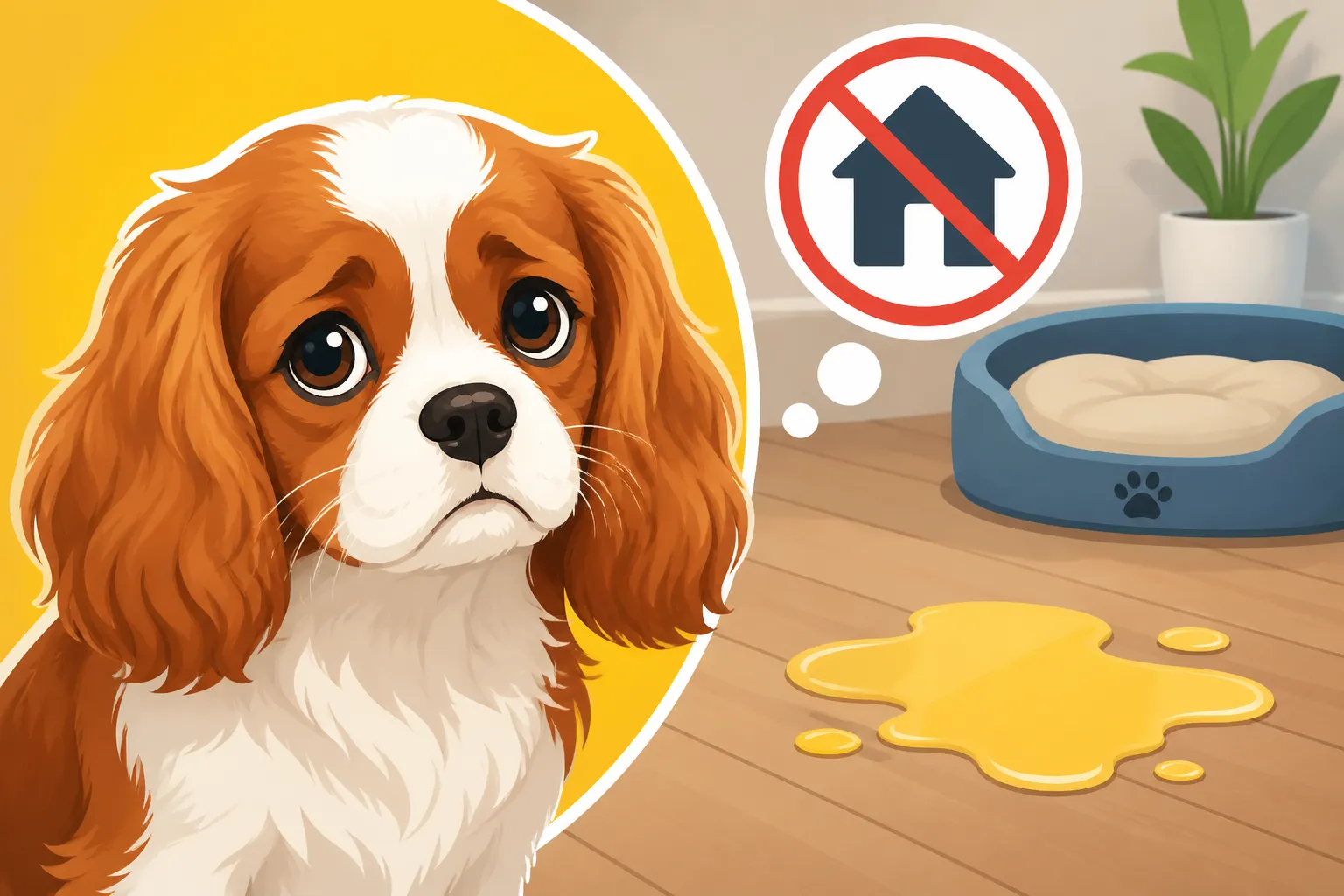
A Rescued Cavalier That Has Never Been Housetrained
Bringing a rescued Cavalier King Charles Spaniel into your home is an incredibly rewarding experience, but it can also present some unique challenges, especially if your new companion has never truly learned the basics of housetraining. It's heart-wrenching to discover that your sweet, loving Cavalier might not understand where to relieve themselves, leading to frustrating accidents and messes that leave you wondering if you're doing something wrong. This comprehensive guide will walk you through understanding why rescued Cavaliers might struggle with housetraining and provide actionable, empathetic strategies to help your beloved dog finally master the art of indoor etiquette.
Understanding the Roots of Housetraining Challenges in Rescued Cavaliers
When you welcome a rescued Cavalier into your life, you're not just adopting a dog; you're adopting their entire past. And often, that past includes environments or experiences that simply didn't set them up for success when it came to understanding where to do their business. It’s rarely about defiance or a lack of intelligence; it’s about a lack of proper foundational learning and, frequently, a good deal of stress.
Previous Environments and Lack of Structure
Many rescued Cavaliers come from situations where consistent housetraining was either impossible or simply not prioritized. Think about a dog who spent their early months or years in a puppy mill situation. In such an environment, dogs are often confined to small, unsanitary spaces where they have no choice but to relieve themselves where they eat and sleep. This tragically breaks down a dog's natural instinct to keep their den clean, teaching them that soiling their living space is normal. When these dogs enter a home, they don't have a concept of "inside" versus "outside" for potty needs because they've never been taught one.
Similarly, Cavaliers rescued from hoarding situations, strays who lived outdoors, or even those from overcrowded shelters might have never experienced the consistent routine and designated potty areas that house-trained dogs learn from puppyhood. They might have learned to go whenever and wherever the urge struck, without any consequence or guidance. This isn't their fault, of course, but it means you're starting from square one, teaching them concepts that should have been ingrained much earlier in life. Their past is a huge factor in why they struggle, and recognizing this helps you approach the problem with patience and empathy rather than frustration.
Medical Considerations That Mimic Housetraining Issues
Before you even begin to assume a lack of training is the sole culprit, it's absolutely vital to rule out any underlying medical conditions. What looks like a housetraining problem can often be a symptom of a health issue. For instance, urinary tract infections (UTIs) are incredibly common and can cause frequent urination, accidents, and a sudden inability to hold it. These infections are uncomfortable and can make even a perfectly housetrained dog have accidents. Diabetes or kidney disease can also increase thirst and urination, making it difficult for a dog to maintain bladder control.
Even certain medications can have side effects that impact bladder control. Sometimes, a rescued Cavalier might be dealing with mild incontinence, which isn't a training issue at all, but a physiological one that might need veterinary intervention or management. Always, always start with a full veterinary check-up to ensure your Cavalier is physically healthy. Explain all the housetraining struggles to your vet, even if they seem minor. This proactive step can save you a lot of heartache and ensure your dog isn't suffering in silence. Whether a Cavalier Needs Bloodwork Before Anesthesia is a related concern, as health checks are crucial for any dog with an uncertain history.
Stress and Adjustment Period
Rescued Cavaliers have often gone through significant trauma and upheaval before finding their forever home. The move to a new environment, even a loving one, is inherently stressful. They're trying to figure out a new routine, new people, new sounds, and new expectations. This high level of stress can absolutely manifest as housetraining regressions or an inability to learn new routines. Imagine being in an entirely new place where you don't understand the language or the rules; you'd likely feel overwhelmed and might not perform your best either.
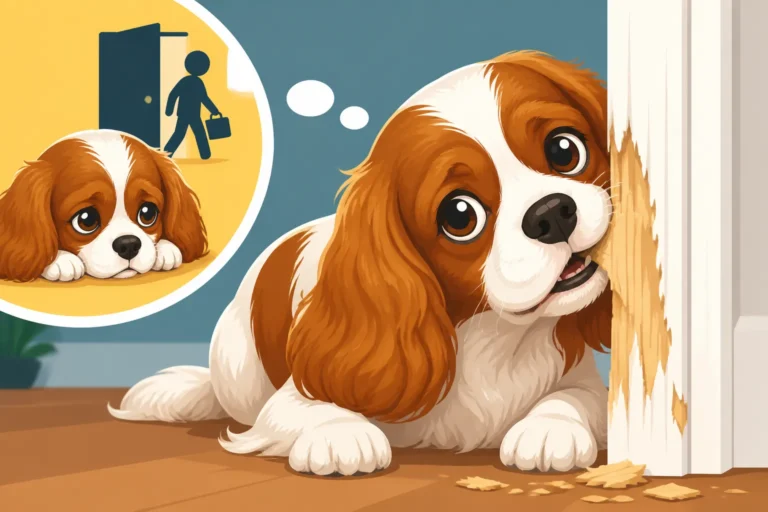
During this adjustment period, your Cavalier might be too anxious or overwhelmed to focus on learning where to go potty. They might be too afraid to ask to go outside, or they might simply not understand the cues you're giving them. Accidents might also be stress-induced or a form of submissive urination, particularly if they've been punished in the past. It’s crucial to give your Cavalier time to decompress and feel safe in their new surroundings before you can expect rapid progress with housetraining. Focus on building trust and making them feel secure first. The First Two Weeks With a Rescued Cavalier offers great insights into this critical period.
Establishing a Solid Housetraining Routine for Your Rescued Cavalier
Once you've ruled out medical issues and given your Cavalier a period to settle in, the real work of establishing a consistent and positive housetraining routine begins. This isn't a quick fix; it's a marathon, not a sprint, built on predictability, patience, and positive reinforcement. Remember, you're essentially rewiring their understanding of where and when to eliminate.
Setting Up the Housetraining Zone
The first step is to manage their environment to prevent accidents and make success inevitable. This means creating a designated "safe zone" for your Cavalier when you can't actively supervise them. A dog crate, appropriately sized so they can stand up, turn around, and lie down comfortably but not large enough to use one end as a potty area, is an invaluable tool here. The crate taps into their natural instinct not to soil their sleeping space. You can find a variety of sturdy, comfortable crates on platforms like Amazon, from wire models to more den-like plastic carriers.
Beyond the crate, consider confining them to a small, easily cleanable area of your home, like a kitchen with tile floors, using baby gates. This limits their roaming and reduces the chances of them having an accident unnoticed in a carpeted area. Equip this area with a comfortable bed, water, and appropriate chew toys. The goal is to set them up for success by reducing opportunities for accidents indoors. This management strategy is temporary, but it’s crucial for building good habits without constant supervision.
Consistent Potty Breaks and Rewards
Consistency is the absolute bedrock of successful housetraining for any dog, especially a rescued Cavalier. You need to establish a very predictable schedule for potty breaks, taking them out frequently throughout the day, whether they seem to need to go or not. This means first thing in the morning, last thing at night, after every meal or drink, after waking from a nap, and after any play session or excitement. For an adult Cavalier, a general starting point might be every 2-3 hours, but some might need to go more often initially.
When you take your Cavalier outside, go to the same designated potty spot every single time. This helps them associate that specific area with elimination. Use a consistent phrase like "Go potty" or "Do your business." When they do go, praise them lavishly and immediately offer a high-value treat. The timing of this reward is critical – it needs to happen within seconds of them finishing their business so they make the connection. Don't wait until you're back inside. This positive reinforcement makes going outside a highly rewarding experience. If they don't go, bring them back inside and try again in 15-20 minutes. Reward-Based Training With a Cavalier outlines these principles perfectly.
Crate Training as a Tool
Crate training is one of the most effective housetraining tools, especially for a rescued Cavalier who might not have had this foundational experience. As mentioned, it leverages their natural instinct to keep their sleeping area clean. The crate becomes their safe, comfortable den, not a punishment zone. Introduce the crate gradually, making it a positive place with soft bedding, favorite toys, and delicious treats. Never force them into it. Many online resources, including comprehensive programs from places like BAXTER & Bella, can guide you through positive crate training steps.
When your Cavalier is in their crate, they're less likely to have an accident because they don't want to soil their bed. This teaches them to hold their bladder and bowels until they are let out. The moment you let them out of the crate, immediately take them outside to their designated potty spot. This creates a powerful association: leaving the crate means going outside to potty. Over time, they learn to generalize this to other times they need to eliminate. Remember, a crate should never be used for excessively long periods – a young puppy or a dog just learning might only manage a few hours.
Addressing Common Housetraining Hurdles and Setbacks
Even with the best routine, you’re likely to encounter bumps in the road. Housetraining a rescued Cavalier, especially one with a difficult past, isn't always linear. There will be accidents, frustrations, and moments when you feel like you're going backward. The key is to address these hurdles constructively and without anger.
Dealing with Accidents Indoors
Accidents will happen. It's an inevitable part of the process, especially with a dog that has never been housetrained. The most important rule is: never punish your Cavalier for an accident. They don't understand punishment in the context of housetraining; they will only learn to fear you or to hide their accidents, making the problem worse. If you catch them in the act, calmly interrupt them with a soft clap or a "no" and immediately rush them outside to their potty spot. Even if they don't finish outside, praise them for being out there.
For any indoor accident, cleaning is crucial. You must use an enzymatic cleaner specifically designed to break down pet odors. Regular household cleaners might seem to remove the smell for you, but a dog's sensitive nose will still detect residual odor, which acts as an invitation for them to go in that spot again. You can easily find highly effective enzymatic cleaners on Amazon. Thoroughly soaking the area and letting the cleaner do its work is vital to eliminate the scent entirely. Cavalier Puppy Pads and When to Stop is a helpful resource if you're considering using pads as an interim step for accident management.
Regression and When to Worry
It's common for dogs, particularly those adjusting to a new home, to have periods of regression. You might have several accident-free days, feeling like you've turned a corner, only for a string of accidents to occur. This is often a sign of increased stress, a change in routine, or perhaps you've given them too much freedom too soon. Go back to basics: increase supervision, shorten the time between potty breaks, and reinforce positive behaviors. Don't despair; it's a normal part of the learning curve.
However, if regression is sudden, severe, or accompanied by other symptoms like increased thirst, lethargy, changes in appetite, or difficulty holding urine, it's time to contact your vet again. This could indicate a new medical issue, like a UTI, or an exacerbation of an existing condition. Sometimes, changes in their environment, such as a new pet or a shift in the household schedule, can trigger anxiety and lead to accidents. A Cavalier Marking Indoors After a Move also touches upon how environmental changes impact housetraining.
Managing Marking Behavior
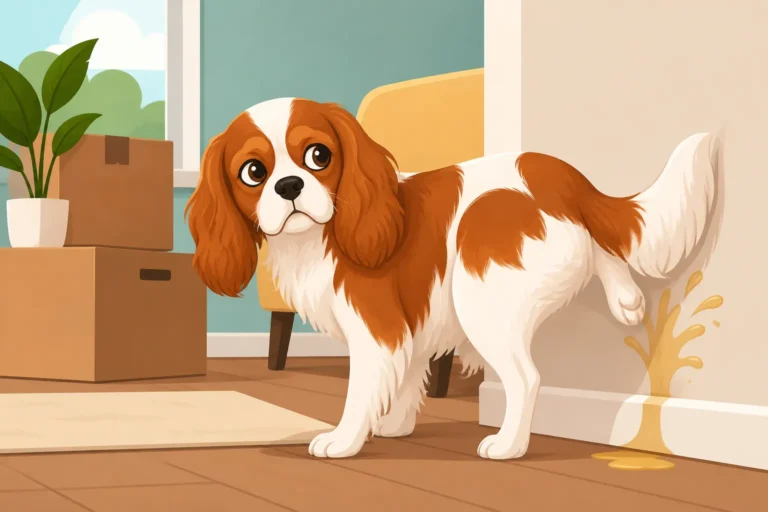
Male Cavaliers, especially those who haven't been neutered, might engage in marking behavior. This is different from a general housetraining accident; it's often a small amount of urine used to scent-mark territory. Females can also mark, particularly when they are in heat or in multi-dog households. Marking can be a significant challenge to housetraining, as it's often driven by instinct and hormones.
The first step, if your male Cavalier isn't neutered, is to discuss this with your vet. Neutering can often reduce, though not always eliminate, marking behavior. In the meantime, strict supervision is paramount. If your Cavalier is prone to marking, consider using a belly band for males or a doggie diaper for females when indoors. These can be purchased easily from Amazon and act as a deterrent while you work on training. When you catch them about to mark, interrupt them and take them outside, following the same positive reinforcement for outdoor success. Environmental management, like removing items they frequently mark and using enzymatic cleaners, is also essential.
Here’s a quick overview of common housetraining tools and their uses:
| Tool | Purpose | Key Benefit | Considerations |
|---|---|---|---|
| Dog Crate | Confine when unsupervised, create safe den. | Taps into natural den instinct, prevents accidents. | Must be correctly sized, not used for punishment. |
| Enzymatic Cleaner | Eliminates pet odor and stains from accidents. | Prevents re-soiling the same spot. | Must be left to soak and dry completely. |
| Potty Pads | Designated indoor potty spot for emergencies or specific training. | Useful for puppies or limited outdoor access. | Can confuse outdoor training, shouldn't be long-term. |
| Belly Band/Diaper | Prevents marking/accidents indoors, acts as a temporary deterrent. | Protects furniture/floors, manages marking. | Not a substitute for training, needs frequent changing. |
| Baby Gates | Restricts access to certain areas, creates supervised zones. | Simplifies supervision, prevents hidden accidents. | Easy to install, but check heights for jumpers. |
| High-Value Treats | Rewards for successful outdoor elimination. | Strong motivator, strengthens positive association. | Keep them small, readily available, and extra tasty. |
Patience, Consistency, and Celebrating Progress
Housetraining a rescued Cavalier who has never been housetrained is a profound act of love and commitment. It demands boundless patience, unwavering consistency, and a willingness to celebrate every tiny step forward. There's no magic bullet, only dedication.
The Emotional Journey for Both of You
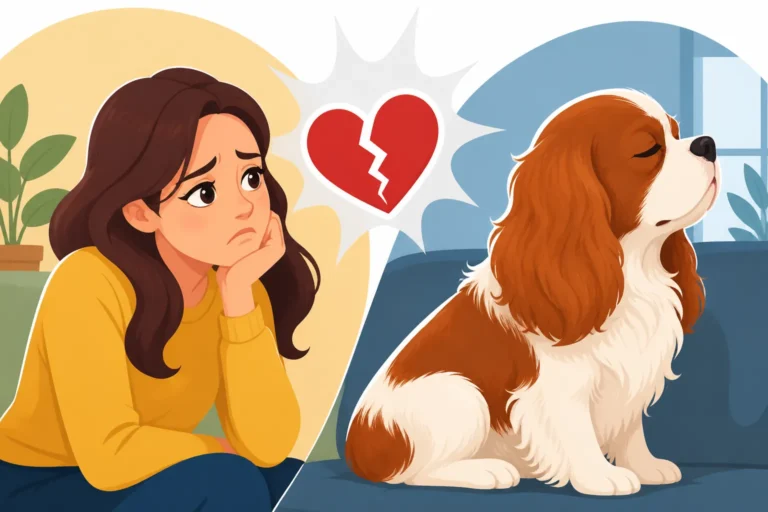
Let’s be honest, it’s frustrating when your house smells, or you step in a puddle, especially after putting in so much effort. It’s okay to feel that frustration, but it’s crucial not to direct it at your Cavalier. They are doing their best to understand a new world and overcome past challenges. Remember, for a rescued dog, especially one with an unknown history, fear and anxiety can be powerful roadblocks. Your emotions directly impact their ability to learn and feel secure.
Focus on creating a positive, predictable environment. Each successful potty break outside is a win for both of you. Each accident is just data, telling you that your management or training needs a slight adjustment. This journey is as much about building a strong bond of trust and understanding with your Cavalier as it is about teaching them where to go potty. Your calm and steady presence is their anchor. Building Confidence in a Cavalier From a Breeding Kennel speaks volumes to the emotional resilience required from both dog and owner.
Celebrating Small Victories
When you're dealing with a significant housetraining challenge, it's easy to get caught up in the big picture and feel overwhelmed by the distance still to go. Instead, shift your focus to the small victories. Did your Cavalier hold it for an extra 30 minutes? Celebrate! Did they wake you up with a whimper instead of having an accident in their crate? Huge win, celebrate! Did they go potty immediately after you took them out? Throw a party (or at least give them three treats and enthusiastic praise!).
Each of these small successes builds confidence in your dog and, importantly, in you. It reinforces that the training is working, even if it’s slowly. Keep a journal of potty successes and accidents; it can be incredibly motivating to see the trend improving over time, even with a few setbacks. It also helps identify patterns. Maybe accidents happen more often at a certain time of day, or after a specific activity. This tracking allows you to fine-tune your routine for even greater success.
When to Seek Professional Help
If you've been consistent, ruled out medical issues, and are still struggling after several weeks or months, don't hesitate to seek professional help. This isn't a sign of failure; it's a smart decision. A certified professional dog trainer or a veterinary behaviorist has experience with these specific challenges and can offer personalized strategies tailored to your Cavalier's unique situation. They can observe your dog's behavior, assess your routine, and identify subtle cues or environmental factors you might be missing.
Sometimes, a fresh pair of expert eyes can make all the difference. They can help you refine your techniques, manage complex marking behaviors, or address underlying anxiety that might be sabotaging your efforts. For Cavaliers with severe anxiety or very deeply ingrained habits, medication might be considered as part of a comprehensive behavior modification plan, under the guidance of a veterinary behaviorist. Remember, you're not alone in this journey. There are professionals who can help you and your beloved Cavalier achieve housetraining success. Training a Cavalier With Praise Rather Than Pressure will resonate with the philosophy these professionals often employ.
Disclaimer
This article is for general informational purposes only and does not constitute professional advice. Laws, prices and regulations vary by location and change over time. Consult a qualified professional for guidance on your specific situation.