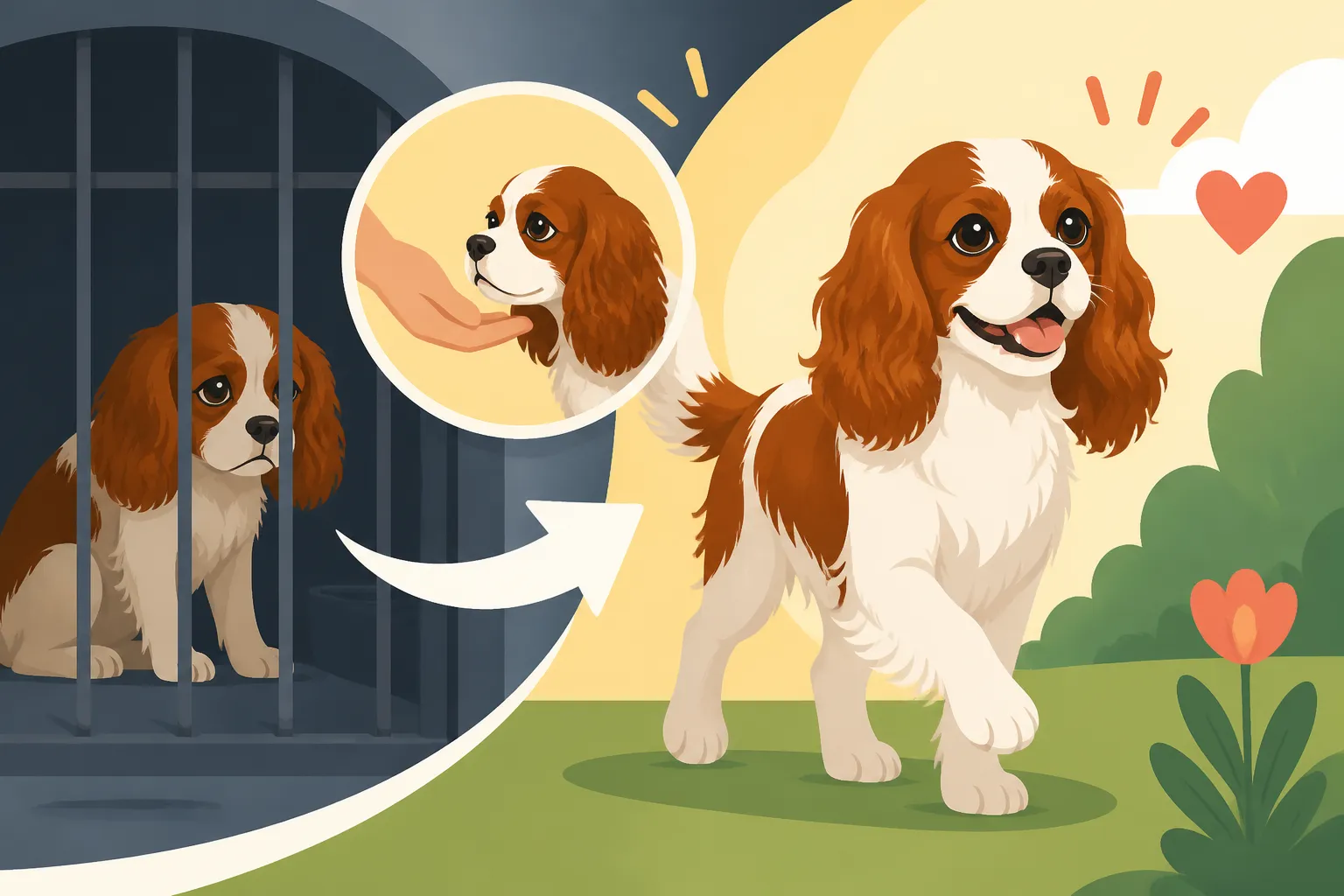
Building Confidence in a Cavalier From a Breeding Kennel
Bringing a Cavalier King Charles Spaniel home from a breeding kennel can be an exciting time, but sometimes these precious pups arrive with a noticeable lack of confidence. They might be shy, easily startled, or hesitant to engage with new experiences. This guide is here to walk you through understanding why this happens and, more importantly, provide practical, empathetic strategies to help your new Cavalier blossom into a secure, happy, and well-adjusted member of your family.
Understanding the Kennel Environment's Impact on Confidence
It's easy to imagine a kennel as a place where puppies run free and get constant attention, but the reality is often quite different, even in the best-run establishments. While reputable breeders strive for health and early socialization, a kennel environment simply cannot replicate the diverse, rich experiences of a busy household. This difference often manifests as a lack of confidence in a new home.
Limited Socialization and Novelty Exposure
In a typical breeding kennel, puppies might be raised with their littermates and dam, interacting primarily with the breeder and perhaps a few staff members. While this provides essential early social interaction with their own kind, it often means limited exposure to the sheer variety of sights, sounds, smells, and textures that define human daily life. Think about it: a kennel might have specific routines, quiet hours, and a relatively uniform environment. The world outside that kennel, however, is a cacophony of doorbells ringing, vacuums roaring, children laughing, traffic passing, and a multitude of different floor surfaces and human voices.
When a puppy suddenly transitions from this controlled environment to a new home, they haven't had the chance to slowly and positively habituate to these everyday stimuli. They might not have heard a television, walked on hardwood floors, seen a mail carrier, or been gently handled by different people. This lack of early, positive exposure to novelties can make them cautious, fearful, or even shut down when confronted with them, as they perceive these new experiences as threats rather than just parts of life. Their world has been small, and suddenly it's vast and unpredictable, which can be incredibly overwhelming for a sensitive little Cavalier.
The Transition Shock
Leaving their dam, littermates, and the familiar smells and routines of the kennel is a huge upheaval for any puppy. For a Cavalier who has had limited exposure to the outside world, this transition can be particularly shocking. They are suddenly thrust into a completely new place with new people, new smells, and a vastly different schedule. It's akin to a human moving to a foreign country where they don't speak the language and every custom is alien. This sensory overload and emotional disruption can cause puppies to feel insecure and withdraw.
You might notice your new Cavalier is very quiet, hides under furniture, doesn't eat well, or is reluctant to explore. They might cling to you, or conversely, try to avoid all contact. This isn't naughtiness; it's a legitimate response to feeling overwhelmed and unsafe. Their entire support system of siblings and a familiar environment has been removed, and they are left trying to make sense of a strange new world. Understanding that this initial timidity is a natural reaction to transition shock, rather than a reflection of their true personality, is the first step in helping them build the confidence they need to thrive.
The First Days Home: Creating a Safe Haven
When your Cavalier first arrives from a breeding kennel, their world has just been turned upside down. The most crucial thing you can do during these initial days is to provide a sense of security, predictability, and calm. This foundation is paramount for building their trust and helping them feel safe enough to begin exploring their new life.
A Quiet, Predictable Start
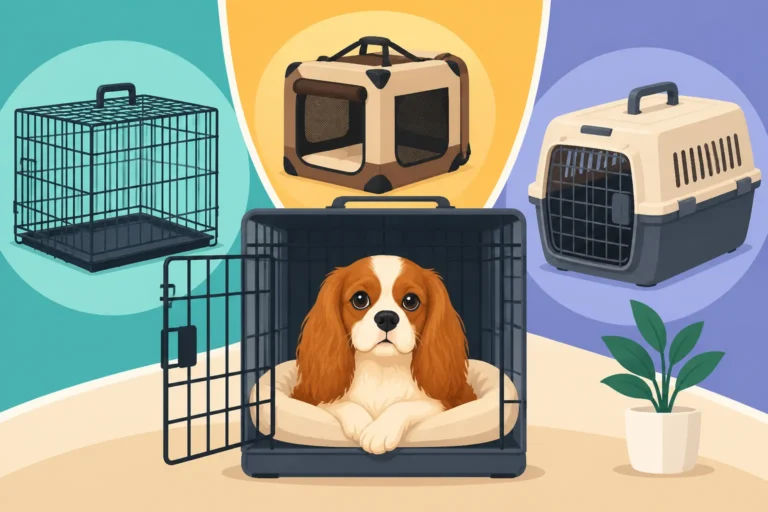
Resist the urge to throw a party or invite all your friends over the moment your new puppy or adult Cavalier walks through the door. A quiet, low-key environment is essential. Designate a specific "safe space" for them—a cozy crate with a soft bed, a small pen in a quiet corner of the room, or a comfortable dog bed tucked away from high-traffic areas. This space should be their sanctuary, a place where they can retreat and feel unbothered. You might consider placing a calming pheromone diffuser near this area, which you can easily find on Amazon, to help reduce anxiety during these initial days.
Establish a predictable routine from day one. Knowing when they will eat, go out to potty, and have quiet time helps them understand what to expect and reduces uncertainty. Keep interactions brief, gentle, and positive. Avoid loud noises, sudden movements, or forcing interaction. Let them come to you, even if it means sitting patiently on the floor while they slowly approach. Use a soft, reassuring voice. This predictability and quiet allows their nervous system to settle, giving them the mental space to start observing and processing their new surroundings without feeling constantly on edge.
Gentle Introduction to Family and Routine
Once your Cavalier has had a few days to decompress in their safe space, you can begin very gentle introductions to family members. This means one person at a time, sitting calmly on the floor, allowing the Cavalier to approach at their own pace. Avoid picking them up or overwhelming them with too much attention. Offer a high-value treat when they choose to come near or sniff your hand. The goal is to create positive associations with each family member.
Integrate them slowly into your daily routine. If you have children, teach them how to interact calmly and respectfully with the new dog, emphasizing gentle touches and quiet voices. For the first week or two, focus on the essentials: feeding, potty breaks, and short, positive interactions. Don't worry about long walks or extensive training yet. Simply existing peacefully in your home, learning that you are a source of comfort and security, is the most important lesson right now. As they begin to settle, you'll see small signs of confidence emerging, like a Cavalier that comes back slowly after a potty break, or starting to follow you from room to room.
Gradual Exposure and Positive Reinforcement
Once your Cavalier has settled into their new home and shows initial signs of comfort, it's time to gently expand their world. This isn't about throwing them into the deep end, but rather about controlled, positive exposures that build confidence step-by-step. Remember, the goal is to create positive associations with new experiences, showing them the world isn't so scary after all.
Controlled Introduction to New Experiences
Start small. Think about the common household sounds and objects that might be unfamiliar to a kennel-raised dog. The vacuum cleaner, the dishwasher, the washing machine, the doorbell, even the television. Introduce these sounds at a low volume or from a distance, while simultaneously providing high-value treats or engaging in a fun play session. For instance, when you turn on the dishwasher, toss a few tiny pieces of cooked chicken your Cavalier's way. The noise becomes a signal that good things are coming. You can find excellent training treats on Amazon that are small, soft, and perfect for these kinds of exercises.
Next, consider different textures and surfaces. If your Cavalier is hesitant on hardwood or tile floors, place a trail of treats, one by one, encouraging them to take a few steps. Celebrate every brave step with praise and a reward. Short, quiet car rides can also be introduced gradually. First, just get them comfortably into the car, give a treat, and bring them back inside. Then, start the engine for a moment, treat, and return. Build up to short trips around the block, always ending on a positive note. This slow, desensitization process, paired with positive reinforcement, helps your Cavalier learn that new things aren't threats.
Building Trust Through Play and Training
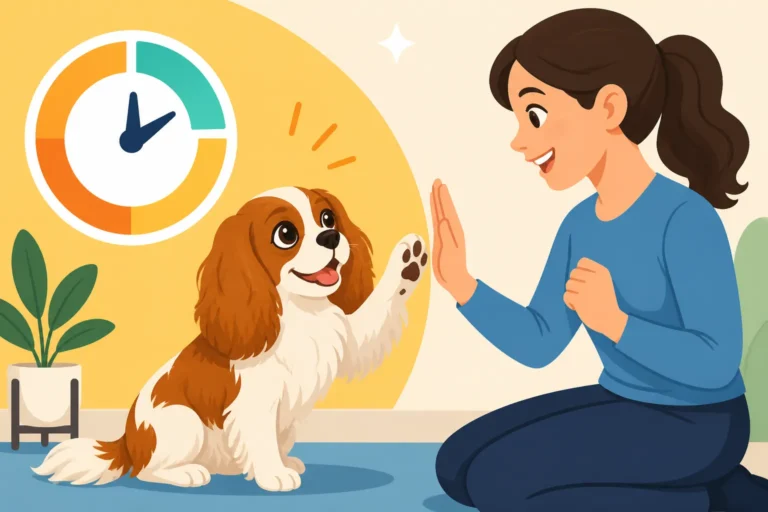
Play is a powerful tool for building confidence and strengthening the bond between you and your Cavalier. Engage in gentle tug-of-war with a soft toy, or toss soft balls for them to chase. Keep play sessions short and fun, always allowing them to "win" tug-of-war to build their self-esteem. When it comes to training, remember that Training a Cavalier With Praise Rather Than Pressure is key. Start with simple commands like "sit" or "stay" in a quiet room, using clear, kind words and rewarding them lavishly for success.
Positive reinforcement training, where desired behaviors are rewarded with treats, praise, or toys, is particularly effective for shy or timid dogs. It teaches them that interacting with you and trying new things is a rewarding experience. Online training programs, like those offered by BAXTER & Bella, can provide structured lessons and support for building these foundational skills, which in turn boosts a Cavalier's confidence. The more they succeed, the more willing they'll be to try new things. Short, frequent sessions (5-10 minutes) are much more effective than long, drawn-out ones for a sensitive Cavalier.
Socialization with Known, Calm Individuals
Once your Cavalier is comfortable with your immediate family, begin to gently introduce them to a select few, calm, dog-savvy friends or relatives. This is not about overwhelming them with a crowd, but about teaching them that other humans can also be safe and pleasant. Ask visitors to ignore your Cavalier at first, letting the dog approach them. Have treats ready for visitors to offer gently, without direct eye contact or sudden movements. This allows the Cavalier to set the pace of interaction.
Similarly, if you have a very calm, well-socialized adult dog, carefully supervised interactions can be beneficial. Avoid dog parks or busy public places during these early stages. Instead, arrange a quiet, controlled "meet-and-greet" with a known calm dog in a neutral space. The goal is to show your Cavalier that the world is full of friendly beings, not just scary ones. This careful, gradual approach to Socializing a Cavalier Puppy Gently builds positive associations, fostering genuine confidence.
Addressing Specific Fears and Building Skills
It's common for Cavaliers from breeding kennels to have specific sensitivities due to their limited early experiences. Addressing these fears with patience and consistent positive reinforcement is crucial for their long-term well-being and confidence.
Overcoming Common Sensitivities
Many kennel-raised Cavaliers can be sensitive to handling, loud noises, or the feel of a leash and harness. If your Cavalier yelps when touched on the neck or seems uncomfortable when you try to examine their ears, it's not necessarily aggression; it's often a fear response. Start by incorporating very gentle Handling Exercises for a Cavalier Puppy into your daily routine. Touch their paws, ears, and tail for just a second, immediately followed by a high-value treat and verbal praise. Build up the duration and intensity slowly. The goal is to reframe handling as a positive experience, not something to be endured.
For noise phobias, continue the desensitization started earlier. If the vacuum cleaner still sends them under the sofa, begin with the vacuum in another room, playing soft music in your Cavalier's immediate vicinity, and offering treats. Gradually, over days or weeks, bring the vacuum closer, always associating its presence with something positive. When it comes to leash training, simply putting on the harness (perhaps one found on Amazon designed for comfort) and giving treats, then taking it off, can be the first step. Slowly build up to walking a few steps indoors, then outdoors in a quiet area. You'll want to avoid pulling or correcting them harshly, as this will only exacerbate their fear of the leash and the outside world.
Harnessing Positive Reinforcement for Independence
Sometimes, a kennel-raised Cavalier can become overly clingy, following you Why a Cavalier Follows You Room to Room or showing signs of anxiety when you leave their sight. While their affectionate nature is endearing, building a healthy sense of independence is important for their confidence. Use positive reinforcement to reward moments of self-reliance. If your Cavalier is resting calmly on their bed while you move to another room, quietly go over and offer a treat.
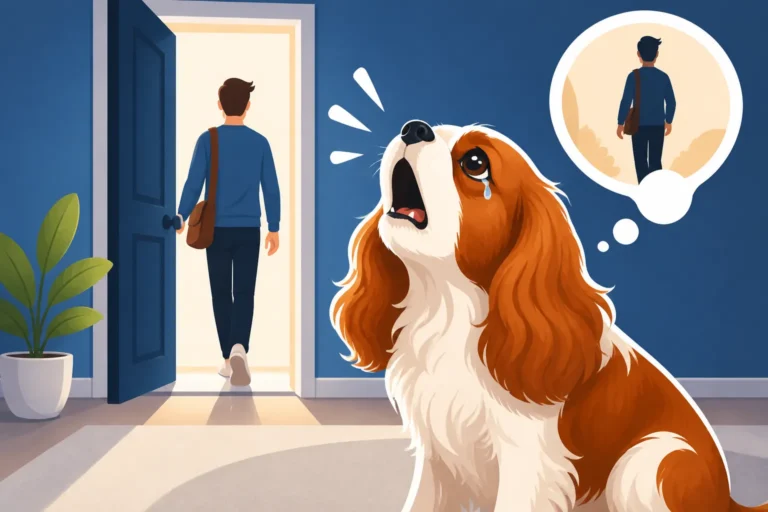
Practice short periods of separation, starting with just a few seconds. For example, walk out of the room, close the door, wait literally three seconds, then come back in and calmly reward them if they were quiet. This is about Building From Thirty Seconds With a Cavalier and gradually extending the time. Avoid making a big fuss when you leave or return. The aim is to teach them that your departures are normal, not scary, and that you always come back. This fosters a sense of security even when you're not right by their side.
When to Seek Professional Guidance
While many Cavaliers will gain confidence with consistent, patient effort, some may have deeper fears or anxieties that require more specialized help. If your Cavalier exhibits extreme fear, aggression, constant shaking, destructive behavior when left alone, or if you feel you're not making progress, it's absolutely okay—and recommended—to seek professional guidance. A certified professional dog trainer or a veterinary behaviorist can assess your Cavalier's specific needs and develop a tailored plan. They can help you understand subtle canine body language and provide advanced techniques to address challenging behaviors or fears, such as A Timid Cavalier That Hides From Visitors or chronic nervousness. Early intervention can make a significant difference in helping your Cavalier live a confident, happy life.
It’s important to understand that patience is key. Building confidence doesn’t happen overnight, but with consistent love, understanding, and the right approach, your Cavalier will undoubtedly flourish.
Here's a quick overview of how common kennel-related behaviors can be reframed into confident ones:
| Kennel-Raised Behavior | Description | Desired Confident Behavior | Strategies for Building Confidence |
|---|---|---|---|
| Shy/Withdrawn | Hides, avoids eye contact, reluctant to approach. | Approaches confidently, seeks interaction. | Create a quiet safe space, allow them to initiate contact, reward small approaches, gentle Socializing a Cavalier Puppy Gently. |
| Startled by Sounds/Movement | Jumps, runs, barks at everyday noises (e.g., vacuum, doorbell). | Tolerates household noises calmly. | Gradual desensitization with positive reinforcement, pair scary sounds with treats/play, e.g., using products from Amazon. |
| Reluctance to Explore | Stays in one spot, hesitant on new surfaces or in new rooms. | Actively explores surroundings. | Lure with treats on new surfaces, reward curiosity, make exploration a game. |
| Clingy/Anxious when Alone | Follows constantly, cries when you leave the room. | Comfortable resting alone for short periods. | Practice short, calm departures and returns, reward independent relaxation, Building From Thirty Seconds With a Cavalier. |
| Fearful of Handling/Grooming | Pulls away, growls, or freezes during petting, brushing, or ear checks. | Accepts handling and grooming calmly. | Very short, positive Handling Exercises for a Cavalier Puppy with high-value treats, praise for calm acceptance. |
| Hesitant on Leash/Outdoors | Resists harness/leash, freezes on walks, tries to turn back. | Enjoys walks, explores confidently on leash. | Introduce harness/leash with treats indoors, very short walks in quiet areas, reward forward movement. |
| Lack of Play/Engagement | Doesn't know how to play with toys or engage in games. | Engages in play, initiates interaction. | Offer a variety of soft toys, engage in gentle tug or chase, use praise and treats to reward playful behavior, explore BAXTER & Bella training modules. |
Remember, every Cavalier is an individual, and the journey to building confidence will vary. But with your unwavering patience, understanding, and consistent positive methods, your kennel-raised Cavalier will undoubtedly learn to trust, explore, and thrive in their new life.
Disclaimer
This article is for general informational purposes only and does not constitute professional advice. Laws, prices and regulations vary by location and change over time. Consult a qualified professional for guidance on your specific situation.