Where a Cavalier Coat Mats First
That glorious, flowing coat of a Cavalier King Charles Spaniel is truly a sight to behold, isn't it? It's part of what draws us to these sweet, regal little dogs. But let's be honest, that beautiful long feathering can quickly become a tangled, matted mess if we're not vigilant, leading to discomfort for our pups and frustration for us. This guide will walk you through the most notorious spots where matting loves to hide on your Cavalier, helping you proactively prevent those pesky knots and keep your beloved companion comfortable and looking their best.
Why Cavalier Coats Are So Prone to Matting
Cavalier King Charles Spaniels possess a single coat, meaning they lack the dense undercoat found in many double-coated breeds. While this often means less shedding for you, it also means their long, silky outer coat is particularly susceptible to tangles and mats. The texture itself is fine and soft, which feels wonderful to pet but can knot up with surprising speed, sometimes seemingly overnight. It's a double-edged sword: beautiful to look at, but a commitment to maintain.
One of the biggest contributors to matting is simply the length and fineness of their hair. Unlike coarser coats that might brush past each other without snagging, a Cavalier's silky strands are like magnets for each other, especially when friction, moisture, or dirt enters the equation. Imagine trying to untangle a fine silk scarf that's been knotted; it's a similar challenge, but on a lively, squirming dog who might not appreciate your efforts! This delicate texture requires a gentler, more consistent approach to grooming than many other breeds.
Beyond the inherent qualities of their coat, Cavaliers are also active little dogs who love to explore, cuddle, and play. All this delightful activity puts their coat in direct contact with various mat-forming elements. Rolling in the grass, romping through bushes, getting wet from rain or a bath, even just rubbing against furniture or their dog bed can all contribute to creating knots. If you have a Cavalier who loves to be outside, or perhaps one who enjoys burrowing into blankets, you're going to see these mats forming faster than with a more sedentary dog. It's a constant battle between their active lives and their delicate locks.
The Infamous Ear Feathering
If there's one area that strikes fear into the heart of a Cavalier owner when it comes to grooming, it's those magnificent, floppy ears. The long, luxurious feathering on a Cavalier's ears is iconic, but it's also a prime target for matting. These areas are constantly in motion, whether your dog is shaking their head, eating from a bowl, or simply exploring the world with their nose to the ground.
Behind the Ears: The Silent Snarls
The fur directly behind a Cavalier's ears is notoriously fine and prone to knotting, often without you even realizing it until a small knot becomes a formidable mat. This area experiences a lot of friction as the ear leather itself rubs against the fur on the neck and shoulder. Every time your Cavalier scratches an itch with a back paw, or shakes their head after a drink, they're inadvertently tightening those tiny tangles. These mats can be quite painful because they pull on the delicate skin when they tighten, making your Cavalier understandably resistant to future brushing.
Moreover, if your Cavalier wears a collar that rides high on their neck, or if they have a tendency to scratch at their ears due to allergies or discomfort, this area becomes even more susceptible. It's easy to miss these spots during a quick brush-through, as the ear leather often covers them. You really need to lift the ear flap and gently comb through this section specifically, being careful not to pull the sensitive skin. A good metal comb, rather than just a brush, is essential here to break up any tiny starting knots before they become a real problem.
Base of the Ear: Where Moisture Meets Movement
The area where the ear flap meets the head, particularly underneath, is another matting hotspot. This region often gets damp from drinking water, drooling after a tasty treat, or simply from trapped humidity if your Cavalier has been out in wet weather. Moisture, when combined with the natural oils of the skin and hair, creates a sticky environment that encourages tangles to form. Food can also get caked into this area if your Cavalier is a messy eater, especially if they enjoy wet food.
Beyond moisture, the base of the ear is a high-movement zone. Every head tilt, every shake, every joyful wiggle of the ear when they hear a favorite sound, contributes to the hair rubbing together and intertwining. These mats tend to be flat and wide, adhering closely to the skin, which makes them particularly challenging to remove without causing discomfort. Using a snood for your Cavalier during meal times can be a lifesaver, keeping those beautiful ears clean and dry, minimizing the accumulation of food and moisture. You can find a wide variety of these practical accessories on platforms like Amazon or Chewy.
Ear Tips and Fringe: Fragile and Tangly
The very tips and the long fringe of a Cavalier's ear feathering are arguably the most delicate and easily damaged parts of their coat. These long strands are exposed to everything – dragging on the ground during walks, dipping into food and water bowls, and getting snagged on anything and everything. Because the hair here is so fine and lengthy, it tangles into wispy, almost cobweb-like knots that, if left unattended, quickly become solid mats.
These particular mats are also prone to breaking off the hair if not handled gently, which can ruin the lovely long look of the ear fringe. Imagine brushing through a fine silk thread that keeps snagging; that's the kind of care required. Regular, almost daily, detangling with a wide-toothed comb and perhaps a detangling spray is crucial to preserve this feature. When brushing, make sure you're supporting the hair closer to the skin with one hand while you comb with the other, to reduce pulling. Addressing these small tangles here early is much easier than tackling a fully formed mat later on, which might even require a trip to a professional groomer to carefully shave out.
Underneath and In-Between: Armpits and Groin
It's not just the ears that demand our attention; the hidden areas of a Cavalier's body are equally prone to developing dense, painful mats. These are often forgotten spots, or areas that our Cavaliers aren't too keen on us fussing with, but ignoring them is a recipe for disaster. The skin in these regions is thin and sensitive, making matting here particularly uncomfortable and even debilitating if it pulls tightly.
Armpits: The Friction Factory
The armpit area (also known as the "axilla") is a notorious matting hotbed for Cavaliers. This is a zone of constant friction as your dog walks, runs, and plays. The front legs are constantly moving against the body, causing the fine hair in the armpits to rub and knot together. Furthermore, many Cavaliers love to sleep curled up, which presses their legs against their body, adding to the friction and creating prime conditions for mats to form and tighten overnight. These mats often start small and grow rapidly, becoming tightly bound to the skin.
Because this area is tucked away, it's easy to overlook during a general grooming session. However, it's incredibly important to check here regularly. When mats form tightly in the armpits, they can restrict your Cavalier's movement, making them reluctant to walk or play. They can even cause skin irritation, redness, and sores underneath the mat due to lack of air circulation and constant pulling. Gently lift each front leg and carefully comb through the fur in the armpit, feeling for any small lumps or tangles. If you find a beginning mat, a good detangling spray and patience are your best friends. Mats in a Cavalier's Armpits and Groin is an excellent resource for deeper dives into this specific challenge.
Groin Area: The Unseen Knots
Similar to the armpits, the groin area and the inside of the hind legs are high-friction zones that are also highly susceptible to matting. This hair is often finer and softer than other parts of the body, making it prone to tangling. When your Cavalier sits, walks, or lies down, the hair here rubs against itself and the ground, creating knots. For male Cavaliers, this area might also get damp from urination, further accelerating mat formation.
Mats in the groin can be particularly troublesome because they are often close to sensitive skin and can quickly become caked with debris or even feces if left unaddressed. This creates not only a painful physical issue but also a hygiene problem. Regular checks are vital, especially after walks or bathroom breaks. It might be helpful to do a small sanitary trim in this area to keep the fur shorter and reduce the chances of deep matting, though this should be done with extreme caution or by a professional groomer due to the sensitive nature of the skin. This routine is part of A Sanitary Trim on a Cavalier and helps keep your pup comfortable.
The "Hidden" Spots: Collar and Harness Areas
While we often focus on the longer, more prominent feathering, some of the most stubborn and easily missed mats form in areas that are regularly covered or rubbed by everyday accessories. Our Cavaliers wear collars and harnesses for safety and comfort, but these necessary items can, unfortunately, be major culprits in creating coat problems.
Under the Collar: A Ring of Trouble
Many Cavaliers wear a collar constantly, which, while important for identification and leash attachment, creates constant friction on the fur underneath. This rubbing motion, especially if the collar is ill-fitting or made of a harsh material, quickly causes the fine Cavalier hair to knot into a tight, felt-like ring of mats around their neck. These mats are often flat and difficult to detect at first glance, but they can become incredibly painful as they tighten and pull on the skin.
It’s crucial to regularly remove your Cavalier’s collar and thoroughly brush and comb the fur underneath. Don't just give it a quick surface brush; really get down to the skin. If you find a mat starting, work it out gently. Consider switching to a softer, rolled leather collar or one made of a smooth fabric that reduces friction. Also, ensure the collar fits correctly – not too tight, which causes excessive rubbing, and not too loose, which allows it to shift and tangle the fur more. Leaving the collar off for periods when your dog is safely confined at home can also give their neck fur a much-needed break. Mats Under a Cavalier's Collar delves deeper into preventing these specific knots.
Harness Contact Points: Where Straps Create Snags
Harnesses are a fantastic tool for many Cavaliers, especially those with neck or tracheal sensitivities. However, the straps of a harness sit directly against the coat at specific pressure points, particularly across the chest, under the armpits, and along the back. Just like a collar, these contact points are zones of high friction, and they are prime real estate for mats to form. The constant rubbing and movement of the harness straps against the fine Cavalier fur can weave the hairs together into tight, difficult-to-remove knots.
If your Cavalier wears a harness frequently, it's absolutely vital to take it off daily and inspect the areas where the straps sit. Pay particular attention to the chest plate and the straps that go under the armpits, as these are often the tightest and most friction-prone spots. You might even notice slight indentations in the fur where the straps have been. Brushing these areas thoroughly and regularly will help prevent mats from setting in. Some owners opt for harnesses with wider, softer straps or even padded designs to minimize friction, but even with the best harness, regular grooming of these areas is non-negotiable.
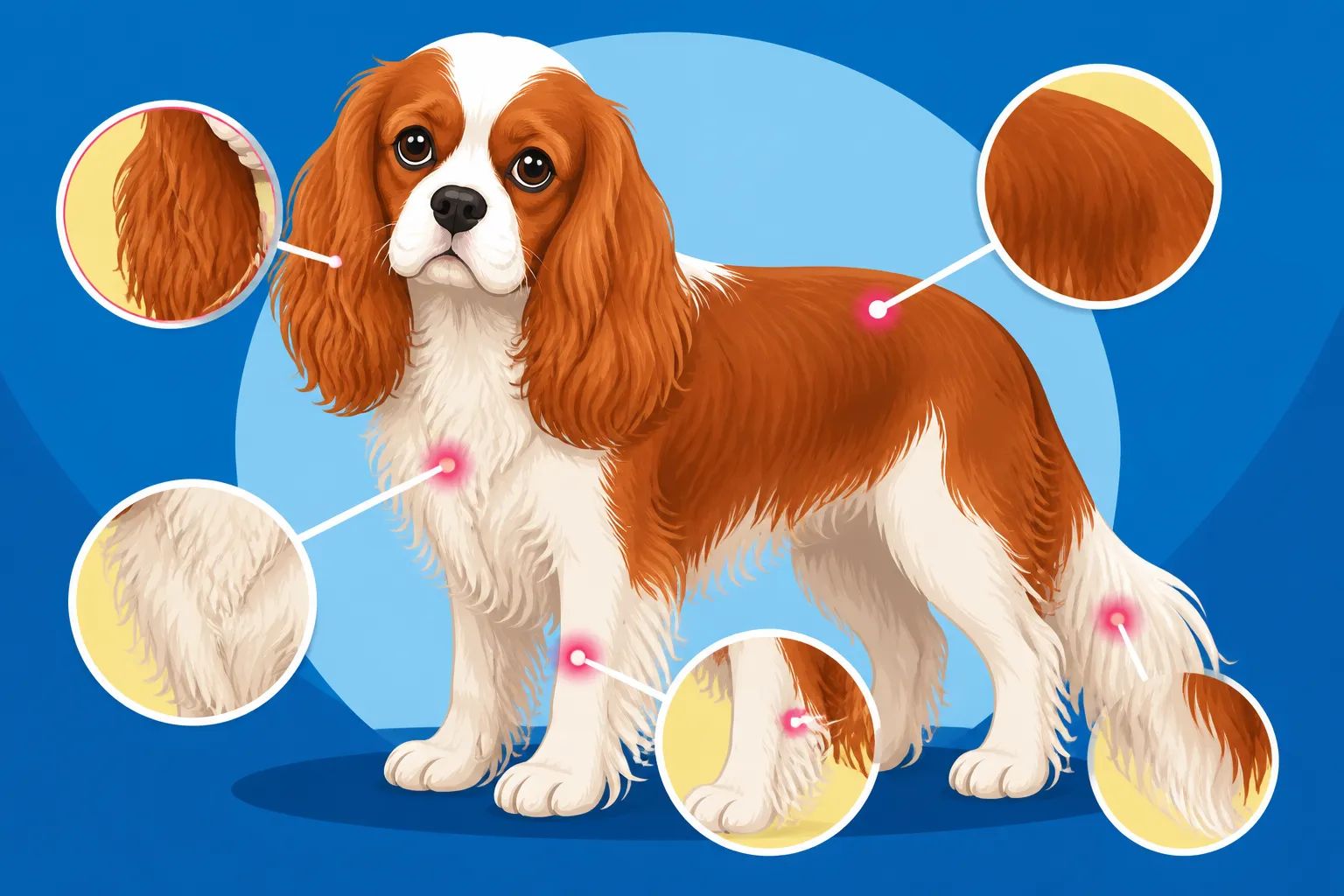
| Matting Area | Primary Causes | Recommended Action |
|---|---|---|
| Behind Ears | Friction from ear movement, scratching, collar rub | Lift ear flap, comb gently with a metal comb, check daily. |
| Base of Ears | Moisture (drinking/food), friction, trapped humidity | Use a snood during meals, dry thoroughly after wetness, comb through meticulously. |
| Ear Tips/Fringe | Dragging on ground, food/water, general snagging | Daily detangling with wide-toothed comb, support hair at base, use detangling spray. |
| Armpits | Constant leg movement, sleeping positions, friction | Gently lift legs, comb deep into the armpit fur, feel for hidden knots. |
| Groin/Inner Thighs | Sitting, walking, urination, fine hair texture | Regular checks, consider sanitary trim, ensure cleanliness. |
| Under Collar | Constant friction from collar material, ill-fitting collars | Remove collar daily for brushing, ensure proper fit, consider soft/rolled collar. |
| Harness Contact Points | Friction from straps, pressure from harness movement | Remove harness daily, inspect all strap areas, thorough brushing, consider padded harnesses. |
| Tail Base | Sitting, wagging, fine hair, friction | Lift tail, comb through fur where tail meets body, especially if often tucked. |
| Paws/Between Pads | Moisture, debris, walking on various surfaces | Trim hair between pads, check for foreign objects, dry thoroughly after wet walks. |
Paws and Tails: Often Overlooked
While the luxurious feathering on a Cavalier's ears and body gets a lot of attention, the fur on their paws and tail can often be neglected, leading to equally uncomfortable and potentially painful matting. These areas are crucial for movement and balance, and mats here can severely impact your dog's comfort and gait.
Foot Feathering and Between the Pads
A Cavalier's paws feature lovely feathering, and like all long fur that comes into contact with the ground, it's a magnet for dirt, debris, and moisture. Walking on wet grass, through mud, or even just daily walks on various surfaces can cause the fur around their feet and between their paw pads to collect grime and tangle into tight knots. These mats can be very irritating, pulling at the skin with every step. Worse, they can trap moisture, leading to skin infections or yeast issues in between the pads, which can be incredibly itchy and uncomfortable.
It's essential to regularly check your Cavalier's feet, especially after outdoor adventures. Gently spread their paw pads and look for any matted clumps of hair or trapped debris like grass seeds or small burrs. The hair between their pads can also grow quite long, accumulating dirt and becoming matted. Keeping this hair trimmed flush with the pads is a practical step to prevent matting, improve traction, and maintain paw health. This simple act makes a huge difference in their overall comfort and hygiene. Hair Between a Cavalier's Pads covers this important grooming task in detail.
Tail Base: The Wagging Wick
A Cavalier's tail is a perpetual motion machine, constantly wagging with joy, but this constant movement can, unfortunately, lead to matting at its base. The fur where the tail meets the body, especially underneath or on the sides, experiences a lot of friction as the tail wags against the hindquarters. If your Cavalier tends to tuck their tail, this further compresses the fur, creating more opportunities for mats to form and tighten close to the skin.
These mats might not be as immediately obvious as those on the ears, but they can become quite uncomfortable. When checking this area, lift your Cavalier's tail and examine the fur all around its base, getting your fingers down to the skin. Pay close attention to any areas that feel lumpy or stiff. Regular, gentle combing through this section, perhaps with a smaller comb, will help keep the fur free of tangles. It's a small but significant detail in ensuring your Cavalier's full body comfort and maintaining their beautiful coat from head to tail.
Preventative Care Strategies for a Mat-Free Cavalier
Preventing mats is always easier (and far less painful for your Cavalier) than trying to remove them once they've set in. A proactive approach to grooming, combined with the right tools and a little bit of knowledge, can save you a lot of headache and keep your furry friend looking and feeling fabulous. This isn't just about aesthetics; it's about their comfort and well-being.
Daily Brushing: Your First Line of Defense
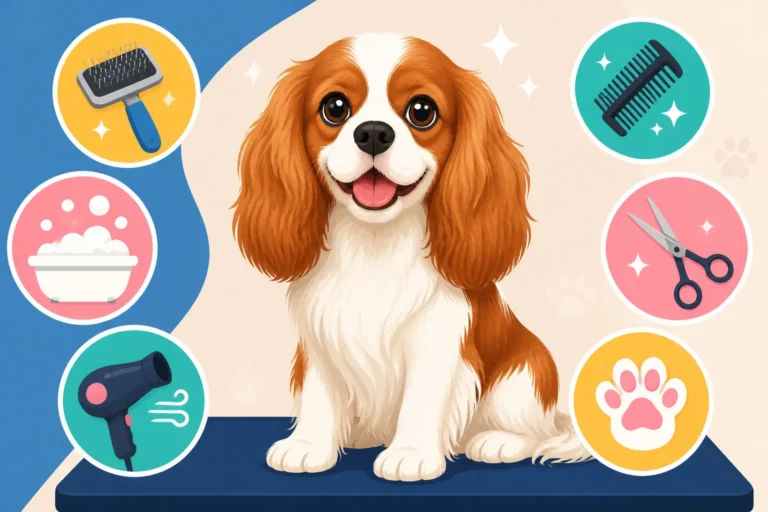
The single most effective way to combat matting in a Cavalier is consistent, daily brushing. It might sound like a chore, but even just five to ten minutes a day can make an enormous difference, preventing small tangles from escalating into painful, solid mats. Think of it as a bonding ritual with your dog, rather than a task. Use a good quality slicker brush to work through the feathering gently, followed by a metal comb to ensure you're getting all the way down to the skin. If the comb glides through smoothly, you're doing a great job! If it snags, you know there's a tangle to address.
When you brush, make sure to work in sections. Don't just brush the top layer of fur. Gently part the hair and brush from the skin outwards, holding the hair at the base to prevent pulling. Start with the problem areas we've discussed – behind the ears, armpits, groin, and under the collar – before moving to the main body and leg feathering. A routine like this ensures no spot is missed and allows you to catch any tiny knots before they become serious. For a deep dive into effective techniques, refer to Brushing a Cavalier's Feathering Three Times a Week – though daily is truly ideal for mat prevention.
The Right Tools: Your Grooming Arsenal
Having the correct grooming tools is non-negotiable for a Cavalier owner. A cheap brush or a comb that doesn't penetrate the coat simply won't cut it. Here's what you'll need:
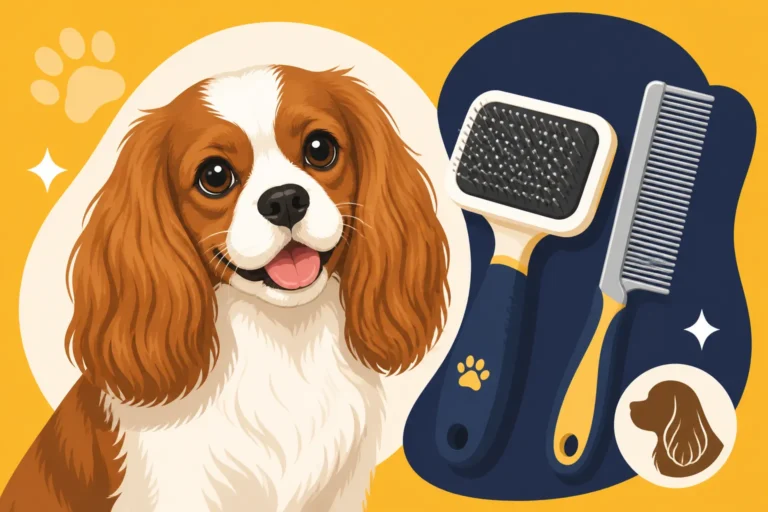
- Slicker Brush: Essential for removing loose hair and working out superficial tangles. Choose one with soft, flexible pins.
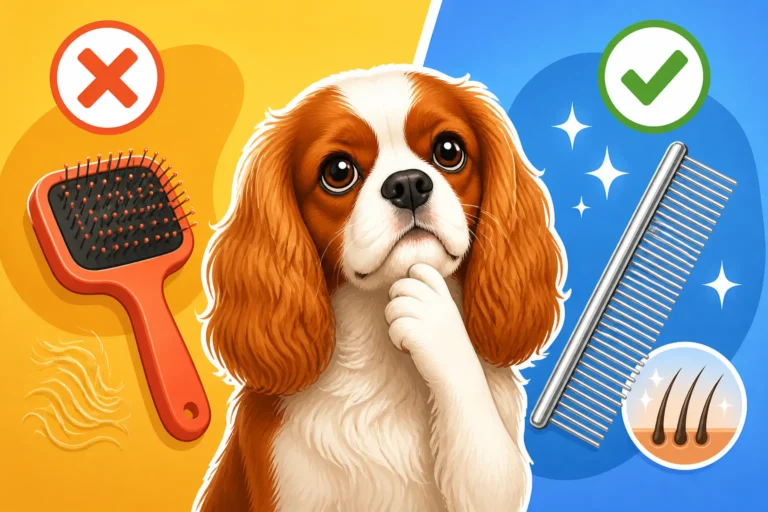
- Metal Comb: A sturdy, all-metal comb with both wide and fine teeth is crucial for getting through the coat down to the skin and detecting any knots.
- Detangling Spray: A good quality spray makes a world of difference. It lubricates the hair, making it easier to comb through tangles without breaking the hair or causing discomfort. You can find excellent options on Chewy or Amazon.
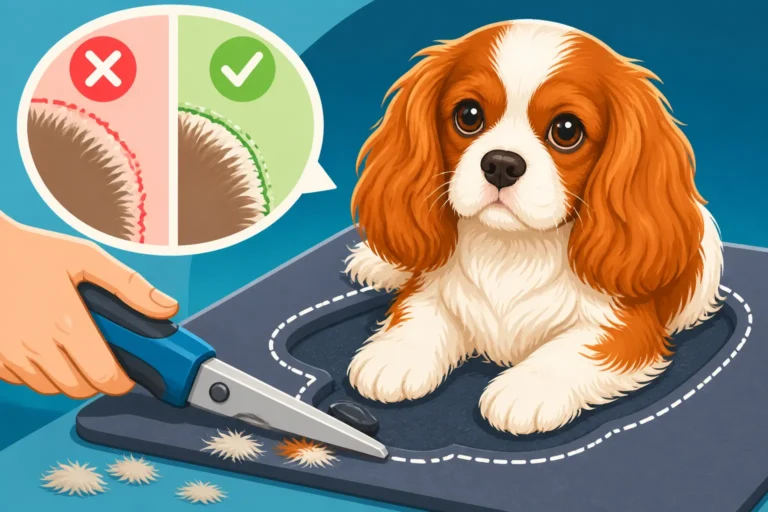
- Blunt-nosed Scissors: For carefully snipping out tiny, unavoidable mats or for sanitary trims. Use with extreme caution and always point away from the skin.
Remember, the goal is to make grooming a positive experience. Keep sessions short, offer plenty of praise and treats, and never yank on tangles. If your Cavalier resists, try again later or break it into even shorter sessions. Over time, they'll learn to associate grooming with positive reinforcement, making the process smoother for both of you. The Brush and Comb a Cavalier Coat Needs offers a comprehensive guide to selecting the best tools for your Cavalier's unique coat.
Professional Help and Lifestyle Adjustments
Even with diligent home grooming, there might be times when you need professional help. A professional groomer who is experienced with Cavaliers can tackle severe matting safely, give a tidy-up trim to high-friction areas, and offer advice on maintaining your dog's specific coat type. Don't feel guilty if you need to call in the pros; sometimes a fresh start with a good professional groom is exactly what's needed.
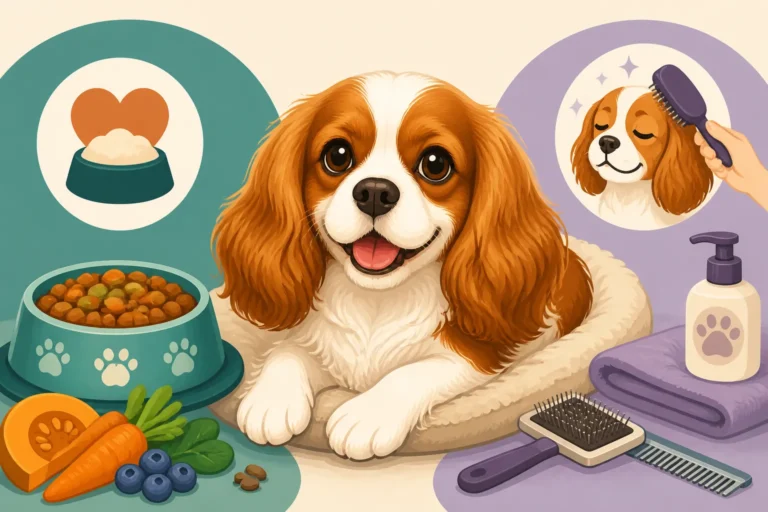
Beyond grooming tools, consider certain lifestyle adjustments. If your Cavalier is a messy eater, a snood is a fantastic invention to keep those long ear feathers out of their food and water bowls. You can find stylish and practical snoods readily available from online retailers like Chewy or Amazon. If your dog loves to roll in the mud or swim, ensure you thoroughly brush and dry their coat afterwards. Diet can also play a subtle role; a high-quality, balanced diet like those offered by brands such as Ollie, which focuses on fresh, whole ingredients, can contribute to overall skin and coat health, making the fur less prone to dryness and breakage, which can exacerbate matting. Healthy skin and a strong coat are always a good foundation against tangles.
Disclaimer
This article is for general informational purposes only and does not constitute professional advice. Laws, prices and regulations vary by location and change over time. Consult a qualified professional for guidance on your specific situation.