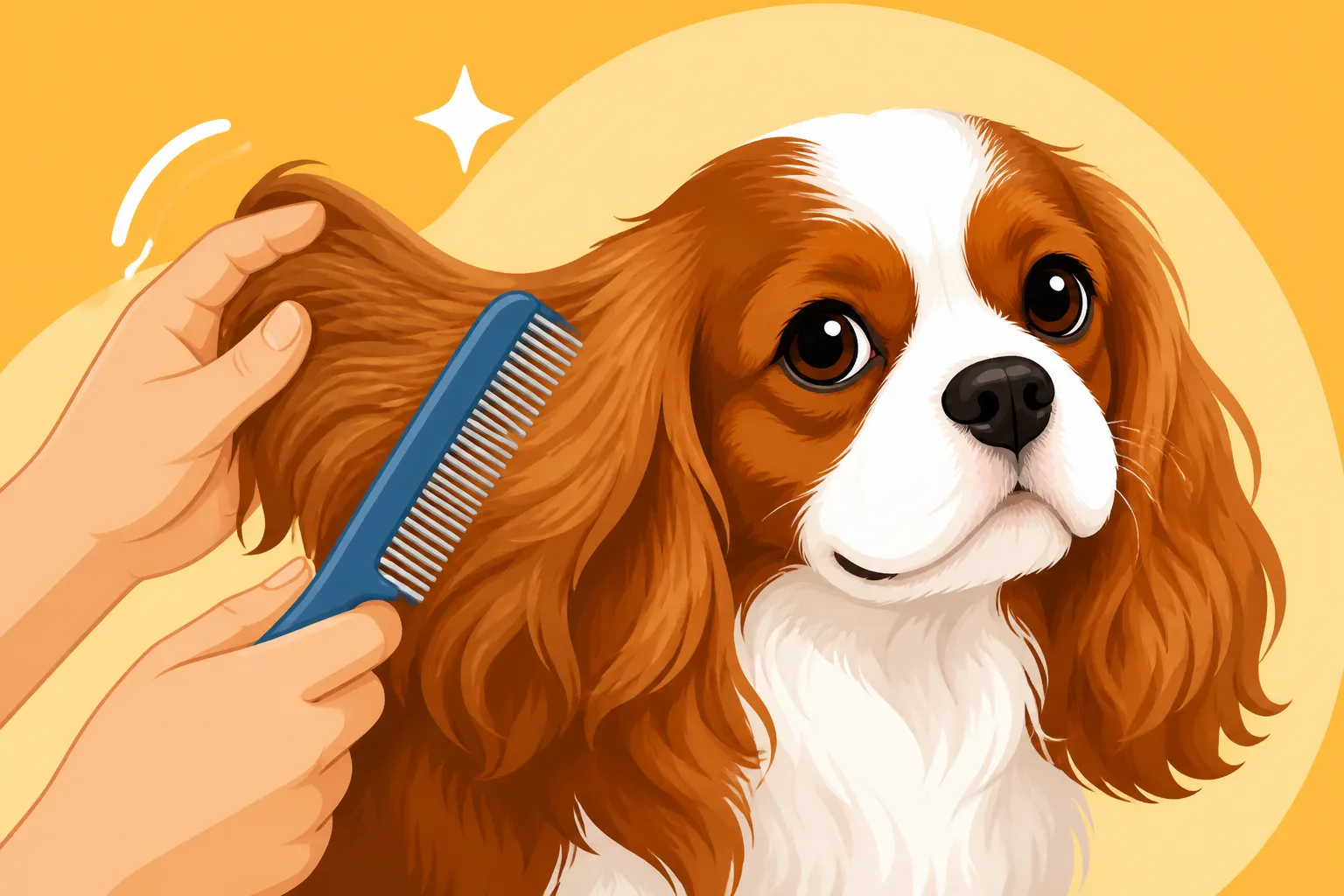
Combing Behind a Cavalier’s Ears
If you're a Cavalier King Charles Spaniel owner, you know the exquisite joy these sweet dogs bring. But let's be honest, you also know the particular struggle of keeping that gorgeous, silky coat free of tangles and mats, especially in those sneaky spots. There's almost nothing more frustrating than trying to comb behind those beautiful, long drop ears, only to hit a wall of felted hair. This guide is here to walk you through exactly why those mats form, the best tools to tackle them, and how to keep your beloved Cavalier comfortable and mat-free.
Why Behind the Ears is a Problem Zone
It's not just your imagination; the area behind a Cavalier's ears is indeed a notorious hotspot for matting. There's a perfect storm of anatomical features and everyday activities that conspire to create those stubborn knots, and understanding why they form is the first step in preventing and addressing them effectively. It's a truly common frustration, so please know you're not alone in battling these tricky tangles.
The Anatomy of the Cavalier Ear
Our Cavaliers are blessed with those iconic, long, silky drop ears, and while they're undeniably adorable, they're also a primary reason for matting. The sheer length and weight of the ear leather itself, combined with the fine, often wispy hair growing directly behind where the ear attaches to the head, creates a constant rubbing and friction point. Imagine rubbing two pieces of silk together repeatedly – they'd eventually start to tangle and knot. That's essentially what happens with your Cavalier's delicate ear feathering.
Moreover, the skin in this area is incredibly thin and sensitive, making it even more prone to irritation if mats are allowed to tighten and pull. The hair itself is usually very fine and soft, which, paradoxically, makes it more susceptible to tangling than coarser coats. It's not like the thicker guard hairs on some other breeds; Cavalier feathering is designed for luxurious softness, and that softness is what makes it so high-maintenance in certain areas. This unique coat characteristic is what makes general grooming for the breed a particular art form, especially when it comes to keeping those ear furnishings pristine.
Friction and Movement: The Matting Culprits
Beyond the natural hair type, your Cavalier's daily activities contribute significantly to mat formation behind the ears. Think about how often your Cavalier shakes their head, scratches an itch with a back paw, or rolls around during play. Each of these movements causes the hair to rub against itself and the ear leather, initiating tangles that quickly escalate into mats if not addressed. It’s a constant battle against gravity and natural dog behavior.
Additionally, everyday items like collars, harnesses, and even the way your Cavalier sleeps can add to the friction. A collar might rub against the hair near the ear base, especially if it's a wider one. Similarly, if your Cavalier always sleeps curled up with their head tucked in a certain way, that sustained pressure and rubbing can create mats overnight. It's not just rough play; even the most gentle snuggles can contribute to tangles if they involve constant motion and pressure on those delicate areas. It's a testament to their affectionate nature that they want to be so close, but it does mean extra vigilance on your part!
Hidden Dangers of Neglect
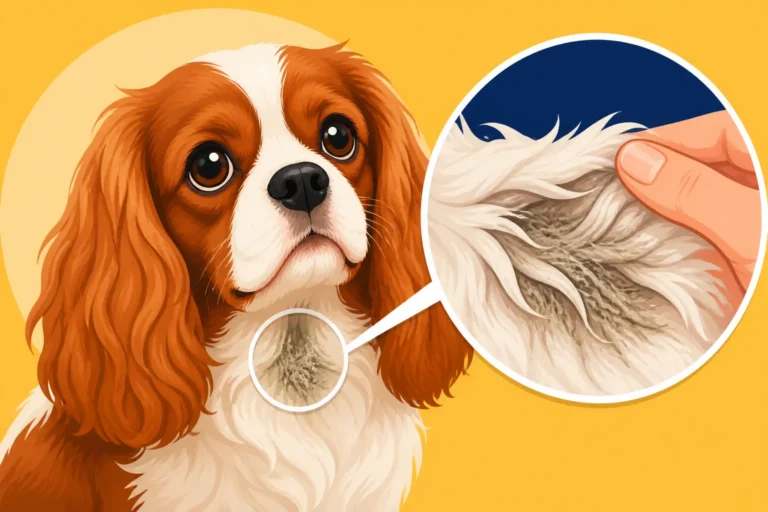
Ignoring mats behind the ears isn't just an aesthetic issue; it can lead to significant pain and health problems for your Cavalier. Tight mats pull on the skin, causing discomfort, tenderness, and even open sores. Imagine having a clump of hair constantly tugging at your scalp – it’s a persistent, nagging pain that can make your dog withdrawn or irritable. These tight, dense patches of fur also trap moisture and dirt against the skin, creating an ideal breeding ground for bacteria and yeast.
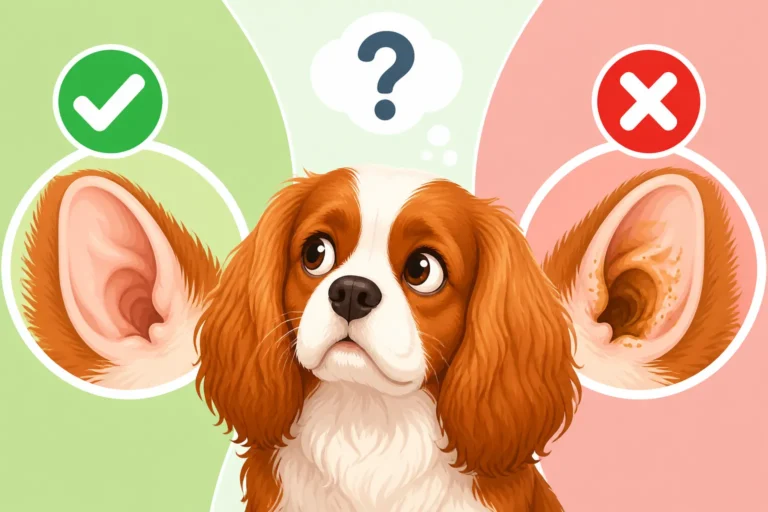
This damp, warm environment can quickly lead to painful skin infections, sometimes referred to as hot spots, which are intensely itchy and can spread rapidly. Furthermore, large mats can completely cover the ear canal, making it impossible to properly check for or treat Cavalier Ear Infections and Why They Recur. If a vet or groomer can't get to the ear to assess its health or administer medication, a simple infection can become a chronic, debilitating problem. Neglected mats are not just unsightly; they are a serious welfare concern that can severely impact your Cavalier's quality of life.
The Right Tools for the Job
Trying to tackle mats behind a Cavalier's ears with the wrong tools is like trying to defuse a bomb with a spoon – frustrating, ineffective, and potentially disastrous. Having the correct grooming equipment is paramount to safely and gently detangling these sensitive areas without causing pain or further damage to your dog's delicate coat and skin. Don't underestimate the difference a good comb can make!
Essential Combs for Delicate Areas
When it comes to the intricate work of detangling behind the ears, a high-quality metal comb is your absolute best friend. Specifically, a greyhound-style comb with both fine and coarse teeth is invaluable. The coarse teeth can help break apart larger, looser tangles, while the fine teeth are perfect for meticulously working through smaller knots and ensuring every last strand is free. Unlike plastic combs, metal combs glide through the hair more smoothly, reduce static, and are durable enough to handle even stubborn mats. You'll find a good selection on platforms like Amazon or Chewy.
The reason these combs are superior to brushes for this specific task is their ability to penetrate directly into the base of the mat and separate individual hairs. Brushes, especially slicker brushes, tend to just skim over the top of tight mats or pull painfully. With a metal comb, you can carefully isolate the tangled section, hold the hair at the skin to prevent pulling, and gently work the knot apart strand by strand. This precise control is crucial for delicate areas where the skin is thin and pulling can cause significant discomfort.
Slicker Brushes and Pin Brushes
While a metal comb is essential for detangling, slicker brushes and pin brushes still play an important role in your Cavalier's overall grooming routine, just not as the primary tool for severe mats behind the ears. A good quality slicker brush is excellent for general coat maintenance, removing loose hair, and fluffing up the main body of the coat. It helps prevent tangles from forming in less dense areas by removing shedding hair before it can become embedded. However, for the fine, delicate feathering directly behind the ears, a slicker brush can be too harsh if a mat is already present, often just pulling at the knot and causing pain.
Pin brushes, with their longer, widely spaced pins, are fantastic for daily, gentle brushing of the longer feathering on the ears, legs, and tail. They help distribute natural oils, stimulate the skin, and keep the coat looking healthy and flowing. They can certainly help prevent new tangles from forming behind the ears by ensuring the hair remains free-flowing, but like slicker brushes, they aren't designed to break down existing mats. Always remember that for actual detangling in these sensitive zones, the precision of a comb is unmatched. For a comprehensive look at what brushes and combs your Cavalier truly needs, check out The Brush and Comb a Cavalier Coat Needs.
Detangling Sprays and Conditioners
Before you even think about putting a comb to a nascent mat, a good quality detangling spray is an absolute game-changer. These sprays work by lubricating the hair strands, reducing friction, and making it much easier for the comb to glide through knots without snagging or breaking the hair. Think of it as adding a little slip to the situation! You don't want to dry-comb a mat, as that can cause more breakage and pain.
To use a detangling spray effectively, spritz a liberal amount directly onto the matted area, making sure the mat is thoroughly saturated but not dripping wet. Let it sit for a minute or two to allow the product to penetrate and soften the hair. This step alone can significantly loosen a stubborn tangle. For ongoing protection and to make daily brushing easier, consider using a leave-in conditioner after baths or as part of your regular grooming routine. These products can help keep the fine hair behind the ears smoother and less prone to tangling in the first place. You can find excellent detangling sprays specifically formulated for dogs at pet supply stores or online retailers like Chewy. For a more in-depth look at products that can help, consider reading Detangling Spray for a Cavalier Coat.
A Gentle Approach to Detangling
Once you have the right tools, the next crucial step is mastering the technique of gentle detangling. This isn't a race; it's a patient, methodical process that prioritizes your Cavalier's comfort above all else. Rushing through it will only cause pain, create a negative association with grooming, and make future sessions even harder.
Setting the Stage for Success
Before you even pick up a comb, create a calm and positive environment for your Cavalier. Choose a quiet time when your dog is relaxed, perhaps after a walk or a cuddle session. Many Cavaliers are "Velcro dogs" and love to be on your lap, which can be a good starting point. For larger or more squirmy dogs, a non-slip mat on a table can provide a stable surface at a comfortable height for you. Use plenty of soothing praise and offer high-value treats throughout the process. This isn't just about getting the mats out; it's about making grooming a tolerable, or even enjoyable, experience.
Positioning is key. Ensure your Cavalier is comfortable and you have easy access to the area behind their ears. You might need to gently hold the ear leather back with one hand while you work with the other. Keep your sessions short, especially if your dog is new to this or prone to anxiety during grooming. Five to ten minutes of focused, gentle work is far more effective and less stressful than a prolonged struggle. If your Cavalier shows signs of stress or discomfort, take a break and try again later. Patience truly is a virtue here.
The "Line Brushing" Technique
The most effective and pain-free method for detangling a Cavalier's coat, especially in sensitive areas like behind the ears, is called "line brushing" or "line combing." This technique ensures you reach the skin and don't just comb over the top of tangles. Start by parting the hair horizontally near the bottom of the ear, creating a small "line" of hair. Hold the hair above this line gently but firmly with one hand, so you are only working on a small section.
With your other hand, take your metal comb and begin combing the isolated section of hair, working from the tips of the hair strands down towards the skin. Always comb away from the skin, gradually working in small, gentle strokes. As you clear each small section, move your hand slightly up, creating a new "line" of hair to work on. This methodical approach ensures no tangles are missed and prevents painful pulling on the skin. Remember to hold the hair at the base of the mat near the skin to absorb any tugs and protect your Cavalier from discomfort.
Handling Knots and Small Mats
When you encounter a knot or a small mat, resist the urge to pull the comb through it. This will only tighten the mat and hurt your dog. Instead, use the coarse end of your metal comb and gently pick at the outer edges of the mat. Think of it less like combing and more like teasing the knot apart. Work from the outside of the mat inwards, using tiny, delicate strokes. If you've applied a detangling spray, it should help immensely by making the hair slippery.
For particularly stubborn knots, you can also use your fingers to carefully pull apart the larger sections of the mat. Sometimes, breaking it down into smaller, more manageable tangles with your fingers first makes it easier for the comb to do its job. Always remember to anchor the skin at the base of the mat with your fingers to prevent pulling. If a mat is very tight and close to the skin, it's better to work on it over several short sessions or, if it seems too daunting or painful for your Cavalier, consider seeking professional help. The golden rule is never to yank. For more detailed tips on breaking down specific tangles, refer to Working a Mat Out of Cavalier Feathering.
Preventative Care: Beyond the Comb
While knowing how to detangle is crucial, the ultimate goal is to prevent those pesky mats from forming in the first place. Consistent preventative care will save both you and your Cavalier a lot of stress, discomfort, and time. It's about building good habits into your daily and weekly routine.
Daily Brushing Routines
The single most effective way to prevent mats behind your Cavalier's ears is a consistent, daily brushing routine. Even if it's just a quick check and a few gentle strokes with a comb, making this a part of your daily ritual can catch tangles before they escalate. Spend a minute or two specifically targeting the areas behind and around the ears, under the chin, in the armpits, and under the tail – these are the common trouble spots. You'd be amazed how quickly a small tangle can become a tight mat in just 24 hours.
Integrating this into a positive bonding experience is also key. Make it a time for gentle affection, praise, and perhaps a small treat afterwards. This reinforces that grooming is a pleasant interaction, not a chore or a punishment. By being proactive, you're not just maintaining a beautiful coat; you're also performing a daily health check, feeling for any lumps, bumps, or skin irritations that might otherwise go unnoticed. Regularity truly is the secret to a mat-free Cavalier, as detailed in How Often a Cavalier Needs Brushing.
Protective Gear and Lifestyle Adjustments
Sometimes, the simplest changes can make a big difference in preventing mats. Consider investing in a snood for your Cavalier, especially during meal times or when they're playing outdoors in wet or muddy conditions. A snood is a soft, fabric tube that slips over your dog's ears, keeping them clean and out of the way. This prevents food and water from getting into their beautiful ear feathering, which can cause tangles and make mats more likely to form. For more on these handy accessories, take a look at Snoods That Keep Cavalier Ears Out of Dinner.
Additionally, evaluate your Cavalier's collar and harness situation. While collars are often necessary for identification, a well-fitting harness can reduce friction on the delicate hair around the neck and chest, which can migrate up to the ear area. Look for harnesses designed for comfort that sit away from the sensitive skin behind the ears. For more on choosing appropriate neckwear, read Harnesses Suited to a Cavalier's Neck. Finally, while you can't stop a Cavalier from being a Cavalier, being mindful of activities that cause excessive head shaking or rolling in particularly dirty areas can also help.
Regular Bathing and Conditioning
Proper bathing and conditioning are vital components of mat prevention, not just a way to get your Cavalier clean. A clean coat is less likely to tangle, and a well-conditioned coat is smoother and more resistant to matting. When bathing your Cavalier, use a high-quality dog shampoo and always follow with a good conditioner specifically designed for long-haired breeds. The conditioner helps to moisturize and smooth the hair cuticles, making them less prone to knotting.
The key to successful bathing for a Cavalier is to ensure you thoroughly rinse all shampoo and conditioner out of the coat and, most importantly, completely dry your dog afterwards. Allowing a Cavalier's long hair to air-dry can cause it to matt and felt as it dries, especially the feathering. Use a cool or low-heat setting on a hairdryer, brushing the coat gently as you dry to ensure all tangles are removed and the hair is fully dry down to the skin. This careful drying process is critical, as discussed further in Bathing a Cavalier Without Flattening the Coat.
When to Call in the Professionals
There are times when a mat simply becomes too much to handle at home, and that's perfectly okay. Knowing when to call in the cavalry – whether it's a professional groomer or your veterinarian – is a sign of responsible pet ownership, not failure. Attempting to force a solution on a severe mat can cause more harm than good, both physically and emotionally for your Cavalier.
Recognizing a Mat Beyond Home Care
It’s important to honestly assess a mat's severity. If a mat is very tight, dense, and close to the skin, forming a solid, felt-like mass, it's likely beyond safe home removal. Such mats can be incredibly painful to touch, and trying to comb them out could tear your Cavalier's delicate skin. If you can't easily see the skin beneath the mat, or if the mat feels like it's pulling the skin taut, it's a sign to step back. Similarly, if your Cavalier is showing significant signs of distress, pain, or aggression when you try to approach the mat, it's a clear signal that a professional is needed.
Another indicator is if the mat is causing visible skin irritation, redness, or even open sores. These require immediate professional attention. Trying to cut out a mat yourself, especially one close to the skin, carries a significant risk of accidental injury. Scissors can easily slip and cause deep cuts that require veterinary care. It’s a common mistake born out of good intentions, but it's best avoided. When in doubt, err on the side of caution and consult an expert.
The Groomer's Expertise
Professional groomers are trained and equipped to handle even the most challenging mats. They have specialized tools, such as various clippers with different blade lengths, and techniques to safely remove severely matted hair without injuring your Cavalier. Often, for very tight mats, the safest and most humane approach is to carefully shave them out. While it might mean a temporary loss of that beautiful feathering, it allows the skin underneath to heal and the coat to grow back healthy and mat-free. This is often the case when mats are so severe that they pull on the skin and restrict movement. For more on this, see When a Matted Cavalier Has to Be Shaved.
A professional groomer can also offer invaluable advice on preventative measures tailored to your Cavalier's specific coat type and lifestyle. They can recommend specific shampoos, conditioners, or grooming routines that will help you keep future mats at bay. Building a relationship with a trusted groomer is an excellent investment in your Cavalier's comfort and coat health.
Veterinary Intervention for Skin Issues
Sometimes, mats aren't just a grooming problem; they're a symptom or cause of a deeper health issue. If you notice any signs of skin infection – such as redness, swelling, pus, a foul odor, or excessive itching and licking beneath a mat – a visit to your veterinarian is crucial. The vet can diagnose and treat any underlying skin conditions, prescribe antibiotics or anti-fungal medications if necessary, and safely remove the mat under sedation if the pain is too severe for conscious grooming.
Severe mats can also impede your ability to check your Cavalier's ear health. If you suspect an ear infection, but the matting prevents you from inspecting the ear canal, your vet can safely remove the hair to allow for a proper examination and treatment. Remember that ear health is intrinsically linked to the surrounding coat. A vet visit for skin issues under a mat can also identify any other skin sensitivities or allergies your Cavalier might have. For instance, The Smell That Means a Cavalier Ear Infection can sometimes be masked or exacerbated by tight matting.
| Grooming Tool | Primary Use | Best For Mats Behind Ears? | Considerations |
|---|---|---|---|
| Metal Comb | Detangling, separating hairs | Yes, essential | Use fine teeth for small knots, coarse for larger. |
| Slicker Brush | General coat brushing, removing loose hair | No, generally too harsh | Great for body, avoid tight mats. |
| Pin Brush | Daily gentle brushing, distributing oils | No, for prevention not removal | Good for light tangles, daily maintenance. |
| Detangling Spray | Lubricating hair, reducing friction | Yes, highly recommended | Apply generously before combing any mat. |
| Grooming Scissors | Cutting out severe mats (professionals only) | No, high risk of injury for owners | Leave to professionals, never use near skin at home. |
Disclaimer
This article is for general informational purposes only and does not constitute professional advice. Laws, prices and regulations vary by location and change over time. Consult a qualified professional for guidance on your specific situation.