Bathing a Cavalier Without Flattening the Coat
Ah, the post-bath blues! You spend all that time carefully washing your sweet Cavalier, only for their beautiful, flowing coat to dry into a flat, limp disappointment. It's a common frustration for so many Cavalier parents, and it can feel like you're fighting an uphill battle against gravity and genetics. This guide is here to walk you through the secrets to bathing your Cavalier in a way that preserves that gorgeous volume and keeps their feathering looking its absolute best, without any sadness-inducing flatness.
Understanding the Cavalier Coat: Why It's Unique (and Tricky!)
Before we even think about turning on the tap, it's really helpful to understand what makes your Cavalier's coat so special – and why it's prone to losing its natural bounce if not handled correctly during bathing. It's not like a thick-coated husky or a wiry terrier; the Cavalier's coat has its own set of rules.
The Single Coat vs. Double Coat Dilemma
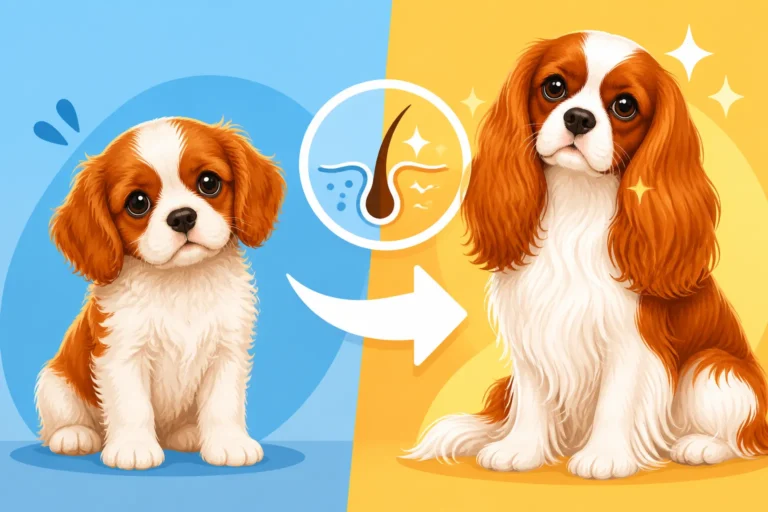
Many dog breeds have a double coat, meaning they have a soft, dense undercoat for insulation and a coarser, protective outer coat. Think of breeds like German Shepherds or Samoyeds. When you bathe a double-coated dog, the undercoat provides a lot of the 'fluff' and structure, and drying it thoroughly helps to restore that volume. Cavaliers, however, generally have a single coat. This means they lack that dense undercoat. Their coat consists primarily of silky, moderate-length hair with distinct feathering on their ears, chest, legs, and tail. This single-layer construction is what gives them that elegant, flowing look, but it also means there's less inherent 'poof' to work with, making it easier for the hair to lie flat if weighed down by water or product. Understanding this difference is key to approaching their bath correctly. It's why drying techniques become so paramount.
The Nature of Cavalier Feathering
That glorious feathering – on their long, luxurious ears, the frills on their chest and legs, and their magnificent plumed tail – is arguably the most defining characteristic of a Cavalier's coat. This feathering is typically finer and often a little longer than the body coat, making it especially delicate and prone to tangling and matting. When wet, this fine hair can clump together, and if not dried with care, it can lose its airy, separated appearance. Instead of flowing beautifully, it can dry in stiff, flat sections. The goal of a good bath is to cleanse these areas thoroughly without stripping natural oils or causing the hair to bond together, which would diminish its lovely feathered look. Achieving that soft, airy look requires respect for the natural texture of these longer hairs.
Common Mistakes That Lead to Flatness
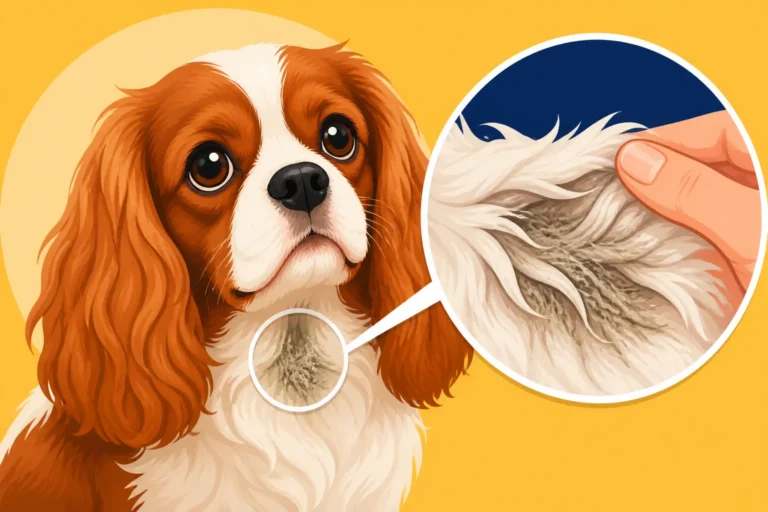
It's so easy to make little mistakes during bath time that inadvertently contribute to a flat coat. One of the biggest culprits is not thoroughly brushing out tangles and mats before the bath. Wet hair tightens around mats, making them nearly impossible to remove without damaging the coat and pulling it flat. Another common error is using shampoos and conditioners that are too heavy or not rinsing them out completely. Product residue can weigh down the hair, leaving it greasy, dull, and, yes, flat. Think of it like washing your own hair but leaving conditioner in – it just won't have any bounce. Over-toweling aggressively can also cause friction and frizz, compacting the hair rather than encouraging it to dry with volume. Finally, letting a Cavalier air dry completely, especially in cooler weather, often results in a flat, somewhat wavy or crimped coat instead of the smooth, flowing feathering we adore.
Pre-Bath Preparations: The Secret to a Voluminous Finish
Honestly, the battle for a beautiful, non-flat Cavalier coat is often won or lost before your sweet pup even touches the water. Skipping these crucial preparatory steps is like trying to bake a cake without mixing your dry ingredients properly – it just won't turn out right! A little effort upfront saves a lot of heartache later.
Thorough Brushing and Dematting is Non-Negotiable
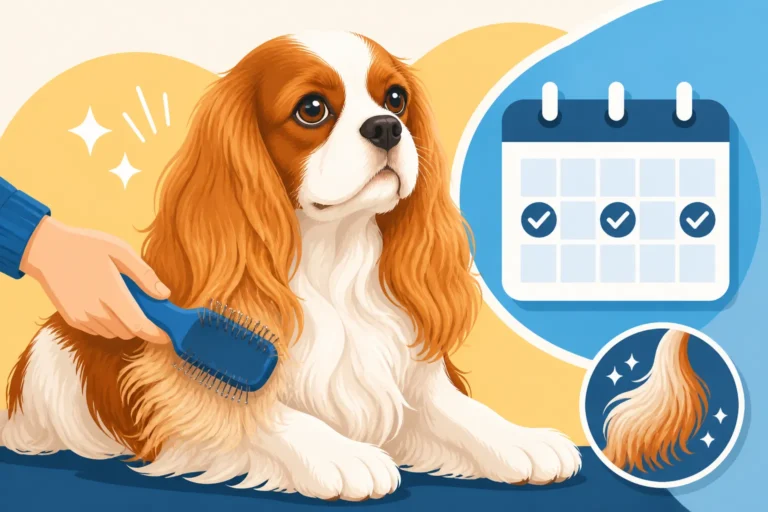
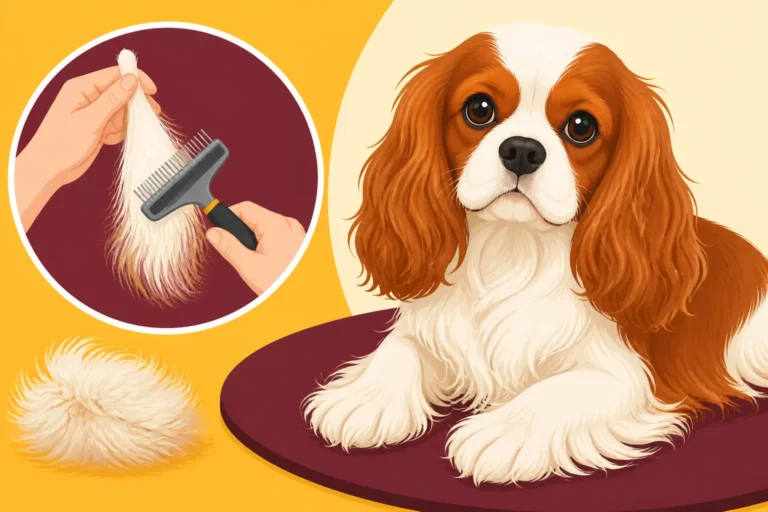
I cannot stress this enough: brush, brush, brush your Cavalier before the bath. If you skip this, any existing tangles or mats will become incredibly tight when wet, making them nearly impossible to remove without causing pain and potential skin irritation. Worse, they'll trap shampoo and conditioner, preventing proper rinsing and leading to residue, which inevitably results in a flat, dull coat. Start by gently line-brushing your Cavalier, section by section, using a good quality slicker brush and then following up with a metal comb. Pay extra attention to those feathered areas behind the ears, armpits, and under the tail. Brushing a Cavalier's Feathering Three Times a Week is a great habit to get into, not just before baths. If you encounter a mat, use a detangling spray and gently work it out with your fingers or the wide teeth of a comb, rather than pulling. For tough mats, a mat splitter or a quick, careful snip with blunt-nosed scissors (always pointing away from the skin!) might be necessary. There's a real art to Working a Mat Out of Cavalier Feathering without damaging their delicate coat. Having a completely tangle-free coat before the bath allows the water and products to penetrate evenly, cleanse effectively, and rinse out completely, which is fundamental to maintaining volume.
Choosing the Right Shampoo and Conditioner
The products you use can make a huge difference. For Cavaliers, you want gentle, moisturizing shampoos and conditioners that don't contain harsh chemicals or heavy silicones that can weigh down their fine hair. Look for formulas designed for long-haired breeds or those that promote shine and manageability without adding excessive weight. Many owners find success with gentle oatmeal-based shampoos or those specifically formulated to be tearless around their sensitive eyes. Brands like Earthbath or TropiClean are often good choices you can find on Chewy or Amazon.
When it comes to conditioner, think light. While Whether Conditioner Helps Cavalier Feathering is a common question, the answer is usually yes, but you need to choose wisely. A lightweight conditioner will help seal the hair cuticle, reducing tangles and adding a healthy sheen without making the coat heavy. Avoid "deep conditioning" treatments unless your dog has exceptionally dry or damaged hair, as these can easily flatten a Cavalier's coat. Always dilute your shampoo and conditioner slightly with water in a separate squeeze bottle before applying; this helps them spread more evenly and rinse out more easily.
Setting Up Your Bathing Station
Preparation is key, not just for the coat itself but for the whole experience. Make sure you have everything you need within arm's reach before you start:
- Your pre-brushed Cavalier (of course!)
- Diluted shampoo and conditioner in squeeze bottles
- Several clean, absorbent towels (microfiber works wonders)
- Cotton balls for ears (to prevent water from entering)
- A washcloth for facial cleansing
- A hand-held shower sprayer or a pitcher for rinsing
- A non-slip mat for the tub or sink
- Plenty of treats for positive reinforcement!
Having everything organized will make the process smoother for both you and your dog, reducing stress and helping you focus on the bathing technique. If your Cavalier isn't a fan of baths, offering treats and praise throughout can turn it into a much more pleasant experience.
The Bathing Process: Gentle Cleansing for a Beautiful Coat
Once you've done your prep work, the actual washing part should be a breeze – or at least, less of a wrestling match! The key here is gentle application and thorough rinsing. Remember, we're aiming for clean, not stripped, and definitely not flat.
Wetting Down Without Waterlogging
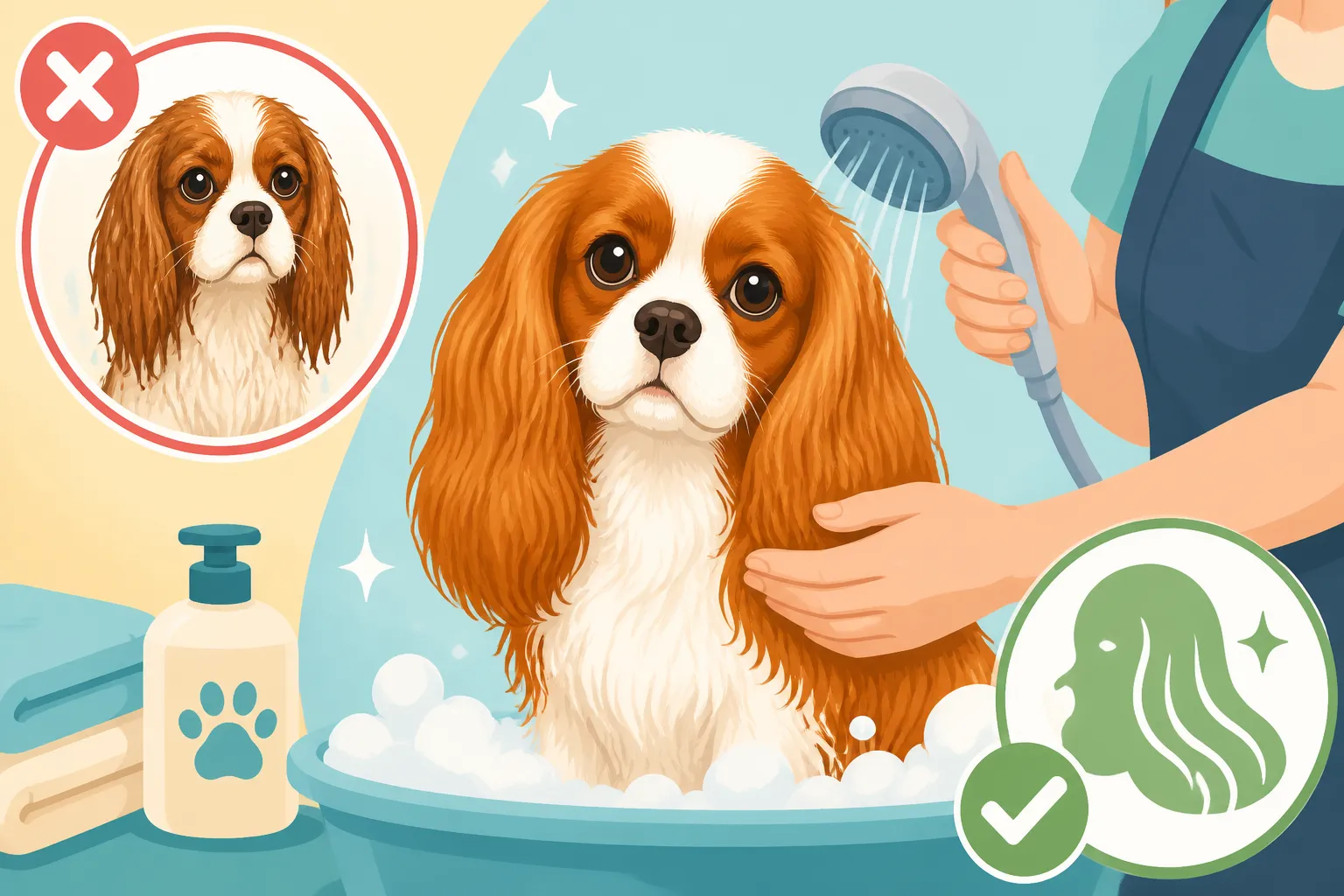
Start by thoroughly wetting your Cavalier's coat with lukewarm water. A detachable shower sprayer is a godsend for this, allowing you to get right down to the skin. If you don't have one, a pitcher or cup works, but be patient. Ensure the water completely penetrates the feathering and the dense coat on their body. However, try not to waterlog them excessively. The goal is even saturation, not drowning their coat. Once the coat is fully damp, gently place cotton balls in their ears to help prevent water from entering the ear canal, which can lead to infections. Cavalier Ear Infections and Why They Recur can be a real headache, so taking this simple preventative step is super important.
Applying Shampoo Strategically
Now for the shampoo! Remember those diluted bottles? Squeeze a moderate amount of diluted shampoo onto your hands, rub them together, and then apply it to your Cavalier's coat. Start with their back and sides, then move to their chest, legs, and tail. Gently work the shampoo into the coat using a downward motion, rather than scrubbing vigorously in circles. Circular scrubbing can create tangles and knots, which we're trying to avoid.
For the delicate feathering on the ears and legs, use even lighter strokes. You want to cleanse, not abrade. Use a separate, small amount of diluted shampoo on a washcloth for their face, carefully wiping around their eyes (avoiding direct contact, of course) and muzzle. The aim is to clean away dirt and oils without roughing up the hair shafts, which can lead to frizz and compromise volume.
Rinsing Thoroughly (and Why It Matters So Much)
This might be the most critical step for preventing a flat, dull coat: rinsing. And when I say thorough, I mean extremely thorough. Any shampoo or conditioner residue left in the coat will attract dirt faster, make the hair feel heavy, and inevitably flatten it as it dries. Rinse, rinse, and then rinse again.
Use your shower sprayer or pitcher to wash away every last bubble. Start from the top of their head and work your way down, ensuring the water runs clear from all areas – especially the dense feathering on the ears, chest, and tail. Squeeze sections of the coat to check for any suds. If you see or feel any slipperiness, keep rinsing. It often takes much longer than people anticipate to rinse a Cavalier properly. Once you think you're done, rinse for another minute, just to be sure. This meticulous rinsing is what allows their silky coat to truly shine and retain its natural body.
Drying Techniques: Preserving Volume and Preventing Damage
You've done the hard work of bathing; now it's time to bring that beautiful coat back to life! Drying is where you either enhance or lose that coveted Cavalier volume. This isn't just about getting them dry; it's about shaping and setting their coat for that lovely, flowing look.
Towel Drying Without Aggression
As soon as the rinsing is complete, it's time for the first phase of drying. Gently squeeze excess water from your Cavalier's coat with your hands. Then, reach for those clean, absorbent towels. The trick here is to blot and squeeze rather than rub vigorously. Aggressive rubbing creates friction, which can lead to frizz, static, and even tangle the hair you just worked so hard to detangle. It can also flatten the hair against their body, making it harder to get that airy volume back.
Wrap your Cavalier in a large towel, gently patting and squeezing the water out. You can change towels once the first one becomes saturated. Pay special attention to their ears and feathering, carefully pressing the water out. The goal is to remove as much surface water as possible before moving on to the blow dryer, which will significantly cut down on drying time and prevent the coat from becoming overly wet and heavy.
The Art of Blow Drying for Feathering
Now, for the magic! A good quality pet force dryer or even a human blow dryer on a cool or low-heat setting is your best friend here. Avoid using high heat, as it can damage your Cavalier's skin and coat. The aim is to use the airflow to lift and separate the hair, adding volume as it dries.
Start by rough drying the body, constantly moving the dryer to prevent any one area from getting too hot. Use your fingers to gently lift the coat as you dry. Once the body is mostly dry, focus on the feathering. This is where the 'art' comes in. Instead of blowing the air straight down, try to direct it against the natural lay of the hair, lifting it as it dries. For the ears, use your fingers to gently comb through the wet feathering while directing the airflow through it. This helps to separate each strand, preventing it from drying into flat clumps. Drying Cavalier Feathering Properly is key to that fluffy, full ear fringe. Continue brushing with a slicker brush or a pin brush as you dry, always working with the airflow to encourage lift and smoothness.
Air Drying: When It's Okay (and When It's Not)
While it might be tempting to just let your Cavalier air dry, especially on a warm day, it's generally not recommended if you're aiming for that beautiful, voluminous coat. Air drying almost always leads to a flatter, sometimes curlier or wavier coat that lacks the silky flow of a properly blow-dried Cavalier. The natural weight of the water pulls the hair down, and without the active lift of a dryer, it simply dries in that flattened state.
However, there are exceptions. If your Cavalier is highly stressed by the blow dryer, or if you're just doing a quick spot clean and not a full bath, air drying a small, non-feathered area might be acceptable. In such cases, make sure the environment is warm to prevent them from getting chilled. Even then, I would still recommend a towel dry as thoroughly as possible. For the full, show-stopping Cavalier coat, a gentle blow dry is pretty much essential.
Post-Bath Care and Maintenance
You've successfully navigated the bath, and your Cavalier is looking glorious! But the work doesn't quite end there. A few final touches and ongoing routines will ensure that silky, voluminous coat stays pristine for as long as possible. Think of it as putting the finishing polish on your masterpiece.
Finishing Touches and Brushing Out
Once your Cavalier is thoroughly dry, it's time for a final brush-through. This helps to ensure there are no missed tangles and distributes the natural oils that have been revitalized during the bath. Use a wide-tooth comb first, especially through the feathering, to gently check for any snags. Then, follow up with a soft slicker brush or a pin brush to smooth the coat and enhance its shine and volume.
You might even want to apply a very light finishing spray or detangler (again, avoid heavy, oily products) to help prevent static and add an extra layer of protection against tangles. This step is about perfecting the look and ensuring every strand is in its place, showcasing the lovely flow of their coat. Remember, consistency in How Often a Cavalier Needs Brushing between baths is what really maintains coat health.
When to Bathe Your Cavalier (and When to Wait)
This is a common question, and there's no single "right" answer, as it depends a lot on your individual Cavalier's lifestyle and coat type. Generally, bathing a Cavalier too frequently can strip their natural oils, leading to dry skin and a dull coat. Conversely, not bathing often enough allows dirt and oils to build up, which can lead to mats, skin issues, and, yes, a flat, greasy look.
Most Cavaliers do well with a full bath every 3-4 weeks. However, if your Cavalier loves rolling in mud or has a penchant for finding interesting smells, you might need to do more frequent spot cleans or full baths. Always assess their coat: does it feel greasy? Does it have an odor? Are there visible signs of dirt? These are good indicators that a bath is due. Consider how a clean coat feels: light, airy, and free of residue. It's a balance!
| Activity/Coat Condition | Recommended Action | Why It Helps Volume & Health |
|---|---|---|
| Heavy Matting/Tangles | Brush out before wetting | Prevents mats from tightening, ensures even cleansing |
| Dirty/Greasy Coat | Full bath with clarifying shampoo | Removes buildup that weighs down hair, restores shine |
| Just Rolled in Mud | Spot clean or targeted rinse | Prevents unnecessary full bath, less coat stress |
| Itchy/Dry Skin | Hypoallergenic/oatmeal shampoo | Soothes skin, prevents excessive scratching/damage |
| Between Full Baths | Daily brushing, paw/face wipes | Prevents new mats, keeps feathering fresh |
| Preparing for a Special Event | Full bath, blow dry for max volume | Optimal presentation, fluffy feathering |
Products for Between-Bath Freshness
To extend the time between full baths and keep that coat looking its best, there are some wonderful products that can help. Dry shampoos or waterless shampoos are fantastic for quick freshen-ups, especially for the feathering or paws. You simply spray or sprinkle, work it in, and then brush it out. These can absorb excess oil and neutralize odors without the need for a full wet bath. You can find many options on Amazon or Chewy.
Keep a good detangling spray on hand for daily brushing sessions. This helps your comb glide through the hair, minimizing breakage and preventing static, which can also contribute to a flatter appearance. A clean, well-maintained coat, with regular brushing and occasional spot treatments, will not only look better but also contribute to your Cavalier's overall comfort and skin health. The Brush and Comb a Cavalier Coat Needs should be part of your daily routine, not just bath time.
Taking the time to bathe your Cavalier with care, understanding their unique coat, and employing the right techniques will truly transform their appearance. That flat, limp look will be a thing of the past, replaced by the bouncy, flowing, gorgeous coat your sweet Cavalier deserves!
Disclaimer
This article is for general informational purposes only and does not constitute professional advice. Laws, prices and regulations vary by location and change over time. Consult a qualified professional for guidance on your specific situation.