The Ten Days It Takes to Change Cavalier Food
Changing your Cavalier King Charles Spaniel's food can feel like a minefield. Many of us have experienced the dreaded upset stomach, the sudden pickiness, or even a full-blown digestive rebellion when we introduce something new too quickly. This guide is here to walk you through the essential ten-day process for smoothly transitioning your beloved Cavalier to a new diet, helping you avoid those stressful tummy troubles and ensuring a happy, healthy pup.
Why a Gradual Food Transition Is Crucial for Your Cavalier
Our Cavaliers, with their sweet dispositions and often sensitive systems, don't always take well to abrupt changes in their diet. It's not just about avoiding a messy cleanup; it's about safeguarding their digestive health, preventing discomfort, and ensuring they get the most nutrition from their meals. Rushing a food change can lead to more problems than it solves.
Cavalier Digestive Sensitivity
You might think switching kibble brands is no big deal, but for a Cavalier, it can be quite significant. Their digestive tracts are home to a delicate balance of bacteria that are specifically adapted to break down their current diet. Introduce a completely different formulation too quickly, and you're essentially throwing a wrench into a well-oiled machine. This sudden shift can disrupt that bacterial balance, leading to an overgrowth of "bad" bacteria or simply an inability to efficiently process the new ingredients.
Imagine trying to switch from a vegetarian diet to a meat-heavy one overnight yourself – your stomach would likely protest! It's similar for our dogs. Common signs of digestive upset include vomiting, diarrhea, gas, and a noticeable decrease in appetite. These symptoms are not just unpleasant; prolonged digestive upset can lead to dehydration, nutrient malabsorption, and general malaise. For a breed like the Cavalier, who can already have other health considerations, maintaining optimal gut health is paramount. You certainly don't want a food change to trigger issues that might mask other underlying problems.
Avoiding Picky Eating Habits
Cavaliers are known for their charming personalities, and sometimes that includes a streak of pickiness. If you introduce a new food abruptly and your Cavalier immediately experiences an upset stomach, they might develop an aversion to that new food, or even food in general. This negative association can be incredibly hard to reverse. You might find yourself with a dog that turns up their nose at mealtime, creating a whole new set of worries about their nutrition and well-being.
A gradual transition allows your Cavalier to get used to the new smell, texture, and taste over time, without the immediate stress of a digestive protest. It’s like gently introducing a new flavor to a child – a little bit at a time makes it more appealing and less intimidating. This patient approach can help foster a positive relationship with their new food, making meal times enjoyable rather than a battle. For a dog that might already be a little particular, like some Cavaliers can be, this slow introduction is key to preventing them from becoming even more finicky.
The Step-by-Step 10-Day Plan for Changing Your Cavalier's Food
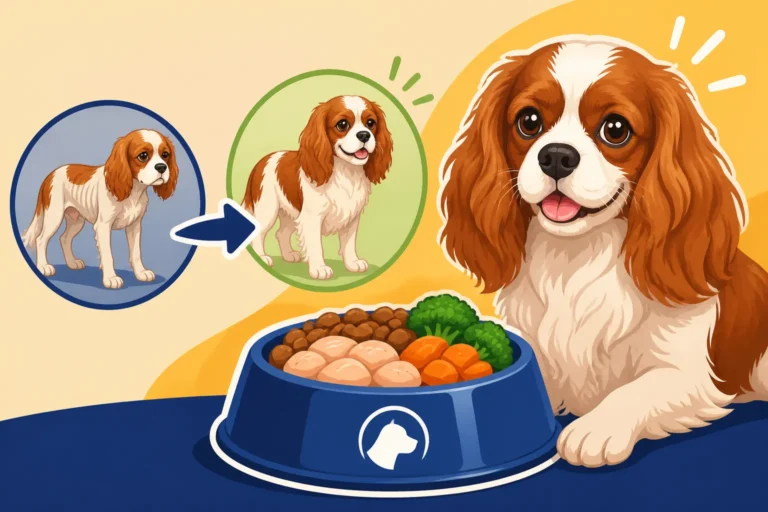
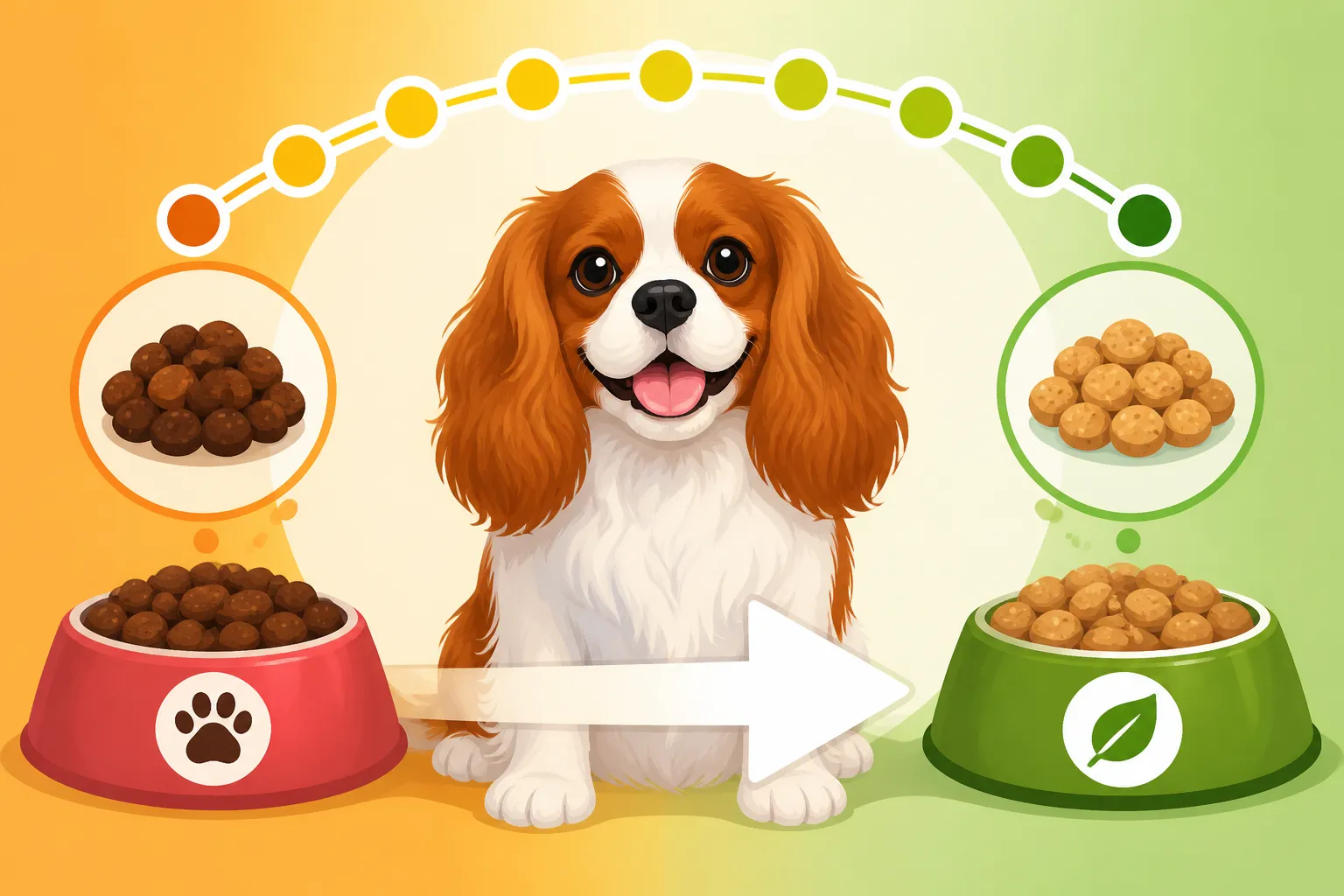
The "ten-day rule" isn't an arbitrary number; it's a widely recommended guideline that provides a gentle ramp-up for your dog's digestive system. This gradual increase allows their gut bacteria to adapt, minimizing the risk of stomach upset and ensuring they accept their new diet. Sticking to this schedule is one of the kindest things you can do for your Cavalier when making a dietary switch.
Day-by-Day Mixing Proportions
The core of the ten-day transition plan involves slowly increasing the proportion of the new food while decreasing the old. Consistency is vital here. Try to feed at the same times each day, and make sure you're accurately measuring the proportions. This isn't the time for eyeballing! A small kitchen scale can be incredibly helpful, especially if you're dealing with very small kibble or precise measurements.
Here’s a breakdown of how to mix the food over the ten days:
| Day | Old Food Percentage | New Food Percentage | Notes |
|---|---|---|---|
| 1-2 | 75% | 25% | Introduce just a small amount of the new food. Monitor for any signs of upset (loose stools, gas). If all looks good, continue. |
| 3-4 | 50% | 50% | Equal parts old and new. This is a significant step, so keep a close eye on your Cavalier's digestion and energy levels. |
| 5-6 | 25% | 75% | The majority of their meal is now the new food. Most of the adaptation should have happened by now, but some sensitive Cavaliers might still react. |
| 7-10 | 0% | 100% | Transition to 100% new food. You might choose to extend this for an extra day or two if your Cavalier is particularly sensitive or if you notice any minor changes in stool consistency that need a little more time to settle. |
During this period, ensure your Cavalier always has access to fresh, clean water. Hydration is crucial, especially if they experience any mild stomach upset.
What to Look For During the Transition
Throughout these ten days, you need to be an attentive observer. Your Cavalier's body will give you clues about how they are adapting. The primary thing to watch for is changes in their stool. Ideally, their stools should remain firm, well-formed, and consistent in color and frequency.
- Loose stools or diarrhea: This is the most common sign that you're going too fast. If you see this, immediately revert to the previous day's proportions or even go back an extra day if the upset is severe. Hold at that proportion until their stools firm up, then try to proceed again, perhaps even more slowly.
- Vomiting: While less common than diarrhea, vomiting is a clear sign of digestive distress. Stop the transition immediately and consult your vet if it persists or is accompanied by other symptoms like lethargy or loss of appetite.
- Increased gas: Some gas is normal, but excessive or foul-smelling gas could indicate that the new food isn't sitting well. You might want to slow down the transition.
- Changes in appetite: If your Cavalier enthusiastically eats the new food from day one, that's great! If they seem hesitant or refuse to eat, it could be a taste preference or early signs of discomfort. Don't force them; try to make the food more appealing or speak to your vet if they consistently refuse.
- Allergic reactions: Though less common during a simple kibble change, be vigilant for signs of food allergies, such as excessive itching, paw licking, ear infections, or skin rashes. These are usually not immediate, but can develop over time. If you suspect an allergy, you might be looking at a completely different food elimination trial process with your vet.
Remember, every Cavalier is an individual. Some might sail through the transition with no issues, while others might need a slower pace, extending the 10-day period to 14 or even 21 days. Patience is truly a virtue here. For tips on managing more severe stomach issues, you might find A Cavalier That Vomits Bile in the Morning helpful, as it touches on dietary adjustments for sensitive tummies.
Navigating Common Hurdles During a Cavalier Food Transition
Even with the best intentions and a meticulous ten-day plan, sometimes things don't go exactly as smoothly as you'd hoped. Cavaliers, bless their hearts, can throw a few curveballs our way. Knowing how to troubleshoot these common issues can save you a lot of stress and keep your pup comfortable.
When Your Cavalier Turns Up Their Nose
It's a familiar scenario: you carefully mix the old and new food, present it with love, and your Cavalier takes one sniff and walks away. Some Cavaliers are simply picky, while others might be signaling mild discomfort or suspicion about the change.
- Don't panic and don't give in immediately: If your Cavalier skips a meal or two, it's generally not a cause for immediate alarm, especially if they are otherwise healthy and energetic. Don't offer endless alternatives or "human food" toppers right away, as this can reinforce pickiness. Present the food, give them about 15-20 minutes, and if they don't eat, pick it up and offer it again at the next scheduled meal.
- Make it more palatable: Sometimes, a little enticement is all it takes. You could try adding a small amount of warm water to the kibble to create a gravy, or mixing in a tiny bit of low-sodium chicken broth. Some owners find success with a spoonful of plain pumpkin puree or a bit of unsalted cooked chicken breast. Just remember to keep these additions minimal and ideally approved by your vet, especially if your Cavalier has specific dietary needs, like a Low-Sodium Feeding for a Cavalier Heart Patient.
- Consider a different new food: If after several days of gradual introduction your Cavalier consistently refuses the new food, despite your best efforts, it might simply not be to their taste. There are so many fantastic options out there, including fresh-delivered meals like those from Ollie, or a vast selection of kibbles from retailers like Chewy or Amazon. It's okay to try a different brand or protein source if the first attempt isn't a hit. Just be prepared to start the ten-day transition process all over again!
Managing Digestive Upset
Despite a slow transition, some Cavaliers might still experience some mild digestive upset. It's not uncommon, and usually manageable at home.
- Slow down even more: If your Cavalier develops loose stools, immediately go back to the previous day's ratio (or even two days back) and hold there for a longer period. Instead of two days per step, try three or four. Extend the entire transition to two or even three weeks if necessary. Patience is key.
- Consider a bland diet reset: If the upset is significant (e.g., watery diarrhea), you might need to hit the reset button. Stop the new food entirely and feed a bland diet of plain, boiled chicken (no skin, no bones, no seasoning) and white rice for 24-48 hours until their stools firm up. Then, once their system is calm, restart the food transition from day one, but much, much slower. Always consult your vet if symptoms are severe, persistent, or if your Cavalier seems lethargic.
- Probiotics can help: A good quality canine probiotic supplement can sometimes help support gut health during a transition by replenishing beneficial bacteria. Talk to your vet about whether a probiotic would be a good addition for your Cavalier. This can be particularly helpful if your dog tends to have a sensitive stomach even normally, or has a history of Pancreatitis in a Cavalier.
When to Consult Your Veterinarian
While most food transitions can be managed at home, there are times when a professional opinion is absolutely necessary. Never hesitate to call your vet if you are concerned.
- Severe or persistent symptoms: If your Cavalier experiences severe vomiting, bloody diarrhea, extreme lethargy, or pain, seek veterinary attention immediately. These aren't just transition woes; they could indicate a more serious underlying health issue.
- Complete refusal to eat: If your Cavalier goes more than 24 hours without eating, especially if they are a puppy or a senior, it's time for a vet visit. This is particularly crucial for smaller breeds who can become hypoglycemic more quickly. An Old Cavalier That Struggles With Dry Kibble might have other issues at play.
- Allergic reactions: As mentioned earlier, if you notice signs like relentless itching, redness, ear infections, or hives, these could be signs of an allergic reaction to an ingredient in the new food. Your vet can help you pinpoint the allergen and guide you on an appropriate elimination diet.
- Underlying health conditions: If your Cavalier has a pre-existing health condition, such as heart disease (which might require a Prescription Cardiac Diets for a Cavalier) or kidney issues, any dietary change should ideally be discussed with your vet beforehand. They can advise on the best food choices and monitor for any adverse effects during the transition.
- No improvement with slowing down: If you've tried slowing down the transition considerably, even extending it to two or three weeks, and your Cavalier's digestive system still isn't settling, your vet can investigate further. There might be an ingredient that simply doesn't agree with them, or they might need a specific prescription diet.
Remember, your vet is your best partner in your Cavalier's health journey. Don't be afraid to reach out for guidance.
Disclaimer
This article is for general informational purposes only and does not constitute professional advice. Laws, prices and regulations vary by location and change over time. Consult a qualified professional for guidance on your specific situation.