A Cavalier That Vomits Bile in the Morning
Waking up to the unmistakable sound of your beloved Cavalier King Charles Spaniel retching, only to find a puddle of foamy, yellowish-green liquid, can be incredibly distressing. It's a common, yet alarming, scenario for many Cavalier owners, often happening first thing in the morning when their tummies are completely empty. This guide will walk you through why your Cavalier might be vomiting bile, what it means, and what practical steps you can take to bring relief and understanding to this unsettling problem.
Understanding Bilious Vomiting in Cavaliers
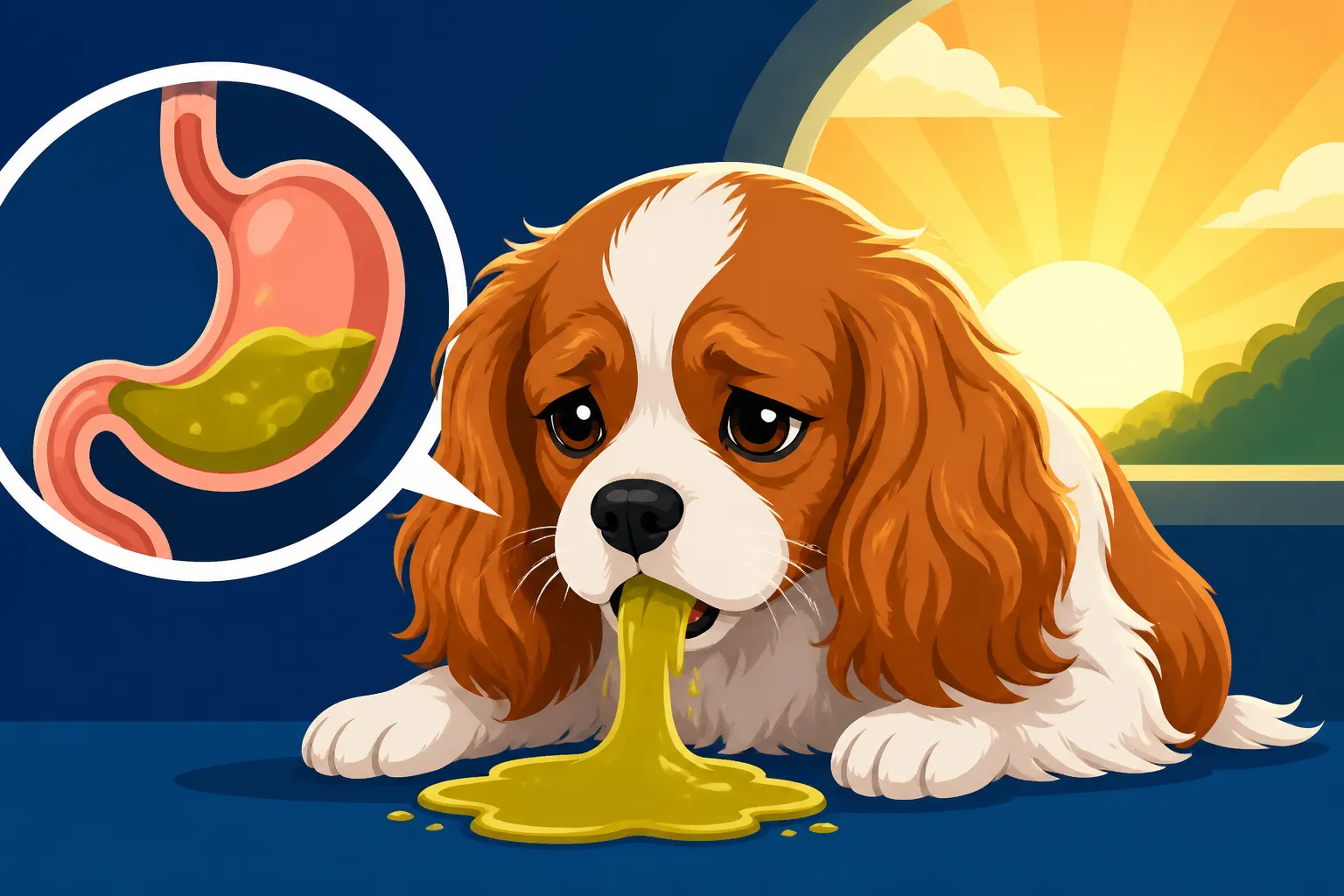
When your Cavalier throws up a yellow or greenish liquid, what you're seeing is bile. Bile is a digestive fluid produced by the liver and stored in the gallbladder. Its primary role is to help break down fats in the small intestine. Normally, bile is released into the small intestine when food is present. However, when a dog's stomach is empty for too long, bile can sometimes reflux back into the stomach, irritating the lining and triggering vomiting. This is often referred to as "bilious vomiting syndrome" (BVS) or simply "hunger pukes."
What is Bile and Why Does It Appear?
Bile itself isn't a problem; it's a vital part of digestion. The issue arises when it ends up in the wrong place at the wrong time. Imagine your Cavalier's digestive system as a series of connected pipes and valves. Food moves from the stomach to the small intestine, and bile flows into the small intestine to meet it. When the stomach is empty, the sphincter muscle that normally keeps bile out might relax, allowing bile to slosh back into the stomach. This acidic liquid then acts as an irritant to the delicate stomach lining, leading to nausea and, ultimately, vomiting. The yellow or green color comes from bilirubin, a pigment in the bile.
The "Empty Stomach" Connection
The term "empty stomach" is key here. Cavaliers, like many small breeds, can have sensitive stomachs, and a prolonged period without food allows stomach acid and bile to build up. This is why many owners notice the vomiting first thing in the morning, after a long overnight fast. It can also happen if they've missed a meal, or if there's a significant gap between dinner and breakfast. The irritation isn't necessarily a sign of a severe underlying disease, but rather a mechanical response to an irritant in a sensitive system. However, it's crucial not to dismiss it, as recurrent vomiting can lead to other issues or mask a more serious condition.
Common Causes of Morning Bile Vomiting
While Bilious Vomiting Syndrome (BVS) is a frequent culprit, it's not the only reason a Cavalier might vomit bile. Several factors, ranging from simple feeding habits to more complex health concerns, can contribute to this issue. It's important to consider all possibilities, especially if the vomiting is persistent or accompanied by other symptoms.
Bilious Vomiting Syndrome (BVS) and Hunger Pukes
As discussed, BVS is often the result of an empty stomach. Cavaliers can be prone to this because of their size and potentially faster metabolism, or simply a sensitivity in their digestive tract. If your Cavalier typically vomits bile in the early morning, and seems otherwise healthy and energetic throughout the day, BVS is a strong contender. The body is essentially saying, "Hey, my stomach lining is getting irritated, and I need something to buffer this acid!" It's the most common and often the easiest cause to manage. You might notice your Cavalier acts perfectly normal after vomiting, perhaps even eager for breakfast, which further points to hunger or an empty stomach as the trigger.
Dietary Factors and Food Intolerances
Sometimes, it's not just when your Cavalier eats, but what they eat. Certain foods can be irritating to a Cavalier's digestive system. This could be due to food allergies, intolerances, or simply a diet that's too rich, too fatty, or too low in fiber for their particular stomach. Switching dog foods abruptly, introducing new treats, or even table scraps can upset their delicate balance. For instance, a diet high in fat can sometimes delay stomach emptying, allowing bile to sit longer and potentially reflux. Conversely, a diet too low in fat might not trigger sufficient bile release during meals, leading to a buildup that irritates later. It's a tricky balance to find the right food.
It's worth considering if specific ingredients in their regular kibble or wet food could be the problem. Many owners experiment with different protein sources or grain-free options to see if symptoms improve. Brands like Ollie, which offer fresh, human-grade food, or specific sensitive-stomach formulas found on Chewy, might be options worth exploring under veterinary guidance.
Underlying Health Conditions
While often benign, bile vomiting can also be a symptom of more serious underlying health issues. This is why veterinary consultation is paramount. Conditions such as pancreatitis, inflammatory bowel disease (IBD), gastrointestinal parasites, or even certain metabolic disorders can manifest with vomiting. For an older Cavalier, kidney disease or liver issues might also be a factor, though typically these would come with a host of other symptoms. Even chronic stress or anxiety can sometimes contribute to digestive upset, as the gut-brain axis is a powerful connection in dogs just as it is in humans.
Furthermore, it's important to remember that Cavaliers are prone to certain breed-specific health challenges. While not directly linked to bile vomiting, conditions that cause general discomfort or pain, such as Syringomyelia and Chiari Malformation in Cavaliers, could indirectly affect appetite or stress levels, leading to stomach upset. Any sudden change in behavior, lethargy, or repeated vomiting warrants immediate veterinary attention to rule out these more serious causes.
Diagnosis and When to See Your Vet
If your Cavalier starts vomiting bile, especially if it's a new or recurring issue, a visit to your veterinarian is always the best first step. While it might be a simple case of hunger pukes, ruling out more serious conditions is crucial for your peace of mind and your dog's well-being. Don't try to self-diagnose based solely on internet research; your vet has the tools and expertise to pinpoint the problem.
What to Tell Your Veterinarian
When you call or visit the vet, be prepared to provide a detailed history. This information is invaluable for diagnosis. Think about:
- Frequency and Timing: How often does the vomiting occur? Is it only in the morning, or at other times? Is it daily, weekly, or more sporadic?
- Appearance of Vomit: Is it consistently yellow/green, or is there food, foam, or anything else mixed in?
- Eating Habits: Has their appetite changed? Are they eating all their meals? When was their last meal before vomiting?
- Other Symptoms: Are they lethargic, refusing food, having diarrhea, straining to defecate, or showing any signs of pain or discomfort? Any changes in water intake or urination?
- Recent Changes: Have you changed their food, treats, supplements, or routine? Have they been exposed to anything new they might have eaten?
- Medications: Are they currently on any medications or supplements?
- Underlying Health: Does your Cavalier have any known health conditions, such as heart murmurs (which might affect choices for Anesthesia Risk in a Cavalier With a Murmur if diagnostics are needed)?
Your vet will likely start with a thorough physical examination, checking their overall condition, hydration, and abdominal comfort. They might recommend further diagnostics based on their findings and your history.
Diagnostic Tools Your Vet Might Use
To get to the bottom of recurrent bile vomiting, your vet might suggest a range of diagnostic tests. These help them either confirm a simple diagnosis like BVS or rule out more serious issues.
- Blood Work: A complete blood count (CBC) and biochemistry panel can check for signs of infection, inflammation, anemia, or issues with organ function (kidney, liver, pancreas). For example, elevated pancreatic enzymes could point to Pancreatitis in a Cavalier.
- Fecal Exam: This checks for intestinal parasites that could be causing gastrointestinal upset.
- Abdominal X-rays: These can sometimes reveal foreign bodies, obstructions, or significant inflammation in the digestive tract.
- Ultrasound: A more advanced imaging technique, an abdominal ultrasound can provide detailed images of the stomach, intestines, pancreas, liver, and other organs, helping to identify inflammatory conditions, tumors, or structural abnormalities.
- Dietary Trial: If food intolerance is suspected, your vet might recommend a strict hypoallergenic diet for a period to see if symptoms resolve. This is a common and often effective diagnostic step.
It's important to understand that these tests can incur costs, so it's wise to have an emergency fund or pet insurance, as discussed in The Emergency Fund a Cavalier Owner Needs, to help manage unexpected veterinary bills.
Management and Prevention Strategies
Once your veterinarian has identified the likely cause of your Cavalier's morning bile vomiting, you can work together to implement a management and prevention plan. For many Cavaliers, simple adjustments to their feeding routine or diet can make a world of difference. However, if an underlying medical condition is found, the treatment will be tailored specifically to that diagnosis.
Adjusting Feeding Schedules and Meal Frequency
For Cavaliers diagnosed with Bilious Vomiting Syndrome (BVS) or "hunger pukes," the most effective strategy is often to prevent their stomach from becoming too empty. This usually involves increasing the frequency of meals, particularly ensuring there isn't a long overnight fast.
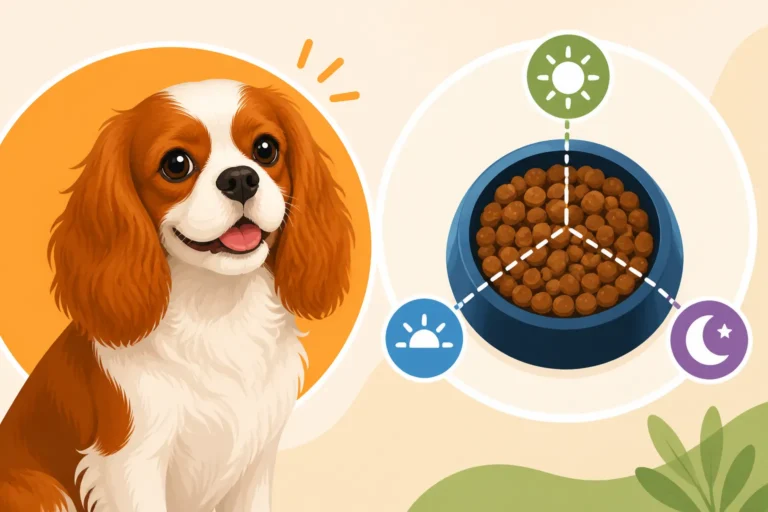
- Smaller, More Frequent Meals: Instead of two large meals a day, try feeding three smaller meals. This means breakfast, lunch, and dinner, potentially with a small snack before bedtime. This helps to keep the digestive system gently working throughout the day and provides a buffer against acid and bile buildup. Feeding a Cavalier Two Meals a Day is a common practice, but for those with BVS, more frequent feeding might be necessary.
- Late-Night Snack: A small, easily digestible snack right before you go to bed can be a game-changer. This could be a few kibble pieces, a spoonful of plain pumpkin puree, or a small portion of plain cooked chicken. The goal is just to put a little something in their stomach to absorb acids overnight. You can easily find suitable, healthy snacks on platforms like Amazon or Chewy.
- Consistency is Key: Once you find a schedule that works, stick to it. Cavaliers thrive on routine, and consistent meal times can help their digestive system regulate itself better.
Dietary Changes and Food Choices
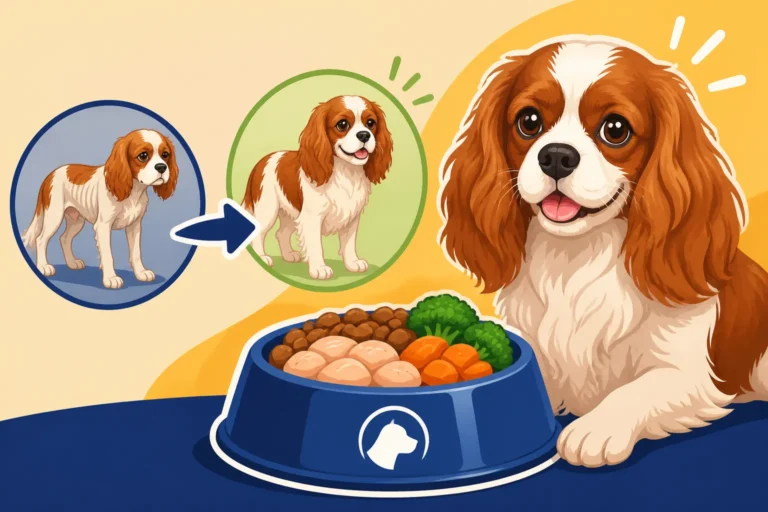
The type of food your Cavalier eats can also play a significant role. If dietary intolerance or sensitivity is suspected, your vet might suggest specific changes.
- Sensitive Stomach Formulas: Many pet food brands offer formulas specifically designed for sensitive stomachs. These often contain easily digestible ingredients, novel proteins, or specific fiber blends. Read labels carefully or ask your vet for recommendations.
- Low-Fat Diets: In some cases, reducing the fat content in their diet can help, especially if pancreatitis or delayed stomach emptying is a concern.
- Novel Protein or Hydrolyzed Diets: If food allergies are suspected, your vet might recommend a novel protein diet (using a protein source your Cavalier hasn't eaten before, like duck or venison) or a hydrolyzed protein diet (where proteins are broken down into tiny particles to avoid triggering an immune response).
- Consult Before Switching: Always consult your vet before making drastic changes to your Cavalier's diet, especially if they have other health conditions like a heart murmur that might require a specific Whether Diet Slows a Cavalier's Heart Disease approach. Sudden changes can sometimes worsen digestive upset rather than improve it. Remember to transition any new food slowly over 7-10 days to avoid further stomach upset.
Medications and Supplements
In some instances, particularly if dietary and schedule changes aren't enough, your vet might prescribe medications or recommend supplements.
- Acid Reducers: Medications that reduce stomach acid, such as antacids or H2 blockers, can be very effective in lessening stomach irritation. These are often given before the anticipated time of vomiting (e.g., late evening).
- Prokinetics: These medications help to speed up stomach emptying and can prevent bile from refluxing into the stomach.
- Probiotics: While not a direct treatment for BVS, probiotics can support overall gut health and may help sensitive digestive systems function more efficiently. They can be found in various forms, including powders and chews, often available from pet supply retailers.
- Anti-Nausea Medication: In severe or persistent cases, anti-nausea medications might be prescribed temporarily to help break the cycle of vomiting and allow the stomach to heal.
These are typically short-term solutions or used in conjunction with dietary and schedule changes. Always follow your veterinarian's instructions carefully regarding dosage and duration for any prescribed medication.
Long-Term Monitoring and Care
Even after the immediate issue is resolved, consistent monitoring is essential. Keep a journal of any episodes of vomiting, noting the date, time, what was vomited, and any other symptoms. This record can be incredibly helpful if symptoms return or change.
For older Cavaliers, regular check-ups are especially important, as conditions can develop or worsen with age. Caring for a Cavalier Past Nine involves a proactive approach to health, and monitoring digestive health is certainly part of that. Maintain open communication with your vet, and don't hesitate to reach out if you have concerns or if your Cavalier's symptoms change. With patience and persistence, most Cavaliers who vomit bile in the morning can find significant relief and live comfortable, happy lives.
| Symptom Feature | Bilious Vomiting Syndrome (BVS) | Food Sensitivity/Intolerance | Underlying Medical Condition |
|---|---|---|---|
| Typical Timing | Early morning, empty stomach | Any time, often hours after eating | Can be constant, intermittent, or escalating |
| Vomit Appearance | Yellow/green liquid, possibly foamy | Food, bile, sometimes undigested food | Varies, often food, bile, or blood |
| Other Symptoms | Otherwise bright, hungry after vomiting | Soft stools, gas, itching, skin issues | Lethargy, diarrhea, weight loss, fever, pain |
| Response to Food | Improves with smaller, more frequent meals | Improves with dietary change | May not improve with simple dietary changes |
| Urgency to Vet | Consult if new or persistent | Consult if persistent or worsening | Immediate consultation, especially if severe |
Disclaimer
This article is for general informational purposes only and does not constitute professional advice. Laws, prices and regulations vary by location and change over time. Consult a qualified professional for guidance on your specific situation.