Meals a Day for a Cavalier Puppy Under Six Months
Bringing home a Cavalier puppy is an absolute joy, but it can also be a little overwhelming, especially when it comes to figuring out their feeding schedule. You might be staring at that tiny, adorable bundle of fluff, wondering if you're feeding them enough, too much, or at the right times. It's a common worry for new puppy parents, as puppies aren't just mini versions of adult dogs; their nutritional needs and tiny digestive systems require a very specific approach. This guide is here to walk you through exactly how many meals a day your Cavalier puppy needs from the moment they arrive home until they're six months old, helping you ensure they grow up healthy and strong.
Why Puppy Feeding Schedules Differ from Adult Cavaliers
It’s tempting to think of a puppy as just a small dog, but their little bodies are working overtime, growing at an incredible rate, and they simply can’t handle food the way an adult Cavalier does. Their stomachs are tiny, their energy demands are sky-high, and their blood sugar levels can drop dangerously low if they don't eat regularly. This isn't just about avoiding a hungry whine; it's about supporting crucial developmental stages and maintaining their health.
Tiny Tummies, Big Energy Needs
Imagine trying to fuel a rapidly growing human baby on just two meals a day – it simply wouldn't work, right? The same goes for your Cavalier puppy. Their digestive systems are immature and small, meaning they can only consume a limited amount of food at one time before feeling uncomfortably full. However, these little guys are also energy machines! They're exploring, learning, playing, and building muscle and bone at an astonishing pace. All this activity, combined with their rapid growth, burns a huge amount of calories throughout the day.
If you try to give them too much food in one sitting, their tummy can’t handle it, leading to digestive upset, bloat, or simply leaving half their meal. But if you spread out their daily calorie intake over several smaller meals, it's much easier for their system to process. This steady supply of nutrients supports their constant energy needs without overwhelming their little bodies. Think of it like constant refueling for a race car that’s always on the track.
Rapid Growth and Development
From the day they’re born until around six months, your Cavalier puppy is undergoing an incredible transformation. They're not just getting bigger; their bones are lengthening, their muscles are strengthening, their organs are maturing, and their brains are developing. This period of rapid growth demands a consistent and high-quality nutrient supply. Every single bite of puppy food provides the building blocks for their future health.
Missing meals or having inconsistent feeding times can disrupt this critical process. While an adult Cavalier might skip a meal without much consequence, a growing puppy needs that steady stream of protein, fats, vitamins, and minerals to develop properly. This is especially true for a breed like the Cavalier, which has delicate systems to begin with. Ensuring they get The Ration a Cavalier Puppy Needs at Each Age is paramount to their overall development.
Preventing Hypoglycemia
One of the most serious risks for small breed puppies, like Cavaliers, if they don't eat frequently enough is hypoglycemia, or dangerously low blood sugar. Puppies, especially those under three months, don't have the robust fat reserves or fully developed livers that adult dogs do, which are essential for regulating blood sugar. Their bodies burn through glucose very quickly due to their high metabolism and constant activity.
If they go too long without food, their blood sugar can plummet. The signs of hypoglycemia can be subtle at first: lethargy, weakness, wobbliness, or seeming disoriented. If left unchecked, it can quickly escalate to seizures, collapse, and even be fatal. This is why consistent, frequent small meals are not just about good nutrition, but about critical health management for your tiny Cavalier puppy. It's a key reason why breeders emphasize regular feeding schedules before puppies go to their new homes.
Recommended Feeding Frequency by Age
Navigating the exact number of meals can feel a bit like guesswork, but there are clear guidelines for your Cavalier puppy's age. It's a journey from frequent, tiny meals to a more structured, fewer-meals-a-day schedule as they mature. Always remember that these are general guidelines, and your vet's advice, especially in the first few weeks, is gold.
Newborn to Eight Weeks: Breeder's Role and First Weeks Home
For puppies in this very early stage, up to about eight weeks, their primary source of nutrition is their mother’s milk. For the first few weeks, they nurse almost constantly, getting exactly what they need, when they need it. Around 3-4 weeks, the breeder will typically start introducing a gruel or moistened puppy kibble, a process called weaning. This transition is gradual, slowly reducing reliance on mother's milk as they learn to eat solid food. By eight weeks, when most puppies are ready to go to their forever homes, they should be fully weaned and comfortably eating puppy kibble.
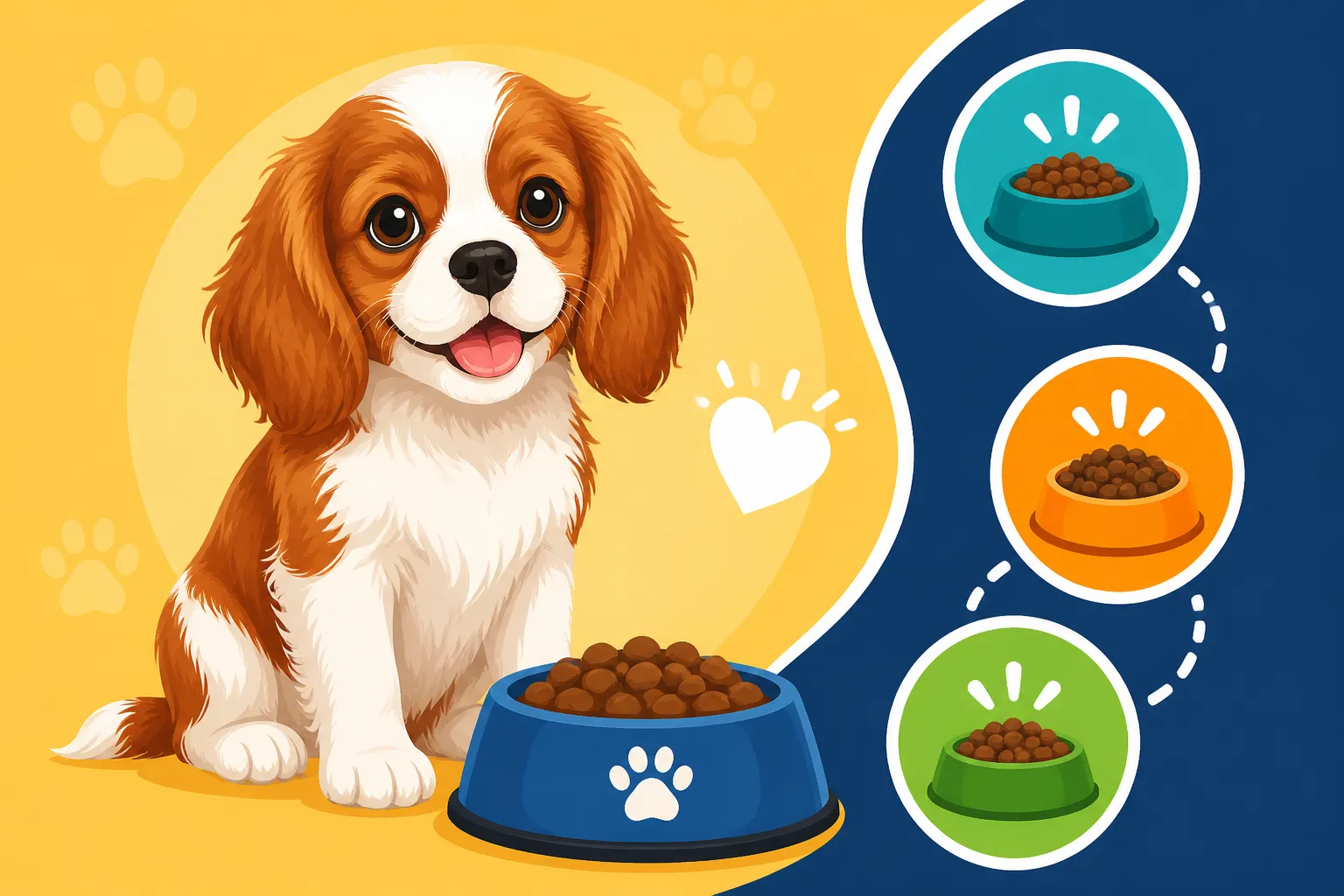
At this point, typically 8-9 weeks old when you bring your new Cavalier puppy home, they should be eating four small meals a day. Consistency is key here. Pick a schedule and stick to it as closely as possible, spacing out meals evenly throughout your day. For example, 7 AM, 12 PM, 5 PM, and 9 PM might work. This frequent feeding helps manage their blood sugar, ensures consistent growth, and eases the transition into their new home. Remember to ask your breeder exactly what food they were eating, as suddenly switching brands can cause digestive upset. Most reputable breeders will provide you with a small bag of their current food.
Eight Weeks to Three Months: The Crucial Adjustment Period
Once your Cavalier puppy is settled in, usually from 8 weeks up to about 12-14 weeks, maintaining that schedule of four meals a day is still incredibly important. This period is often when puppies are most vulnerable to hypoglycemia if not fed regularly. They are still growing very, very quickly and expending a lot of energy exploring their new world, engaging in Five-Minute Training Sessions With a Cavalier, and just generally being curious puppies.
Continue to feed a high-quality small breed puppy food. You can find excellent options on platforms like Chewy, which often have a wide variety tailored to sensitive puppy stomachs and specific breed sizes. Make sure the kibble size is appropriate for their tiny mouths to prevent choking and encourage proper chewing. Each meal should be a controlled portion size, as overfeeding can lead to rapid growth that puts strain on developing joints, even in small breeds. Always ensure fresh water is available alongside their meals.
Three to Six Months: Steady Growth and Preparation for Change
As your Cavalier puppy cruises past three months and heads towards six, their growth rate might slightly plateau compared to the initial explosive period, but they are still very much growing. At this stage, typically around 3-4 months old, many Cavalier puppies can transition from four meals a day down to three meals a day. This is a gentle shift, not a sudden cut.
You might start by gradually increasing the portion size of each of the three remaining meals, ensuring their total daily calorie intake remains the same while removing one of the meal times. For instance, if you were doing 7 AM, 12 PM, 5 PM, 9 PM, you might drop the 9 PM meal and slightly increase the 12 PM and 5 PM portions, leaving you with 7 AM, 12 PM, 5 PM. Observe your puppy closely during this transition. Are they still energetic? Are they finishing their meals? Are there any signs of digestive upset? This period is also when you'll really notice The Weight a Cavalier Reaches at Six Months, and ensuring they're on a healthy trajectory is essential.
Here’s a helpful table summarizing the general feeding frequency for your Cavalier puppy:
| Age Range | Recommended Meals Per Day | Key Considerations |
|---|---|---|
| Newborn to 8 Weeks | 4-5 (or nursing) | Breeder manages weaning; by 8 weeks, fully weaned and on kibble. |
| 8 Weeks to 3 Months | 4 | Crucial for blood sugar stability; high energy demands; adjust to new home. |
| 3 Months to 6 Months | 3 | Transition from 4 to 3 meals; steady growth; monitor appetite and energy. |
| 6 Months to 12 Months | 2-3 | Further transition towards adult feeding; monitor body condition; switch to adult food around 10-12 months. |
Transitioning to Fewer Meals
The idea of cutting down a meal might make you feel a little guilty, but it's a natural part of your Cavalier puppy's development. As their digestive system matures and their growth rate slows down slightly, they become more capable of processing larger meals and maintaining stable blood sugar levels over longer periods. The key is to make this transition as smooth and stress-free as possible, both for your puppy and for your peace of mind.
Signs Your Puppy Is Ready
How do you know it's time to reduce a meal? Your puppy will often give you clues! One of the most common signs is if they start leaving food in their bowl at one of the four scheduled meals, especially the last one of the day. They might pick at it, or just walk away, indicating they're not quite as ravenous as they used to be. Another sign is if they seem to have consistent energy levels and good weight gain, without any bouts of lethargy or sudden hunger pangs between meals.
Also, consider their age; most puppies are ready to drop to three meals a day between 3 and 4 months old. If your puppy is consistently a Cavalier that will not eat a particular meal or is easily distracted from it, this could be a gentle nudge that their body is ready for fewer, slightly larger feedings. Don't rush it; readiness is more important than a strict calendar date.
The Gradual Approach
When it's time to transition, don't just abruptly cut out a meal. This can be jarring for their digestive system and their routine. Instead, take a gradual approach over several days, or even a week. Start by slightly reducing the portion size of the meal you plan to eliminate. For example, if you're dropping the midday meal, slightly reduce its size over a couple of days while slightly increasing the morning and evening meals to compensate.
Once that meal is quite small, you can then eliminate it entirely, ensuring the remaining three meals are now appropriately portioned to provide their full daily caloric intake. You can use a kitchen scale (easily found on Amazon) to accurately measure kibble, especially if you're adjusting portions. This method allows your Cavalier's digestive system to adapt to the new schedule and prevents sudden hunger or discomfort. Remember, consistency in total daily food volume is critical, just spread out differently.
Monitoring Digestion and Appetite
Throughout any feeding schedule change, continuous monitoring of your Cavalier puppy is non-negotiable. Pay close attention to their appetite: are they still eager for their meals? Are they finishing their food within a reasonable time? A puppy suddenly showing disinterest in food after a change might be telling you the transition was too fast or that something isn't quite right. On the other hand, if they seem excessively hungry between meals, it might mean their portions need a slight adjustment or they weren't quite ready for fewer meals.
Digestion is another key indicator. Keep an eye on their stools. Any sudden changes in consistency, frequency, or color could signal digestive upset. Loose stools or diarrhea often indicate a problem with their diet or the speed of transition. If you notice any concerning symptoms, always consult your veterinarian. Brands like Ollie offer fresh, pre-portioned food that can sometimes aid in smoother digestion due to its highly digestible nature, but even with premium foods, transitions need care. The Ten Days It Takes to Change Cavalier Food is a good rule of thumb for any dietary adjustments, even frequency.
Factors Affecting Feeding Frequency Beyond Age
While age provides a solid framework for how many meals a day your Cavalier puppy needs, it's not the only piece of the puzzle. Just like humans, every puppy is an individual, and several other factors can influence their ideal feeding frequency. Being attuned to these nuances will help you fine-tune your puppy's schedule to best suit their unique needs.
Individual Puppy Metabolism
Not all Cavalier puppies burn calories at the same rate. You might have one puppy who is a little dynamo, constantly zipping around, playing, and burning through energy like a tiny furnace. Another might be a bit more laid-back, preferring naps and gentle play. These differences in activity and inherent metabolism will influence how quickly they process their food and, consequently, how often they need to refuel.
A high-energy puppy might genuinely need that extra small meal a bit longer than their calmer sibling, just to keep their blood sugar stable and prevent them from looking too thin. Conversely, a less active puppy might do perfectly fine on fewer meals a little earlier. It’s about finding the balance for your specific puppy, not just following a rigid rule. Observe their body condition, their energy levels, and their general demeanor to gauge if their feeding schedule is truly meeting their metabolic demands. You should be able to feel their ribs easily without seeing them sharply.
Activity Levels
A Cavalier puppy’s day is usually a mix of intense play, short training sessions, and plenty of naps. However, some days might be more active than others. Perhaps you take them to Socializing a Cavalier Puppy Gently for the first time, or they have a particularly long and exciting play session in a secure yard. On these days, their caloric expenditure will be higher, and they might actually need a slightly larger portion at their next meal, or if they are still very young, even an extra tiny meal or a high-quality, easily digestible snack.
Conversely, on a day where they're feeling a bit under the weather and less active, or perhaps it's a very hot day and they're just lounging, their caloric needs might be a bit lower. The key is flexibility within a consistent framework. You shouldn't constantly change their meal times, but be prepared to adjust portion sizes slightly based on their daily activity. Providing appropriate What a Teething Cavalier Can Safely Gnaw can also offer some calorie expenditure and mental stimulation.
Health Concerns and Special Diets
Occasionally, a Cavalier puppy might have specific health concerns that impact their feeding frequency. For example, a puppy recovering from an illness or one that is prone to digestive upset might benefit from more frequent, even smaller meals to prevent overwhelming their system. Your veterinarian might recommend a specific prescription diet, which often comes with its own feeding guidelines tailored to the therapeutic needs.
If your puppy has any diagnosed condition, or if you notice persistent issues like vomiting, diarrhea, or a lack of appetite, always consult your vet. They might suggest a temporary adjustment to a specific number of meals, or recommend a particular type of food, such as a sensitive stomach formula from a brand like Chewy, or even a fresh food option like Ollie, which can sometimes be easier to digest. Whether Pet Insurance Is Worth It for a Cavalier can be a concern if these health issues lead to unexpected vet bills, so it's something to consider early on. Remember, diet plays a huge role in supporting overall health and recovery.
Disclaimer
This article is for general informational purposes only and does not constitute professional advice. Laws, prices and regulations vary by location and change over time. Consult a qualified professional for guidance on your specific situation.