Water Bowls Deep Enough for Cavalier Ears
Anyone who shares their life with a Cavalier King Charles Spaniel knows the endearing charm of those long, silky ears. They frame their sweet, expressive faces perfectly. But let's be honest, those beautiful ears also present a constant, low-level frustration, especially when it comes to hydration. You fill the water bowl, your beloved Cavalier takes a drink, and within seconds, those gorgeous ears are dripping wet, leaving trails of water across your floor and themselves. This guide is dedicated to solving that soggy dilemma, diving deep into water bowl options and strategies to keep your Cavalier's ears dry, clean, and healthy.
The Unique Challenge of Cavalier Ears and Hydration
It's not just a matter of aesthetics or a little extra clean-up; constantly wet ears can lead to genuine health issues for your Cavalier. Understanding why those ears get so wet and what the consequences are is the first step toward finding a sustainable solution.
Why Those Beautiful Ears Are a Problem
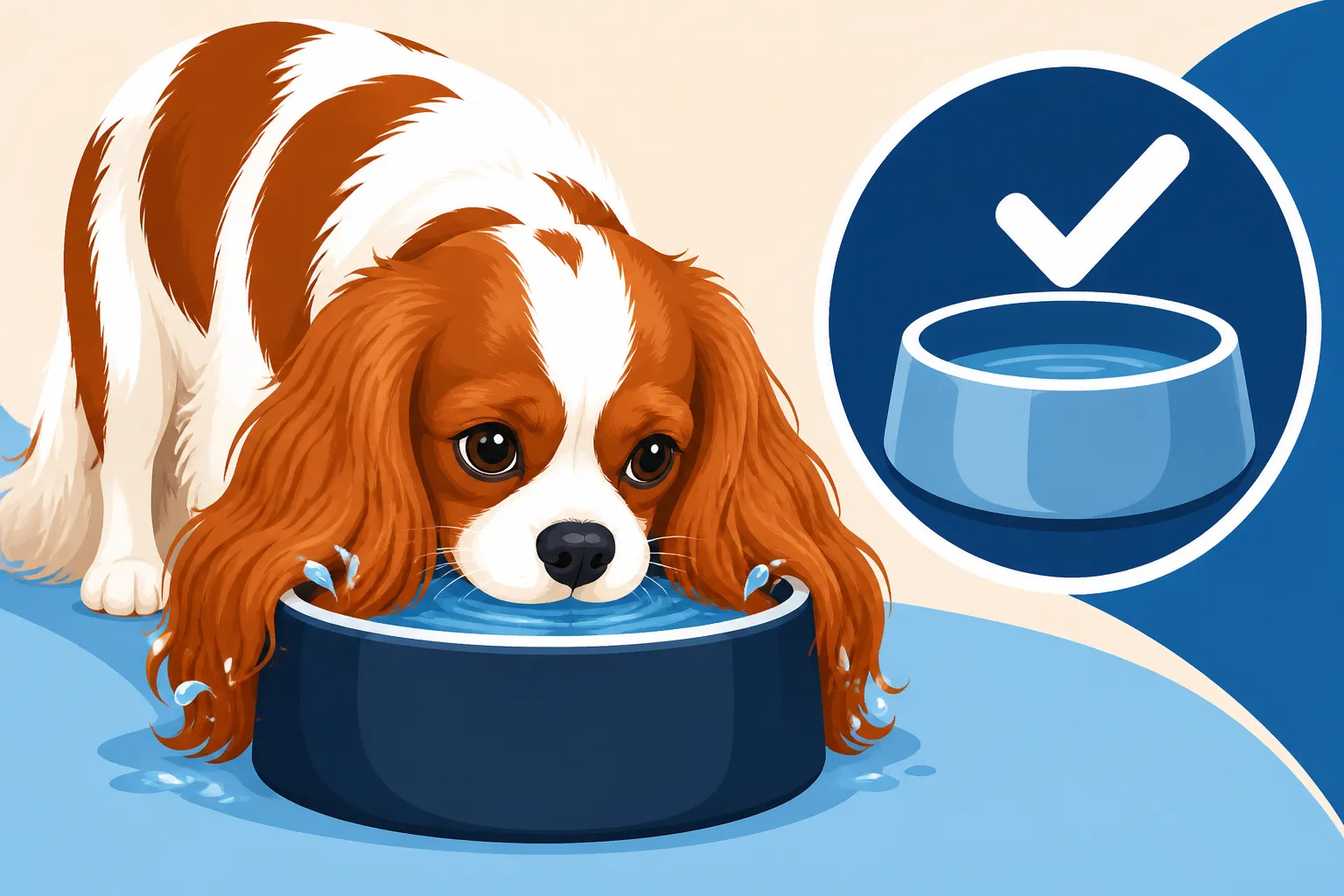
Cavalier King Charles Spaniels are famous for their long, feathered drop ears. Unlike breeds with pricked ears or shorter ear leather, a Cavalier's ears hang low, often reaching past their jawline. When they lean down to drink from a traditional water bowl, there's simply no way to keep those luxurious ear fringes out of the water. It's a design flaw, if you will, when it comes to a standard, wide-rimmed bowl. Their heads are positioned perfectly for their ears to dip right into the liquid, soaking up water like sponges.
Imagine trying to drink from a glass with very long hair that constantly falls into your beverage – it’s inconvenient and messy. For a Cavalier, this isn't just a fleeting inconvenience. Every single time they take a sip, their ears are immersed. This constant dunking means the feathering on their ears becomes perpetually damp, and the skin underneath can suffer. It’s a battle many Cavalier owners fight daily, often resorting to quick towel-dries after every drink, which simply isn't practical or sustainable in the long run.
The Unseen Risks of Constantly Wet Ears
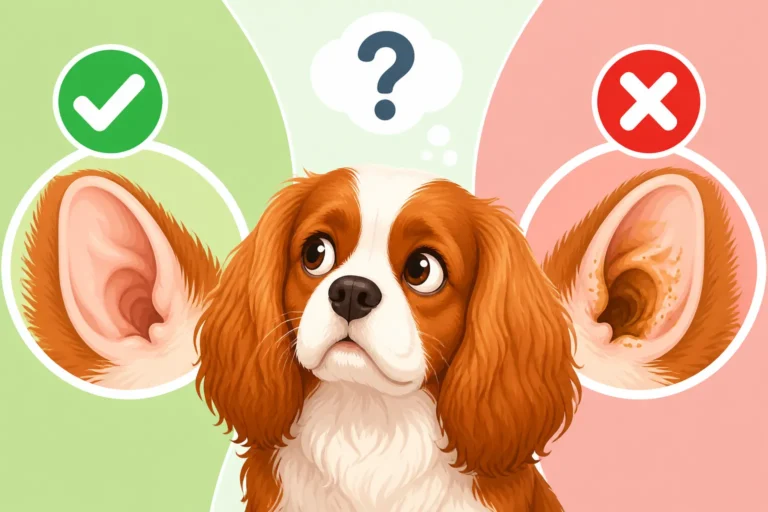
Beyond the obvious mess, consistently wet ears pose several health risks for your Cavalier. The warm, dark, and damp environment created by wet ear leather is an absolute breeding ground for bacteria and yeast. This is precisely why many Cavaliers are prone to Cavalier Ear Infections and Why They Recur. These infections can be incredibly painful for your dog, leading to discomfort, itching, head shaking, and even a foul odor. If left untreated, chronic ear infections can lead to more serious problems, including hearing loss.
Furthermore, the delicate feathering on a Cavalier's ears is also susceptible to matting when repeatedly wet. Water can cause the fine hair to clump together, and if not brushed out immediately and thoroughly, these mats can quickly tighten and become painful. Mats pull on the skin, can restrict blood flow, and may even lead to skin irritation or sores. Over time, the constant moisture can also lead to staining on lighter-colored Cavaliers, giving their beautiful ears a persistent yellowish tint that is difficult to remove. This isn't just cosmetic; it's a sign of ongoing moisture and potential skin issues.
Understanding Different Water Bowl Designs for Cavaliers
Thankfully, you're not doomed to a lifetime of soggy Cavalier ears. Innovators and savvy pet owners have developed various solutions, from specialized bowls to clever accessories, all designed to keep those ears dry while ensuring your pup stays well-hydrated.
The Traditional Bowl Conundrum
Most dog bowls on the market are designed with a wide, open top. They're great for easy access for many breeds, but for a Cavalier, they are part of the problem. Picture a standard ceramic or stainless steel bowl with a diameter of six to eight inches. When your Cavalier leans in to drink, their long ear flaps naturally fall forward and dip directly into the water. It’s unavoidable. The wide surface area of the water means there’s nowhere for their ears to go but into the drink.
These bowls contribute to the messy cycle of wet ears, dripping water, and the potential for ear infections and matting. While they might be readily available and often less expensive, they are a false economy if they lead to constant cleaning, extra grooming, and costly vet visits for ear issues down the line. Many well-meaning owners simply don't realize that the bowl itself is exacerbating the problem, thinking it's just a "Cavalier thing" they have to live with.
Enter the "Spaniel Bowl"
The most direct and often most effective solution is the aptly named "spaniel bowl" or "Cavalier bowl." These bowls are specifically designed with the long-eared dog in mind. They feature a much narrower opening at the top, typically funneling down to a wider base for stability. This constricted opening allows the dog to access the water with their muzzle, but the narrow rim effectively keeps their long ear leather from dipping in.
Spaniel bowls come in various materials, from ceramic to stainless steel, and are available from retailers like Chewy and Amazon. They encourage a more deliberate drinking posture and, in many cases, completely eliminate the problem of wet ears. It's a simple, yet highly effective, design modification that can make a world of difference for both your Cavalier's hygiene and your household cleanliness. They're an absolute game-changer for many owners and should be one of the first things you consider.
Elevated Bowls and Their Role
Elevated feeding and water bowls are another option that can complement a spaniel bowl or even work on its own for some Cavaliers. The idea behind elevated bowls is to raise the eating and drinking surface to a more comfortable height for your dog, reducing strain on their neck and joints. For Cavaliers, this elevation can also help keep their ears from dipping as deeply into the water, particularly if they are already using a narrower spaniel-style bowl.
While not a direct "ear-saver" like the spaniel bowl, an elevated stand can make it more awkward for their ears to hit the water, especially for taller Cavaliers or those with slightly shorter ear feathering. It can also be beneficial for older Cavaliers who might have Pain Management for a Senior Cavalier issues or A Cavalier That Refuses Stairs due to joint pain, making hydration more accessible and comfortable. You can find elevated feeders with cutouts for standard bowls or purchase stands designed to hold specialized spaniel bowls, giving you flexibility.
Innovative Solutions: Floating Discs and Water Fountains
Beyond specialized bowl shapes, there are other clever products designed to manage water consumption and keep ears dry. One popular option is a water bowl with a floating disc or plate. These discs rest on the surface of the water and only allow a small amount of water to pool up through a central hole or around the edges when the dog presses their tongue down. This significantly reduces the open water surface area, making it very difficult for ears to get wet. The downside is that some dogs don't like the sensation of the floating disc and might be hesitant to drink at first.
Another increasingly popular choice is a pet water fountain. Many fountains have a design where the water bubbles up or flows over a surface, then collects in a reservoir before being recirculated. The constant movement can encourage dogs to drink more, and some designs are naturally better at keeping ears dry due to their smaller collection pools or elevated drinking surfaces. However, you'll want to carefully research fountain designs to ensure they specifically address the "wet ear" issue, as not all fountains are created equal in this regard. Regular cleaning of fountains is also critical to prevent slime and bacterial buildup, just like any other water source.
Choosing the Right Material and Size for Your Cavalier's Water Bowl
Once you've decided on the type of water bowl, it's time to consider the practical aspects: what it's made of and how big it should be. These factors play a significant role in durability, hygiene, and your Cavalier's comfort.
Material Matters: Stainless Steel, Ceramic, and Plastic
Each material has its pros and cons when it comes to dog bowls, and these become even more important when considering a breed prone to specific health issues like the Cavalier.
- Stainless Steel: This is often considered the gold standard for dog bowls, and for good reason. Stainless steel is durable, non-porous, and incredibly easy to clean. It resists bacteria growth, doesn't impart flavors to the water, and is virtually indestructible. Many spaniel bowls are made from stainless steel, making them an excellent choice for longevity and hygiene. They can be a bit noisy if your Cavalier nudges them around, but the benefits usually outweigh this minor inconvenience. You can often find a wide selection on Amazon or Chewy.
- Ceramic: Ceramic bowls are attractive and weighty, making them stable and less prone to tipping. They are also non-porous when properly glazed, which helps with hygiene. However, ceramic can chip or break if dropped, and any cracks or chips can harbor bacteria. If you choose ceramic, ensure it's a high-quality, food-grade ceramic with a lead-free glaze. They often come in more aesthetically pleasing designs, fitting seamlessly into your home decor.
- Plastic: While often the cheapest option, plastic bowls come with the most drawbacks. They are lightweight and easily tipped, and plastic can scratch, creating tiny crevices where bacteria can thrive. This "biofilm" can lead to chin acne or other skin irritations, which you definitely want to avoid for your Cavalier. Even BPA-free plastics can still pose issues over time, becoming cloudy and difficult to sanitize effectively. If you must use plastic, opt for a heavy-duty, high-quality, dishwasher-safe plastic and replace it frequently. However, for a Cavalier, it's generally best to steer clear of plastic for everyday water bowls.
Sizing Up Your Cavalier's Needs
Even with a spaniel-style bowl, size still matters. You want a bowl that's appropriate for your Cavalier's head size and drinking habits. A bowl that's too small might be difficult for them to access comfortably, while one that's too large could still allow some ear-dunking if the opening isn't narrow enough relative to their head.
Consider the depth and the capacity. A deeper, narrower bowl is usually ideal for preventing wet ears. For capacity, think about how much water your Cavalier drinks in a day and how often you're willing to refill it. While Cavaliers are small dogs, they still need access to fresh water throughout the day. A bowl that holds enough water for a full day (or at least half a day) without needing constant refilling is generally best. If you have an older Cavalier or one with heart disease, monitoring their water intake might be important, and a clear understanding of the bowl's capacity can help with that. This is particularly relevant when considering Diuretics for a Cavalier in Heart Failure, where hydration is key but careful monitoring might be advised.
| Bowl Type | Pros | Cons | Best For Cavaliers |
|---|---|---|---|
| Traditional Wide Bowl | Widely available, inexpensive, easy for most breeds | Ears get wet, messy, potential for ear infections, matting | Not recommended |
| Spaniel Bowl | Narrow opening keeps ears dry, good stability | May take some adjustment for the dog, less common in local stores | Primary recommendation, especially stainless steel |
| Elevated Bowl | Reduces neck strain, can complement spaniel bowls | Does not directly solve wet ears alone, requires a stand | Older Cavaliers, those with neck issues, in conjunction with spaniel bowls |
| Floating Disc Bowl | Keeps ears very dry, minimal splashing | Some dogs dislike the disc, needs regular cleaning underneath | Very effective for ear dryness, can be an acquired taste for dogs |
| Water Fountain | Encourages drinking, circulating water stays fresh, some designs prevent wet ears | Can be noisy, requires electricity, more complex cleaning | Good for hydration, choose specific designs for ear protection |
Considering Multiple Dogs and Travel
If you have multiple dogs, especially if only one is a Cavalier, you'll need a strategy. You could have a specialized spaniel bowl for your Cavalier and a traditional bowl for your other dogs, but this might lead to your Cavalier still trying to drink from the "easy" bowl. A better approach might be to invest in spaniel bowls for all your dogs, or use the floating disc type for everyone. Consistency helps.
For travel, portable water solutions are key. Collapsible silicone bowls are fantastic for on-the-go hydration, but again, those long Cavalier ears will likely get wet. For car trips or visits, consider a travel water bottle with a built-in cup that dispenses just enough water for a few sips, or a small, deep travel-specific spaniel bowl. These can often be found on platforms like Chewy or by looking up pet travel accessories on Amazon. Keeping a Snoods That Keep Cavalier Ears Out of Dinner in your travel bag can also be a lifesaver for quickly securing ears during a drink break.
Best Practices for Cavalier Hydration and Ear Hygiene
Beyond choosing the right bowl, adopting a few simple routines can significantly improve your Cavalier's overall ear health and make managing their hydration much easier for you.
Introducing a New Bowl to Your Cavalier
Change can be daunting for some dogs, and a new water bowl, especially one with a different shape or mechanism, might be met with suspicion. When introducing a spaniel bowl, floating disc bowl, or water fountain, do so gradually. Place the new bowl alongside their old, familiar bowl for a day or two. This allows your Cavalier to investigate and get used to its presence.
You might even want to put a few high-value treats around the new bowl to create positive associations. Once they've shown some interest, you can remove the old bowl for short periods, encouraging them to use the new one. If they're particularly hesitant, try dipping your finger in the water and letting them lick it off, then gently guiding their nose to the new bowl. The key is patience and positive reinforcement. Never force them; you want them to feel comfortable and eager to drink from their new setup. Watching them successfully drink without soaking their ears for the first time will be a small victory you'll truly appreciate!
Maintaining Cleanliness and Preventing Issues
No matter which bowl you choose, cleanliness is paramount, especially for a breed like the Cavalier that is susceptible to ear infections. A water bowl should be cleaned daily with warm, soapy water, and thoroughly rinsed. If you use a dishwasher, ensure the bowl is dishwasher-safe. Even if the water looks clean, a thin layer of biofilm can build up on the surface of the bowl, which is a perfect breeding ground for bacteria. This is particularly true for plastic bowls, but even stainless steel and ceramic can develop it.
Regular cleaning helps prevent not only ear infections but also potential skin issues around your Cavalier's mouth and chin. Beyond the bowl, regular Daily Ear Checks on a Cavalier are essential. Take a moment each day to lift those beautiful ears and look inside. Are they red? Smelly? Is there excessive discharge? If you notice The Smell That Means a Cavalier Ear Infection or any other concerning signs, it's time to consult your vet. Early detection and intervention are key to managing ear health.
Beyond the Bowl: Other Ear Care Tips
While a suitable water bowl is a huge step, it's part of a larger ear care routine. Consider using a snood, especially during mealtimes or when your Cavalier is enjoying a particularly messy chew. Snoods are fabric tubes that slip over your dog's head, holding their ears back and out of their food or water. As mentioned previously, Snoods That Keep Cavalier Ears Out of Dinner are incredibly effective and widely available. They're also great for keeping ears clean when your Cavalier is outside exploring or rolling in something questionable.
Regular grooming is also vital. Cavaliers need Brushing a Cavalier's Feathering Three Times a Week to prevent mats, which can be exacerbated by dampness. Pay extra attention to the feathering behind and under their ears, where mats tend to form quickly. If your Cavalier's ears do get wet, make sure to dry them thoroughly, especially the inside of the ear flap, to prevent moisture buildup. Learning Cleaning a Cavalier's Ear the Right Way and using a vet-approved ear cleaner periodically can also keep the ear canals healthy. For puppies, starting Getting a Cavalier Used to Ear Cleaning early makes the process much easier as they grow. Ultimately, a combination of the right water bowl, diligent cleaning, and consistent ear hygiene practices will ensure your Cavalier enjoys a comfortable, healthy, and delightfully dry-eared life.
Disclaimer
This article is for general informational purposes only and does not constitute professional advice. Laws, prices and regulations vary by location and change over time. Consult a qualified professional for guidance on your specific situation.