What a Teething Cavalier Can Safely Gnaw
Oh, the puppy teething phase! If you've just welcomed a tiny Cavalier King Charles Spaniel into your home, you're likely navigating a whirlwind of adorable puppy antics and, let's be honest, sharp little needle teeth trying to chew on everything. It's completely normal for your sweet little fluffball to suddenly transform into a tiny shark, gnawing on furniture legs, your favorite shoes, and even your fingers. This guide is here to walk you through the often-frustrating but totally manageable teething period, helping you understand why your Cavalier chews and, most importantly, what safe and satisfying options you can offer to protect both your belongings and their developing teeth.
Understanding Your Teething Cavalier's Needs
Bringing home a Cavalier puppy is such a joyous occasion, filled with tiny snuggles and playful nips. But then, usually around the three to four-month mark, the teething truly begins, and suddenly those sweet nips become a bit more insistent, and you find yourself wondering if anything in your house is safe from their determined jaws. It's a phase every puppy owner faces, and understanding the "why" behind it can make all the difference in managing it successfully.
The Teething Timeline for Cavalier Puppies
Just like human babies, Cavalier puppies are born without teeth. Their first set, often called "milk teeth" or "deciduous teeth," typically start erupting around two to three weeks of age. These are those tiny, incredibly sharp teeth that feel like needles when your puppy gets a bit too excited during play. By about six to eight weeks, your Cavalier should have a full set of 28 puppy teeth. This is the stage when most puppies are transitioning from their mother's care to their new homes, and you'll quickly become acquainted with their razor-sharp nature! For more on this, you might find our post on Cavalier Puppy Teeth Feel Like Needles helpful.
The real chewing marathon begins when those puppy teeth start falling out to make way for their permanent adult teeth. This transition usually starts around three to four months of age and continues until your Cavalier is about six to seven months old. During this period, they'll lose all 28 puppy teeth and gain 42 adult teeth. It's a significant dental transformation in a relatively short time, and it's accompanied by considerable discomfort, leading to that intense desire to chew. You might even find tiny puppy teeth around the house, though more often than not, they simply swallow them during mealtime or play.
It's a process that varies slightly from puppy to puppy, but generally, the incisors (front teeth) are lost first, followed by the canines, premolars, and finally the molars. Don't be surprised if you notice a day or two where your puppy is a bit more withdrawn or even a little less interested in food; their mouths can be quite sore. This is when having appropriate and soothing chew options becomes absolutely essential to their comfort and your sanity.
Why Cavaliers Chew So Much During Teething
The primary reason your Cavalier puppy chews during teething is to relieve discomfort. As their adult teeth push through the gums, it can cause significant pain, itching, and pressure. Chewing provides a natural way to massage their gums, ease the soreness, and help the puppy teeth fall out more quickly, making room for the new ones. It’s an instinctual behavior, not a sign of naughtiness, even if it feels that way when they're eyeing your favorite rug.
Beyond pain relief, chewing is also a vital way for puppies to explore their world. They don't have hands like we do, so everything goes into their mouth! This oral exploration helps them learn about textures, tastes, and the properties of different objects. It's how they gather information about their environment. Giving them appropriate outlets for this natural curiosity is far more effective than simply trying to stop the behavior entirely.
Finally, chewing can also be a form of self-soothing or even boredom relief. A tired or overstimulated puppy, or one left alone for a short period, might turn to chewing as a way to calm themselves down or pass the time. Ensuring they have a variety of safe, engaging chews can prevent them from choosing less desirable (and potentially dangerous) items around your home. This proactive approach is key to nurturing a happy, well-adjusted Cavalier who understands what's theirs to chew and what isn't.
The Dangers of Unsupervised Chewing
While chewing is natural and necessary, unsupervised chewing can quickly become a serious problem. A Cavalier puppy's small size might make you think they can't do much damage, but those tiny jaws are surprisingly strong, and they can gnaw through a lot more than you'd expect. Electrical cords, toxic houseplants, small household objects, or even parts of furniture can all pose significant risks, leading to electric shock, poisoning, internal blockages, or choking.
Many common household items are simply not designed to withstand a puppy's chewing and can break apart into sharp pieces or fragments that can injure their mouth or be swallowed. Things like plastic containers, shoe laces, socks, or even children's toys can become hazards. What might seem like an innocent chew toy to a human eye could quickly become a veterinary emergency if ingested, potentially requiring costly surgery.
This is why vigilance is so crucial during the teething phase. You essentially need to "puppy-proof" your home, just as you would child-proof it. Keep tempting (and dangerous) items out of reach, use cord protectors, and ensure your puppy always has safe, appropriate chews available. When you can't actively supervise them, consider using a playpen or a secure, puppy-proofed room with only safe chews available. Remember, prevention is always better than a trip to the emergency vet.
Safe and Satisfying Chews for Teething Cavaliers
Now that we understand why your Cavalier is chewing, let's talk about the good stuff – the chews that are not only safe but genuinely satisfying for those aching gums. Finding the right balance of texture, durability, and appeal is key to diverting their attention from your favorite armchair to their designated chew toys.
Durable Rubber and Silicone Toys
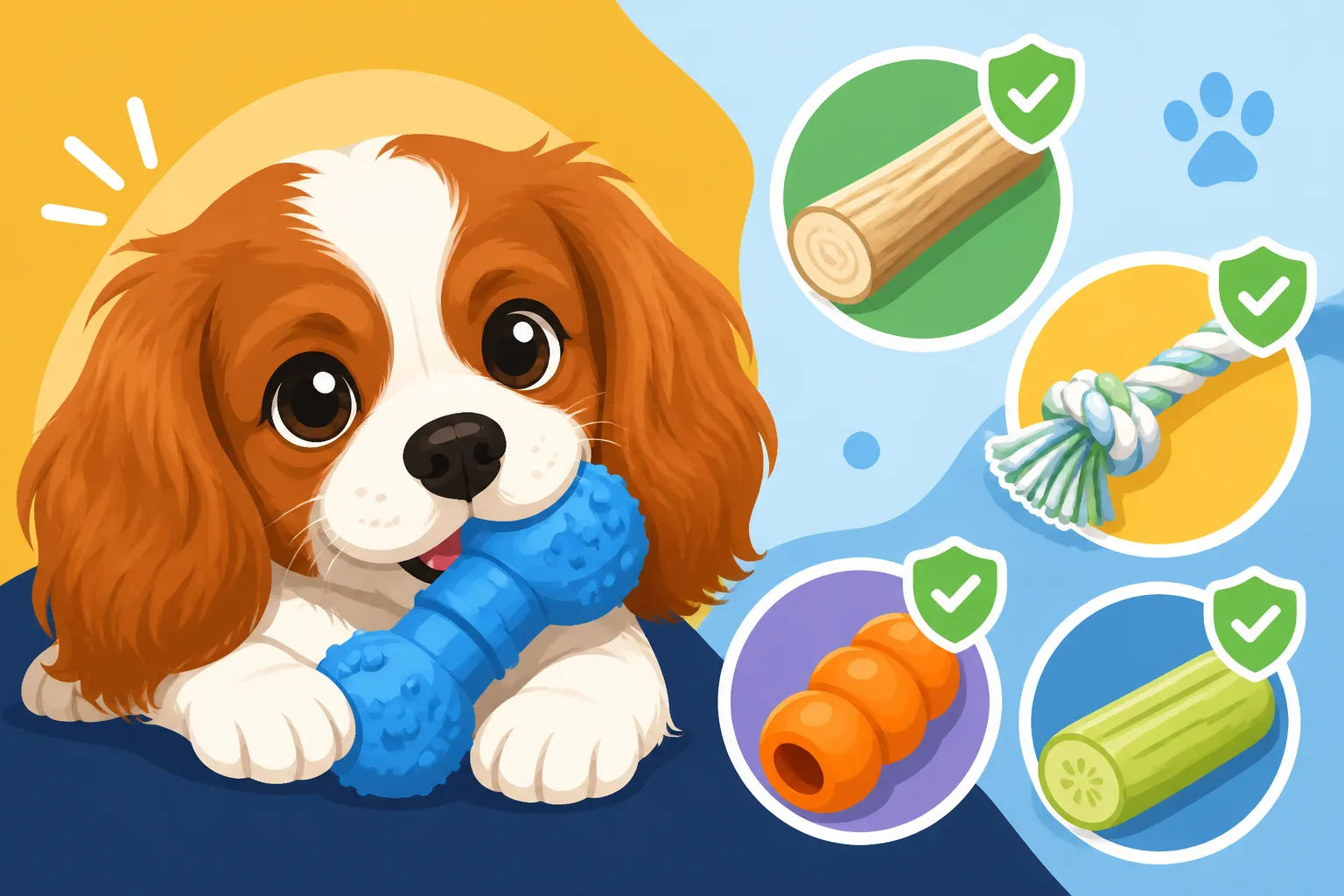
For most teething Cavaliers, durable rubber or silicone toys are absolute lifesavers. Brands like KONG are practically synonymous with puppy chewing, and for good reason. Their classic KONG toy, for example, is made of tough, natural rubber that can withstand serious gnawing while also offering an irresistible cavity to stuff with treats. You can fill it with peanut butter (xylitol-free, of course!), softened kibble, or even a bit of plain yogurt, then freeze it. A frozen KONG provides a long-lasting, soothing chew that helps numb sore gums. Many pet supply stores, including Chewy and Amazon, offer a wide range of KONG products specifically designed for puppies and small breeds.
Other fantastic options include Nylabone's puppy-specific line (ensure you're getting the puppy-designated, softer nylon, not the adult extreme chews), or silicone teething rings and textured balls. Look for toys that are labeled as "puppy safe" or "teething specific" as these are generally made from softer, more pliable materials than adult versions. The key is to find something that is virtually indestructible for your small but mighty chewer, cannot be easily broken into pieces, and is appropriately sized for their mouth to prevent choking hazards. A toy that's too small can be swallowed, while one that's too large might not be engaging.
The variety of shapes and textures also plays a role. Some puppies prefer a smooth, firm surface to chew on, while others might gravitate towards toys with nubs or ridges that provide extra gum massage. Having a few different types on hand will allow you to see what your Cavalier prefers and keep things interesting for them. Regularly inspect these toys for damage and discard any that show signs of breaking down, as even durable toys can eventually wear out.
Edible Chews and Dental Sticks
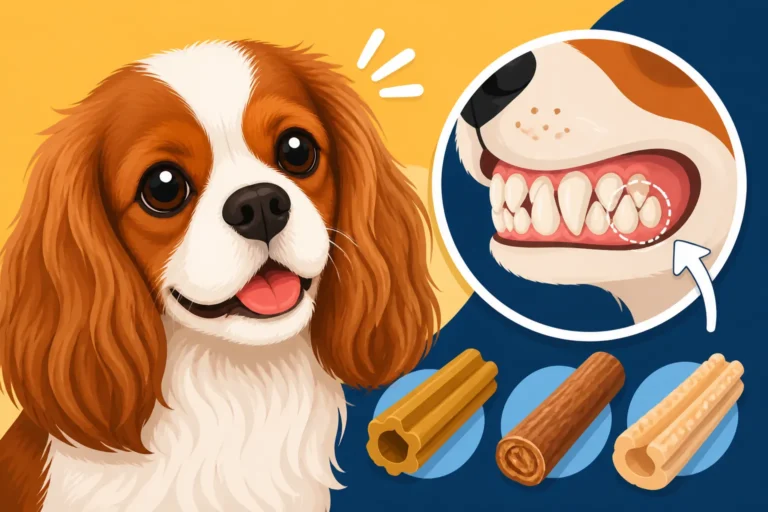
Edible chews can be a great, temporary distraction for a teething Cavalier, but they require careful selection and supervision. Look for options specifically designed for puppies and small breeds, as these will be softer and easier to digest. Dental sticks, like those from Greenies or other reputable brands, can offer a bit of chewing satisfaction while also contributing to oral hygiene. Just be mindful of their calorie content, especially for a small breed like a Cavalier who can gain weight easily. Our article on Cavalier Weight Gain and What It Costs the Heart stresses the importance of calorie control.
Bully sticks, made from digestible beef esophagi, are another popular choice. They can be quite long-lasting and are generally safe as they soften as the puppy chews them. However, it's crucial to supervise your Cavalier, especially as the bully stick gets smaller. The last inch or two can become a choking hazard, so consider using a bully stick holder (available on Amazon or Chewy) to prevent them from swallowing the end piece whole. Always choose bully sticks that are an appropriate size for a Cavalier – not too thick, not too thin.
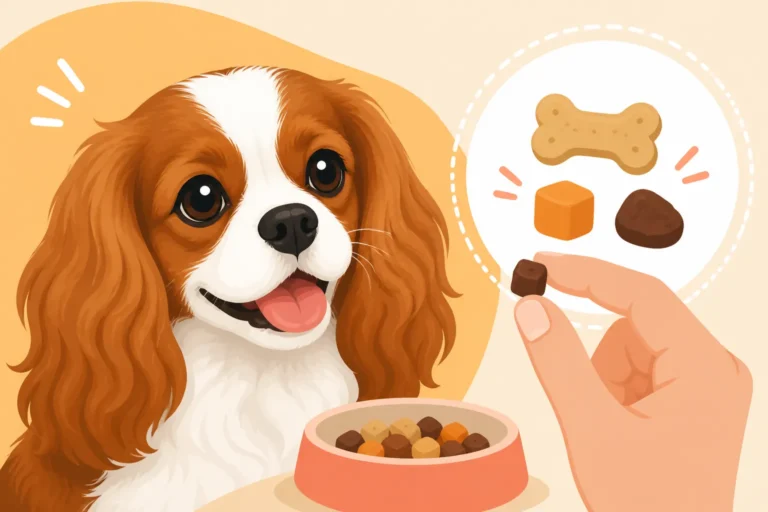
When it comes to edible chews, moderation is key. They shouldn't replace regular meals, and you need to monitor for any signs of digestive upset. If your Cavalier tends to gulp things down quickly rather than slowly chew, certain edible items might not be suitable. Some puppies can be sensitive to new ingredients, so introduce any new chew slowly and observe their reaction. Always check the ingredient list for anything artificial or potentially harmful, prioritizing natural, easily digestible options.
Frozen Treats and Soothing Options
Beyond traditional chew toys, frozen treats offer a fantastic way to soothe inflamed gums. The cold provides immediate relief, much like a child might use a cold pack for a sore mouth. Simple ice cubes, in moderation, can be a great option. Some Cavaliers love to just crunch on them, while others will bat them around until they melt.
You can get creative with freezing. A KONG or other stuffable rubber toy filled with diluted chicken broth, plain yogurt, mashed banana, or a mix of their regular moistened kibble, then frozen, becomes a long-lasting, gum-numbing delight. Many online pet food retailers, like Ollie, offer fresh, human-grade food that can be portioned and frozen into lick mats or toy stuffers for a safe, wholesome frozen treat. Just ensure any human foods you offer are safe for dogs and free of added sugars or artificial sweeteners like xylitol.
Another simple, effective method is to dampen a clean washcloth, twist it, and freeze it. The textured, icy fabric offers a different sensation for your puppy to gnaw on. Always supervise with fabric items to ensure they aren't ingesting loose threads. Frozen carrots (cut into appropriate sizes to prevent choking) can also be a healthy and satisfying option, providing both crunch and cold relief. Always remember to consider the size and hardness of the item in relation to your Cavalier's developing teeth and small jaw, ensuring it's not so hard it could cause damage.
What to Avoid Giving Your Teething Cavalier
Just as important as knowing what to give your teething Cavalier is knowing what to absolutely keep out of their reach. Many items that seem harmless or even appealing can pose serious health risks to a developing puppy. Making smart choices here can prevent painful injuries and expensive veterinary bills.
Hard Chews That Can Damage Teeth
One of the biggest culprits for dental damage in puppies (and adult dogs) are chews that are simply too hard. While a tough chew might seem ideal for a persistent gnawer, items like antlers, real bones (cooked or raw), hooves, or even some of the harder, non-edible nylon chews can be dangerous. A general rule of thumb: if you can't indent it with your thumbnail, or if it feels like something you wouldn't want to hit your knee with, it's too hard for your dog's teeth.
Cavalier King Charles Spaniels have relatively small, sometimes crowded jaws, and their puppy teeth are especially delicate before their adult teeth fully develop. Chewing on excessively hard objects can lead to fractured teeth, which are not only incredibly painful but can also result in infections, abscesses, and the need for expensive dental extractions. It's heart-wrenching to see a puppy suffer from a broken tooth that could have been prevented.
Even some natural chews, such as certain types of dense wood or extremely hard pressed rawhide (though rawhide has other issues), can be problematic. Always err on the side of caution. Look for softer, more flexible options during the intense teething phase, gradually introducing slightly firmer chews as their adult teeth become established. Your vet can also offer guidance on what they consider safe based on your individual puppy's oral health.
Items That Pose Choking Hazards
Beyond damaging teeth, many inappropriate chew items can present significant choking hazards. Small objects, pieces that break off from larger items, or soft, pliable materials that can be easily ingested can all block a Cavalier's airway or cause internal blockages. This includes things like bottle caps, children's toys (especially those with small parts), socks, underwear, small rocks, or even sticks found in the yard.
Cavaliers, being small dogs, have a relatively narrow esophagus, making them particularly vulnerable to choking on objects that might pass easily through a larger dog. Even seemingly innocent items like ice cubes can be a choking hazard if your puppy tries to swallow them whole, rather than crunching. Our blog on Anesthesia Risk in a Cavalier With a Murmur highlights the importance of keeping your Cavalier healthy, and avoiding choking incidents is a big part of that.
It's vital to think like a puppy when puppy-proofing your home. Get down on their level and scan for anything that could be picked up and chewed or swallowed. If you have children, educate them about keeping their toys out of the puppy's reach. Always supervise your Cavalier when they have any chew toy, especially edible ones, to ensure they're chewing safely and not attempting to swallow pieces too large.
Your Personal Belongings (and Why They're Tempting)
It's a frustrating but common reality: your Cavalier puppy seems to prefer chewing on your expensive shoes, the corner of the coffee table, or your remote control over any of the perfectly good chew toys you've bought them. There are a few reasons for this infuriating behavior. Firstly, your personal items often carry your scent, which is incredibly appealing to a puppy seeking comfort and connection. They're trying to "connect" with you by interacting with something that smells like you.
Secondly, many household items have interesting textures or shapes that their dedicated toys might not replicate. A shoelace dangling just so, the soft leather of a slipper, or the satisfying resistance of a wooden chair leg can be far more intriguing than a static rubber toy. They don't understand that these items are valuable or off-limits; they're simply following their natural instincts to explore and relieve discomfort.
The solution isn't to punish them for chewing your things, which can damage your bond and confuse them. Instead, it's a two-pronged approach: prevent access and redirect. Keep tempting items completely out of reach. If you can't put something away, consider temporary barriers or safe, puppy-proof zones. And critically, when you see them going for something inappropriate, gently interrupt, remove the item, and immediately offer them one of their approved chew toys. Praise them enthusiastically when they take to their own toy. Consistency is key here.
Best Practices for Managing Cavalier Teething
Managing a teething Cavalier is a bit of an art form, requiring patience, consistency, and a good understanding of puppy psychology. It's not just about providing chews; it's about creating an environment where safe chewing is the easiest and most rewarding option.
Rotating Chews to Maintain Interest
Even the most amazing chew toy can lose its appeal if it's always available. Puppies, like children, thrive on novelty. One of the best strategies for keeping your Cavalier engaged with their designated chews is to rotate them regularly. Have a selection of 3-4 different safe chew toys and keep only one or two out at a time. Every couple of days, or when you notice their interest waning, swap them out for "new" ones that have been stored away.
This rotation makes old toys feel exciting again. When a toy reappears, your Cavalier will often approach it with renewed interest, making it more likely they'll choose it over your furniture. You can also vary the types of chews you offer – a rubber KONG one day, a dental stick the next, then a frozen carrot. This keeps their senses stimulated and caters to different chewing moods.
Don't forget to clean chew toys regularly, especially those that get slobbery or have food stuffed into them. A clean toy can also feel "fresher" and more appealing to your discerning little Cavalier. This simple practice can significantly extend the lifespan of your toys and prevent bacterial buildup.
Supervising Chewing Sessions
Even with the safest chews available, supervision is absolutely paramount. No toy or edible chew is 100% indestructible or risk-free, especially for a determined chewer. When your Cavalier is actively chewing, particularly on edible items or new toys, stay close by. This allows you to intervene immediately if a piece breaks off, if they start to choke, or if they lose interest in their toy and decide to try something else.
Active supervision isn't about hovering; it's about being present and aware. If you need to leave the room for even a minute, consider taking the high-value chew away or placing your puppy in a safe, chew-proof area like a playpen with only fully safe, non-consumable toys. This might seem a little overprotective, but it's during these moments of distraction that accidents are most likely to occur.
Supervision also extends to understanding your puppy's chewing habits. Are they a gentle gnawer or a power chewer? Do they destroy toys quickly, or are they content with a slower chew? Tailoring your chew choices to their individual style, and observing how they interact with each chew, is a crucial part of keeping them safe during this developmental stage. This attention to detail can help you avoid problems before they even start.
Combining Chews with Training
Teething is not just a physical process; it's also a prime opportunity for training. You can use their natural urge to chew to reinforce positive behaviors and teach them appropriate outlets. When your Cavalier is happily chewing on their designated toy, praise them calmly and perhaps offer a gentle pet. This reinforces that this is the behavior you want to see.
If you catch them chewing on something inappropriate, avoid harsh reprimands. Instead, interrupt them gently (a sharp clap or "ah-ah!" can work), immediately redirect them to an appropriate chew toy, and then praise them once they start gnawing on it. This teaches them what to do, rather than just what not to do. Consistency from every family member is crucial for this redirection method to be effective. Our guide on Training a Cavalier With Praise Rather Than Pressure offers excellent insights into positive reinforcement.
You can also use chew toys as part of their daily routine. For instance, offering a stuffed KONG when you need them to settle down, or a dental chew after a meal. This helps them associate specific chews with certain situations, building good habits. By the time your Cavalier reaches full size around The Age a Cavalier Reaches Full Size or is weighing in at a healthy What an Adult Cavalier Should Weigh, they'll have learned the valuable lesson of chewing on appropriate items, a habit that will serve them (and your furniture!) well for a lifetime.
| Chew Type | Pros | Cons | Best For | When to Supervise |
|---|---|---|---|---|
| Durable Rubber Toys | Indestructible, can be stuffed & frozen | Some puppies lose interest if not interactive | Long-lasting relief, mental stimulation | Always, to monitor damage to toy |
| Silicone Teethers | Soft on gums, various textures | Not all puppies love the texture | Gentle chewing, sensory exploration | Always, to ensure no ingestion of pieces |
| Bully Sticks | Highly palatable, digestible | Can be pricey, last bit is choking hazard | High-value treat, moderate duration | Constantly, especially at the end |
| Dental Chews | Helps clean teeth, palatable | High calories, can be chewed too fast | Quick satisfaction, promotes dental health | Until finished, watch for gulping |
| Frozen KONG/Washcloth | Soothes gums, long-lasting if stuffed | Can be messy, requires prep | Intense gum relief, quiet time | Initially, then less once settled |
| Frozen Carrots | Healthy, crunchy, cold | Can be hard for small puppies, choking risk | Healthy snack, brief relief | Always, ensure proper size |
Disclaimer
This article is for general informational purposes only and does not constitute professional advice. Laws, prices and regulations vary by location and change over time. Consult a qualified professional for guidance on your specific situation.