The Spaniel Behavior Left in a Cavalier
It's easy to look at our sweet, cuddly Cavalier King Charles Spaniels and think they're simply born to be lap warmers, little furry shadows glued to our sides. And while they certainly excel at companionship, many Cavalier owners find themselves scratching their heads at behaviors that don't quite fit the "gentle companion" stereotype. Why does your Cavalier suddenly bolt after a rustling leaf with the intensity of a hunting dog? Or why do they bury their nose in the ground for what feels like an eternity, ignoring your calls? The truth is, beneath that regal, affectionate exterior, a strong current of their sporting spaniel heritage still runs deep. This guide is here to unravel those unexpected instincts, helping you understand the delightful and sometimes frustrating spaniel behaviors that are still very much a part of your Cavalier.
More Than Just a Lapdog: Unpacking the Cavalier's Sporting Roots
For centuries, before they became the ultimate royal companions we know and love, the ancestors of our Cavaliers were hard-working sporting dogs. They were bred to flush small game from brush and even retrieve shot birds for their masters. This isn't just some dusty historical footnote; these instincts are hard-wired into their DNA and often emerge in surprising ways in modern Cavaliers, even if the closest they get to hunting is a rogue dust bunny.
The Historical Context: From Flushing Game to Warming Laps
Imagine the English countryside hundreds of years ago, with spaniels eagerly darting through undergrowth, their keen noses and boundless energy perfectly suited for a day in the field. These were the dogs that eventually found their way into the laps of royalty, becoming cherished pets. Over time, the focus of breeding shifted dramatically from working ability to companionship, temperament, and appearance. However, you can't erase centuries of instinct overnight. Even though our Cavaliers haven't actively hunted for generations, that ancestral programming remains.
For example, you might notice your Cavalier, during a walk in the park, suddenly dipping its head, wiggling its whole body into a patch of bushes, and nudging its nose into the grass. This isn't just random sniffing; it's an echo of their ancestors flushing out game. They might not be looking for pheasants, but the drive to explore and "find" something with their nose is still very much alive. It’s part of what makes them such interesting dogs to observe, constantly engaging with their environment in ways that might seem unique for a small lapdog.
The Drive to Chase: Why That Squirrel is Irresistible
One of the most noticeable spaniel behaviors in Cavaliers is their often-intense prey drive. It's the reason why Why a Cavalier Chases Birds Into the Road is such a common, and scary, scenario for owners. You might be enjoying a peaceful stroll, leash in hand, when suddenly a squirrel dashes across your path or a flock of pigeons takes flight. In a split second, your calm companion transforms into a determined hunter, pulling with surprising strength, eyes fixed on the "game."
This isn't naughtiness or a lack of training; it's an instinct that overrides everything else in that moment. Their eyes, though large and gentle, are still designed to spot movement, and their brains are wired for pursuit. Even if they never actually catch anything, the thrill of the chase is its own reward. This is why a secure leash and harness are non-negotiable for Cavaliers in unfenced areas. It also explains why that little plastic bag blowing across the street or a leaf tumbling in the wind can illicit an excited dart. They aren't just being silly; they're responding to deep-seated urges. Understanding this helps us manage their environment and expectations, rather than getting frustrated when they behave exactly as their ancestors did.
Scent Hounds at Heart: The Cavalier's Nose Knows Best
While their eyes are quick to spot movement, a Cavalier's nose is arguably their most powerful tool for experiencing the world. Like all spaniels, they possess an impressive olfactory sense, and they use it constantly. For a Cavalier, a walk isn't just about moving their legs; it's a rich, complex tapestry of scents waiting to be explored.
Head Down, Tail Up: The World Through a Cavalier's Nose
Have you ever tried to hurry your Cavalier along on a walk, only for them to stubbornly glue their nose to a patch of grass, refusing to budge? This is a quintessential spaniel trait. While we might look at a pretty flower, our Cavaliers are dissecting the intricate scent profile of the dog who walked there an hour ago, the squirrel who buried a nut, or even just the unique blend of damp earth and fallen leaves. Their world is heavily influenced by these smells, offering them information we can only guess at.
This intense focus on scent can be incredibly endearing. You'll see their little tails wagging furiously as they investigate a particularly interesting spot, completely engrossed. Indoors, they might meticulously sniff every inch of a new rug or spend minutes investigating a visitor's shoes. It’s their way of gathering data and understanding their environment. Providing opportunities for Why a Cavalier Follows a Scent on walks, allowing them to sniff and explore at their own pace, is vital for their mental enrichment. Consider using a longer leash in safe areas to give them more freedom to follow their nose.
The Challenge of the "Distracted" Sniffer
While fascinating, this strong scent drive can certainly present challenges for us as owners. It often feels like our Cavaliers are deliberately ignoring us when they're deep in a sniffing trance. You might call their name, offer a treat, or even try to gently tug them forward, only for them to remain utterly unresponsive. This can be particularly frustrating when you're trying to practice Cavalier Recall and Its Limits or navigating a busy street.
It's not that they don't love you or respect your commands; it's that their primal instincts are heavily engaged. The chemical signals from a fascinating scent can be far more compelling in that moment than your voice. This is where training with high-value treats and working on focus in less distracting environments becomes key. Carrying enticing treats from brands like Chewy can sometimes help break their focus on a particularly engrossing scent. Remember, patience is crucial here. They aren't trying to be difficult; they're just being a spaniel.
The "Soft Mouth" and Its Surprising Manifestations
Another hallmark of a well-bred spaniel, particularly those used for retrieving, is the "soft mouth." This refers to their ability to carry game gently without damaging it. While your Cavalier probably isn't bringing home any pheasants, this inherited trait can manifest in sweet and sometimes quirky ways in their everyday behavior.
Gentle Retrievers, Even If It's a Squeaky Toy
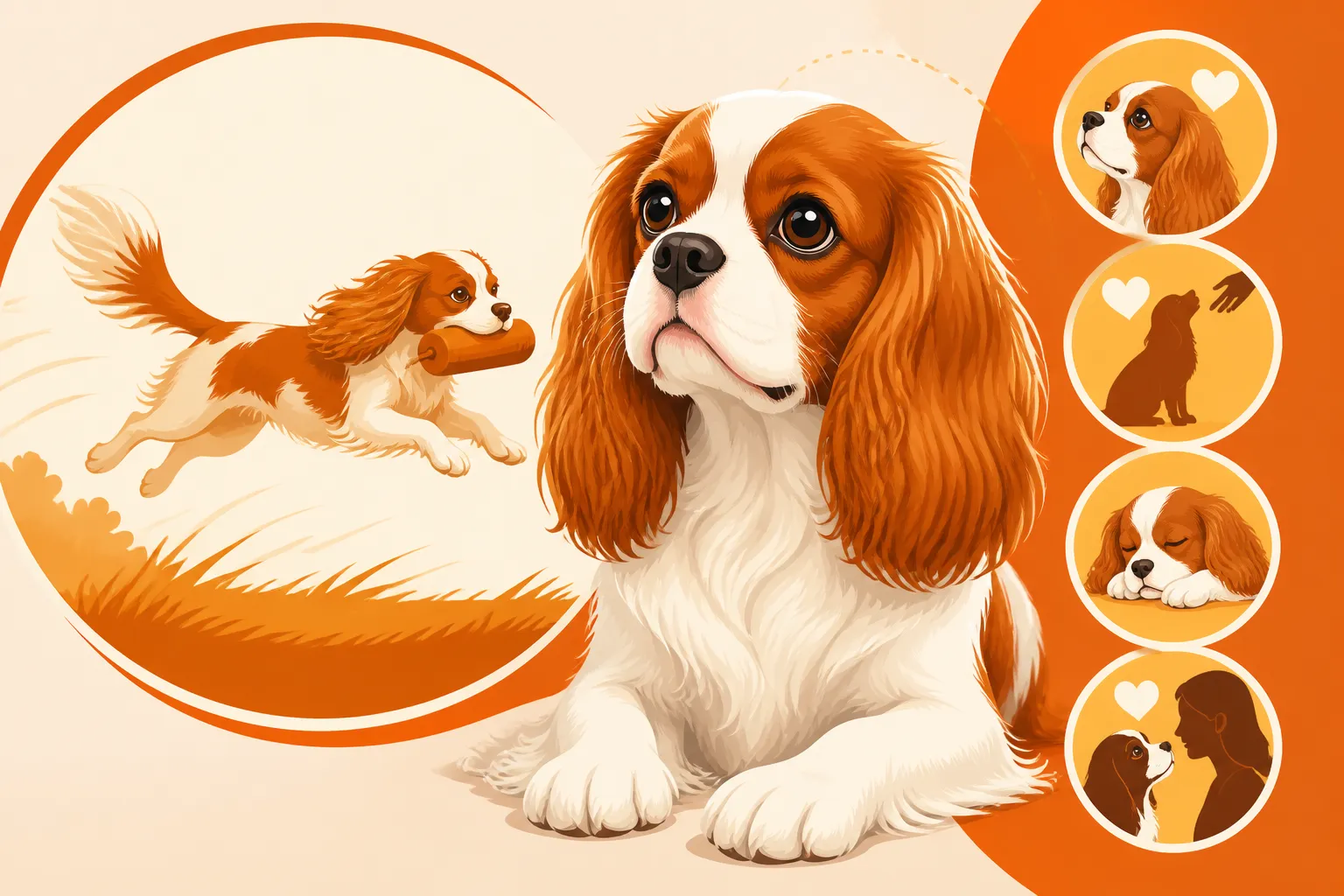
The soft mouth typically means Cavaliers are not power chewers in the same way some other breeds might be. While a puppy might go through a destructive phase, adult Cavaliers often handle toys, and even sometimes forbidden items, with a surprising delicacy. They love to carry things around, whether it's their favorite stuffed animal, a stray sock, or a slipper, often parading it with pride rather than tearing it to shreds.
You'll notice this especially when they play fetch. They might retrieve a toy and bring it back, holding it ever so gently in their mouth, sometimes even waiting to be praised before releasing it. It’s part of the joy of watching Whether a Cavalier Would Retrieve. They aren't just playing; they're fulfilling a deep-seated desire to "work" and present their findings. This gentle nature extends to how they interact with their human family, too. Their mouthing during play is rarely hard, often feeling more like a soft nip or a gentle hold.
Carrying Comfort: Why Some Cavaliers "Bring You Things"
Beyond formal fetch, many Cavaliers love to simply carry things around the house. They might greet you at the door with a favored toy, not necessarily wanting to play, but offering it as a welcome gesture. Or they might wander into a room and pick up a sock off the floor, carrying it around for a while before depositing it somewhere else. This isn't usually a sign of destructive behavior, but rather a comforting act, a way for them to "possess" items gently.
They might even collect a small pile of their favorite soft toys in their bed, arranging them just so. It’s a subtle nod to their retrieving past, a quiet satisfaction in gathering and holding items. This can be a delightful quirk, adding to their individual personalities, and is rarely something that needs to be discouraged unless they are carrying something truly inappropriate or potentially harmful.
Water Lovers and Burrowers: Other Echoes of Their Past
Beyond the obvious hunting and retrieving instincts, there are other subtle behaviors in Cavaliers that can be traced back to their spaniel lineage. These might not be universal to every Cavalier, but they are common enough to highlight their multifaceted heritage.
Unexpected Puddles: A Nod to Waterfowl Retrievers
While not all Cavaliers are avid swimmers, many have a surprising affinity for water. This harkens back to their ancestors who would retrieve game from streams and ponds. You might find your Cavalier isn't afraid of splashing in puddles on a walk, or eagerly investigates a shallow creek. Some even love to play with the hose in the backyard, chasing the stream of water with great excitement.
This isn't to say every Cavalier will dive headfirst into a lake, but many enjoy water activities far more than you might expect from a small, dainty lapdog. Of course, always ensure water play is safe, shallow, and supervised. If your Cavalier shows an interest, it's a wonderful way to provide enrichment, whether it's a small paddling pool in summer or just letting them explore a gentle stream. Just be prepared for those beautiful drop ears to get a bit wet – which means you'll want to be ready with supplies for proper Cavalier Ear Care Under a Heavy Drop Ear afterwards!
The Den Instinct: Digging and Snuggling
Another interesting behavioral echo is the desire to burrow or nest. Spaniels in the field would often seek out sheltered spots, either to rest or to conceal themselves. Your Cavalier might express this by meticulously "digging" at their bed before settling down, turning in circles several times, patting at the blankets with their paws. This isn't usually destructive digging, but rather an instinct to create a comfortable, secure nest.
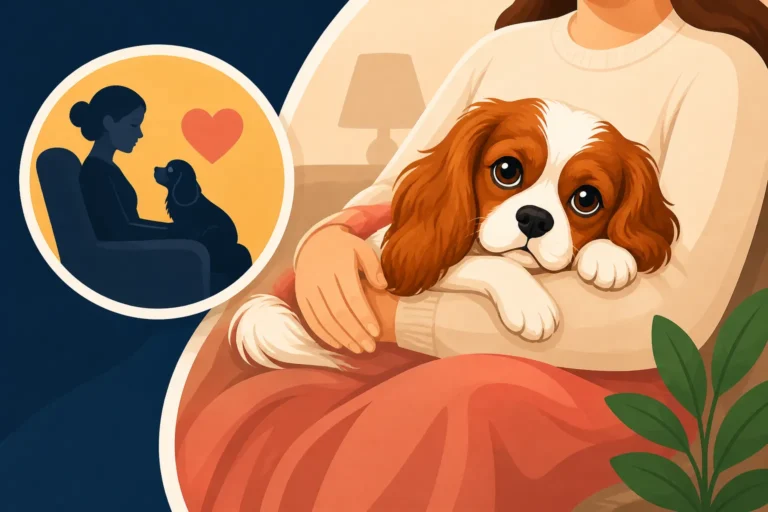
They also famously love to snuggle under blankets, whether on the sofa, in their crate, or in your bed. This desire to be completely enveloped and cozy is very strong in many Cavaliers. It provides them with a sense of security and warmth, reminiscent of a den. Providing plenty of soft blankets, cozy beds from places like Chewy, or even a crate with a comfy pad and cover can cater to this natural desire and make them feel safe and content. It’s a beautiful example of how their past needs translate into their present-day comfort.
Here's a quick look at some common Cavalier behaviors and their ancestral links:
| Cavalier Behavior | Potential Spaniel Ancestor Link |
|---|---|
| Chasing squirrels/birds | Prey drive for flushing and retrieving small game. |
| Intense sniffing on walks | Scent-tracking abilities to locate game in dense cover. |
| Carrying toys gently | "Soft mouth" trait for retrieving game without damage. |
| Burrowing under blankets | Instinct to seek den-like shelter for warmth and security. |
| Enjoying puddles/shallow water | Affinity for water, common in waterfowl retrieving spaniels. |
| "Digging" at their bed before lying | Nesting instinct to create a comfortable resting spot in the field. |
| Following scents intently outdoors | Strong olfactory senses for hunting and exploring environment. |
Understanding these ingrained behaviors can help you appreciate your Cavalier even more. They are not just pretty faces; they carry a rich history within them. Embracing these traits, rather than trying to suppress them, can lead to a more harmonious and fulfilling relationship with your beloved companion. Providing outlets for their natural instincts – whether it's through engaging scent games, safe opportunities to chase, or plenty of cozy blankets from Chewy for burrowing – will ensure you have a happy, well-adjusted Cavalier who truly thrives. Remember, they are The Spaniel Instincts Left in a Cavalier, and that's a wonderful thing!
Disclaimer
This article is for general informational purposes only and does not constitute professional advice. Laws, prices and regulations vary by location and change over time. Consult a qualified professional for guidance on your specific situation.