How Long a Cavalier Lives After Diagnosis
Getting a serious diagnosis for your beloved Cavalier King Charles Spaniel can feel like the world has stopped turning. That initial shock, the fear of the unknown, and the crushing worry about how much precious time you have left with your furry companion are incredibly real and valid emotions. This guide aims to shed light on what you can realistically expect regarding your Cavalier's lifespan after a significant health diagnosis, offering insights and support through what can be a very challenging journey.
Understanding the Major Cavalier Health Diagnoses
When we talk about serious diagnoses in Cavaliers, two conditions often come to mind immediately due to their prevalence and potential impact on longevity: Mitral Valve Disease (MVD) and Syringomyelia (SM). While many other health issues can affect our Cavaliers, these two are often the most defining in terms of long-term prognosis.
Mitral Valve Disease MVD Progression and Prognosis
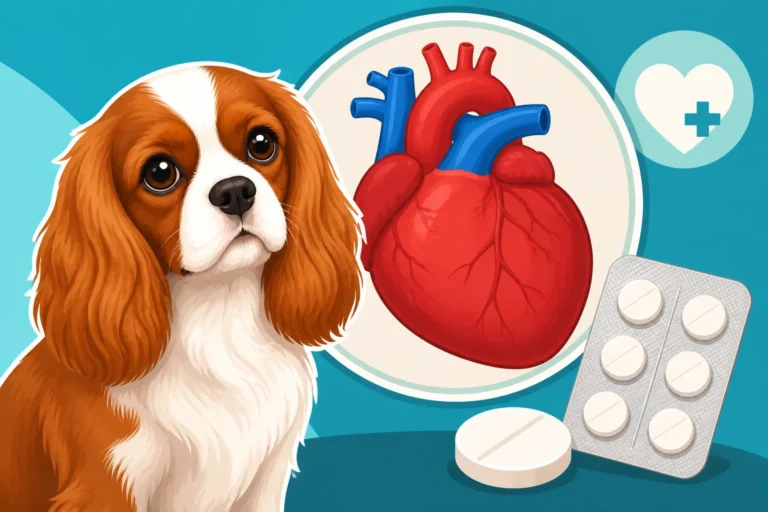
Mitral Valve Disease (MVD) is undeniably the most common and devastating health issue facing Cavalier King Charles Spaniels. It’s a progressive heart condition where the mitral valve, which separates the two chambers on the left side of the heart, gradually thickens and degenerates. This prevents it from closing properly, leading to a leakage of blood back into the atrium. This leakage creates the characteristic heart murmur that is often the first sign of the disease.
The progression of MVD is typically categorized into stages, and understanding these stages is crucial for managing the disease and predicting lifespan. Initially, a Cavalier might have a murmur but show no clinical signs, known as Stage B1. As the disease advances, the heart compensates by enlarging (Stage B2), and eventually, the leakage becomes so severe that fluid builds up, leading to congestive heart failure (Stages C and D). The speed at which a Cavalier moves through these stages can vary wildly, influenced by genetics, diet, activity level, and the quality of veterinary care. You can learn more about How Cavalier Heart Disease Progresses Stage by Stage.
The good news is that with early detection and appropriate management, Cavaliers can often live a good quality of life for years after an MVD diagnosis. When a murmur is first detected, especially in a younger Cavalier, it doesn't automatically mean a short life sentence. Many Cavaliers live comfortably with a murmur for years before it progresses to a stage requiring medication. However, once a Cavalier reaches Stage C, where they are showing clinical signs of heart failure (like coughing, difficulty breathing, or exercise intolerance), the median survival time typically ranges from 9 to 18 months, though some can do significantly better or worse depending on individual response to treatment. Aggressive management with medications such as Pimobendan, diuretics, and ACE inhibitors can significantly improve both quality of life and longevity.
Syringomyelia SM Severity and Management
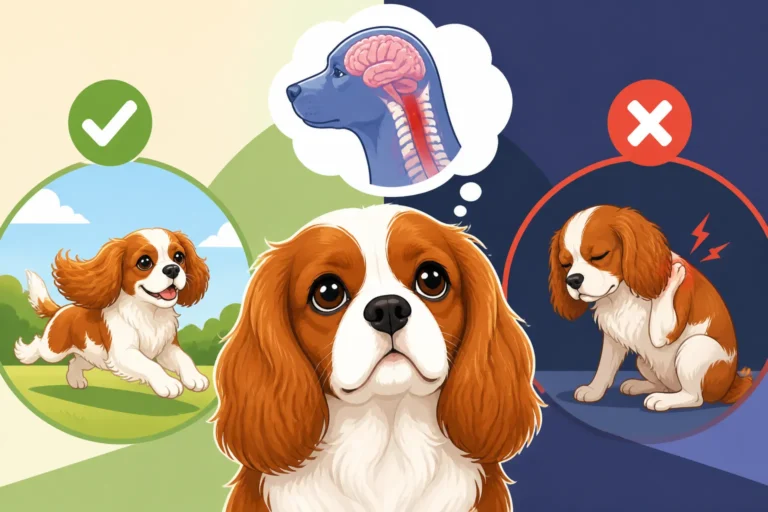
Syringomyelia (SM) is another deeply concerning condition prevalent in Cavaliers, often linked with Chiari-like Malformation (CM). This neurological disorder occurs when the Cavalier's skull is too small for its brain, causing brain tissue to be pushed into the spinal canal. This obstructs the flow of cerebrospinal fluid, leading to the formation of fluid-filled cysts (syrinxes) within the spinal cord. These syrinxes can cause a range of symptoms, from mild discomfort to severe, debilitating pain, often described as "phantom scratching" or a yelping sound when picked up.
The prognosis for a Cavalier with SM is highly variable and depends largely on the severity of the syrinxes, the extent of the pain, and how well the dog responds to treatment. Some Cavaliers might have syrinxes that cause no noticeable symptoms for their entire lives, while others can suffer immensely from a young age. Early diagnosis, often through an MRI scan (which can be costly, as discussed in The Price of a Cavalier MRI Scan), allows for earlier intervention, which can be critical.
Management typically involves medication aimed at reducing pain and fluid pressure, such as Gabapentin, Pregabalin, and corticosteroids. For some, surgery to decompress the area where the brain meets the spinal cord might be an option, but it's a complex procedure with no guarantee of complete symptom resolution or cure. Many Cavaliers with SM can live for several years with careful pain management, though their quality of life might require significant adjustments and ongoing medication. It's not uncommon for a Cavalier to live several years after an SM diagnosis, sometimes even into their senior years, provided their pain is well-controlled and their human companions are dedicated to their care. However, without effective pain management, the quality of life can deteriorate rapidly, making the decision for euthanasia an unfortunately common, albeit heartbreaking, reality for severe cases.
The Role of Early Detection and Veterinary Care
Early detection and consistent, high-quality veterinary care are perhaps the most influential factors in extending a Cavalier's life after a challenging diagnosis. Proactive health management can literally add years to their lives and significantly improve the quality of those years.
Importance of Regular Check-ups and Specialized Diagnostics
One of the greatest gifts you can give your Cavalier is vigilant attention to their health and regular veterinary check-ups. For Cavaliers, this means not just the annual wellness visit with your general practitioner, but also understanding the specific predispositions of the breed. For instance, being aware of The Age a Cavalier Murmur Usually Appears can prompt you to listen more carefully during routine exams. A vet might detect a heart murmur years before any symptoms appear. This early detection is a critical first step.
Beyond the stethoscope, specialized diagnostics are indispensable. For MVD, once a murmur is detected, an echocardiogram performed by a board-certified veterinary cardiologist is the gold standard for diagnosis and staging. This ultrasound of the heart allows the specialist to visualize the heart valves, measure chamber sizes, and assess blood flow, providing crucial information about the severity of the disease. Regular follow-up echocardiograms are essential to monitor progression and determine when to start or adjust medication. For neurological issues like SM, an MRI scan is the only definitive diagnostic tool. It allows neurologists to see the brain, spinal cord, and the presence of syrinxes, helping them to accurately diagnose and grade the condition. These early, detailed insights empower you and your vet to make informed decisions about intervention.
How Specialist Consultations Extend Life
General practice veterinarians are incredibly knowledgeable, but conditions like MVD and SM are complex and often benefit immensely from the expertise of veterinary specialists. A board-certified veterinary cardiologist, for example, has an in-depth understanding of heart disease progression, the latest research, and optimal medication protocols tailored to each stage of MVD. They can fine-tune dosages, combine medications effectively, and predict potential issues with far greater precision than a general vet might be able to. Routine Annual Cardiologist Exams for a Cavalier become a cornerstone of long-term care, helping to track the disease.
Similarly, a veterinary neurologist specializes in conditions of the brain and spinal cord, including SM. They can interpret MRI results, understand the nuances of pain management for neurological conditions, and guide you through various treatment options, including potential surgery. Their specialized knowledge ensures that your Cavalier receives the most advanced and appropriate care possible, which can significantly slow disease progression, alleviate symptoms, and ultimately extend their comfortable lifespan. This is particularly true for conditions like SM where chronic pain management is a delicate balance.
Adherence to Treatment Plans
Once a diagnosis is made and a treatment plan is established, strict adherence is paramount. Missing medication doses or deviating from dietary recommendations can have serious consequences, especially for progressive diseases like MVD. For instance, skipping a dose of a diuretic for a Cavalier in heart failure could lead to dangerous fluid buildup in the lungs overnight. Consistency is key.
This also includes following up on scheduled re-checks and diagnostics, even if your Cavalier seems to be doing well. These appointments allow the veterinary team to monitor the effectiveness of the treatment, check for any side effects, and adjust the plan as needed. For example, a blood test called NT-proBNP might be used to track heart health. In the case of SM, regular assessments of pain levels and mobility are vital to ensure the medication regimen is still effective. Owners who are diligent in their adherence to veterinary advice often see their Cavaliers maintain a higher quality of life for longer, defying initial, more pessimistic prognoses.
Managing Life-Extending Treatments and Quality of Life
Beyond the initial diagnosis and specialist consultations, the day-to-day management of a Cavalier with a chronic condition profoundly impacts their long-term health and quality of life. This involves a delicate balance of medication, lifestyle adjustments, and creating a supportive home environment.
Medication Protocols and Side Effects
Medication is often the backbone of managing conditions like MVD and SM. For MVD, a Cavalier typically starts with Pimobendan for a Cavalier With an Enlarged Heart once their heart remodels, even before showing signs of heart failure. As the disease progresses, diuretics like Furosemide might be added to manage fluid buildup, along with ACE inhibitors. Each medication has specific dosing schedules and potential side effects, from increased urination with diuretics to gastrointestinal upset with some heart medications. Owners must be diligent in administering these medications, often multiple times a day, and observe their Cavalier closely for any adverse reactions.
For SM, the focus is heavily on pain management. Medications like Gabapentin and Pregabalin are common, sometimes combined with anti-inflammatories or muscle relaxants. These drugs can cause drowsiness or dizziness, especially when first started or at higher doses. It's a careful dance to find the right combination and dosage that effectively manages pain without significantly impairing your Cavalier's quality of life. Often, it involves a process of trial and error with your neurologist to hit that sweet spot. Understanding the goal of each medication, and its potential impact, empowers owners to be active participants in their Cavalier's ongoing care.
Lifestyle Adjustments for a Longer, Happier Life
Living with a chronic condition means making certain lifestyle adjustments, not just for the Cavalier, but for the whole family. For a Cavalier with MVD, this often involves a low-sodium diet, especially as the disease progresses to heart failure stages. Reducing sodium intake helps minimize fluid retention, easing the burden on the heart. Your vet or cardiologist might recommend specific prescription diets, or guide you on how to prepare homemade meals that meet these requirements. Exercise also needs careful consideration; while activity is important, intense exertion that causes breathlessness or fatigue should be avoided. Instead, consistent, gentle walks are usually recommended, being mindful of Whether Exercise Is Safe for a Cavalier With MVD.
For Cavaliers with SM, physical modifications are crucial to prevent exacerbating pain. This might mean using ramps instead of stairs, providing soft, supportive bedding, and avoiding activities that twist or strain the neck and back. Many owners find harnesses are better than collars to avoid pressure on the neck. Managing stress is also important, as anxiety can heighten pain perception in SM-affected dogs. Creating a calm, predictable home environment with plenty of quiet resting spots can make a huge difference. These adjustments are not about limiting their joy, but about adapting their world to keep them comfortable and safe, extending their ability to enjoy their remaining years.
Supportive Care and Home Environment Modifications
Beyond medications and major lifestyle shifts, everyday supportive care within the home environment plays a massive role in a Cavalier’s longevity and comfort after a diagnosis. For heart patients, regular monitoring of their resting respiratory rate at home can be a lifesaver. An increase in breathing rate could signal fluid buildup in the lungs, necessitating an emergency vet visit. Many owners are taught Counting a Cavalier's Resting Breaths as a key part of their home care routine. Ensuring they always have access to fresh water (but not encouraging excessive, uncontrolled drinking in heart failure cases without vet guidance) and a cool, comfortable resting spot are also vital.
For Cavaliers with SM, ensuring their environment is pain-friendly is paramount. This could mean placing food and water bowls at an elevated height to prevent neck strain, or adding soft mats on slippery floors to prevent falls. Beds should be supportive but not too soft that they cause awkward postures. Limiting jumping on and off furniture, perhaps by using pet stairs or simply blocking access, can prevent painful jolts. Even seemingly small things, like a comfortable, supportive harness instead of a traditional neck collar for walks, can significantly reduce discomfort for a Cavalier with a sensitive neck due to SM. These careful modifications, combined with consistent loving care, contribute immensely to preserving their quality of life for as long as possible.
Financial Considerations and Support Systems
It's a tough truth, but managing a chronic health condition in a Cavalier King Charles Spaniel can come with significant financial demands. Being prepared and understanding your options can alleviate some of the stress and ensure your Cavalier gets the care they need.
The Cost of Ongoing Care and Its Impact
Let's be blunt: treating MVD or SM is not cheap. The initial diagnostics alone—an echocardiogram for heart disease or an MRI for syringomyelia—can run into thousands of dollars. After that, there's the ongoing cost of medication. For MVD, a Cavalier in heart failure might be on multiple daily medications like Pimobendan, Furosemide, and an ACE inhibitor, which can easily cost hundreds of dollars each month. These costs often continue for the rest of their lives.
For SM, the anti-inflammatory and pain medications can also be substantial, especially for larger Cavaliers requiring higher dosages, or for those on multiple drugs. Add to this the regular specialist re-check fees, blood tests to monitor organ function (especially with certain heart medications), and potential emergency visits, and the numbers quickly add up. These financial realities can be a huge burden, and it's something every Cavalier owner faces. It's a sad fact that the cost of care can sometimes dictate the choices owners are able to make, which is why planning is so important.
Pet Insurance and Financial Planning
This is where pet insurance can be an absolute lifesaver, though there's a crucial caveat: pre-existing conditions. For MVD, if your Cavalier has a heart murmur before you enroll them in an insurance policy, it will almost certainly be considered pre-existing and won't be covered. This is why it’s always recommended to get pet insurance for your Cavalier when they are a young, healthy puppy, ideally before The Age a Cavalier Murmur Usually Appears. Companies like Healthy Paws are well-regarded for their comprehensive coverage, but even they will adhere to the pre-existing condition clause.
If you already have a diagnosis, pet insurance might not cover that specific condition, but it can still be invaluable for any other health issues that arise. For those without insurance or with pre-existing conditions, financial planning becomes critical. This might involve setting up a dedicated savings account for veterinary emergencies, exploring veterinary financing options like CareCredit, or looking into assistance programs offered by breed-specific rescues or national organizations. Thinking about Budgeting a Cavalier From Puppy to Senior from the outset can help you prepare for these potential costs.
Emotional Support for Owners
Beyond the financial strain, the emotional toll of caring for a Cavalier with a chronic, progressive illness is immense. The constant worry, the fear of losing them, the guilt over making difficult decisions, and the sheer exhaustion of round-the-clock care can be overwhelming. It's important for owners to acknowledge these feelings and seek support.
Connecting with other Cavalier owners who have gone through similar experiences can provide a sense of community and understanding. Online forums and local breed clubs are excellent resources for this. Your veterinary team can also be a source of emotional support and guidance, helping you navigate difficult choices. Remember, you are not alone in this journey. Organizations and support groups exist specifically for pet bereavement and chronic illness management, offering a safe space to share your struggles and find comfort. Taking care of your own mental and emotional well-being is just as important as caring for your Cavalier.
Beyond the Numbers: Focusing on Quality of Life
While it's natural to focus on how long your Cavalier might live after a diagnosis, the ultimate goal should always be their quality of life. Those remaining months or years, however many there may be, should be filled with comfort, happiness, and dignity.
Recognizing Comfort and Happiness
A Cavalier’s quality of life is not just about the absence of pain; it's about their ability to enjoy the things that make them a Cavalier. Are they still interested in food? Do they greet you with a wagging tail? Can they still enjoy gentle walks, car rides, or snuggles on the couch? These everyday joys are critical indicators. For a Cavalier with MVD, this might mean they can still enjoy their favorite soft toys without becoming breathless. For a Cavalier with SM, it means their pain is managed well enough that they can rest comfortably, without constant phantom scratching or yelps of discomfort.
Regularly assessing your Cavalier's comfort and happiness is key. Tools like a "Quality of Life Scale" (often found online or provided by your vet) can help you objectively evaluate different aspects of their well-being, such as pain, appetite, hydration, hygiene, mobility, and overall happiness. This isn't about ignoring the difficulties, but about recognizing the good days and ensuring they outweigh the bad. Even small improvements in medication or environmental adjustments can make a world of difference in boosting their daily enjoyment.
When to Consider Palliative Care or End-of-Life Decisions
The journey with a chronically ill Cavalier inevitably leads to difficult conversations about end-of-life care. Palliative care focuses on comfort and pain management rather than cure, aiming to maximize your Cavalier's quality of life in their final stages. This can involve adjusting medications, providing supplemental oxygen if needed (for severe MVD), or exploring alternative therapies for pain. Understanding End-Stage Heart Failure in a Cavalier can help you recognize when it's time for these discussions.
Making the decision to say goodbye is arguably the hardest part of pet ownership. It's a deeply personal choice, and there’s no right or wrong answer or perfect timing. It often comes down to when the bad days consistently outnumber the good, when pain can no longer be adequately controlled, or when your Cavalier's dignity and joy for life have significantly diminished. Open, honest conversations with your veterinarian are essential. They can help you assess your Cavalier's condition, discuss all available options, and support you in making a compassionate decision that prioritizes your beloved companion's well-being above all else. This process can be made slightly less stressful if you have already planned for potential costs with an insurer like Healthy Paws, knowing that your focus can remain on your dog's comfort rather than financial strain.
Cherishing the Remaining Time
Regardless of the prognosis, the time you have left with your Cavalier after a diagnosis is precious. It’s a time to create new memories, reinforce your bond, and ensure every day is filled with love and comfort. This might mean adapting your routines to suit their energy levels or comfort needs. Perhaps it's more quiet cuddle sessions on the sofa, gentle strolls in the park, or simply enjoying their presence beside you.
Focus on what they can still do and enjoy, rather than what they can no longer do. Spoil them with their favorite treats (within dietary restrictions, of course!), give them extra pets, and speak to them with love and reassurance. These moments of connection are invaluable, both for your Cavalier and for you. The emotional resilience and profound love you demonstrate during this challenging time will create a lasting legacy of devotion. Your Cavalier knows they are loved, and that unconditional love is the greatest gift you can give them, no matter how many days remain.
Disclaimer
This article is intended for informational purposes only and does not constitute veterinary medical advice. Always consult with a qualified veterinarian or specialist for any health concerns or before making any decisions about your Cavalier King Charles Spaniel's care or treatment plan. Individual outcomes can vary greatly, and only a professional can provide guidance tailored to your specific pet's needs.