Why a Cavalier’s Drop Ears Trap Infection
If you're a Cavalier King Charles Spaniel owner, you've likely experienced the frustrating cycle of ear infections. That constant head shaking, pawing at the ears, and that tell-tale odor can leave you feeling helpless and your beloved companion uncomfortable. This guide will delve deep into why our sweet Cavaliers are so prone to these recurring issues, exploring the anatomy, environmental factors, and proactive steps you can take to keep their ears healthy and happy.
The Unique Anatomy of a Cavalier's Drop Ears
Our Cavaliers are renowned for their silky, expressive drop ears, those long, floppy flaps that frame their adorable faces. While undeniably charming, these beautiful ears are also the primary reason they are predisposed to chronic ear infections. It’s not just a surface-level issue; the internal structure and the external covering combine to create an environment ripe for trouble.
Understanding the Ear Canal's Structure
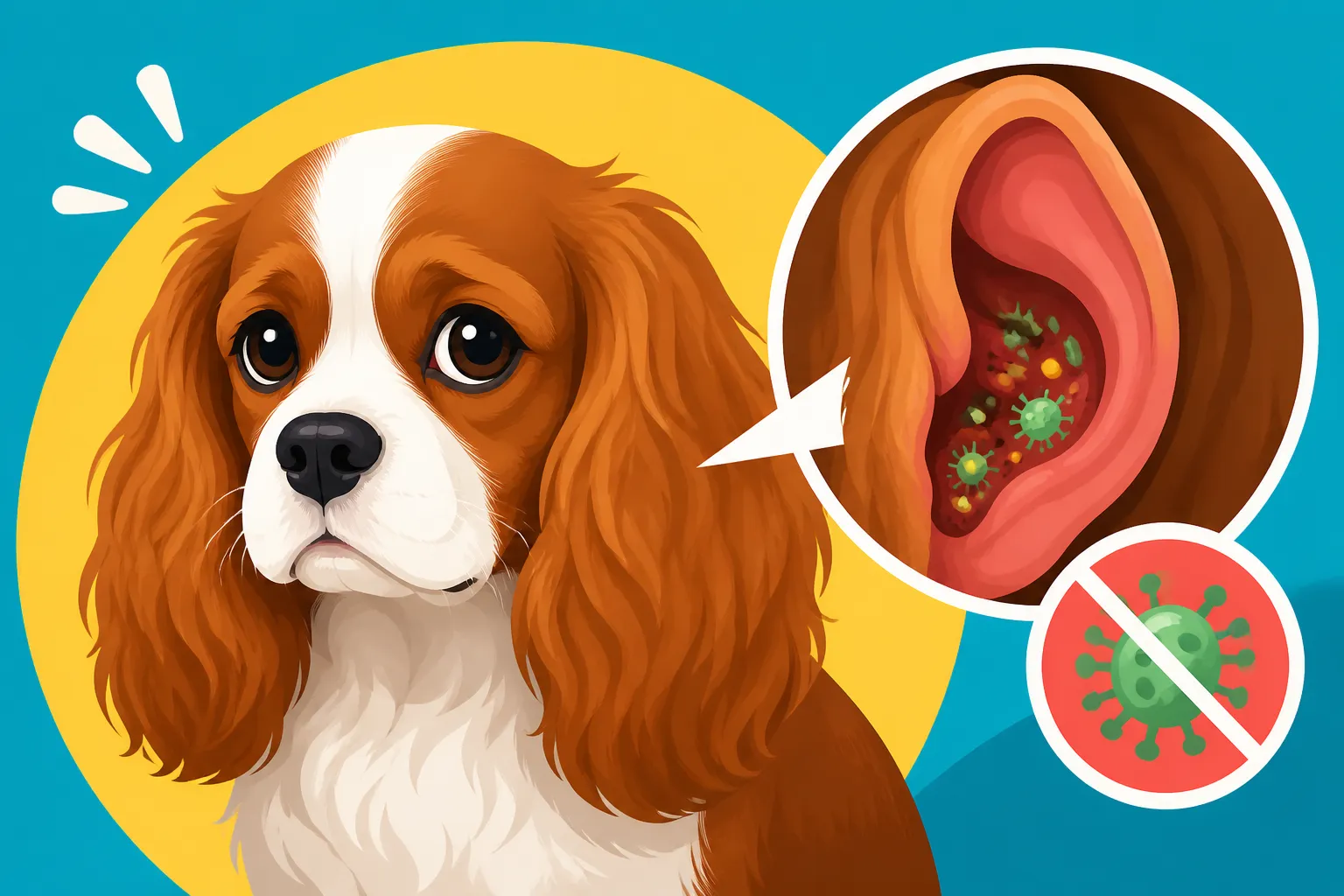
Unlike humans, whose ear canals run horizontally and are relatively open, a dog's ear canal takes a much more convoluted path. Imagine a long, narrow "L" shape. The external ear canal starts vertically, then makes a sharp right-angle turn horizontally towards the eardrum. This design already makes it challenging for air to circulate and for debris or moisture to exit naturally. Now, add the Cavalier's distinctive ear. The heavy, pendulous ear flap acts like a lid, covering this already winding canal and sealing it off from the outside world even further. This creates a dark, warm, and humid microclimate – essentially a perfect incubator for unwanted guests like bacteria and yeast. Without proper care, this anatomical quirk sets the stage for a host of issues, often leading to your vet recommending frequent cleanings or even medication.
The Impact of Profuse Feathering
Beyond the drop ear itself, the Cavalier King Charles Spaniel is blessed with luxurious feathering, particularly around their ears. This long, silky hair, while beautiful, extends into and around the opening of the ear canal. This isn't just cosmetic; it significantly contributes to the problem. The dense hair traps moisture, dirt, and debris, preventing what little airflow might otherwise reach the canal. It also provides a physical barrier, making it difficult for owners to properly clean the ear canal or for veterinary medications to penetrate effectively if an infection takes hold.
This abundance of hair acts like a filter, catching pollen, dust, and other allergens as your Cavalier explores the world. These trapped irritants can then trigger inflammation, creating an even more hospitable environment for pathogens. Many Cavalier owners find themselves on a never-ending quest to manage their dog's ear health, often needing to trim this hair regularly to improve air circulation and facilitate cleaning.
How Drop Ears Create a Problematic Environment
The mere presence of those lovely drop ears isn't just about anatomical shape; it's about the entire micro-environment they create. This constant state of warmth, darkness, and humidity is precisely what pathogenic microorganisms thrive on, turning a cute ear into a problematic one.
The Warm, Dark, and Humid Microclimate
Think about places where mold and mildew flourish – damp, dark, and warm corners, right? The inside of a Cavalier’s drop ear flap and its underlying canal is essentially a miniature version of this environment. The ear flap hangs down, covering the ear opening completely, blocking out light and fresh air. This creates a perpetual state of warmth and humidity within the ear canal, especially in warmer climates or after baths or swimming.
This constant lack of ventilation prevents the natural drying out of the ear canal, which would otherwise inhibit the growth of bacteria and yeast. Instead, these conditions encourage rapid proliferation. It's why even a perfectly healthy Cavalier can suddenly develop an infection if the conditions are just right – or rather, just wrong – for a pathogen to take hold. It’s a constant battle against nature, and understanding this fundamental challenge is the first step toward effective management.
Reduced Airflow and Moisture Retention
The lack of airflow is a critical component of the problem. Without air circulating freely, any moisture that enters the ear—whether from humidity in the air, a quick splash in a puddle, or even just the body's natural moisture—becomes trapped. This trapped moisture softens the delicate skin lining the ear canal, making it more susceptible to irritation and infection.
Moreover, the normal shedding of dead skin cells and ear wax, which occurs naturally, gets obstructed. Instead of being pushed out, it accumulates, mixes with the moisture, and forms a thick, waxy buildup. This buildup is a buffet for bacteria and yeast, providing them with a constant food source and a protective layer to hide within. This cycle of moisture retention and inhibited drainage makes the Cavalier's ear a prime candidate for recurrent infections. Regular ear cleaning is not just about hygiene; it's about actively working against these inherent anatomical disadvantages.
Common Types of Ear Infections in Cavaliers
When a Cavalier develops an ear infection, it's usually due to an overgrowth of microorganisms that are normally present in small numbers. The tricky part is that different culprits require different treatments, and understanding the most common types can help you communicate more effectively with your vet.
Yeast Infections
Yeast infections, primarily caused by Malassezia pachydermatis, are incredibly common in Cavaliers and often have a very distinctive, pungent odor that many describe as sweet, musty, or even like stale bread or corn chips. If you've ever thought your dog's ears smelled a bit like Fritos, you're probably smelling yeast. This fungus thrives in the warm, dark, moist environment created by their drop ears.
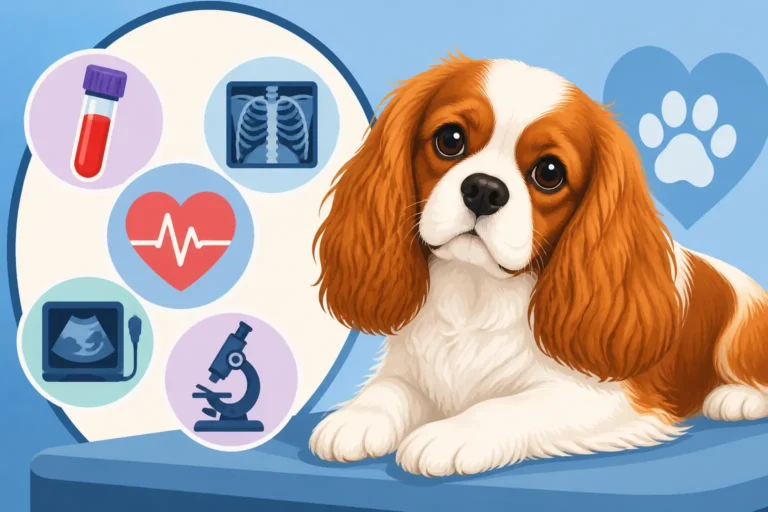
The symptoms often include reddish-brown waxy discharge, redness, inflammation, itching, and general discomfort. Cavaliers with allergies are particularly prone to yeast infections, as allergies can trigger inflammation in the ear canal, making it even more hospitable for yeast to grow. Keeping an eye on your Cavalier's ears and doing How Often to Check a Cavalier's Ears can help catch these early. Your vet will often diagnose this with an otoscope exam and by taking a swab of the ear to look at under a microscope.
Bacterial Infections
Bacterial ear infections can be more serious and often cause significant pain for your Cavalier. These can be caused by various types of bacteria, with Staphylococcus and Pseudomonas being among the most common. Bacterial infections usually produce a different kind of discharge – it might be yellowish, greenish, or even black, and often has a much fouler, more acrid smell compared to yeast.
A Cavalier suffering from a bacterial infection will likely show increased signs of pain, such as yelping when their ear is touched, holding their head tilted, or exhibiting intense scratching. The ear canal will often appear very red and swollen. These infections require veterinary intervention, often involving antibiotic ear drops or even oral antibiotics if the infection is deep or systemic. Without proper treatment, chronic bacterial infections can lead to serious complications, including Chronic Ear Disease and Cavalier Hearing Loss.
Ear Mites and Other Parasites
While less common in well-cared-for adult Cavaliers, ear mites (Otodectes cynotis) are a highly contagious external parasite that can cause intense itching and irritation, especially in puppies or dogs from shelters. They live on the surface of the ear canal skin and feed on skin debris. The tell-tale sign of ear mites is a dark, crusty, coffee-ground-like discharge that is often found packed deep inside the ear.
If your Cavalier is suddenly scratching their ears like crazy and you see this type of discharge, especially if they’ve been around other animals, ear mites are a strong possibility. A vet can easily diagnose them by looking at a sample of the discharge under a microscope. Treatment typically involves specific ear drops or oral medications designed to kill the mites. Beyond mites, other parasites like ticks or fleas can occasionally find their way into the ear, causing localized irritation, though this is less common for the primary cause of deep ear infections.
Factors Worsening Ear Infection Risk in Cavaliers
While their unique ear structure is a major player, other factors can significantly increase a Cavalier’s susceptibility to ear infections, turning a mild predisposition into a chronic battle. Understanding these additional triggers is key to comprehensive prevention.
Underlying Allergies and Sensitivities
This is a big one, and often overlooked. Many ear infections in Cavaliers aren't just isolated events; they are secondary to an underlying allergic reaction. Dogs, like people, can suffer from environmental allergies (atopy) to things like pollen, dust mites, or mold, or from food allergies to certain protein sources. When a Cavalier has an allergic reaction, one of the primary ways it manifests is through inflammation and itching of the skin, and the ear canal is essentially an extension of the skin.
This inflammation within the ear canal alters the delicate balance, creating a prime environment for yeast and bacteria to overgrow. If your Cavalier seems to get ear infections repeatedly, even with diligent cleaning, it’s crucial to investigate potential allergies. This might involve working with your vet on elimination diets or allergy testing. Treating the underlying allergy, not just the symptoms, is often the only way to break the cycle of recurring ear infections. This ongoing management can sometimes lead to significant veterinary bills, which is why something like Insuring a Cavalier Before the Murmur Arrives can be a smart move, even if it's primarily for unexpected health issues.
Improper or Infrequent Ear Cleaning
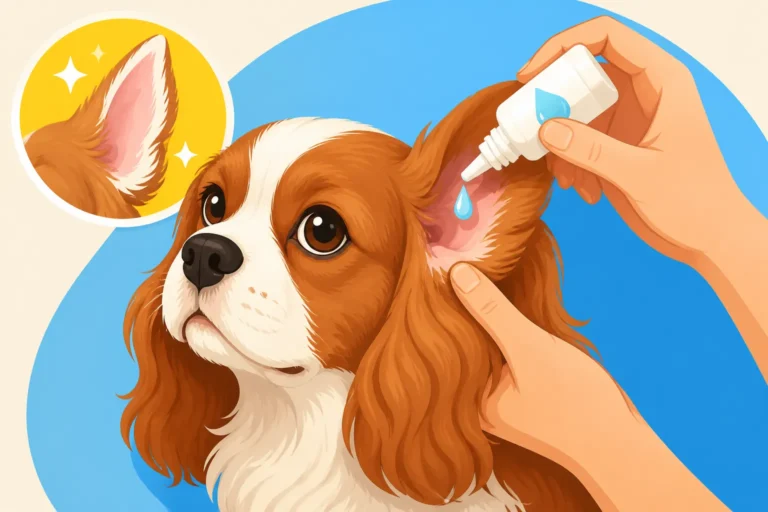
It might seem counterintuitive, but both too little and too much cleaning, or using the wrong technique, can exacerbate ear problems. Infrequent cleaning allows wax, debris, and moisture to build up, creating that perfect breeding ground for pathogens. Cavaliers, with their heavy drop ears and profuse feathering, absolutely need regular ear maintenance. If you're struggling, learning Getting Drops Into a Cavalier's Ear Canal properly is essential.
On the other hand, over-cleaning or using harsh, irritating products can strip the ear canal of its natural protective oils and disrupt the delicate pH balance, making it more vulnerable to infection. Using cotton swabs deeply into the ear canal is a big no-no, as it can push debris further in and even damage the eardrum. The goal of cleaning is to gently remove excess wax and debris, not to sterilize the canal. Your vet can show you the correct technique and recommend a suitable, gentle ear cleaner designed for canine ears. Regularly checking What a Healthy Cavalier Ear Looks Like can help you gauge if your cleaning routine is effective.
Moisture Exposure from Baths or Swimming
Cavaliers love a good bath, and many enjoy a dip in the pool or lake, especially on a warm day. However, their drop ears are particularly susceptible to trapping water deep within the ear canal after these activities. This trapped moisture quickly leads to the humid conditions that yeast and bacteria adore. Even if you're careful, water can easily seep under that floppy ear flap and sit in the 'L' bend of the canal.
After any exposure to water – be it a bath, a swim, or even just playing in the rain – it is absolutely critical to thoroughly dry your Cavalier's ears. This means gently wiping the accessible parts of the ear flap and outer canal with a soft cloth or cotton ball. For deeper drying, an ear-drying solution specifically designed for dogs can be used, as it helps to evaporate moisture. Neglecting this step is a common reason why a Cavalier can suddenly develop an ear infection, especially after a fun day outdoors. Think of Drying a Cavalier's Ears After a Bath as a non-negotiable step in their grooming routine.
Recognizing the Signs of an Ear Infection
Early detection is paramount when it comes to ear infections in Cavaliers. The sooner you spot the signs, the sooner you can get your furry friend relief and prevent the infection from becoming more severe or chronic. Our Cavaliers are generally quite stoic, so subtle changes can be the first clues.
Behavioral Changes to Watch For
A change in your Cavalier's behavior is often the first, most noticeable indication that something is amiss with their ears. They might start shaking their head more frequently or vigorously than usual, as if trying to dislodge something. You might also see them pawing, scratching, or rubbing their ears on furniture or the carpet. This intense itching can be relentless and distressing for them.
Beyond the direct ear-related actions, observe their general demeanor. An ear infection can be quite painful, leading to irritability, lethargy, or even a reluctance to play. They might yelp or flinch when you try to pet their head or ears. Some dogs may hold their head tilted to one side or become withdrawn. These are all signs that your Cavalier is uncomfortable and needs attention. Don't dismiss persistent head shaking or scratching as just "normal dog behavior" – for a Cavalier, it often points to a problem.
Physical Indicators of Infection
Beyond behavioral cues, there are several physical signs that can confirm an ear infection. Take a moment to gently lift your Cavalier's ear flap and inspect the inner surface of the ear and the visible part of the ear canal. Look for redness or swelling. The skin inside a healthy ear should be a pale pink, not angry red and inflamed.
Another major indicator is discharge. This can range from dark brown, waxy buildup (often seen with yeast) to yellowish, greenish, or even black pus (more common with bacterial infections). A strong, unpleasant odor is also a huge red flag. As mentioned, yeast often smells musty or like corn chips, while bacterial infections can smell foul or putrid. Lastly, check for warmth. If the ear feels noticeably warmer to the touch than the surrounding skin, it’s a sign of inflammation. Combining these observations with any behavioral changes will give you a clear picture that it’s time for a vet visit. Often, The Smell That Means a Cavalier Ear Infection is the most obvious sign.
Preventative Care and Long-Term Management
Preventing ear infections in your Cavalier is far easier and less stressful than treating them. With consistent, gentle care, you can significantly reduce the likelihood of those uncomfortable, recurring issues that plague so many drop-eared breeds.
Regular Cleaning and Inspection Routine
Establishing a regular ear cleaning and inspection routine is the cornerstone of preventative care for your Cavalier. Aim to check their ears at least a few times a week, especially after baths, swimming, or active play outdoors. Lift the ear flap, take a sniff, and glance inside. This simple act of vigilance allows you to catch any redness, discharge, or odor early, before it escalates into a full-blown infection.
When it comes to cleaning, a good rule of thumb is to clean them weekly or bi-weekly if your Cavalier is prone to issues, or monthly if they generally have healthy ears. Always use a veterinarian-approved ear cleaner that helps break down wax and has antiseptic properties. Gently massage the base of the ear to help the cleaner work its way into the canal, then allow your Cavalier to shake their head, which helps dislodge debris. Finish by wiping the visible outer ear with a soft cloth or cotton ball. Remember, avoid cotton swabs deep inside the ear. Consistency is key here. Many Cavalier owners find that using a snood during meal times helps keep those long ears out of food and water, reducing the need for frantic drying.
| Symptom | Common Cause | Discharge Appearance | Odor |
|---|---|---|---|
| Head shaking, itching | Yeast Infection | Reddish-brown, waxy | Musty, "corn chip" |
| Pain, swelling | Bacterial Infection | Yellowish, greenish, black pus | Foul, acrid, sometimes absent |
| Intense scratching | Ear Mites (less common adults) | Dark, crusty, "coffee ground" | None to mild, sometimes sour |
| Redness, sensitivity | Allergies (secondary) | Varies (often clear, then waxy) | Varies (often yeast-like) |
Addressing Underlying Issues and Veterinary Consultations
If your Cavalier experiences frequent ear infections despite diligent preventative care, it’s crucial to work with your veterinarian to identify and address any underlying issues. As we discussed, allergies are a huge culprit, and investigating whether your dog has environmental or food allergies can lead to a more effective, long-term solution than just treating the symptoms. Your vet might recommend special diets, allergy medications, or even immunotherapy.
Furthermore, some Cavaliers might have anatomical abnormalities that make them even more susceptible. In rare cases of chronic, severe infections that don't respond to medical management, your vet may discuss advanced diagnostics or even surgical options with a veterinary dermatologist. Never try to self-diagnose or treat severe ear infections at home, as this can worsen the problem or delay proper treatment. Regular vet check-ups are essential, and a good pet insurance plan, like those offered by Healthy Paws, can certainly help manage the costs of ongoing diagnostic tests and treatments for chronic conditions.
Grooming Practices to Aid Ear Health
Proper grooming extends beyond just brushing their gorgeous coat; it's vital for ear health too. The long feathering around a Cavalier's ears, while beautiful, can trap moisture and debris. Regular, gentle trimming of the hair around the ear canal opening and on the underside of the ear flap can significantly improve airflow and reduce the chances of moisture getting trapped. You don't need to shave it bald, but keeping it tidy and shorter than the rest of the feathering makes a big difference.
Some owners also choose to trim the hair on the underside of the ear flap itself, which can further enhance ventilation. Just be very careful not to cut the delicate skin. This grooming, combined with Massaging the Base of a Cavalier's Ear during cleaning, helps ensure that the cleaning solution gets where it needs to go. Discuss with your professional groomer or vet the best approach for your individual Cavalier, especially if they are prone to matting or have particularly dense ear feathering. Remember, a well-groomed ear is a happier, healthier ear.
Disclaimer
The information provided in this article is for educational purposes only and is not intended to be a substitute for professional veterinary advice. Always consult with a qualified veterinarian for any health concerns or before making any decisions related to your Cavalier King Charles Spaniel's care.