Whether Syringomyelia Changes a Cavalier’s Temperament
It's heartbreaking to witness a change in your beloved Cavalier King Charles Spaniel, especially when it seems to come out of nowhere. Many Cavalier owners find themselves wondering if conditions like Syringomyelia (SM) can actually alter their dog's sunny disposition, turning a previously affectionate pup into one that's withdrawn, irritable, or even fearful. This guide aims to shed light on how Syringomyelia can indeed influence a Cavalier's temperament, helping you understand, identify, and manage these shifts to bring comfort back into your companion's life.
The Core Challenge: Understanding Syringomyelia's Impact on Temperament
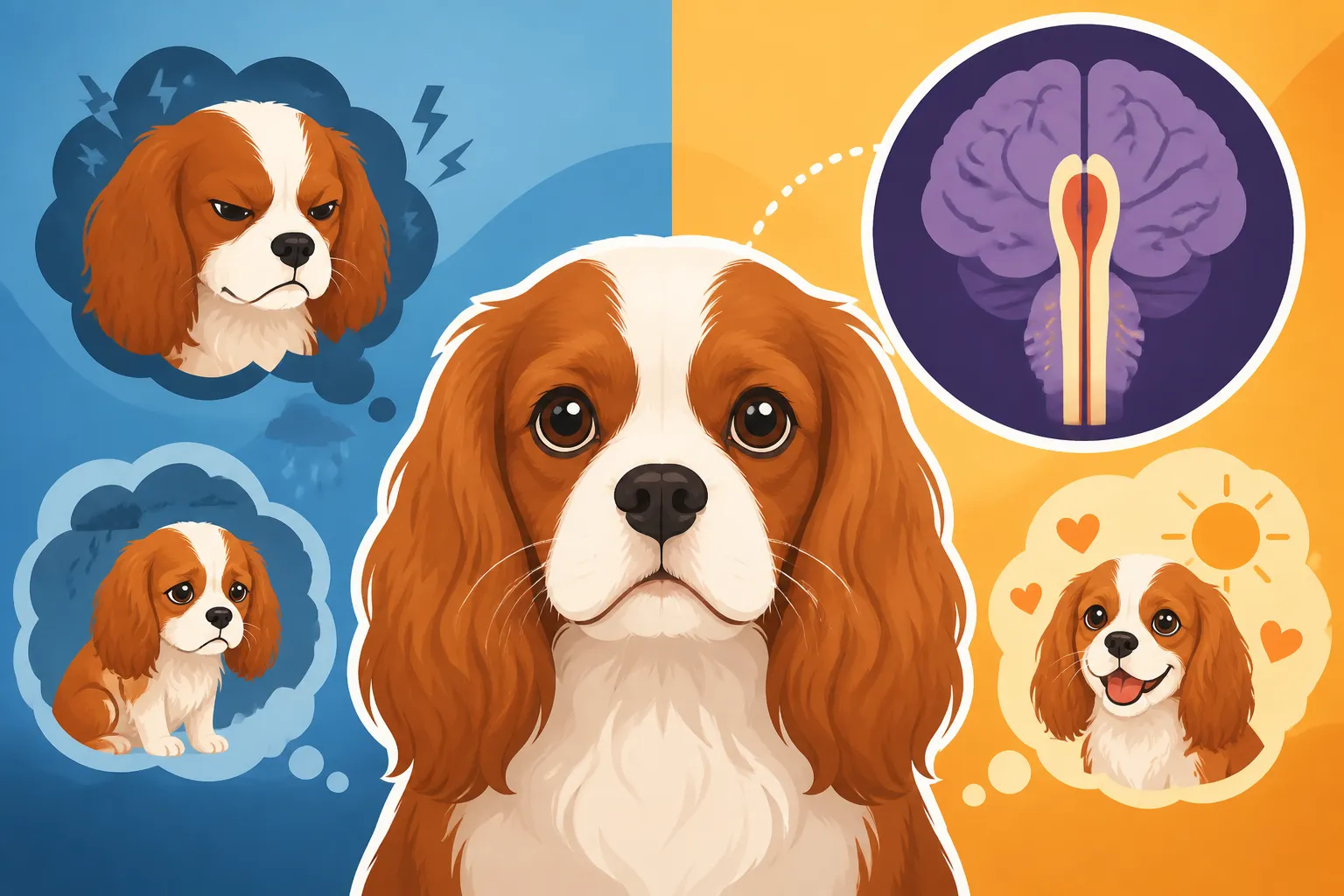
Syringomyelia, often linked with Chiari-like Malformation (CM), is a notoriously painful neurological condition prevalent in Cavalier King Charles Spaniels. It occurs when a Cavalier's skull is too small for its brain, causing cerebrospinal fluid to be pushed into the spinal cord, forming fluid-filled cavities called syrinxes. These syrinxes press on nerves, leading to a range of symptoms, most notably chronic pain. When a dog is in constant pain, it's only natural that its personality and behavior will be affected.
One of the most profound frustrations for owners is seeing their dog’s vibrant personality dim. Imagine living with a persistent, nagging headache or nerve pain that never truly goes away; it’s bound to make you less patient, less sociable, and more prone to irritability. Our Cavaliers experience something similar, and their behavioral changes are often direct consequences of this underlying discomfort. It’s not that their core personality changes in the way a human might due to psychological issues, but rather that their ability to express their true, happy selves is inhibited by physical suffering.
It’s crucial to distinguish between a "changed temperament" in the sense of a different core personality and behavioral alterations due to physical distress. With SM, it's the latter. Your Cavalier is still the same loving dog underneath, but the pain acts as a constant barrier, shaping how they interact with their world. Understanding this distinction is the first step in approaching their care with the right mindset and empathy.
Direct Behavioral Changes Due to Pain
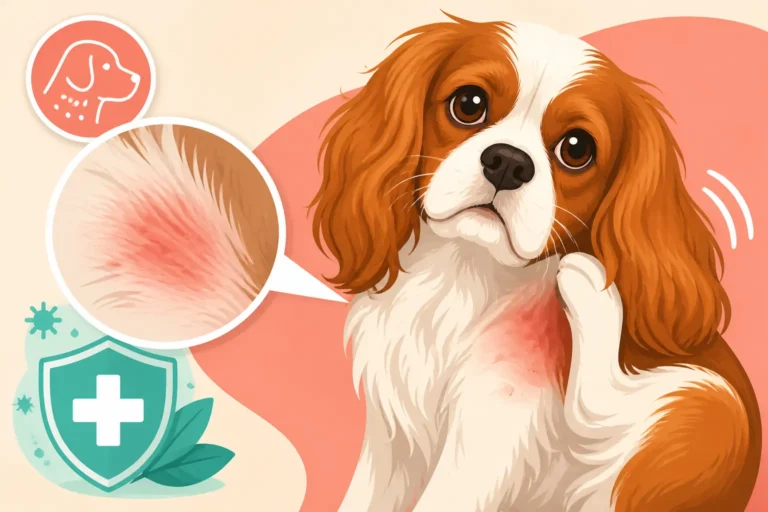
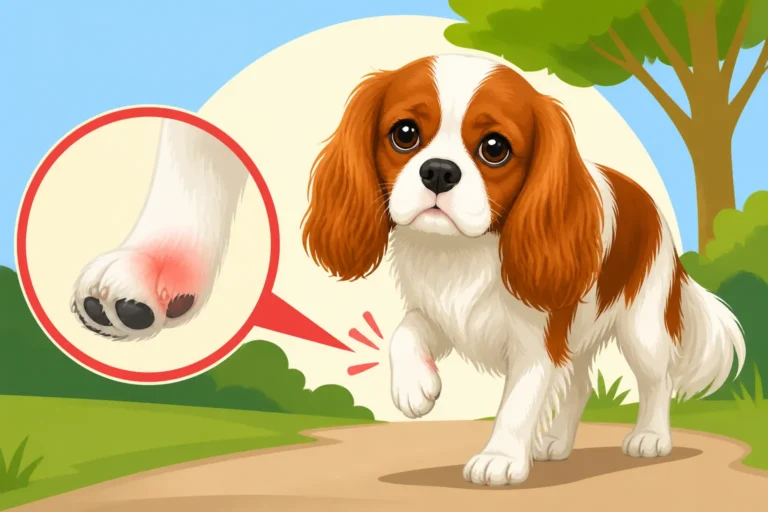
The most obvious way Syringomyelia can alter a Cavalier's temperament is through direct manifestations of pain. These aren't just subtle shifts; they can be quite pronounced and alarming. A common scenario is a dog that suddenly becomes "snappy" or growls when approached or touched, especially around the head, neck, or shoulders. This isn't aggression for aggression's sake; it's a desperate plea for relief, a warning born of anticipated pain. If your Cavalier that previously loved cuddles now flinches or tries to escape when you reach for them, it's a huge red flag.
Another tell-tale sign is a decrease in enthusiasm for activities they once loved. A Cavalier might stop greeting you at the door with the usual bouncy excitement, or they might refuse to jump on the sofa for a snuggle. They might even yelp when picked up, or when their collar is fastened. These aren't acts of defiance; they are clear indicators that movement or certain types of contact exacerbate their pain. They're trying to protect themselves, and their "temperament change" is a direct, physiological response to severe discomfort. This often makes owners feel rejected or confused, when in reality, their dog needs urgent veterinary attention for pain relief for a Cavalier with Syringomyelia.
Beyond touch, you might notice alterations in how they rest or sleep. Cavaliers with SM often struggle to get comfortable. They might sleep with their head raised, or avoid lying flat, trying to alleviate pressure on their neck and spine. This constant struggle for comfort leads to sleep deprivation, which, in turn, can amplify irritability and withdrawal, creating a vicious cycle where pain and behavioral changes feed into each other.
Indirect Temperamental Shifts from Chronic Discomfort
Beyond the direct expressions of pain, chronic discomfort from Syringomyelia can lead to more insidious, indirect shifts in a Cavalier's temperament. These changes can be harder to pinpoint and often mimic other behavioral issues, leading to misdiagnosis or frustration if the underlying cause isn't identified. Imagine living with persistent, low-grade pain that drains your energy and makes everything an effort. Your Cavalier experiences this, and it manifests as a general shift in their overall disposition.
One of the most heartbreaking indirect changes is a general withdrawal from social interaction. Your once-gregarious Cavalier might start spending more time alone, choosing to lie in a quiet corner rather than participate in family activities. They might avoid other pets, or even members of the household. This isn't because they've suddenly decided they don't like company; it's because engaging with others, even gently, can be exhausting or risky for a dog in constant pain. They may be trying to minimize potential interactions that could lead to accidental bumps or movements that cause agony.
Furthermore, chronic pain can lead to increased anxiety and fear. A dog that is constantly hurting may become hypersensitive to its environment. Loud noises, sudden movements, or even changes in routine can become overwhelming. This heightened state of alert is a survival mechanism, but it translates into a dog that seems more nervous, clingy, or even fearful than they used to be. They might startle easily or exhibit anxious behaviors like excessive panting or pacing, particularly at night when the house is quiet and their pain might feel more pronounced. This isn't an "attitude problem" but a coping mechanism for an internal battle they're fighting every single day.
Recognizing Subtle Signs: Beyond Obvious Pain Responses
It’s easy to spot a yelp or a growl, but many of the temperament changes associated with Syringomyelia are far more subtle. These nuanced shifts can be easily missed or misinterpreted as "just getting old" or "being a bit grumpy today." However, for Cavalier owners, being attuned to these less obvious indicators is paramount, as early recognition can lead to earlier intervention and a better quality of life for your dog. Your Cavalier, being a stoic breed often prone to hiding discomfort, might only show you the quietest signals that something is deeply wrong.
Sometimes, the changes aren't about what your Cavalier does, but what they stop doing. Perhaps they no longer bring you a toy for a game, or they seem less interested in their usual walk route. They might seem "off" or "down" without any clear physical injury. This is where your intimate knowledge of your dog's unique personality becomes your most powerful diagnostic tool. If something feels fundamentally different about their spirit, it's worth investigating, even if no overt physical symptoms are present.
It’s also important to remember that not all Cavaliers with SM experience the same symptoms or the same severity of pain. Some may show classic "air scratching as a Cavalier's first warning sign" where they scratch at their shoulder or ear without making contact, while others might primarily exhibit behavioral changes. This variability makes vigilant observation even more critical, ensuring that no subtle clue is overlooked.
Changes in Social Interaction and Affection
One of the most heartbreaking changes to witness is a shift in your Cavalier's famed affectionate nature. These are dogs known for their "Velcro" personalities, their desire to be constantly by your side, craving connection. With Syringomyelia, this can diminish significantly. They might still seek out your presence, but the quality of that interaction can change. Instead of leaning into a cuddle, they might lie near you but keep a certain distance, avoiding direct contact.
Consider a Cavalier named Lucy, who used to greet visitors with wagging tail and demand belly rubs from anyone entering the house. After her SM progressed, her owners noticed she would simply watch new people from her bed, perhaps offering a weak tail wag, but no longer approaching for interaction. She became withdrawn, even from her favorite people, which was entirely out of character. This isn't rudeness; it's a protective mechanism. The act of jostling or being petted by an unfamiliar hand could trigger a jolt of pain, so she learned to minimize those risks by reducing social engagement.
They might also become less tolerant of other pets in the household. A Cavalier who once loved to snuggle with the family cat or roughhouse gently with another dog might now snap or growl if a housemate gets too close. This isn't territorial aggression in the typical sense; it’s a desperate attempt to create personal space where they feel safe from accidental bumps that intensify their pain. It’s a sad reality, but chronic pain often makes even the most amiable dogs seek solitude.
Altered Play Habits and Energy Levels
A happy, healthy Cavalier is a playful dog, even if their play isn't as boisterous as a larger breed. They love a good game of fetch, chasing a squeaky toy, or a gentle romp in the yard. Syringomyelia, however, can slowly but surely chip away at this joy. You might notice your Cavalier becoming less interested in play, or stopping sooner than usual. They might start to refuse stairs or be reluctant to jump on and off furniture, which could be an early sign of discomfort rather than simply "getting lazy."
Think of Max, a typically spirited Blenheim Cavalier who adored chasing tennis balls. His owners first noticed a change when he'd retrieve the ball but then drop it a few feet away, unwilling to bring it back for another throw. Eventually, he'd just watch the ball, wagging his tail half-heartedly but making no move to pursue it. This wasn't a sudden loss of interest; it was a gradual decline, driven by the increasing effort and pain involved in running and twisting. His energy levels plummeted, not from fatigue, but from the immense physical cost of movement.
Even during walks, which are a highlight for most Cavaliers, you might observe changes. They may walk slower, lag behind, or show reluctance to extend their neck to sniff. A Cavalier that tires on short walks is a significant indicator of an underlying issue. These are all subtle signs that their body is no longer comfortable with the activities they once enjoyed, directly influencing their perceived "temperament." They might appear less happy, less engaged, and generally more subdued, all because of the invisible burden of Syringomyelia.
Managing Temperamental Changes and Supporting Your Cavalier
When you recognize these troubling changes in your Cavalier's temperament, it's a clear call to action. The goal isn't just to "fix" the behavior, but to alleviate the underlying pain that's causing it. Managing Syringomyelia effectively involves a multi-faceted approach, combining veterinary intervention, medication, and significant adjustments to your home environment to minimize triggers and maximize comfort. This isn't a quick fix; it's a commitment to a long-term care strategy that can profoundly improve your Cavalier's quality of life and, in turn, restore aspects of their cheerful personality.
It's a tough road, both emotionally and financially. Seeing your dog suffer is agonizing, and the costs associated with diagnosis and ongoing treatment can be substantial. This is where forward-thinking pet insurance, like a policy from Healthy Paws, can become an invaluable resource. Having coverage can alleviate some of the financial stress, allowing you to focus on getting your Cavalier the best possible care without constant worry about mounting vet bills. Don't wait until a diagnosis to consider insurance, as Syringomyelia as a pre-existing Cavalier condition would not be covered.
Remember, patience and empathy are your greatest tools. Your Cavalier isn't acting out; they're reacting to pain. Every step you take to ease their discomfort is a step towards bringing back their true, sweet temperament.
Veterinary Intervention and Pain Management Strategies
The first and most critical step is to get a definitive diagnosis and work closely with a veterinary neurologist. They are specialists equipped to understand the complexities of Syringomyelia and formulate an effective treatment plan. The diagnosis itself typically involves an MRI scan, which can definitively show the presence and severity of syrinxes. Understanding what a Cavalier MRI scan costs and shows is vital for preparing for this diagnostic step.
Once diagnosed, the primary focus of treatment is pain management. This often involves a combination of medications designed to reduce inflammation, alleviate nerve pain, and sometimes, reduce the production of cerebrospinal fluid. Common medications include non-steroidal anti-inflammatory drugs (NSAIDs), gabapentin for a Cavalier with neck pain, and sometimes corticosteroids or drugs that reduce fluid pressure in a Cavalier. The exact cocktail and dosage will be tailored to your Cavalier's specific needs and pain levels, and it might take some trial and error to find the optimal regimen.
It’s not just about medication, though. Your vet might also suggest other therapies like acupuncture, physical therapy, or even dietary changes that support neurological health. Regular follow-up appointments are essential to monitor your dog's response to treatment and adjust as needed. This ongoing veterinary partnership is key to successfully managing the pain that underlies many of the temperament changes you're seeing.
Creating a Low-Stress, Supportive Home Environment
Medication can only do so much; a truly supportive environment is equally vital. This means actively minimizing triggers for pain and stress within your home. Start by thinking about how your Cavalier moves around. Are they jumping on and off furniture? Are they navigating stairs? These movements can exacerbate neck and back pain. Invest in dog ramps for sofas and beds, and consider baby gates to block off stairs. If you live with a Cavalier that has Syringomyelia, these small changes can make a huge difference to their daily comfort.
Another crucial adjustment is to switch from a traditional collar to a harness. A harness suited to a Cavalier's neck distributes pressure across the chest and shoulders, avoiding strain on the neck and spine, which are often the most affected areas in SM. This simple change can reduce pain during walks and when being handled. Also, consider the ergonomics of their feeding and drinking stations. Raised bowls can prevent your Cavalier from having to bend their neck down, which can be painful.
Finally, manage noise and excitement levels. A dog in pain often finds loud noises or chaotic environments distressing. Create a quiet, comfortable "safe space" where your Cavalier can retreat when they feel overwhelmed. Gentle handling, a consistent routine, and a calm household atmosphere will contribute significantly to their sense of security and reduce their overall stress, allowing their natural, loving temperament to shine through more often.
The Importance of Early Detection and Proactive Care
Waiting until your Cavalier is exhibiting severe behavioral changes or overt pain symptoms before seeking veterinary attention can unfortunately allow Syringomyelia to progress unchecked. Early detection is paramount because it offers the best chance to manage the condition effectively, slow its progression, and preserve your Cavalier's quality of life and their inherent, loving temperament. The age Cavalier Syringomyelia signs begin can vary, so vigilance from a young age is beneficial.
Many of us wish we could have a crystal ball to know what health challenges our dogs will face. While we can't predict the future, understanding the breed's predispositions and acting proactively—especially when it comes to notorious conditions like SM—is the next best thing. This proactive approach not only benefits your dog but also helps you as an owner feel more in control and less overwhelmed by a sudden, devastating diagnosis.
This is also where considering pet insurance like Healthy Paws before any symptoms arise becomes so important. If you enroll your Cavalier as a puppy, conditions like Syringomyelia won't be considered pre-existing, meaning you'll have financial support for expensive diagnostics and long-term treatments. This proactive step can make a world of difference when facing the realities of managing a chronic condition.
Why an MRI is the Definitive Diagnostic Tool
While a vet can suspect Syringomyelia based on clinical signs and a neurological exam, the only way to definitively diagnose SM and assess the size and location of the syrinxes is through a magnetic resonance imaging (MRI) scan. This advanced imaging technique provides detailed images of the brain and spinal cord, clearly showing the Chiari-like malformation and any associated syrinxes.
The process involves your Cavalier being sedated or placed under general anesthesia for the scan, which typically takes about an hour. While the cost of a Cavalier MRI can be a concern for many owners, it’s an indispensable tool. Without it, you’re essentially guessing at the problem, and generic pain medications might not be targeting the root cause effectively. An MRI not only confirms the diagnosis but also guides the neurologist in formulating the most appropriate and effective treatment plan, which is crucial for pain management and improving temperament.
Some owners might wonder whether every Cavalier should be scanned, even without symptoms. While routine screening of all Cavaliers isn't typically recommended due to cost and the need for anesthesia, if your dog shows any concerning signs – even subtle behavioral shifts – an MRI becomes a critical diagnostic step. It provides objective evidence and eliminates guesswork, allowing for precise treatment.
Long-Term Outlook with Comprehensive Management
Living with a Cavalier that has Syringomyelia is a journey, not a destination. There's currently no cure, but with comprehensive, consistent management, many Cavaliers can live comfortable, happy lives, and their true, gentle temperaments can largely re-emerge. The key is vigilant observation, strict adherence to medication schedules, and a commitment to maintaining a pain-minimizing environment.
The long-term outlook often depends on the severity of the condition at diagnosis and the consistency of care. For some, medication effectively controls the pain, and they may experience only mild, manageable symptoms. For others, particularly those with severe syrinxes, surgery for Cavalier Syringomyelia might be considered, though it comes with its own set of risks and costs. Regardless of the path, the aim is always to provide the best possible quality of life.
When pain is effectively managed, you’ll likely see a return of many of those beloved Cavalier traits you thought were lost. Your dog might become more playful, more affectionate, and generally happier. This restoration of temperament isn't just a bonus; it's a testament to the fact that their underlying personality was simply overshadowed by pain. With your dedication and expert veterinary care, you can help your Cavalier reclaim their joyful spirit.
Cavalier Temperament Shifts and Syringomyelia: A Comparison
To help you visualize the changes, here's a table comparing common behaviors in a healthy Cavalier versus one potentially affected by Syringomyelia.
| Behavior Trait | Healthy Cavalier | Cavalier Potentially Affected by Syringomyelia |
|---|---|---|
| Affection | Seeks cuddles, leans into touch, "Velcro dog" | Avoids touch, flinches, prefers distance, withdrawn |
| Playfulness | Eager for games, chases toys, enjoys romping | Reluctant to play, stops quickly, low energy, avoids jumping |
| Socialization | Greets visitors, enjoys other pets, curious | Hides, shows irritability towards others, avoids interaction |
| Pain Response | Tolerant of handling, enjoys petting | Yelps, growls, snaps when touched, sensitive to collar |
| Rest/Sleep | Sleeps comfortably in various positions | Restless, struggles to get comfortable, sleeps head-elevated |
| Activity Level | Engaged, follows owners, enjoys walks | Lethargic, lags on walks, refuses stairs, tires easily |
| General Disposition | Happy, confident, eager to please | Anxious, fearful, withdrawn, irritable, subdued |
Disclaimer
The information provided in this article is for educational purposes only and is not intended to be a substitute for professional veterinary advice, diagnosis, or treatment. Always seek the advice of your veterinarian or other qualified animal health provider with any questions you may have regarding a medical condition. Never disregard professional veterinary advice or delay in seeking it because of something you have read in this article.