Managing a Cavalier With Episodic Falling
Watching your beloved Cavalier King Charles Spaniel suddenly stiffen, collapse, or struggle to move can be incredibly frightening, leaving you feeling helpless and confused. These episodes, often mistaken for seizures, are actually a unique neurological condition called Episodic Falling Syndrome, and understanding how to navigate them is crucial for your dog's well-being. This comprehensive guide will walk you through everything you need to know about managing a Cavalier with Episodic Falling, from diagnosis to daily care, so you can help your sweet companion live their happiest, most comfortable life.
Understanding Episodic Falling Syndrome in Cavaliers
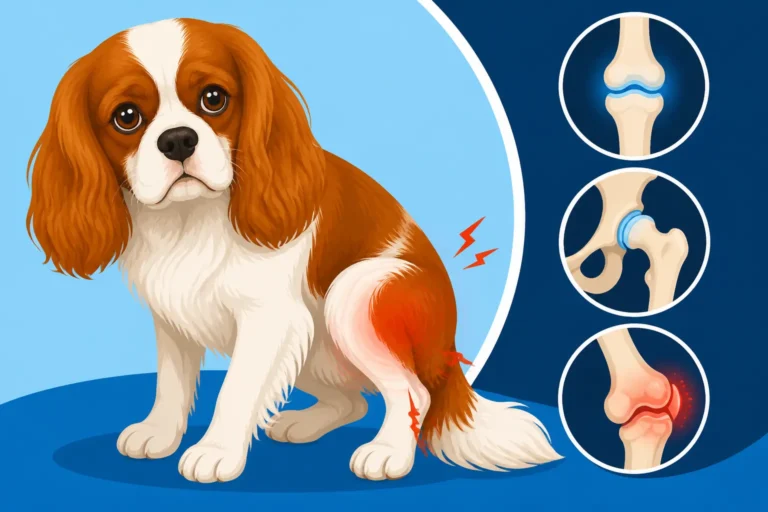
Episodic Falling Syndrome, often abbreviated to EFS, is a condition that specifically affects Cavalier King Charles Spaniels, though it has been rarely reported in other breeds. It’s a fascinating, yet distressing, disorder characterized by episodes of hypertonicity, meaning their muscles become abnormally stiff, leading to a loss of coordination and sometimes a complete collapse. It’s not a seizure in the traditional sense, which is a common misconception among owners and even some general practice veterinarians. The dog remains fully conscious and aware throughout the episode, even if they can’t control their movements. Imagine trying to walk, but your legs suddenly turn to concrete, and you tip over – that’s somewhat akin to what an EFS episode feels like for a Cavalier.
What is Episodic Falling Syndrome EFS?
At its core, EFS is a genetic disorder, specifically an autosomal recessive condition, which means a Cavalier must inherit two copies of the faulty gene (one from each parent) to be affected. If they inherit only one copy, they are considered a carrier and typically won’t show symptoms themselves, but they can pass the gene on to their offspring. The condition is linked to a mutation in the BCAN gene, which plays a role in brain and nervous system development. This genetic basis is why it’s so important for breeders to conduct proper health testing, including The Episodic Falling DNA Test for Cavaliers.
An EFS episode can manifest in several ways, from a mild, clumsy gait and stiffness in the hind legs to a complete "falling" event where the dog tumbles over, unable to right themselves. These episodes are usually triggered by excitement, stress, exercise, or even changes in temperature. You might notice your Cavalier's legs become rigid, their back arches, and they might appear to "bunny hop" or stumble before collapsing. They often try to get up, their legs paddling stiffly, but simply can't coordinate their movements. It's important to remember that during these moments, your dog isn't in pain in the way we might imagine, but they are certainly disoriented and unable to control their body. The duration of these episodes can vary, lasting from a few seconds to several minutes, and typically resolve on their own, leaving the dog appearing perfectly normal afterward.
Distinguishing EFS from Other Conditions
One of the biggest challenges with EFS is that its symptoms can easily be mistaken for other neurological issues, particularly seizures. This confusion can lead to misdiagnosis and inappropriate treatment. While both can involve a loss of control, the key differentiator with EFS is that the dog remains mentally alert and responsive. During a typical seizure, a dog will lose consciousness, their eyes might be glazed, and they won’t respond to their name or touch. They might also drool excessively, void their bladder or bowels, and often appear disoriented or “out of it” for some time after the event, a period known as the post-ictal phase. In contrast, a Cavalier with EFS might look worried or confused during an episode, but their eyes will track you, and they’ll usually try to acknowledge you. You can often see them trying to move or respond to your voice, despite their physical limitations.
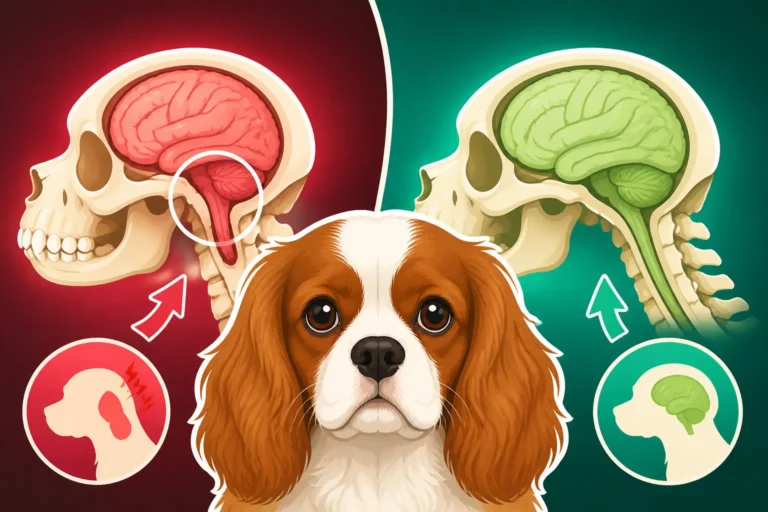
Other conditions like Syringomyelia and Chiari Malformation in Cavaliers can also cause neurological signs, including pain, weakness, or coordination issues, which is why a thorough veterinary workup is so critical. For example, a Cavalier with syringomyelia might yelp when picked up or experience "air scratching," whereas EFS is characterized by the sudden stiffness and falling. Distinguishing EFS from a seizure or other pain-related neurological problem requires careful observation by the owner and a detailed diagnostic process by the vet. Recording an episode on video, if possible, is an invaluable tool for your veterinarian to make an accurate diagnosis, as it allows them to see the event firsthand, even if they aren't present at the moment it happens.
Diagnosing Episodic Falling
Getting an accurate diagnosis for Episodic Falling Syndrome is the first, and arguably most important, step in managing the condition effectively. Because it’s often confused with other neurological issues, a clear diagnosis helps avoid unnecessary treatments and ensures you’re addressing the actual problem. This usually involves a combination of genetic testing and thorough veterinary examination, including ruling out other potential causes. It’s a process that requires patience and close collaboration with your vet, potentially even a veterinary neurologist, to ensure your Cavalier receives the correct care.
The Role of Genetic Testing
For Cavaliers, genetic testing is the most definitive way to diagnose Episodic Falling Syndrome. There’s a specific DNA test available that can identify the mutation in the BCAN gene responsible for EFS. This test is non-invasive, usually requiring just a cheek swab, and can be performed at any age. It provides a clear result: affected, carrier, or clear. An “affected” result confirms your Cavalier has EFS and will experience episodes, while a “carrier” means they carry one copy of the gene but will not develop the disease, though they could pass it to their offspring. A “clear” result means they don’t have the gene and won’t develop EFS or pass it on. This test has been a game-changer for responsible breeders who are working hard to reduce the prevalence of this condition, often utilizing programs to prevent How Many Cavaliers Carry the Falling Gene.
For pet owners, understanding your Cavalier's genetic status can bring immense peace of mind or clarity. If your dog is exhibiting signs consistent with EFS, a positive genetic test provides a definitive answer, allowing you and your vet to focus on management strategies rather than chasing a different diagnosis. It can also be crucial if you're considering breeding your Cavalier (though breeding affected or carrier dogs is not recommended, to help eradicate the disease from the breed). Reputable breeders will always test their breeding stock for EFS, among other conditions, as part of The DNA Tests Every Cavalier Should Have and should be transparent about these results. If you adopt a Cavalier, especially a puppy, asking about the parents' EFS status is a wise move, as it gives you a heads-up on potential future health concerns.
Veterinary Examination and Observation
Even with a genetic test, a thorough veterinary examination is crucial. Your vet will conduct a comprehensive physical and neurological exam to assess your Cavalier’s overall health and rule out other conditions that might mimic EFS. They’ll look for signs of weakness, pain, poor coordination, or other neurological deficits. This process often involves checking reflexes, gait, and muscle tone. The history you provide about the episodes is incredibly important here. Details like when they occur, what triggers them, how long they last, and what your dog does during and after an episode are vital clues. As mentioned earlier, if you can capture an episode on video, it’s perhaps the most helpful piece of information you can provide your vet. A video allows them to observe the characteristic stiffness, collapsing, and preserved consciousness that differentiates EFS from, say, a typical seizure.
In some cases, especially if there's uncertainty or other symptoms are present, your vet might recommend additional diagnostic tests. This could include blood work to check for metabolic issues, or even a referral to a veterinary neurologist for more specialized diagnostics, such as an MRI if other conditions like Syringomyelia and Chiari Malformation in Cavaliers are suspected. However, for EFS, these tests are primarily to rule out other conditions, as the genetic test is the definitive diagnostic tool. The goal is always to piece together a clear picture of what's happening to your Cavalier so that the most appropriate and effective management plan can be put into place, ensuring they don't undergo unnecessary treatments or anxiety.
Strategies for Managing EFS Episodes
Once your Cavalier has received a confirmed diagnosis of Episodic Falling Syndrome, the focus shifts to management. While there’s no cure for EFS, effective strategies can significantly reduce the frequency and severity of episodes, allowing your dog to lead a comfortable and happy life. This often involves a two-pronged approach: careful management of their environment to minimize triggers and, in some cases, the judicious use of medication. It’s about finding a balance that works for your individual Cavalier, as each dog’s response to triggers and treatments can be unique.
Environmental Modifications and Trigger Avoidance
The cornerstone of managing EFS is identifying and meticulously avoiding your Cavalier’s triggers. Since excitement, stress, and intense exercise are common culprits, creating a calm and predictable environment is paramount. Think about what makes your Cavalier enthusiastic or anxious. Is it visitors? New places? High-energy play? Or perhaps A Cavalier That Stiffens and Falls After Excitement when the doorbell rings? Once you identify these, you can start making adjustments.
Here are some practical steps:
- Manage Excitement: Try to keep greetings low-key. Instead of an over-the-top welcome home, opt for a calm "hello" and a gentle pet. When guests arrive, teach your Cavalier to go to a designated "calm spot" with a favorite chew toy.
- Reduce Stress: Maintain a consistent daily routine for feeding, walks, and playtime. Sudden changes can be stressful. If a stressful event is unavoidable (like a vet visit or fireworks), discuss with your vet whether a mild sedative might be appropriate beforehand.
- Control Exercise: While exercise is vital for a Cavalier's overall health, intense or prolonged activity can be a trigger. Opt for shorter, more frequent walks at a moderate pace. Avoid highly stimulating dog parks or situations where they might get over-excited. On warm days, be mindful of overheating, which can also be a trigger for some dogs.
- Safe Spaces: Create a quiet, comfortable "den" for your Cavalier where they can retreat when feeling overwhelmed or during an episode. This could be a crate with a soft bed, covered with a blanket.
- During an Episode: If an episode occurs, remain calm. Don't panic, as your stress can further agitate your dog. Gently guide them to a safe, soft spot if they are flailing. Speak in soothing tones. Don't try to force them to stand or move; let the episode pass naturally. Ensure they are not in a position where they could injure themselves, for example, by falling down stairs.
Medication and Supplementation
While environmental management is key, some Cavaliers may benefit from medication to help reduce the frequency or severity of EFS episodes. The most commonly prescribed medication for Episodic Falling is clonazepam, a benzodiazepine that acts as a muscle relaxant and antispasmodic. It works by affecting neurotransmitters in the brain, helping to reduce the muscle stiffness and involuntary movements associated with EFS. This isn’t a cure, but it can significantly improve a Cavalier’s quality of life, allowing them to participate more fully in daily activities without as much risk of an episode. Your veterinarian will determine the appropriate dosage and frequency, and it’s crucial to follow their instructions precisely. It’s also important to understand that finding the right medication and dose can sometimes involve a bit of trial and error.
Beyond prescription medications, some owners explore supplements, though their efficacy for EFS is not scientifically proven in the same way clonazepam is. Nutritional supplements aimed at neurological health, such as those containing B vitamins, magnesium, or antioxidants, are sometimes considered. However, always discuss any supplements with your vet before introducing them, as they can interact with other medications or be inappropriate for your Cavalier's specific health profile. For example, some supplements might exacerbate heart conditions that Cavaliers are prone to, such as Mitral Valve Disease in the Cavalier King Charles Spaniel. It's about working closely with your vet to create a holistic management plan that prioritizes your dog's safety and comfort.
Living Long-Term with a Cavalier with EFS
Living with a Cavalier diagnosed with Episodic Falling Syndrome is a journey that requires commitment, adaptability, and a deep understanding of your dog’s needs. While the initial diagnosis might feel overwhelming, many Cavaliers with EFS go on to live full, happy lives with proper management. The key is to integrate EFS management into their daily routine, focusing on consistency, safety, and maintaining a high quality of life. This involves adapting their physical activity, ensuring their emotional well-being, and having a solid financial plan for their ongoing care.
Daily Routines and Exercise Adaptations
Consistency in daily routines is a powerful tool for managing EFS. Predictable feeding times, walk schedules, and even quiet periods can help reduce stress and excitement, which are common triggers for episodes. If your Cavalier thrives on routine, stick to it as much as possible. This predictability can create a sense of security and calmness, minimizing the physiological spikes that can bring on an EFS episode.
When it comes to exercise, moderation is the name of the game. While a Cavalier is a relatively active breed, intense or prolonged exercise can be a significant trigger for EFS. Instead of one long, strenuous walk, consider two or three shorter, calmer strolls throughout the day. Focus on low-impact activities like leash walking in a quiet park or gentle play in a secure, familiar yard. Avoid situations that lead to over-excitement, such as crowded dog parks or chasing rapidly moving objects for extended periods. Observing your Cavalier carefully to understand their individual tolerance for activity is key. Some may be fine with a brisk walk, while others need a more sedate pace. Remember, it's about keeping them physically healthy without pushing them into an episode. You'll want to be mindful of how their activity levels compare to a Cavalier with Whether Exercise Is Safe for a Cavalier With MVD, as heart disease can impose similar, but different, limitations.
Supporting Your Cavalier’s Quality of Life
Beyond managing episodes, ensuring a high quality of life for your Cavalier with EFS means focusing on their overall physical and emotional well-being. This includes a balanced diet, regular veterinary check-ups, and plenty of love and reassurance. A good diet supports overall health and neurological function, but there’s no specific diet proven to prevent or cure EFS. Just ensure your Cavalier maintains a healthy weight to reduce strain on their joints and heart.
Emotional support is also vital. These dogs are intelligent and sensitive, and they are aware that something is happening to their bodies during an episode. Your calm presence, gentle reassurance, and consistent affection will help them feel secure despite their condition. Many Cavaliers are often referred to as "Velcro dogs" due to their deep bond with their families, and this connection becomes even more important when they are facing a health challenge.
Here's a quick look at key management aspects:
| Aspect | Recommendation for EFS Management |
|---|---|
| Triggers | Identify and avoid excitement, stress, intense exercise, extreme temperatures. |
| Environment | Create a calm, predictable home with a safe retreat area. |
| Exercise | Moderate, frequent, low-impact activities. Avoid over-exertion and high-excitement play. |
| Medication | Discuss clonazepam with your vet; follow dosage exactly. |
| Diet | Balanced diet for overall health; maintain healthy weight. No EFS-specific diet. |
| Emotional Support | Remain calm during episodes, offer reassurance, maintain strong bond. |
| Vet Visits | Regular check-ups to monitor overall health and adjust medication as needed. |
| Pet Insurance | Consider coverage like Healthy Paws, especially if enrolled before diagnosis. |
Regular check-ups with your veterinarian are non-negotiable. They can monitor your Cavalier's overall health, assess the effectiveness of any medication, and adjust dosages as needed. This ongoing dialogue with your vet ensures that your management plan remains optimal as your dog ages. As with any chronic condition, the long-term costs of veterinary care can add up. This is where pet insurance can be a real lifeline. If you've been proactive and enrolled your Cavalier in a plan like Healthy Paws before any symptoms of EFS appeared (and thus before it became a pre-existing condition), it could significantly help with the costs of medications, specialist visits, and any necessary diagnostics to rule out other issues. Planning ahead financially, perhaps even by setting aside an emergency fund, can greatly reduce the stress associated with managing a chronic health condition. With thoughtful management and a whole lot of love, your Cavalier with Episodic Falling can truly enjoy a happy and fulfilling life, potentially even reaching a ripe old age, as some Cavaliers are known to do with good care and a bit of luck, showing that Whether a Cavalier Can Reach Fifteen is possible even with challenges.
Disclaimer
The information provided in this article is for general informational purposes only and is not intended as a substitute for professional veterinary advice, diagnosis, or treatment. Always seek the advice of your veterinarian or other qualified health provider with any questions you may have regarding a medical condition.