Cavalier Teeth Crowded in a Short Jaw
One of the most heartbreaking realities for Cavalier King Charles Spaniel owners is the frequent battle with dental disease, often stemming from a mouth that simply doesn't have enough room for all its teeth. It's a source of constant worry and frustration, seeing your beloved companion struggle with bad breath, discomfort, or even pain because their pearly whites are packed in too tightly. This comprehensive guide will walk you through why Cavaliers are so prone to these issues, how to spot the signs of trouble, and, most importantly, how to implement effective home care and professional strategies to keep your Cavalier's mouth as healthy and comfortable as possible throughout their life.
The Anatomy of a Cavalier's Crowded Mouth
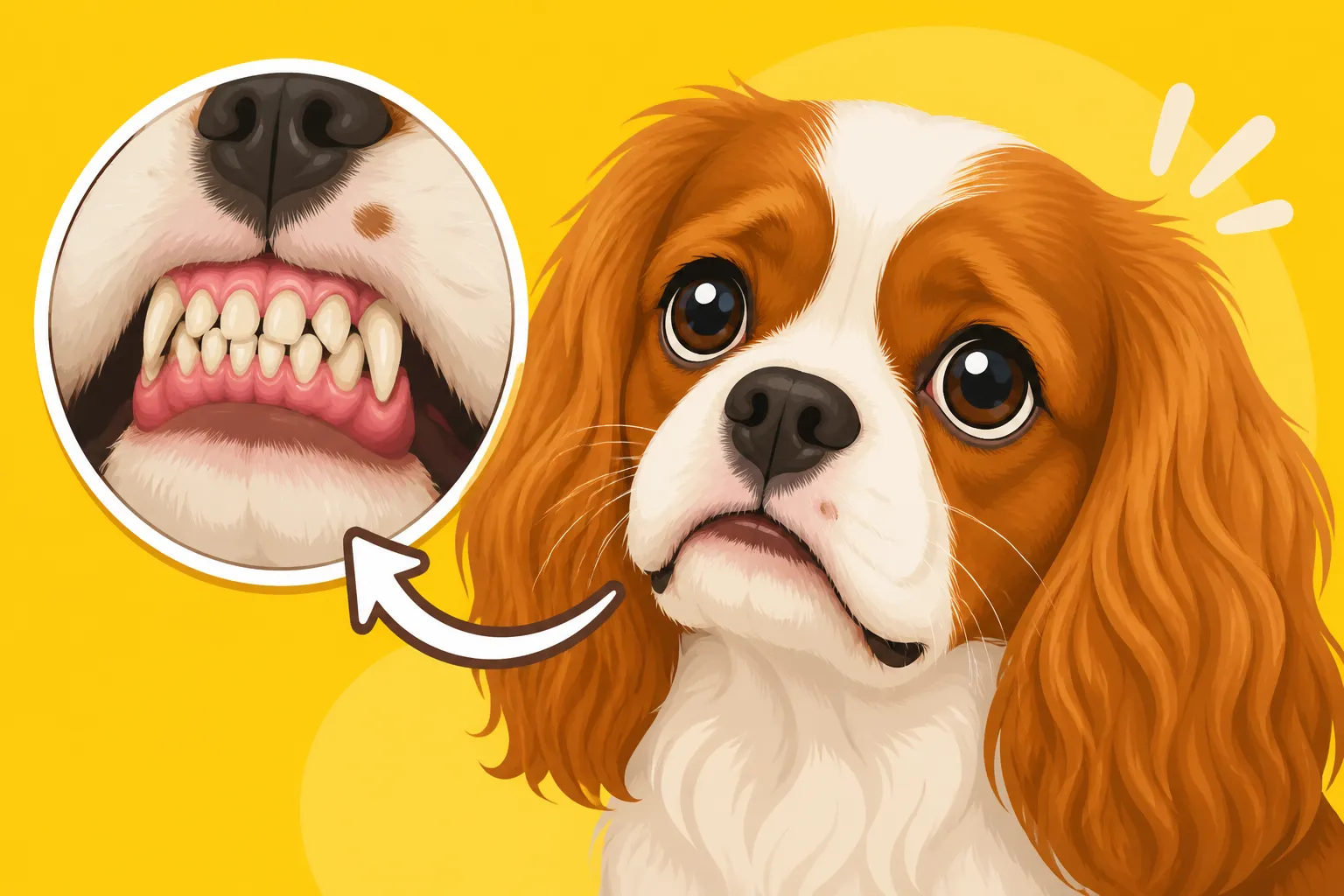
The Cavalier King Charles Spaniel is renowned for its sweet expression and charming personality, but beneath that endearing face lies a predisposition to dental problems, largely due to its unique skull structure. Unlike their longer-muzzled ancestors, modern Cavaliers possess a shorter, broader skull, which, while contributing to their distinctive look, often leaves inadequate space for the full complement of 42 adult teeth. This anatomical reality sets the stage for a lifetime of potential oral health challenges, making attentive dental care not just a recommendation, but an absolute necessity for our cherished companions.
Understanding the Brachycephalic Influence
While not considered as severely brachycephalic as breeds like Pugs or Bulldogs, the Cavalier does exhibit a degree of brachycephaly, meaning "short-headed." This shortening of the skull impacts more than just their breathing; it significantly affects their oral cavity. Imagine trying to fit all your teeth into a jaw that’s a size too small – that’s essentially what many Cavaliers experience. Their jaws might not have the length or width to accommodate all the teeth in a perfectly aligned fashion, leading to overcrowding. This isn't just an aesthetic concern; it creates nooks and crannies where food particles and bacteria can easily get trapped, making them prime breeding grounds for plaque and tartar. It's a genetic predisposition that, unfortunately, we can't change, but understanding it helps us prepare.
Why Small Jaws Lead to Big Problems
The lack of sufficient jaw space results in a domino effect of dental complications. When teeth are crowded, they often rotate, overlap, or grow at odd angles, creating tight spaces that are nearly impossible to clean effectively, even with diligent brushing. This crowding isn't just about trapped food; it also contributes to accelerated plaque and tartar buildup. Plaque, a sticky film of bacteria, hardens into tartar within days if not removed. This rough, porous surface then attracts even more plaque, creating a vicious cycle that quickly leads to gingivitis, an inflammation of the gums. Left unchecked, gingivitis progresses to periodontal disease, a serious infection that can destroy the tissues and bone supporting the teeth. It's a silent threat that can cause immense pain and discomfort, often without obvious outward signs until the disease is quite advanced.
Common Dental Misalignments
Beyond simple crowding, Cavaliers are prone to several specific types of dental misalignments, or malocclusions. These can include rotated incisors, retained deciduous (puppy) teeth that don't fall out when adult teeth emerge, or even a slight underbite or overbite where the jaws don't meet perfectly. Each of these issues exacerbates the problem of oral hygiene. Rotated teeth expose more surface area to bacteria, while retained puppy teeth can trap food between them and the erupting adult teeth, accelerating decay and disease in both. These misalignments not only make cleaning a nightmare but can also cause abnormal wear patterns on teeth, or even lead to soft tissue trauma if teeth constantly rub against the gums or palate. Regular veterinary checks, especially during puppyhood, are crucial to identify and address these issues early.
Recognizing the Signs of Cavalier Dental Distress
It's easy to overlook dental problems in our furry friends because they're so good at hiding pain. Unlike humans, dogs don't usually complain about a toothache, and a slight aversion to chewing might be mistaken for pickiness. However, as responsible Cavalier owners, it's vital to be vigilant and understand the subtle and not-so-subtle cues that your dog might be experiencing dental distress. Ignoring these signs can lead to worsening conditions, increased pain, and more invasive and costly treatments down the line.
Beyond Bad Breath: What to Look For
While "dog breath" might seem like a normal part of owning a pup, persistent bad breath (halitosis) is actually one of the earliest and most common indicators of dental disease. It's caused by the bacteria accumulating in plaque and tartar. But the signs don't stop there. Take a close look at their gums: healthy gums are typically pink and firm, whereas inflamed gums might appear red, swollen, or even bleed easily. You might also notice a brownish-yellow crust (tartar) building up on the teeth, especially along the gum line. In more advanced cases, you could see missing teeth, loose teeth, or even pus around the gum line. Some Cavaliers may drool excessively, or you might find blood in their saliva or on their chew toys. Don't dismiss these changes as trivial; they are often clear warnings that something is amiss in your Cavalier's mouth.
Behavioral Clues Your Cavalier is in Pain
Sometimes, the clearest signs of dental pain come from changes in your Cavalier's behavior rather than direct visual cues in their mouth. A dog experiencing discomfort might become reluctant to eat hard kibble or chew toys, preferring softer foods or gulping their food quickly to avoid chewing. They might start dropping food from their mouth while eating or show a preference for chewing on one side of their mouth. You could observe pawing at their face, rubbing their muzzle on furniture, or even a general decrease in energy or enthusiasm for play. Some dogs might become head shy, shying away when you try to touch their face or head. It's a gut-wrenching feeling when you realize your sweet Cavalier might be suffering silently. If you notice any of these changes, it's a strong indicator that a trip to the vet is in order.
The Progression of Dental Disease
Dental disease in dogs, much like in humans, is a progressive condition. It starts with plaque, which leads to tartar, then gingivitis (inflammation of the gums). If unchecked, this progresses to periodontitis, which involves infection and inflammation spreading below the gum line, affecting the bone and ligaments that support the teeth.
| Stage of Dental Disease | Description | Common Signs | Treatment Focus |
|---|---|---|---|
| Stage 0: Healthy | Gums are healthy, teeth are clean. | No visible signs of disease. | Prevention: Home care. |
| Stage 1: Gingivitis | Mild gum inflammation due to plaque and tartar buildup. Reversible with professional cleaning. | Bad breath, red/swollen gums. | Professional dental cleaning, improved home care. |
| Stage 2: Early Periodontitis | Moderate gum inflammation, some bone loss. Irreversible, but progression can be halted. | Bad breath, red/swollen gums, visible tartar, slight bleeding. | Professional cleaning, possibly antibiotics, consistent home care. |
| Stage 3: Moderate Periodontitis | Significant inflammation, moderate to severe bone loss, formation of gum pockets. | All previous signs, plus loose teeth, moderate pain, gum recession. | Professional cleaning, extractions, deep scaling, antibiotics. |
| Stage 4: Advanced Periodontitis | Severe inflammation and infection, extensive bone loss, pus, severe pain. Tooth loss is imminent. | Severe bad breath, chronic pain, pus, very loose or missing teeth. | Extractions, advanced periodontal surgery, pain management. |
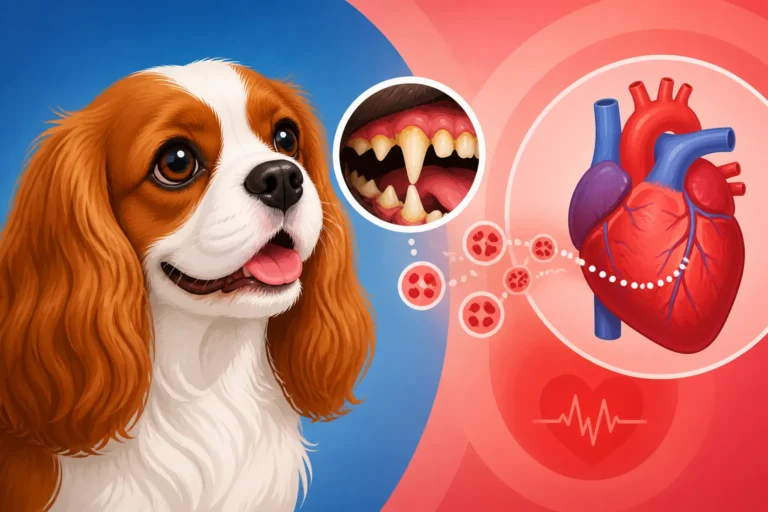
As the disease advances, bacteria from the infected mouth can enter the bloodstream, potentially affecting other organs, including the heart, kidneys, and liver. This link between oral health and systemic health is a critical reason why you should never underestimate the importance of dental care. We explore this more in depth in our article, "Whether Dental Disease Reaches a Cavalier's Heart".
Proactive Dental Care for Your Cavalier
Knowing that Cavaliers are predisposed to dental issues due to their crowded jaws, being proactive with their oral health isn't just a good idea—it's essential. Waiting until problems become noticeable often means the disease is already quite advanced, leading to more discomfort for your dog and more extensive, costly procedures for you. Thankfully, there's a lot we can do at home, combined with professional care, to keep those tiny teeth in the best possible condition.
Daily Brushing and Home Care Techniques
The gold standard for preventing dental disease is daily tooth brushing. Yes, daily! This might sound daunting, especially with a squirmy Cavalier, but with patience and positive reinforcement, most dogs can learn to tolerate it, and some even enjoy it. You'll need a dog-specific toothbrush (finger brushes or small soft-bristled brushes work well for Cavaliers' mouths) and dog toothpaste (never human toothpaste, as it contains xylitol and other ingredients harmful to dogs). Start slowly, letting them lick the toothpaste off your finger, then gently introducing the brush for a few seconds. Focus on the outside surfaces of the teeth, especially the molars and canines, as these tend to accumulate the most plaque. Even just 30 seconds a day can make a significant difference.
If daily brushing truly isn't feasible, there are other supportive measures:
- Dental Wipes: These can help remove some plaque from the tooth surface and gums.
- Oral Gels and Water Additives: These products contain enzymes or antiseptics that help reduce bacteria in the mouth. Just ensure they are veterinary-approved.
- Dental Chews: Look for chews that are specifically designed to reduce plaque and tartar, and always choose ones appropriate for your Cavalier's size and chewing style. Avoid excessively hard chews that could fracture teeth.
Consistency is key, regardless of the method you choose. Remember that even the best home care complements, but does not replace, professional veterinary attention.
The Role of Professional Dental Cleanings
Even with diligent home care, professional dental cleanings are usually necessary for Cavaliers. These cleanings, performed under general anesthesia by your veterinarian, allow for a thorough examination of the entire oral cavity, including below the gum line, where much of the disease hides. During a professional cleaning, your vet will scale off plaque and tartar from all tooth surfaces, polish the teeth to smooth out any microscopic etches where plaque could adhere, and probe for gum pockets. Dental X-rays are also crucial, as they reveal problems hidden beneath the gum line, such as bone loss, abscesses, or unerupted teeth. This is often when more serious issues, like those requiring extractions, are identified.
The frequency of these cleanings will depend on your Cavalier's individual needs, but many benefit from annual or biennial cleanings. Discussing this with your vet will help you determine the best schedule. It's an investment in their long-term health and comfort, potentially preventing more severe issues down the road. For many families, budgeting for these regular procedures is part of responsible pet ownership, and having a comprehensive pet insurance plan from providers like Healthy Paws can certainly help mitigate the financial impact of these essential treatments, especially as your Cavalier gets older.
Dietary Considerations and Dental Chews
What your Cavalier eats can also play a role in their dental health. While dry kibble is sometimes touted for its abrasive action, many vets agree that kibble alone isn't sufficient to prevent plaque and tartar buildup, especially in crowded Cavalier mouths. However, specific dental diets are formulated with unique kibble shapes and textures designed to mechanically scrub the teeth as your dog chews, or contain ingredients that help prevent plaque adherence. These can be a beneficial addition to a comprehensive dental care routine.
When it comes to dental chews, choose wisely. Look for products with the Veterinary Oral Health Council (VOHC) seal of acceptance, which indicates that the product has met standards for reducing plaque and/or tartar. Always supervise your Cavalier when they're enjoying a dental chew to ensure they don't choke and to monitor for any signs of discomfort or tooth damage. Remember, a dental chew is a supplement, not a substitute, for brushing and professional cleanings. And, as with all treats, factor them into your Cavalier's daily calorie intake to prevent unintended weight gain, as we discuss in "Cavalier Weight Gain and What It Costs the Heart".
When Dental Issues Require Veterinary Intervention
Despite our best efforts with home care and regular professional cleanings, there will inevitably be times when dental issues in Cavaliers require more significant veterinary intervention. Given their genetic predisposition to crowded mouths and the progression of periodontal disease, it’s not uncommon for Cavaliers to need tooth extractions or other advanced treatments, particularly as they age. This can be a worrying time for owners, bringing concerns about anesthesia, recovery, and the overall cost.
Diagnosing Advanced Dental Disease
When your Cavalier shows signs of significant dental pain or advanced disease, your veterinarian will conduct a thorough oral examination, often requiring sedation or anesthesia for a complete assessment. This allows for probing gum pockets, checking for tooth mobility, and performing full-mouth dental X-rays. These X-rays are absolutely critical because they reveal the health of the tooth roots and surrounding bone, identifying issues like abscesses, bone loss, or root fractures that are invisible to the naked eye. Without X-rays, up to 75% of significant dental disease can be missed. Based on these findings, your vet will develop a treatment plan, which often includes scaling, polishing, and extraction of diseased teeth. It's a comprehensive process designed to address all underlying problems and restore oral health. For more on what a vet visit involves, check out our guide on "The Age a Cavalier Needs Its First Dental".
Extraction Considerations and Anesthesia Risks
Tooth extractions are a common necessity for Cavaliers with advanced periodontal disease, fractured teeth, or severe crowding that leads to pathology. While the idea of extractions can be alarming, removing a diseased tooth is often the kindest thing you can do for your Cavalier, eliminating a source of chronic pain and infection. Your vet will ensure proper pain management protocols are in place before, during, and after the procedure.
A common concern among Cavalier owners is the risk of anesthesia, especially in a breed known for heart issues. It's true that anesthesia always carries some risk, but modern veterinary anesthesia protocols are incredibly safe, even for older dogs or those with murmurs. Your vet will perform pre-anesthetic bloodwork and possibly an electrocardiogram (ECG) or even refer you for an echocardiogram if a heart murmur is present to assess your Cavalier's health status beforehand. This careful preparation helps minimize risks. We have a detailed article on "Anesthesia Risk in a Cavalier With a Murmur" that can provide further reassurance and information. Don't let fear of anesthesia prevent your Cavalier from getting the dental care they desperately need.
Managing Post-Procedure Care
After dental surgery, your Cavalier will need careful post-operative care. This typically involves a course of antibiotics to clear any remaining infection and pain medication to ensure their comfort during recovery. You'll likely need to offer soft food for a week or two, which is usually a welcome change for a dog who has been living with oral pain. Observing their appetite, energy levels, and gum color is important during this time. Your vet will provide specific instructions tailored to your Cavalier's needs.
While the initial cost of advanced dental care can be significant – from specialist consultations to the procedure itself, including anesthesia and medications – the long-term benefit to your Cavalier's quality of life is immeasurable. This is where comprehensive pet insurance can be a game-changer. Companies like Healthy Paws can help cover a substantial portion of these unexpected expenses, ensuring you can make decisions based on your Cavalier's health needs rather than solely on financial concerns. Ensuring your Cavalier has coverage, especially before any conditions are diagnosed, is a smart move that can provide immense peace of mind. We discuss this further in our article, "Insuring a Cavalier Before the Murmur Arrives".
Disclaimer
This article is intended for informational purposes only and does not constitute medical advice. Always consult with a qualified veterinarian for any health concerns or before making any decisions about your Cavalier King Charles Spaniel's care.