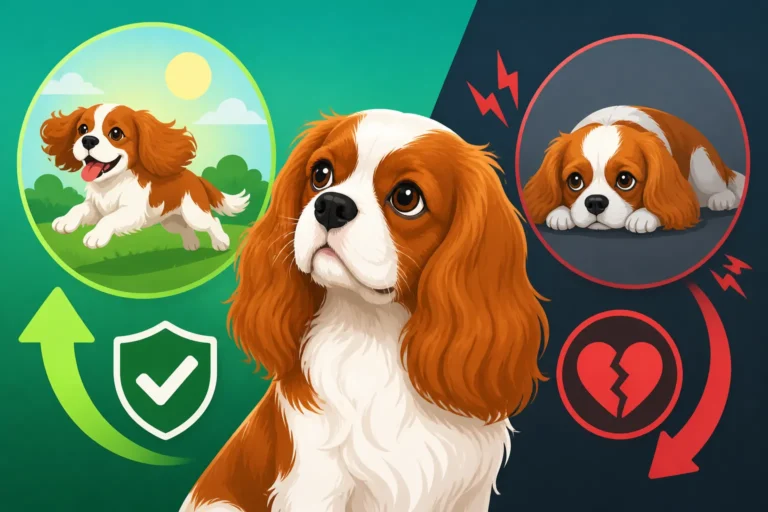
Why an Overweight Cavalier Fails Faster
It’s a heart-wrenching reality for many Cavalier King Charles Spaniel owners: watching their beloved companion slow down, struggle with everyday activities, and battle health issues that seem to arrive far too soon. One of the most insidious, yet often overlooked, culprits behind this accelerated decline is excess weight. This guide will delve deep into exactly why an overweight Cavalier King Charles Spaniel is at a significantly higher risk of experiencing health complications and a shorter, less comfortable life, explaining the tangible impacts of those extra pounds on their delicate systems.
The Hidden Dangers of Extra Pounds on a Cavalier's Body
Cavaliers are inherently prone to certain health challenges, and adding even a little extra weight can drastically amplify these predispositions. It's not just about aesthetics; those additional ounces create a cascading effect of physiological stress.
Exacerbating Mitral Valve Disease MVD
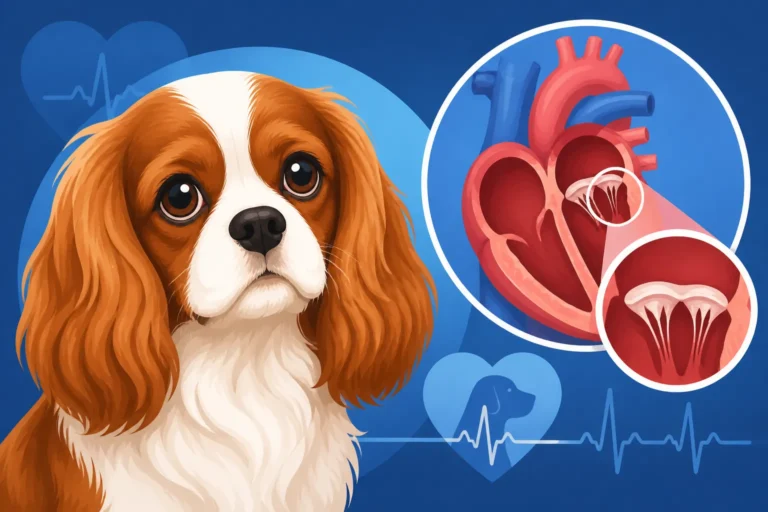
One of the most devastating conditions for a Cavalier is Mitral Valve Disease (MVD), a progressive heart condition that affects a staggering number of the breed. If your Cavalier is carrying extra weight, their heart has to work significantly harder just to pump blood through their body. Imagine trying to carry a heavy backpack all day, every day – that's the kind of strain an overweight Cavalier's heart is under. This increased workload can accelerate the progression of MVD, pushing a heart that might already have a murmur into a more advanced stage faster. The added blood volume and higher blood pressure associated with obesity mean the already leaky mitral valve is subjected to even greater stress, often leading to earlier enlargement of the heart and the onset of congestive heart failure symptoms like coughing and reduced stamina. Understanding why half of Cavaliers have a murmur by five is crucial, but equally vital is recognizing how extra weight pushes that timeline even further. When a Cavalier is struggling with heart disease, every little bit of strain counts, and excess weight is a major one.
Impact on Joints and Mobility
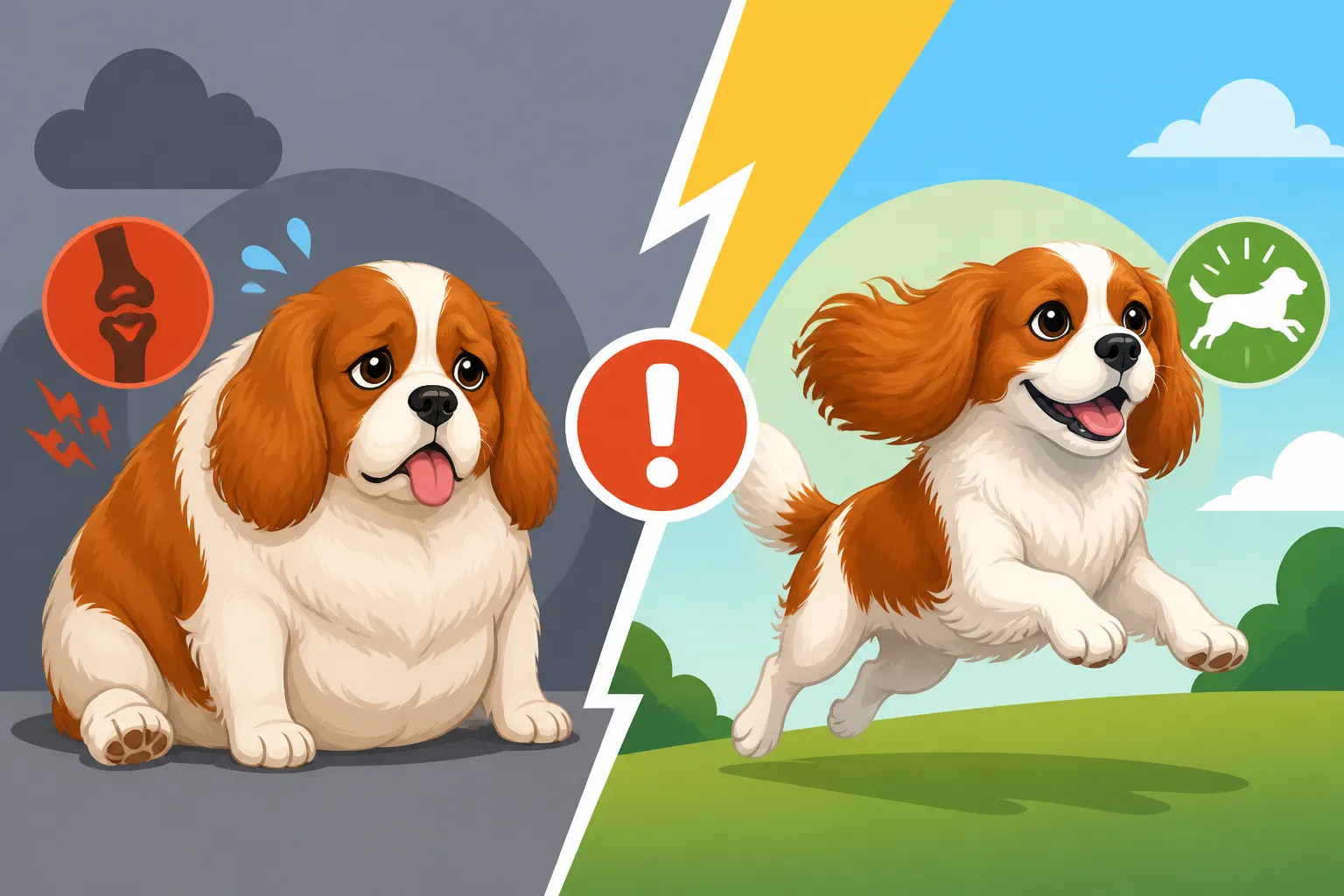
Cavaliers, despite their small size, can suffer from joint problems like patellar luxation (slipping kneecaps) and hip dysplasia. These aren't just issues for larger breeds; a loose kneecap in a thirteen-pound Cavalier can be incredibly painful and debilitating. Now, consider the impact of extra weight on these already vulnerable joints. Those few extra pounds translate to disproportionately higher stress on the knees, hips, and spine. This increased load can hasten the onset and severity of arthritis, leading to chronic pain, stiffness, and reluctance to move. A dog that is uncomfortable moving becomes less active, creating a vicious cycle where decreased exercise leads to more weight gain, which in turn worsens joint pain. This can significantly reduce their quality of life, making simple joys like running in the park or even climbing onto the sofa a painful ordeal. Early arthritis in a Cavalier's elbows can also become more prevalent and severe with the added pressure.
Respiratory Challenges
While Cavaliers are not typically classified as a severely brachycephalic breed like Pugs or Bulldogs, they do have somewhat shortened muzzles compared to their ancestors. This can predispose some individuals to subtle respiratory issues. For an overweight Cavalier, breathing can become a significant challenge. Excess fat around the chest and abdomen restricts lung expansion and makes it harder for the diaphragm to function efficiently. If you already have a Cavalier that struggles in heat, imagine how much worse it becomes with additional insulation from body fat. This is particularly concerning if a Cavalier also has concurrent MVD, where fluid can build up in the lungs, or other conditions like tracheal collapse. The combination of heart disease and obesity can put immense strain on the respiratory system, leading to labored breathing, panting, and a reduced ability to tolerate exercise or even warm weather. They might seem fine on a cool day, but a little exertion or a slight temperature increase could see them really struggling for air, much faster than a lean dog.
Metabolic Strain and Systemic Inflammation
Beyond the physical burden, excess weight throws a Cavalier's internal chemistry out of whack, leading to chronic inflammation and metabolic dysfunction. These invisible changes can have far-reaching, detrimental effects on their overall health and longevity.
Increased Risk of Diabetes and Pancreatitis
Just like in humans, obesity in dogs, including Cavaliers, significantly increases the risk of metabolic diseases. When a Cavalier carries too much fat, their body's cells can become less responsive to insulin, leading to insulin resistance. Over time, this can progress to Type 2 diabetes, a condition requiring lifelong management with diet and insulin injections. Furthermore, the pancreas, which produces insulin and digestive enzymes, can become overworked and inflamed. This makes them more susceptible to pancreatitis, a painful and potentially life-threatening inflammation of the pancreas. Pancreatitis in a Cavalier often requires emergency veterinary care, including hospitalization, IV fluids, and pain medication, adding significant stress and cost, not to mention discomfort for your dog. Maintaining a healthy weight is one of the best preventative measures against these debilitating conditions.
Systemic Inflammation
Fat cells aren't just inert storage depots; they are biologically active, releasing hormones and inflammatory mediators (cytokines) into the bloodstream. When a Cavalier is overweight, they effectively have a low-grade, chronic state of inflammation throughout their body. This systemic inflammation is like a slow burn, quietly damaging tissues and exacerbating existing health problems. For instance, it can worsen joint pain by increasing cartilage degradation, make heart disease more challenging to manage by impacting blood vessel health, and even affect cognitive function in older dogs. It also puts additional stress on organs like the kidneys and liver. This hidden inflammation contributes to a faster overall decline, making your Cavalier feel achy and unwell even if specific symptoms aren't yet overt. This is a subtle but critical reason why an overweight Cavalier fails faster.
Reduced Quality of Life and Earlier Decline
Ultimately, the cumulative effect of excess weight is a significant reduction in a Cavalier's quality of life, leading to an earlier decline in their health and happiness. It impacts everything from their daily comfort to their ability to undergo necessary medical procedures.
Lowered Exercise Tolerance and Engagement
A cornerstone of a happy, healthy Cavalier life is the ability to enjoy walks, play, and engage with their family. When a Cavalier is overweight, their exercise tolerance plummets. They might tire on short walks, pant excessively, and be reluctant to play. This isn't just a sign of laziness; it's often a sign of physical discomfort and strain. A dog that doesn't want to move becomes a less engaged, less stimulated pet. They miss out on the mental and physical benefits of regular activity, leading to boredom, potential behavioral issues, and further weight gain. It becomes a difficult cycle to break, impacting their joy and zest for life. Whether exercise is safe for a Cavalier with MVD is a common concern, but an overweight Cavalier will find any exercise harder and potentially more dangerous.
Anesthesia Risks and Surgical Complications
Given the predisposition of Cavaliers to conditions like MVD, syringomyelia, and patellar luxation, there's a good chance they might need anesthesia at some point in their lives, whether for a routine dental cleaning or a more serious surgery. Anesthesia risk in a Cavalier with a murmur is already a significant concern, but obesity dramatically increases these risks. Overweight dogs have a harder time metabolizing anesthetic drugs, making it challenging for vets to accurately dose them. They also have less respiratory reserve, making them more prone to breathing difficulties during and after anesthesia. Furthermore, excess fat can make surgical procedures more complicated and prolong recovery times. This means that an overweight Cavalier facing a necessary surgery is at a higher risk of complications, potentially delaying vital treatment or even making certain procedures too risky to attempt. This is also a factor in dental cleaning prices with a Cavalier murmur, as the risks are higher.
General Discomfort and Grooming Challenges
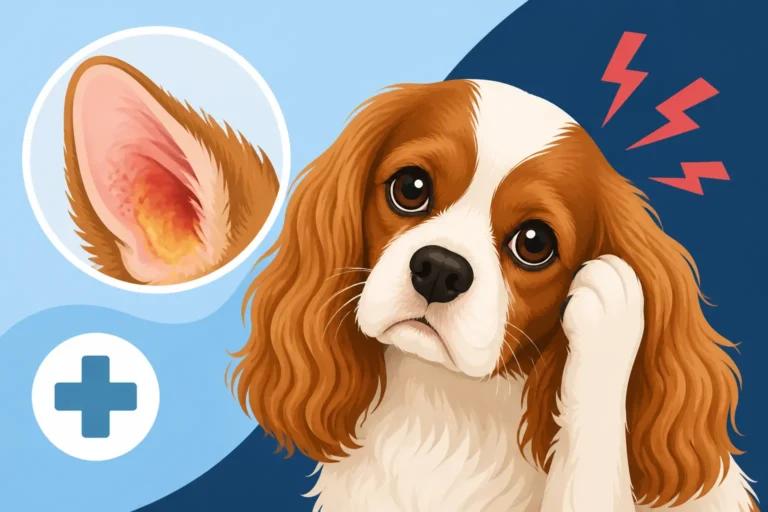
Beyond specific medical conditions, being overweight simply makes a Cavalier less comfortable in their own skin. They might struggle to groom themselves properly, leading to matted fur in hard-to-reach areas, which can cause skin irritation and infections. Skin allergies in a Cavalier can be exacerbated by skin folds created or deepened by excess fat, trapping moisture and promoting yeast or bacterial growth. They might have difficulty adjusting their position to sleep comfortably, or become overheated more easily, especially with their lovely, thick coats. These seemingly small discomforts accumulate, eroding their overall well-being and happiness. Keeping a Cavalier at a weight its heart can carry also means less strain on their joints, lungs, and overall body, making grooming easier for both you and them.
| Health Aspect | Ideal Weight Cavalier (Example 13-18 lbs) | Overweight Cavalier (Example 19+ lbs) |
|---|---|---|
| Mitral Valve Disease (MVD) | Slower progression, less strain on heart, later onset of symptoms | Accelerated progression, increased cardiac workload, earlier heart failure |
| Joint Health | Healthy mobility, lower risk of early arthritis or patellar luxation | Increased joint stress, higher risk of arthritis, worsened luxation |
| Respiratory Function | Efficient breathing, better heat tolerance | Labored breathing, reduced lung capacity, increased risk of heatstroke |
| Metabolic Health | Stable blood sugar, lower risk of diabetes and pancreatitis | Insulin resistance, higher risk of diabetes and painful pancreatitis |
| Inflammation | Minimal systemic inflammation | Chronic low-grade systemic inflammation, impacting all organs |
| Exercise & Activity | Enthusiastic, active, good stamina for walks and play | Tires quickly, reluctant to exercise, reduced engagement |
| Anesthesia Risk | Generally lower risk, smoother recovery | Higher risk of complications, challenging drug metabolism |
| Overall Comfort | Agile, self-grooming, comfortable in all positions | Reduced comfort, difficulty self-grooming, more prone to skin issues |
| Lifespan | Maximized potential for a long, healthy life | Significantly shortened lifespan and quality of life |
It’s easy to let a few extra treats or an extra scoop of food sneak into their daily routine, especially when they give you those irresistible Cavalier eyes. But the reality is that why every scrap shows on a fifteen-pound Cavalier is because their small frames are just not built to carry extra weight. This is why it’s so critical to feel your Cavalier's ribs under feathering regularly and be vigilant about their diet. Brands like Healthy Paws pet insurance often highlight the financial burden of managing chronic illnesses that can be exacerbated by obesity, underscoring the long-term impact on both your pet and your wallet. Investing in proper nutrition and exercise is truly an investment in their future.
The goal isn't just about prolonging their life, but enhancing it. A lean, fit Cavalier is a happier, more energetic, and more comfortable companion, able to participate fully in family life for as long as possible. So, if you're wondering whether diet slows a Cavalier's heart disease or whether heart supplements help a Cavalier, remember that managing their weight is one of the most proactive and impactful steps you can take. Every pound matters, and keeping them at a healthy weight is arguably the kindest thing you can do to ensure they live their best, longest life with you.
Disclaimer
Please remember that this article provides general information and insights. For any specific health concerns or before making changes to your Cavalier's diet or exercise routine, always consult with your veterinarian. They can provide personalized advice based on your dog's individual health needs and history.