Where Cavaliers Come From Besides Breeders
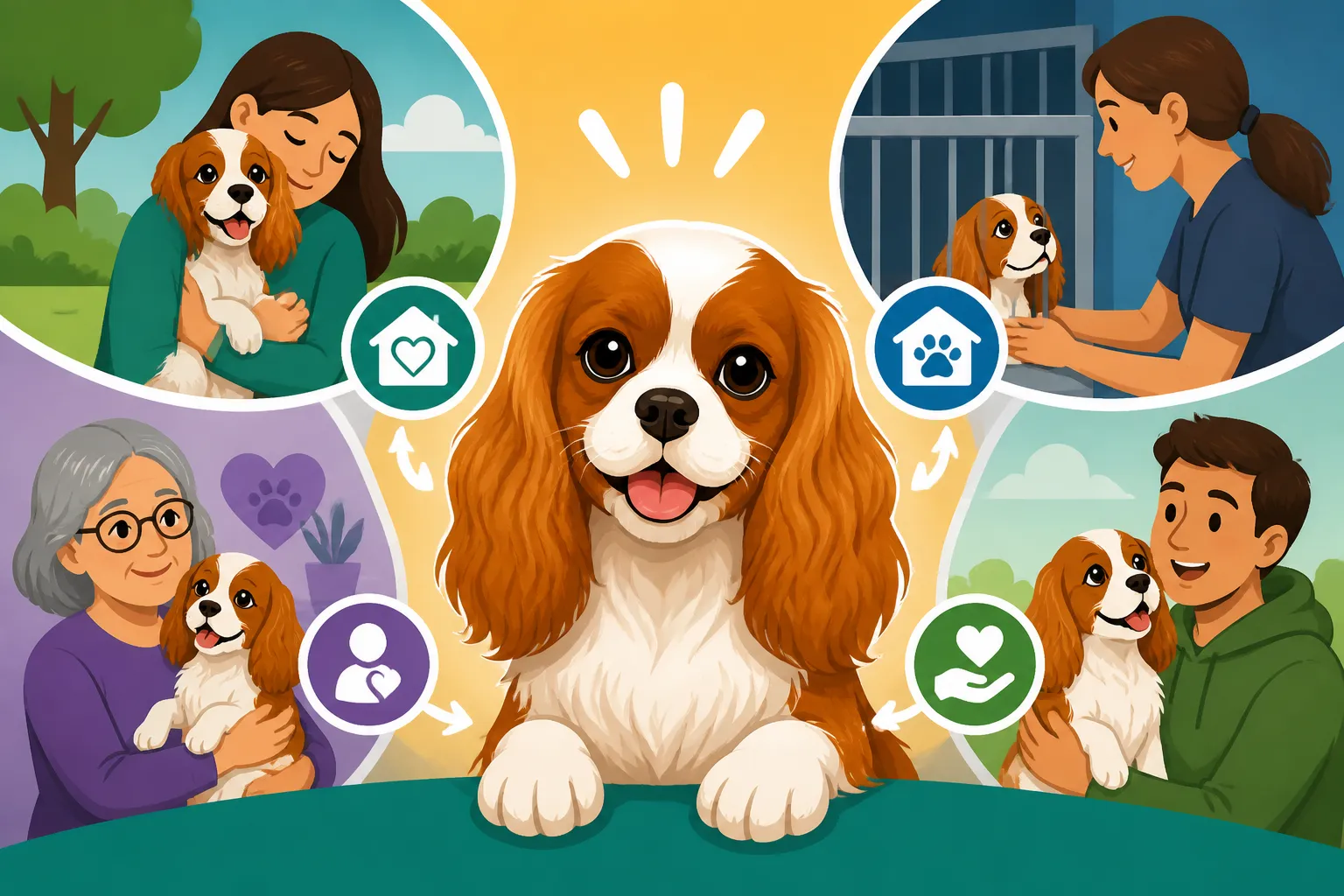
It’s a common story: you’ve fallen head over heels for the sweet, gentle nature of the Cavalier King Charles Spaniel, but when you start looking for a puppy, the path to finding one from a reputable breeder can feel incredibly daunting. You might encounter shockingly long waiting lists, or perhaps the price tag feels out of reach, or maybe you're simply driven by a desire to help a dog in need rather than purchase a puppy. Whatever your reason, rest assured that the traditional breeder isn't the only avenue to welcome a Cavalier into your heart and home. This guide will explore all the different ways you can find your perfect Cavalier companion, discussing the pros, cons, and what to expect from each.
Understanding Why People Look Beyond Traditional Breeders
Many loving prospective Cavalier owners find themselves exploring options beyond the typical breeder route. It’s not always about avoiding the cost, though that certainly can be a factor. Often, it stems from a deeper understanding of the breed’s unique challenges or a genuine desire to make a difference in an animal's life.
The Challenges of Finding a Reputable Breeder
Let's be honest, navigating the world of dog breeders can be a minefield. For every truly dedicated, ethical breeder committed to the health and welfare of their Cavaliers, there are several who are, shall we say, less scrupulous. It can be incredibly difficult for someone new to the breed to discern the difference, leaving many feeling frustrated and wary. You want a healthy puppy, but how do you really know you're getting one when presented with a glossy website and a cute photo?
Beyond the question of ethics, the sheer logistics of acquiring a puppy from a truly reputable Cavalier breeder can be a journey in itself. These breeders often have extensive waiting lists, sometimes stretching years into the future. They might only breed one or two litters a year, prioritizing quality over quantity. This means that if you're eager to bring a Cavalier home within a specific timeframe, this traditional route can feel like an impossible waiting game. It's a testament to their dedication, but it doesn't make the wait any easier for prospective owners.
And then there's the cost. When you start researching, you quickly realize that Cavalier Puppy Prices From a Reputable Breeder can be significant, often ranging into the thousands of dollars. This price reflects the immense investment in health testing, quality care, proper nutrition, and early socialization that ethical breeders provide. While entirely justified, it can certainly be a financial hurdle for many families who might otherwise be perfect Cavalier owners. This combination of uncertainty, long waits, and high costs often pushes people to consider alternative paths.
Ethical Concerns and the Desire to Help
For many, the decision to look beyond breeders is deeply rooted in ethical considerations. The Cavalier King Charles Spaniel, as a breed, is unfortunately predisposed to several significant health issues, most notably Mitral Valve Disease (MVD) and Syringomyelia (SM). Learning about these conditions often makes people highly conscious of the importance of genetic testing and responsible breeding practices. They may worry about inadvertently supporting breeders who do not prioritize health, or worse, those who contribute to the suffering of dogs in puppy mills.
There’s a powerful pull to rescue an animal in need, especially when you become aware of the sheer number of dogs in shelters and rescues. The thought of providing a loving home to a dog that might have had a difficult past, or one that was surrendered due to unforeseen circumstances, is incredibly appealing. It’s a way to directly impact a dog's life for the better, offering a second chance at happiness. This desire to help can be a stronger motivator than anything else.
By choosing to rescue, many owners feel they are actively taking a stand against irresponsible breeding and the pet overpopulation crisis. They want to be part of the solution, not contribute to the problem. This mindset often leads them to dedicated rescue organizations, where they know the dogs have received care and assessment, and where their adoption fee directly supports future rescue efforts. It's about more than just getting a dog; it's about making an ethical choice.
The World of Cavalier Rescues
Cavalier-specific rescues are truly unsung heroes in the world of dog adoption. These organizations are passionate about the breed and dedicate their efforts to saving, rehabilitating, and rehoming Cavaliers who, for various reasons, find themselves without a home.
How Cavalier-Specific Rescues Operate
Unlike general animal shelters, Cavalier-specific rescues are intimately familiar with the unique health issues, temperament, and grooming needs of the breed. Their volunteers and foster parents understand that a Cavalier might come with heart murmurs, neurological issues like Syringomyelia, or dental problems, and they are equipped to provide the initial care and assessment required. This specialized knowledge is a huge benefit for both the dogs and their future owners, as it ensures a more informed matching process.
These rescues typically operate through a vast network of volunteers, most of whom open their homes to foster Cavaliers. This foster-based model is incredibly beneficial because it allows the dogs to decompress in a home environment, rather than a kennel, and for their individual personalities and needs to be thoroughly assessed. A foster parent can tell you if a Cavalier is good with kids, other pets, or if they have any quirks like A Cavalier That Refuses Food Until You Return due to anxiety, which you wouldn't learn in a shelter setting. This direct observation is invaluable in finding the right permanent home.
The adoption process with a Cavalier rescue is usually thorough, designed to ensure the best possible match. It often involves an extensive application, veterinary reference checks, personal references, and frequently, a home visit. While this might seem like a lot of hoops to jump through, it's all done with the dog's welfare at heart. Rescues want to be confident that their Cavaliers are going to safe, stable, and loving homes where their specific needs will be met. They invest a lot in these dogs, and they want the happily ever after to stick.
What to Expect When Adopting from a Rescue
When you adopt from a Cavalier rescue, you'll generally encounter an adoption fee. It’s important to understand that this fee, often detailed as What a Cavalier Rescue Asks Adopters to Pay, isn't a profit-making venture. It helps cover the substantial costs incurred by the rescue for veterinary care, spaying or neutering, vaccinations, microchipping, and any other medical treatments the dog might have needed. Many rescues go above and beyond, providing heart checks, bloodwork, and sometimes even MRI scans if a neurological issue is suspected, which can be a significant investment.
The health history you receive with a rescue Cavalier can vary, but it’s usually quite comprehensive for the time the dog has been in their care. They will typically provide records of all veterinary visits, treatments, and any known health conditions. For older dogs or those surrendered by previous owners, you might also get some insight into their earlier life. This transparency is crucial, as it allows you to anticipate potential long-term care needs, such as managing Living With a Cavalier That Has Syringomyelia or a progressing heart condition. Most rescues will be upfront about any known issues, helping you make an informed decision.
However, it’s also important to be realistic: many rescue Cavaliers come with a past. This might mean they haven't been properly socialized, are anxious, or have some behavioral quirks stemming from previous trauma or neglect. Patience and understanding are key. A dog that has spent time as a breeding machine in a puppy mill might be initially shy or confused by a loving home. Others might be perfectly well-adjusted but were surrendered due to a family's change in circumstances. The rescue will do its best to prepare you, but be ready to commit to ongoing training, socialization, and a whole lot of love to help your new companion blossom.
Finding Reputable Cavalier Rescues
The internet is your best friend when it comes to locating Cavalier rescues. Websites like Petfinder and Adoptapet are excellent resources, allowing you to search by breed and location. These platforms consolidate listings from various rescues and shelters, making it easier to see what Cavaliers are available in your area or willing to travel. However, always double-check the credentials and reviews of any rescue you find online; a quick search can reveal a lot about their reputation and practices.
Another fantastic resource is the national breed clubs, such as the Cavalier King Charles Spaniel Club, USA (CKCSC, USA) or the AKC Parent Club. These organizations often have dedicated rescue committees or lists of approved rescue groups that adhere to ethical standards. They can provide invaluable guidance and connect you with reputable operations that are deeply committed to the breed's welfare. Their endorsement provides an extra layer of confidence that you're dealing with a trustworthy organization.
Don't overlook local all-breed rescue groups either. While they may not be exclusively dedicated to Cavaliers, many humane societies and smaller, independent rescues occasionally take in purebreds. If you don't find a Cavalier-specific rescue immediately, these broader organizations are still worth checking. You might also find a network of Cavalier lovers in your area through local dog groups or online forums, who can offer recommendations or point you towards a Cavalier that needs a new home within your community.
Adopting from All-Breed Animal Shelters
While Cavalier-specific rescues are the prime destination for many looking to adopt a purebred Cavalier, general animal shelters also play a vital role, though finding a purebred there can be less common.
The Rarity of Purebred Cavaliers in Shelters
It's a common misconception that animal shelters are overflowing with purebred dogs. In reality, while mixes are abundant, specific purebreds like the Cavalier King Charles Spaniel are less frequently found in general municipal or county shelters. This isn't to say it never happens, but it's not the norm. When Cavaliers do end up in a shelter, it's often due to owner surrender, stray pickup, or sadly, from cases of neglect or abandonment. These situations are heartbreaking, but they do offer a chance for a new beginning.
Typically, when a purebred Cavalier is found as a stray or surrendered to an all-breed shelter, they are often quickly identified and contacted by breed-specific rescue organizations. These rescues have networks that monitor shelter listings precisely for this reason, ready to step in and pull the dog into their specialized program. This means that a Cavalier might only be in a general shelter for a very short period before being transferred, so quick action is often necessary if you spot one.
If you are set on finding a Cavalier through a general shelter, be prepared for a longer search and potentially less certainty about the dog's background. It’s more likely you might find a Cavalier mix, which can still be a wonderful companion and may inherit many of the lovely Cavalier traits. However, if your heart is set on a purebred, you'll need patience and perhaps a bit of luck.
The Process of Adopting from a Local Shelter
Adopting from a local animal shelter generally follows a fairly standardized process. You can often browse available dogs online through their website or platforms like Petfinder, but nothing beats visiting the shelter in person. Many shelters have specific visiting hours where you can walk through the kennels and see the dogs available for adoption. This allows you to observe their behavior in a shelter setting, though remember that this can often be a stressful environment that doesn't showcase a dog's true personality.
Once you find a dog you're interested in, you'll typically fill out an application. This application covers basic information about your living situation, pet ownership history, and what you're looking for in a companion. Shelters are trying to ensure a good fit and a responsible home. Following the application, there might be an interview, and sometimes a background check or a brief conversation with your landlord if you rent. The goal is always to match dogs with suitable families, providing them with a safe and loving environment.
Shelters often operate on a "first come, first served" basis, or a lottery system for highly sought-after dogs, so you need to be ready to act quickly. If a Cavalier does become available, there might be multiple interested parties. This means being prepared to complete the paperwork and pay the adoption fee when you find the right dog. It can be a fast-paced environment, so having your ducks in a row – knowing you're ready for a dog, having funds available, and understanding the commitment – is key.
Health and Temperament Considerations from Shelters
A significant difference when adopting from a general animal shelter compared to a breed-specific rescue is the level of health history available. Shelters typically provide basic vetting – spay/neuter, vaccinations, and a general health check by a staff veterinarian. However, they usually don't have the resources or the specific breed knowledge to conduct extensive breed-specific health screenings like heart echocardiograms or MRI scans for Syringomyelia. This means you might be bringing home a dog with an unknown medical past, and it’s critical to schedule a comprehensive vet check with your own veterinarian immediately after adoption.
The background of a shelter dog is often a mystery. They might be strays with no known history, or owner surrenders where the previous owners provided limited or inaccurate information. This lack of knowledge about their past can make understanding their temperament a challenge. While shelter staff can give you insights into how the dog behaves in the kennel, their true personality might not emerge until they've settled into a quiet, loving home. You might discover they are wonderfully adaptable, or they might have anxieties or behavioral issues that require patience and professional training.
Because of these unknowns, adopting from a shelter often requires a leap of faith and a readiness to invest time, effort, and potentially money into uncovering and addressing any health or behavioral needs. However, the reward of giving a deserving dog a second chance is immeasurable. Just be prepared to commit to the ongoing care and potential challenges. Pet insurance, like that offered by Healthy Paws, could be a smart investment for a shelter dog with an unknown history, provided you enroll before any conditions are diagnosed, which would then be considered pre-existing.
Exploring Other Avenues: Owner Surrenders and Rehoming
Beyond formal rescues and shelters, there are other, less structured ways that Cavaliers find new homes. These often involve direct rehoming from one owner to another, and while they can offer unique benefits, they also come with their own set of considerations.
Direct Owner Rehoming Private Sales
Sometimes, life circumstances change, and an owner can no longer keep their beloved Cavalier. In these situations, they might seek to rehome their dog directly to another family, bypassing shelters or rescues. This often happens through online classifieds, community bulletin boards, or, increasingly, dedicated social media groups for Cavalier owners in specific regions. You might see posts like "Urgent: Loving Cavalier needs new home due to owner relocation" or similar pleas.
While these private rehoming situations can seem appealing—you're often dealing directly with the current owner, who can provide immediate insights into the dog's personality and daily routine—they also carry significant risks. There's usually no formal vetting process for the new owner, no contracts, and often no guarantee of the dog's health or temperament. You're relying entirely on the honesty and transparency of the current owner, which isn't always reliable. Some unscrupulous individuals may even use these platforms to offload dogs with significant, undisclosed health or behavioral issues.
If you do consider a direct owner rehoming, proceed with extreme caution. Insist on meeting the dog multiple times, preferably in its current home environment. Ask for all veterinary records, and ideally, have your own veterinarian review them before you commit. A responsible owner looking to rehome their Cavalier properly will understand and appreciate your due diligence. Be wary of any situation that feels rushed, involves payment before you've thoroughly met the dog, or where the owner is reluctant to share detailed health information.
Retirement Homes for Former Breeding Dogs
A more structured and often highly desirable option for adopting an older Cavalier is through reputable breeders who are seeking retirement homes for their former breeding dogs. Ethical breeders will occasionally retire their stud dogs or brood bitches once they are finished with their breeding careers, typically around 5-7 years of age. These dogs have served their purpose in producing healthy, well-tempered puppies, and now deserve a loving, pampered life as cherished family pets.
The significant advantage of adopting a retired breeding dog is that you usually receive a wealth of known health history. Reputable breeders conduct extensive health testing on their breeding stock, including regular cardiac evaluations, eye exams, and often MRI scans for Syringomyelia. This means you’re likely to have detailed records of their health clearances, giving you a clearer picture of their genetic background and any potential predispositions. You'll often be able to review The Cavalier Heart and MRI Papers to Ask For directly from the breeder.
These retired dogs, while accustomed to a kennel environment, are usually well-socialized and have calm, gentle temperaments. They've been handled regularly, are generally good with other dogs, and are used to routines. They often transition beautifully into a home environment, quickly learning the joys of a soft bed and constant companionship. If you're looking for an adult Cavalier and appreciate a known history and predictable temperament, this can be an absolutely wonderful route to take, offering a second chapter to a deserving dog.
Foster-to-Adopt Programs Often via Rescues
Many rescue organizations, particularly those that are breed-specific, offer foster-to-adopt programs. This is a brilliant arrangement that benefits both the dog and the prospective adopter. In a foster-to-adopt scenario, you take a Cavalier into your home as a temporary foster parent, with the understanding that if the placement is successful, you will then officially adopt the dog.
This program provides a unique opportunity to truly get to know the Cavalier in a real-life setting before making a long-term commitment. You get to observe their personality, habits, and how they integrate into your family and routines. This is especially valuable for dogs with unknown backgrounds, or those with potential behavioral quirks or medical needs. For example, if you're considering Adopting an Older Cavalier With a Heart Diagnosis, fostering first allows you to understand the daily medication routine, energy levels, and overall care requirements without the immediate pressure of full adoption.
For the rescue, a foster-to-adopt program is an invaluable tool for ensuring a successful match and reducing the likelihood of a dog being returned. It provides the rescue with vital information about the dog's adaptability in a home, and it offers the dog a stable, temporary environment while they await their forever home. If things don't work out, the rescue will arrange for the dog to be moved to another foster home, ensuring they remain safe and cared for. It's a win-win situation that prioritizes the dog's well-being and the adopter's peace of mind.
Understanding the Implications of Different Sources
Each pathway to bringing a Cavalier home comes with its own set of advantages and challenges. Understanding these implications, particularly concerning health, temperament, and cost, is crucial for making an informed decision that suits your lifestyle and expectations.
Health Guarantees and Known Histories
When you acquire a Cavalier puppy from a reputable breeder, you typically receive a health guarantee. This guarantee usually covers certain genetic conditions for a specified period, offering some peace of mind regarding the initial health of your puppy. Beyond the guarantee, ethical breeders provide extensive documentation of the parents' health clearances and the puppy's initial veterinary care, giving you a known starting point for your dog's medical history.
Cavalier-specific rescues, while not offering "guarantees" in the breeder sense, provide a different kind of assurance. They invest heavily in the veterinary care of the dogs in their charge. This means that when you adopt from a rescue, you often receive a clear picture of the medical care the dog has received while in their foster program, including any known conditions or treatments. You’ll know Whether a Rescue Cavalier Comes With Health History from their time in care, and often some context from their previous owners if available. This transparency, even if the history is incomplete from prior to the rescue, is incredibly valuable.
Conversely, dogs acquired from general animal shelters or through private owner rehoming often come with minimal to no health guarantees or known history. You might receive basic vaccination records, but detailed genetic testing results or information about breed-specific health concerns are unlikely. This means you could be facing unforeseen medical expenses down the line. This is precisely why early Insuring a Cavalier Before the Murmur Arrives is so critical. A good pet insurance policy, like those offered by Healthy Paws, can provide a financial safety net, but remember that pre-existing conditions (those diagnosed before policy activation) are generally not covered. It's a gamble, but one that many are willing to take for the love of a rescue.
Temperament and Socialization Factors
The environment a Cavalier grows up in significantly shapes its temperament and socialization. Puppies from reputable breeders are typically raised in a home environment, exposed to various sights, sounds, and people from a young age. Their parents have known temperaments, and the puppies often undergo early neurological stimulation and intentional socialization to prepare them for family life. This foundational work usually results in well-adjusted, confident, and friendly puppies.
Rescue dogs, on the other hand, often have unknown pasts that can impact their behavior. Some might be perfectly socialized but were surrendered due to circumstances beyond their control. Others might come from neglectful situations, puppy mills, or abusive homes, leading to fear, anxiety, or a lack of basic socialization. This can manifest as shyness, reactivity, or even separation anxiety. While rescues do their best to assess and begin rehabilitation, these dogs may require significant patience, positive reinforcement training, and sometimes professional help to overcome their past experiences.
Shelter dogs often fall into a similar category, with the added stress of the kennel environment itself. A dog that appears shy or withdrawn in a loud shelter might blossom into a confident companion in a quiet home, while one that seems boisterous might struggle with overstimulation outside that setting. It's a commitment to understanding that a dog's past shapes their present, and being willing to invest in their emotional well-being is just as important as their physical health.
Cost Differences and Hidden Expenses
The initial cost of acquiring a Cavalier varies dramatically depending on the source. As mentioned, breeder puppies come with a significant upfront price tag, reflecting the investment in health testing and responsible breeding. Rescue adoption fees are generally lower than breeder prices, designed to cover basic vetting and transport rather than making a profit. Dogs from general shelters often have the lowest adoption fees.
However, the initial price is rarely the total cost of bringing a Cavalier home. It's vital to consider the potential for hidden expenses. A "bargain" Cavalier from an irresponsible source, or a dog with an unknown health history, can quickly become incredibly expensive if they develop serious medical conditions. What might seem like a lower upfront cost can balloon into thousands of dollars in veterinary bills if an underlying condition, such as advanced MVD or Syringomyelia, emerges. This is why it's wise to consider the total What a Cavalier Costs a Year Before Any Heart Bills and beyond, regardless of how you acquire your dog.
Think about the long-term financial commitment. Beyond potential emergency vet visits, there are ongoing costs for food, grooming supplies (Chewy is a fantastic resource for all sorts of pet supplies, from brushes to toys to treats), routine vet care, and perhaps even a specialized diet. For example, if you opt for a premium food service like Ollie, your monthly food bill will be higher, but it can contribute to overall health. Budgeting a Cavalier From Puppy to Senior is a marathon, not a sprint, and hidden costs can quickly derail an unprepared owner. Always have an emergency fund or robust pet insurance in place.
Making an Informed Decision for Your Family
Bringing a Cavalier into your life, regardless of their origin, is a significant commitment. Making an informed decision means honestly assessing your readiness, diligently researching your options, and preparing your home and heart for your new companion.
Assessing Your Lifestyle and Expectations
Before you even start looking, take a good, hard look at your own lifestyle. Are you someone who thrives on predictability, or are you equipped for the unexpected? If you choose to adopt a Cavalier from a rescue or shelter, particularly one with an unknown past, you must be prepared for potential medical challenges or behavioral quirks. This might mean frequent vet visits, administering medication, or investing in specialized training. Are you genuinely prepared for these possibilities, or would the certainty of a well-vetted puppy from a reputable breeder be a better fit for your comfort level?
Consider the time commitment involved. A Cavalier, especially one adjusting to a new home, requires patience, consistent training, and plenty of companionship. Are you able to dedicate the necessary time to help a dog settle in, socialize, and potentially overcome past anxieties? If you lead a very busy life with little time for dedicated training or unexpected vet appointments, an older, more established dog (perhaps a retired breeding dog or a well-adjusted rescue) might be a better match than a potentially high-maintenance puppy or a rescue with complex needs. It’s about finding a dog whose needs align with what you can realistically offer.
Think about your long-term vision. Do you dream of a dog you can take everywhere, or are you seeking a calm home companion? If you're envisioning a quiet lap dog for your golden years, then Caring for a Cavalier Past Nine might be a great fit, and an older rescue or retired breeding dog could be an ideal match. If you want to dive into dog sports, a puppy from health-tested parents with known working lines might be more suitable. There’s no right or wrong answer, only the right fit for your family.
The Importance of Due Diligence
No matter where you choose to get your Cavalier, due diligence is non-negotiable. If you're considering a breeder, ask for extensive health clearances on both parents, including cardiac exams by a board-certified cardiologist, eye certifications, and MRI scans for Syringomyelia. Don't be shy about asking to see the actual certificates, not just a verbal assurance. If you're considering a rescue, ask for all available veterinary records, and be sure to discuss any known health or behavioral issues openly. A reputable rescue will be transparent and welcome your questions.
It's always a wise move to consult with your own veterinarian before finalizing any adoption or purchase. Bring any available health records, discuss the dog's known history, and get their professional opinion on potential future care needs. They can help you understand what to look out for and what medical management might be involved. For example, if you’re looking at Adopting an Older Cavalier With a Heart Diagnosis, your vet can help you understand the implications and typical progression of the disease.
Whenever possible, spend quality time with the dog in various settings. If adopting from a rescue, ask if you can visit the foster home or take the dog for a few walks. If considering a private rehoming, meet the dog at the current owner's home to see how they interact in their familiar environment. Observe how they respond to different people, sounds, and situations. The more information you gather, the more confident you'll be that you're making a choice that will lead to a harmonious future for everyone.
Preparing for Your New Cavalier, Regardless of Origin
Once you've made your decision, the exciting part begins: preparing for your new Cavalier's arrival! Regardless of whether your dog comes from a breeder, a rescue, or a shelter, ensuring your home is safe and ready is paramount. Cavalier puppies are curious and small, so puppy-proofing is essential. For older dogs, consider their needs: perhaps a comfy, easily accessible dog bed for an aging Cavalier or a quiet, secure space where an anxious rescue can decompress.
Stock up on all the essentials before your Cavalier arrives. This includes a quality diet (whether it's kibble from Chewy, a fresh food option like Ollie, or a prescription diet), appropriate food and water bowls (consider a snood to keep those lovely Cavalier ears out of their dinner!), a comfortable harness (rather than a collar that can put pressure on their neck), a leash, a cozy bed, and a variety of safe toys. Having everything ready minimizes stress for both you and your new companion.
Most importantly, prepare your heart and mind to offer endless love, patience, and consistent care. Every Cavalier, regardless of their past, deserves a stable and nurturing environment. Be ready for an adjustment period – it can take weeks or even months for a new dog to fully settle in and show their true personality. Celebrate the small victories, address challenges with kindness and positive reinforcement, and remember that the bond you build with your Cavalier will be one of the most rewarding relationships of your life.
Disclaimer
Please note that this article is intended for informational purposes only and does not constitute veterinary advice. Always consult with a qualified veterinarian or veterinary specialist for any health concerns or before making any decisions about your pet's care.