Behavior Changes That Mean a Cavalier Hurts
Behavioral changes in Cavalier King Charles Spaniels signal underlying pain and help owners detect hidden discomfort early.
Work with the temperament you have.
House-training and crate work, recall, leash manners, separation anxiety, and the behaviors this breed is wired for.
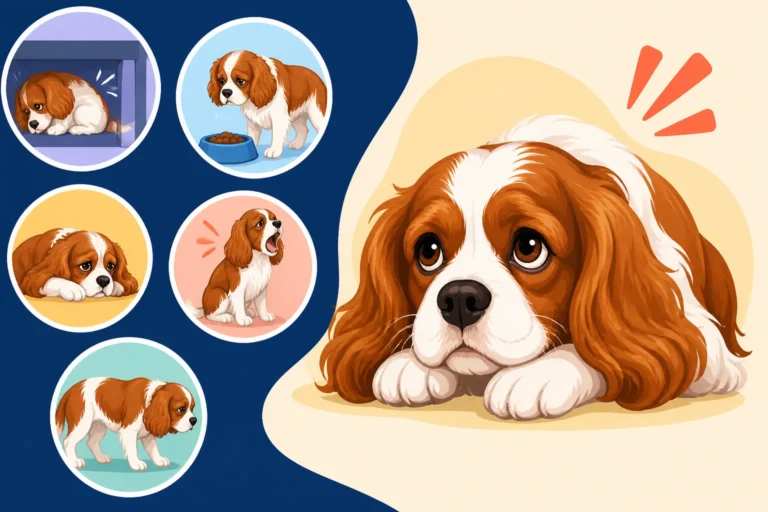
Behavioral changes in Cavalier King Charles Spaniels signal underlying pain and help owners detect hidden discomfort early.
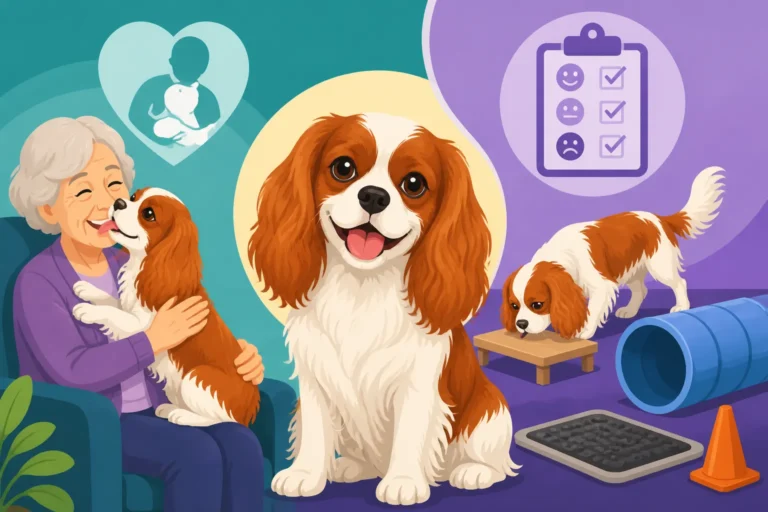
Cavalier therapy work requires specific training and temperament testing to provide emotional support in various public facilities.

Cavalier King Charles Spaniel hunting instincts explain why gentle lap dogs chase birds and small game using their keen scenting abilities.
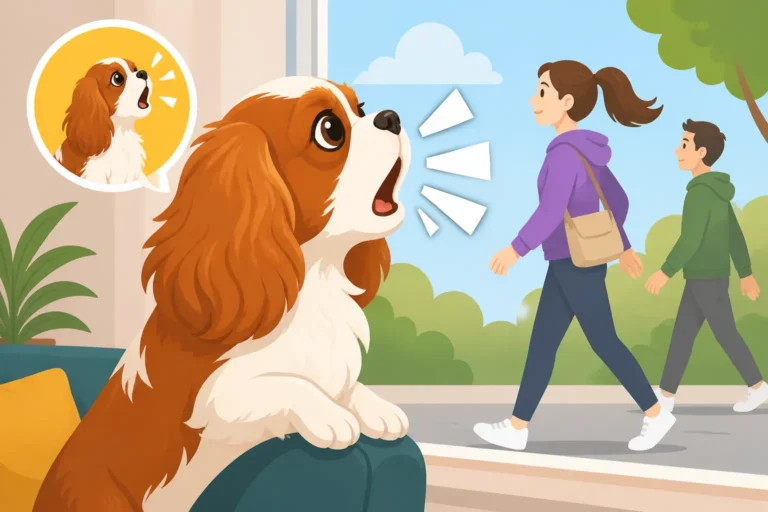
Cavalier King Charles Spaniel barking behavior stems from spaniel heritage, loyalty, and protective instincts to guard their homes.
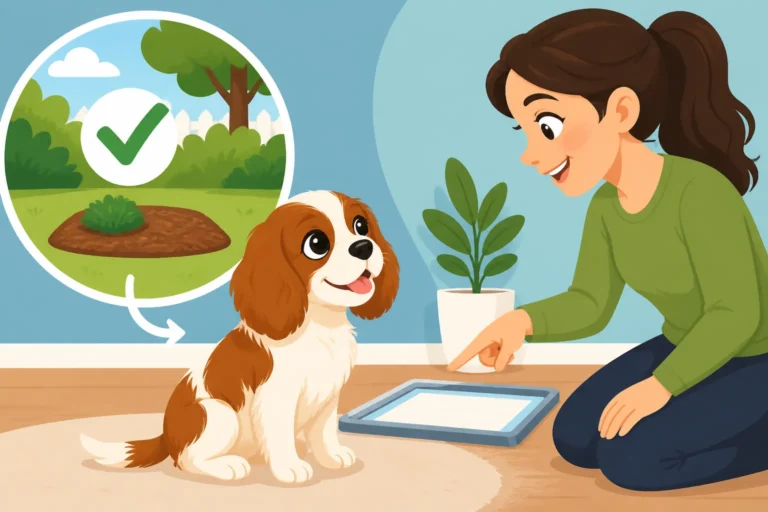
Cavalier King Charles Spaniel toilet training explains small bladders, crate use, and positive reinforcement for puppies.
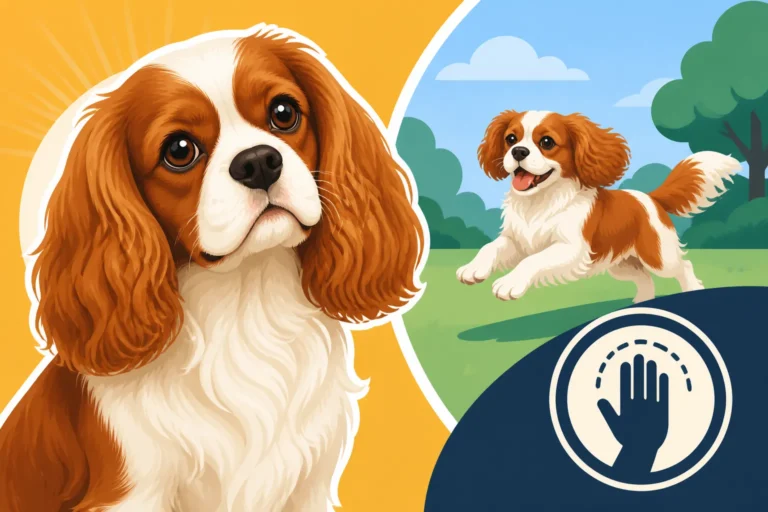
Cavalier recall challenges and training methods explain hunting instincts, prey drive limits, and road safety awareness.
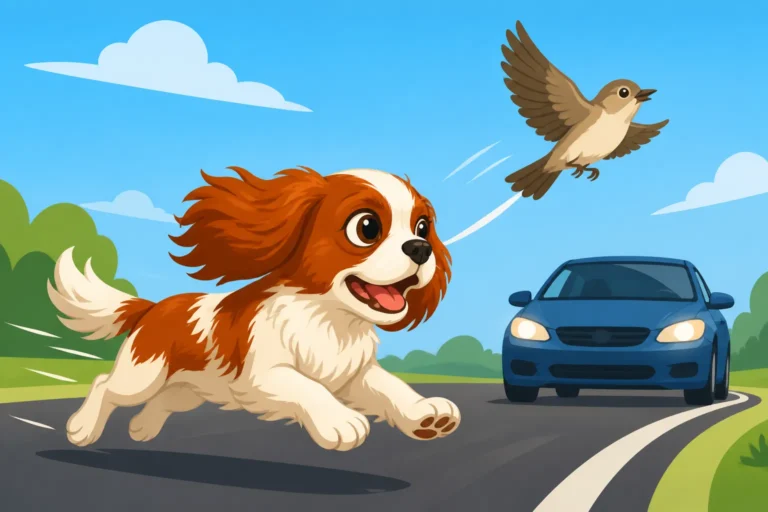
Cavalier King Charles Spaniel prey drive sparks dangerous bird chases into streets because ancient hunting instincts override obedience.
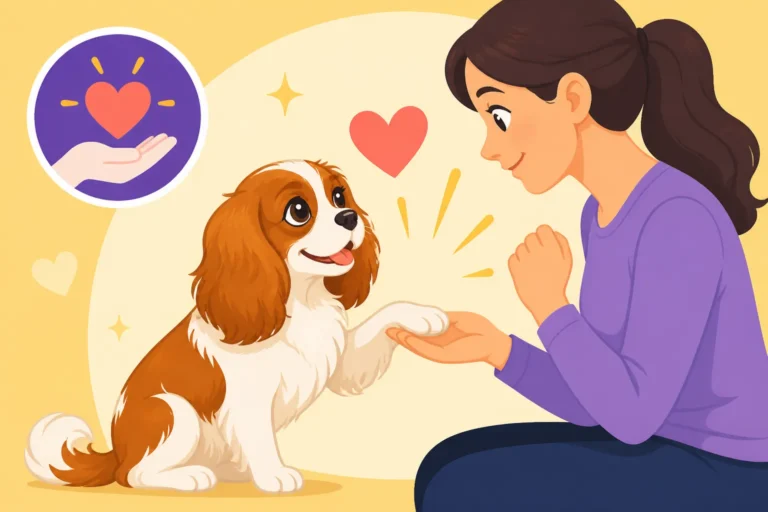
Cavalier King Charles Spaniel training methods using positive reinforcement and praise build trust without aversive pressure.
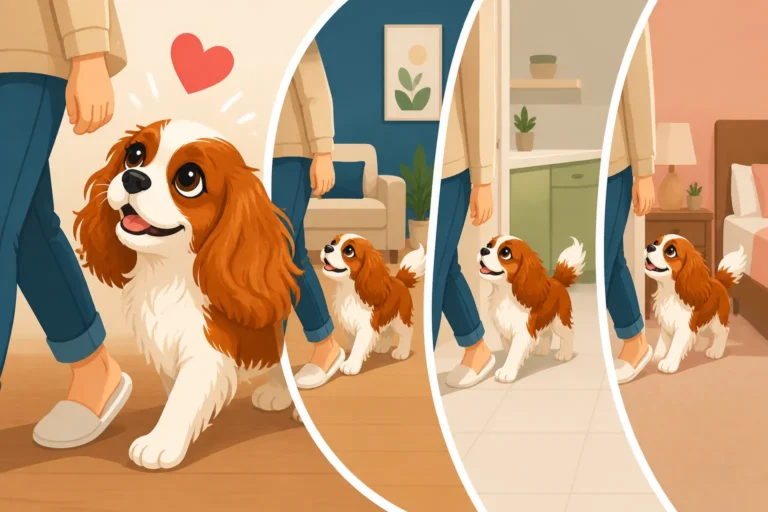
Cavalier King Charles Spaniel behavior explains why this breed follows owners room to room and acts as a devoted shadow.
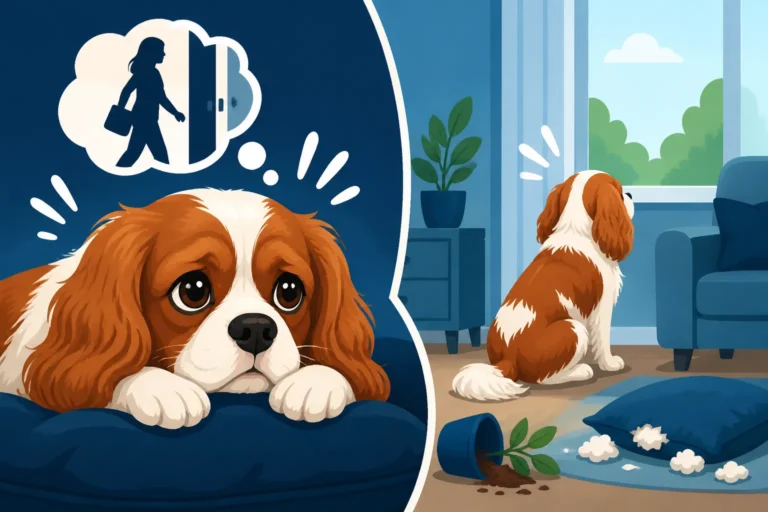
Cavalier King Charles Spaniel separation anxiety causes panic, barking, and chewing when left alone, requiring careful conditioning and empathy.