Keeping a Cavalier Focused in a Short Session
Cavalier King Charles Spaniel training requires specific empathetic strategies to keep an easily distracted dog engaged.
Work with the temperament you have.
House-training and crate work, recall, leash manners, separation anxiety, and the behaviors this breed is wired for.

Cavalier King Charles Spaniel training requires specific empathetic strategies to keep an easily distracted dog engaged.

Cavalier King Charles Spaniel treat preferences and high-value rewards for training help manage behavior and overcome distractions.
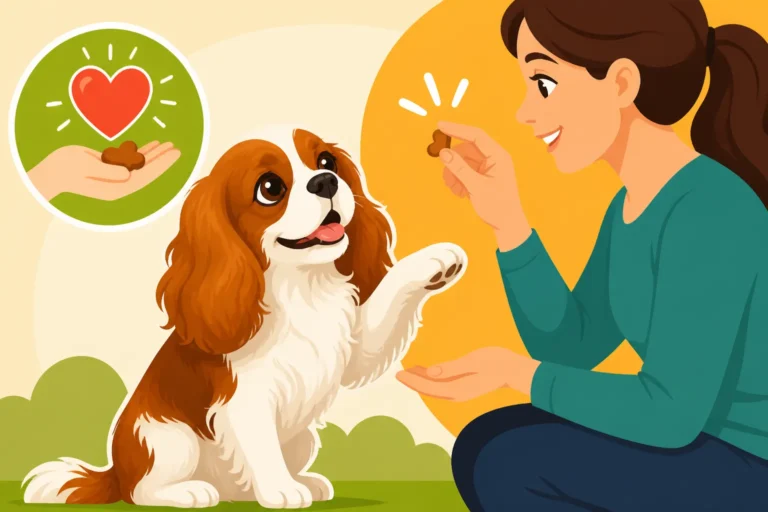
Reward-based training teaches your sensitive Cavalier good manners while preventing fear and strengthening your shared bond.
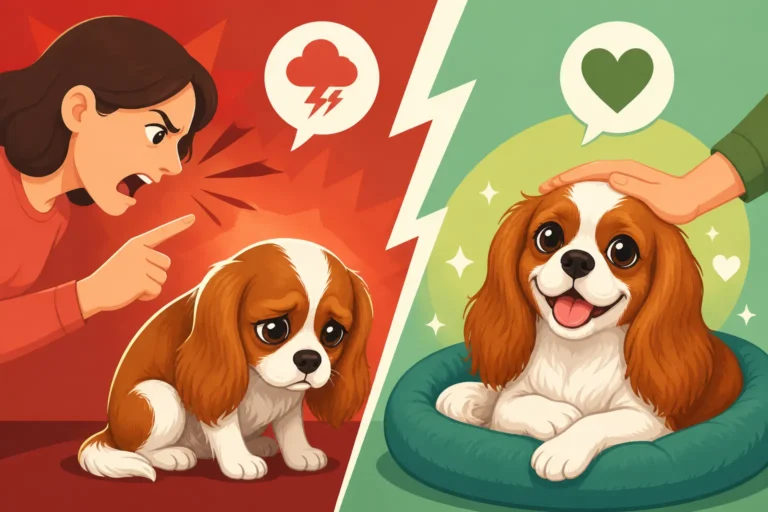
Harsh training methods damage the sensitive Cavalier King Charles Spaniel, destroying the trust of a lap dog bred for companionship.
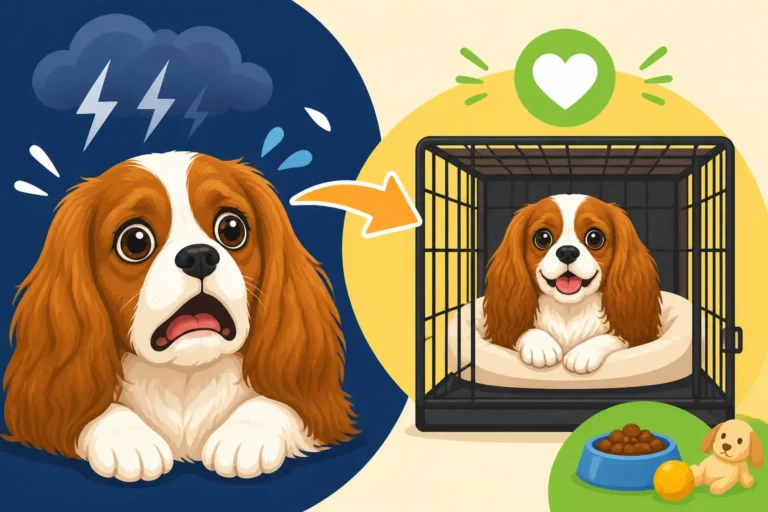
Cavalier crate panic causes distress, but understanding separation anxiety helps owners build confidence and peaceful spaces.

Adding a second dog for a Cavalier King Charles Spaniel with separation anxiety explores benefits, downsides, and alternatives.
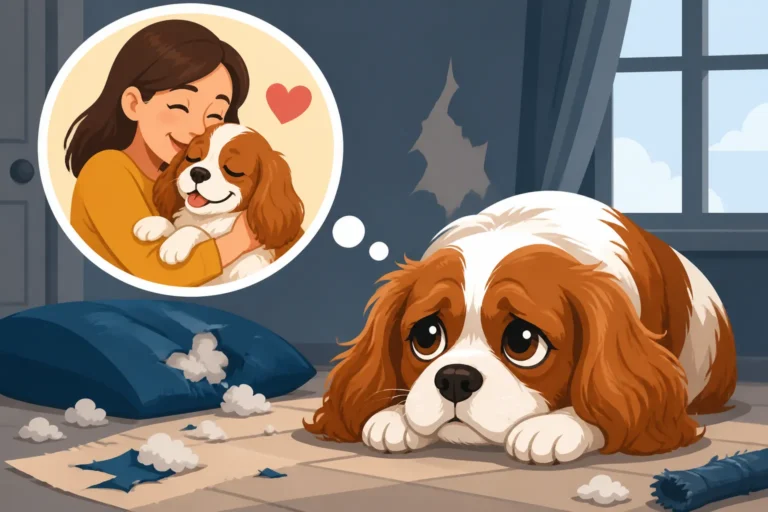
Cavalier King Charles Spaniels experience distress and howling when left alone too long because their breeding history creates deep attachment.
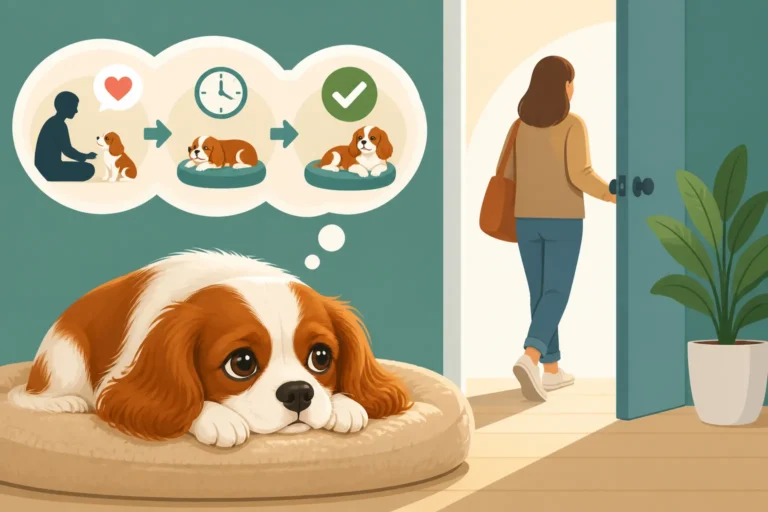
Cavalier King Charles Spaniel separation anxiety causes distress, but gradual desensitization builds alone time tolerance and calm independence.

Cavalier King Charles Spaniels experience separation anxiety and destructive behavior when left alone, requiring realistic expectations.
Cavalier King Charles Spaniels trace their affectionate Velcro dog behavior to a historical role as constant human companions.