What an Adult Cavalier Has to Unlearn
Adult Cavalier King Charles Spaniel dogs with past neglect learn new routines to adapt successfully and stop unwanted behaviors.
Work with the temperament you have.
House-training and crate work, recall, leash manners, separation anxiety, and the behaviors this breed is wired for.
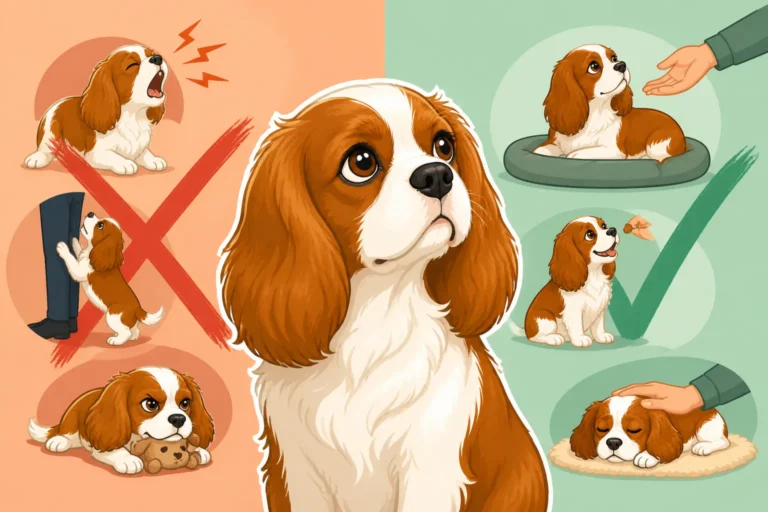
Adult Cavalier King Charles Spaniel dogs with past neglect learn new routines to adapt successfully and stop unwanted behaviors.
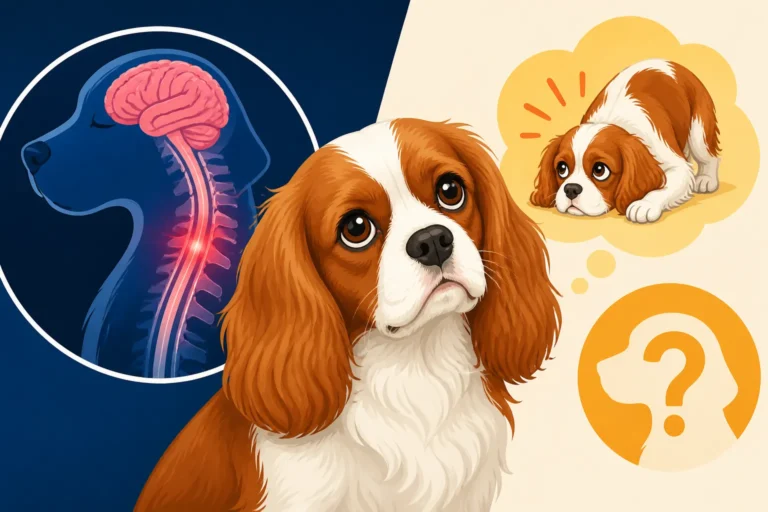
Syringomyelia in Cavalier King Charles dogs causes chronic pain and behavioral changes like snapping and avoiding cuddles.
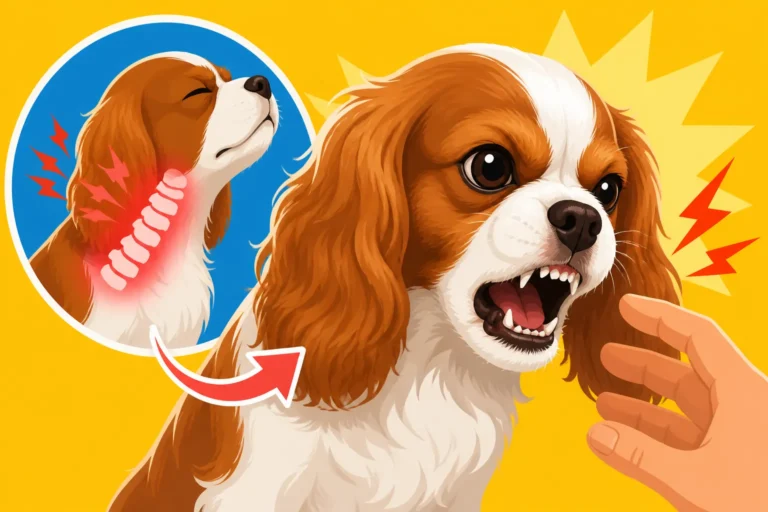
Cavalier King Charles Spaniel aggression often stems from neck pain. Learn how to recognize discomfort and get a diagnosis.
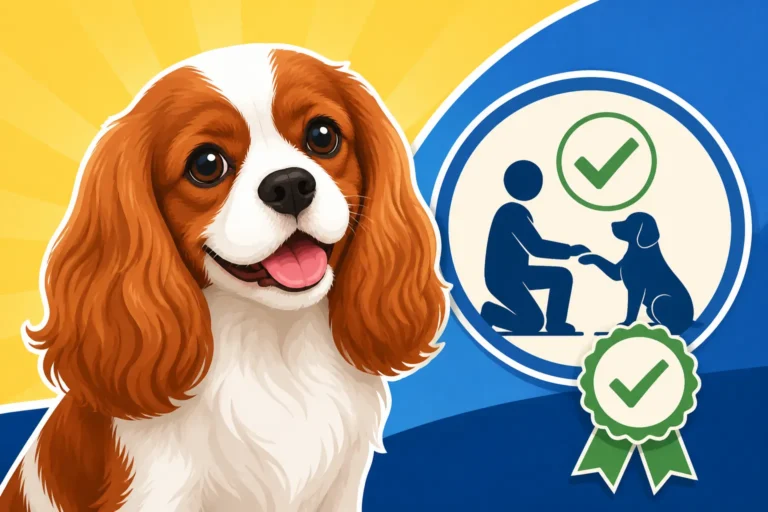
Cavalier King Charles Spaniel dogs can pass the Canine Good Citizen test and master ten foundational obedience and temperament skills.
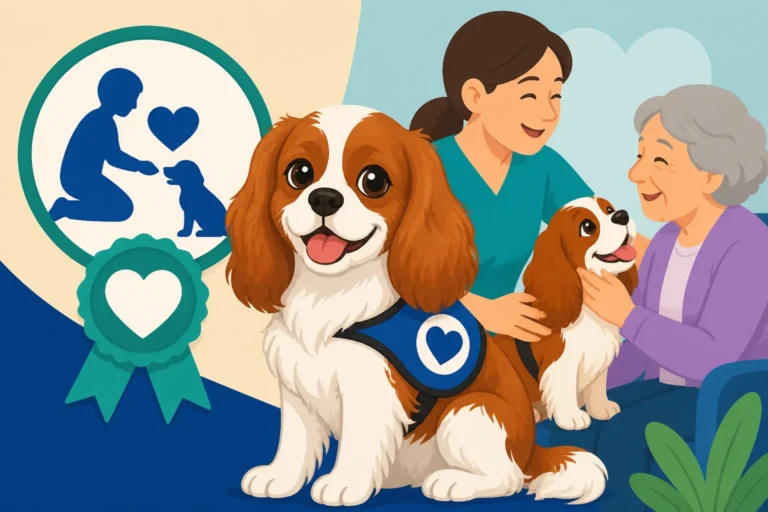
Cavalier King Charles Spaniel therapy dog certification requirements, training, and temperament traits for community volunteering.
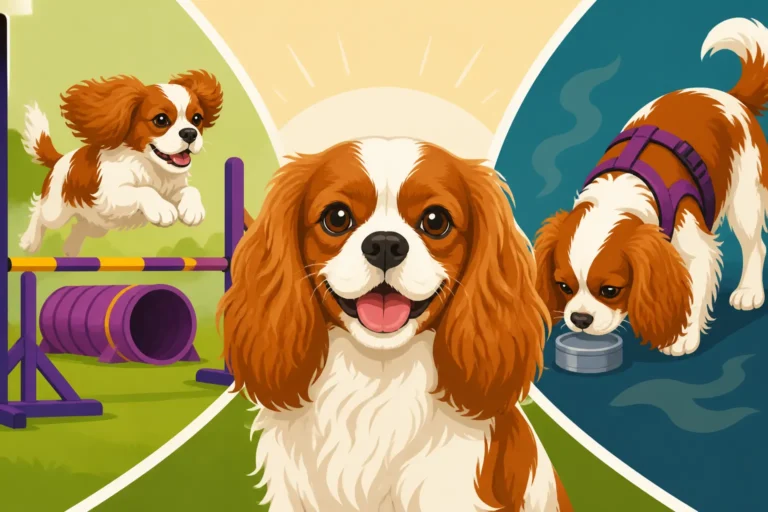
Cavalier King Charles Spaniels compete in agility, rally obedience, and scent work, proving their hidden athletic potential.
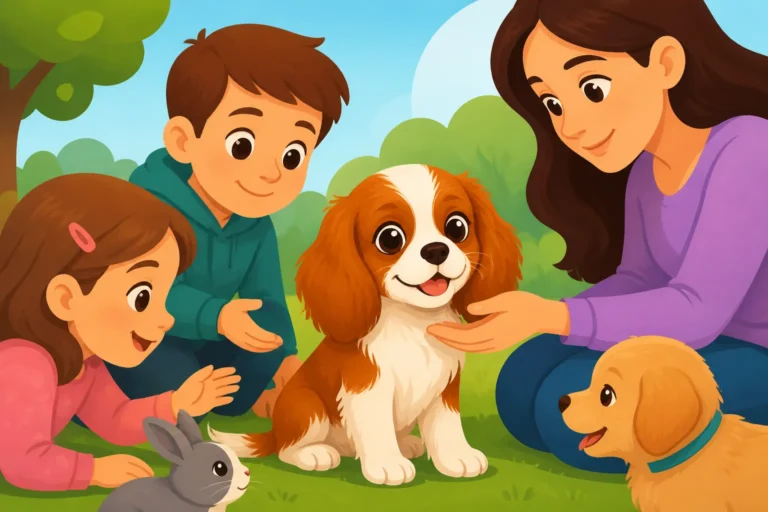
Cavalier King Charles Spaniel puppy socialization requires gentle, positive exposure to new sights, sounds, and people without fear.

Cavalier King Charles Spaniel guarding behavior explains why sweet companion dogs occasionally show possessiveness over toys or laps.
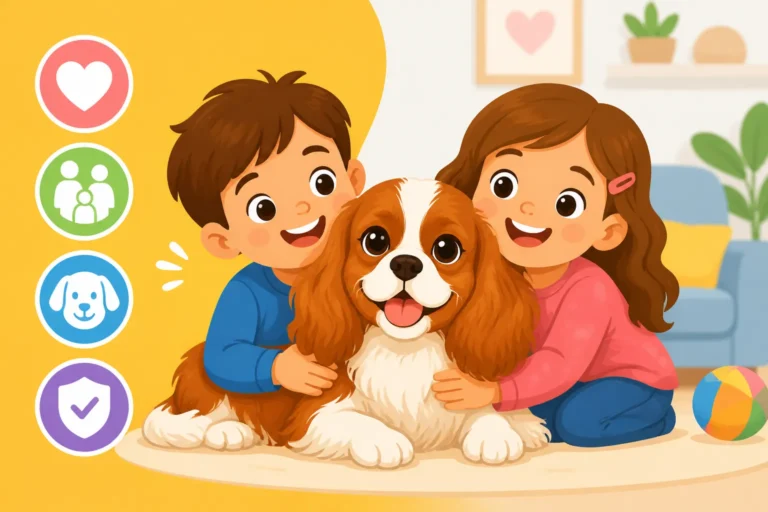
Cavalier King Charles Spaniels offer gentle, patient companionship, making them an ideal dog breed for families with children.
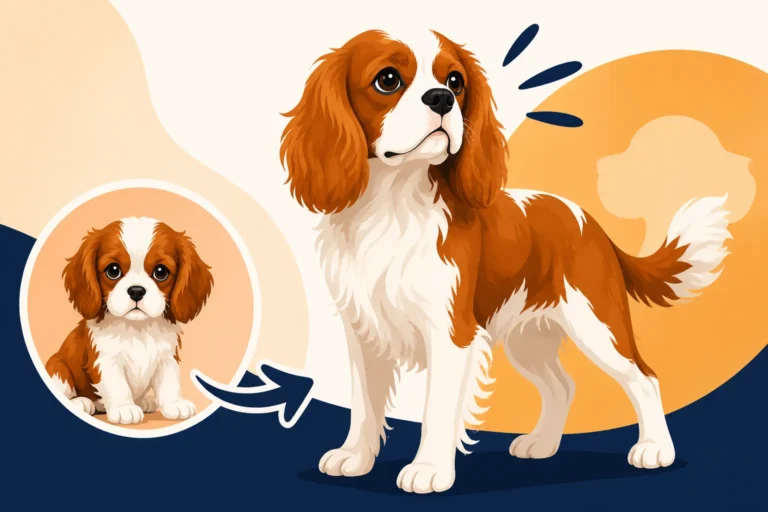
Cavalier King Charles Spaniel adolescence brings behavioral changes and testing boundaries from six to twenty four months.