The Paperwork a Cavalier Puppy Should Arrive With
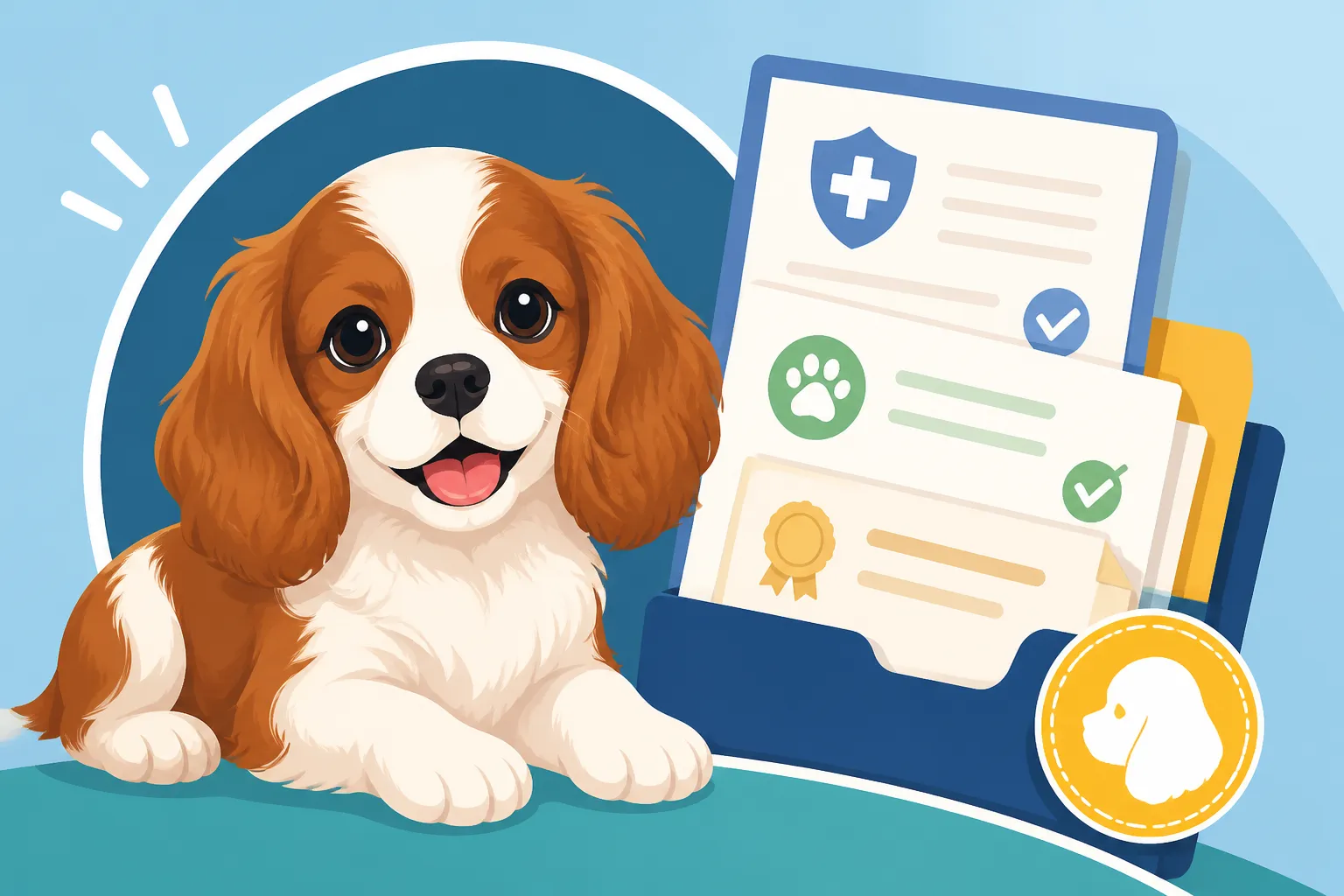
Bringing a new Cavalier King Charles Spaniel puppy home is such an exciting time, but it can also feel overwhelming. Many new owners find themselves caught up in the pure joy of a wiggly, fluffy puppy and forget to scrutinize the less glamorous, yet crucial, details: the paperwork. It’s a common frustration to realize later you're missing vital health records or registration documents, leading to headaches and potential financial strain down the line. This guide will walk you through every piece of essential paperwork a responsible Cavalier breeder should provide, ensuring you start your journey together with peace of mind.
Beyond the Basic Receipt: What Essential Documents Should You Expect?
When you bring home your precious Cavalier puppy, it's easy to focus on cuddles and playtime. However, the documentation you receive from your breeder is just as important as the puppy itself. Think of it as your puppy’s personal history book and future security blanket. Without it, you’re missing key pieces of information that can impact everything from their health to their official lineage.
The Bill of Sale or Purchase Agreement
This might seem obvious, but a proper bill of sale or purchase agreement is more than just proof you handed over money. It’s a legal document that outlines the terms of your puppy's sale and protects both you and the breeder. A comprehensive agreement should detail the puppy's identifying information (breed, color, date of birth, microchip number, dam and sire names), the purchase price, and any specific conditions of sale. This is where you’d find clauses about what happens if the puppy is found to have certain health issues within a specified timeframe, or requirements regarding future veterinary care.
For example, a good breeder will often include a clause stating that you must take the puppy to your own veterinarian for a check-up within 48-72 hours of purchase. This isn't just a suggestion; it's a critical step to validate the puppy's health upon arrival and often a condition of the health guarantee. If any issues are found by your vet during this initial examination, the agreement should outline the breeder's responsibility, whether it's a full refund, partial refund, or replacement puppy. This document is your first line of defense if something unexpected arises.
Health Guarantee and Spay/Neuter Contract
A reputable Cavalier breeder stands behind the health of their puppies, and a detailed health guarantee is a testament to that commitment. This guarantee typically covers genetic health defects that might manifest within the first year or two of the puppy’s life, or sometimes even longer for specific conditions common in Cavaliers, like early-onset mitral valve disease or syringomyelia. It should clearly state what conditions are covered, the duration of the guarantee, and the steps you need to take to make a claim. This document often works in tandem with the purchase agreement.
Alongside the health guarantee, you'll almost certainly receive a spay/neuter contract if you've purchased a puppy on a "pet only" agreement, meaning it's not intended for breeding. This contract legally obligates you to spay or neuter your Cavalier by a certain age, usually between six months and one year. Once the procedure is done, you’ll typically send proof from your veterinarian to the breeder, after which they might release the full registration papers. This practice helps ensure that puppies from their lines contribute to the health of the breed by preventing indiscriminate breeding, which is vital given the breed's known health challenges. It's a sign of a breeder who genuinely cares about the future of the breed, not just making a quick sale.
Pedigree and Registration Papers
Understanding your Cavalier's lineage is incredibly important, especially for a breed with specific health predispositions. The pedigree document provides a family tree, listing at least three generations of your puppy’s ancestors, often including their registered names and titles (like championship or obedience titles) and sometimes even health clearances. This isn't just fancy bragging rights; it allows you to research the health history of the lines behind your puppy. You can see if certain ancestors consistently lived long, healthy lives, or if there were common issues that you should be aware of.
The registration papers, often from a national kennel club, formally recognize your Cavalier as a purebred of their specific breed. For Cavaliers in the United States, this usually means American Kennel Club (AKC) registration. You’ll typically receive a "limited" registration certificate if your puppy is sold as a pet, preventing you from registering any offspring. Once you fulfill the spay/neuter contract, the breeder may facilitate the transfer to full ownership. Always verify the authenticity of these papers; sadly, Cavalier Puppy Scams and Fake Heart Certificates are a real issue, and legitimate breeders will have no problem showing you original documentation. Make sure to understand the process for transferring ownership and registering your puppy in your name with the kennel club.
The Lifeline of Health: Genetic and Veterinary Clearances
One of the biggest reasons to choose a reputable breeder for your Cavalier is their commitment to health testing. Due to the prevalence of certain genetic conditions in the breed, comprehensive health documentation for both parents and the puppy is non-negotiable. This paperwork gives you a crucial insight into your puppy's potential health trajectory.
Parent Health Clearances (Heart, Eyes, Knees)
This is perhaps the most critical set of documents you should receive. Reputable Cavalier breeders perform extensive health testing on their breeding dogs to minimize the risk of passing on genetic conditions to their puppies. For Cavaliers, this includes:
- Cardiac Clearances: Given the breed's predisposition to Mitral Valve Disease in the Cavalier King Charles Spaniel, parents should have regular cardiologist examinations. You should receive copies of these certifications, showing the date of the last examination and the results, confirming no murmur or other heart issues were detected. It’s important to ask Whether a Cavalier Breeder's Heart Clearance Is Current.
- Eye Clearances: Parents should be examined by a veterinary ophthalmologist to screen for hereditary eye conditions, like cataracts or retinal dysplasia.
- Patellar Luxation (Kneecap) Clearances: Proof that the parents' knees have been examined and are sound.
- Hip and Elbow Dysplasia Clearances: While less prevalent than in larger breeds, these still matter for Cavaliers, and clearances from organizations like the Orthopedic Foundation for Animals (OFA) should be provided.
These clearances should be recent, ideally within the last 12-18 months for eyes and heart, and sometimes lifetime certifications for hips/elbows. Don’t hesitate to ask for copies and understand what each document signifies. A breeder who proudly shares these records is one who is prioritizing the long-term health of their puppies. This diligence adds to What Cavalier Health Testing Adds to a Puppy Price, but it's an investment in your puppy's future health.
Genetic Disease Panel Results
Beyond physical exams, DNA testing has become standard for many breeds, and Cavaliers are no exception. You should receive documentation of the DNA tests performed on both parents. Key tests for Cavaliers often include:
- Episodic Falling Syndrome (EFS): This neurological condition causes muscle stiffness and collapse, often triggered by excitement or exercise. A DNA test can identify carriers and affected dogs.
- Dry Eye/Curly Coat Syndrome (CKCSID): This severe condition affects the skin, coat, and eyes, causing painful dry eyes and a rough, curly coat. A DNA test helps breeders avoid producing affected puppies.
- Degenerative Myelopathy (DM): While more common in other breeds, responsible breeders will often include this in a comprehensive panel.
The results should clearly state whether the parents are "clear," "carrier," or "affected" for each condition. A responsible breeder will not breed two carriers together for the same condition, as this significantly increases the risk of producing affected puppies. Asking about The DNA Tests Every Cavalier Should Have is a good practice for any prospective owner. These genetic reports are critical pieces of your puppy's health puzzle and show the breeder's dedication to health.
Puppy's Veterinary Health Certificate and Vaccination Records
Your puppy needs its own health documentation too! Before leaving the breeder, your Cavalier puppy should have a thorough veterinary examination. You should receive a health certificate from the breeder's veterinarian stating that the puppy was examined and found to be in good health at the time of the exam. This document will typically list any findings, such as clear eyes, ears, and lungs, and often confirms the presence of a microchip.
Equally important are the vaccination records. Your puppy will have received its first set of puppy vaccinations before coming home. These records should be meticulously detailed, listing the date of each vaccine administered, the type of vaccine (e.g., Distemper, Parvovirus), and the veterinarian or clinic that administered it. This information is crucial for your own vet to continue the vaccination schedule without over-vaccinating or missing critical doses. It also indicates when the puppy is safe to socialize more extensively. You should also receive documentation of deworming treatments, outlining dates and medications used, as puppies are very susceptible to intestinal parasites.
Microchip Information and Transfer Details
The microchip is a tiny device, but it offers a huge layer of protection for your Cavalier. It’s an absolute must-have piece of identification.
Proof of Microchip Implantation
Your puppy should arrive with a microchip already implanted. You should receive a document that confirms this, typically a sticker or card with the microchip number clearly visible. This number is unique to your puppy and links them to you. In the unfortunate event that your Cavalier ever gets lost, a microchip is often the fastest and most reliable way for them to be identified and returned home. Many veterinary clinics and shelters have scanners that can read these chips. Without this proof, you might have to pay for microchipping yourself, and more importantly, your puppy would lack this vital form of identification.
Microchip Registration Transfer Instructions
Having a microchip is only half the battle; it needs to be registered in your name! Your breeder should provide clear instructions on how to transfer the microchip registration from their name to yours. Often, this involves filling out a form and sending it to the microchip registry company, sometimes with a small fee. Some breeders will even handle the initial transfer for you as part of their service. Make sure you complete this step promptly. If the microchip is still registered to the breeder, it can cause significant delays and complications if your puppy goes missing. Think of it like transferring the title of a car – it solidifies your legal ownership and ensures emergency contacts are up to date.
Breeder Resources and Ongoing Support
Beyond the official documents, a responsible breeder provides resources that demonstrate their ongoing commitment to their puppies and their new families. These small touches speak volumes about their dedication.
Feeding Instructions and Diet Transition Guide
Changing a puppy’s food abruptly can lead to digestive upset, which is the last thing you want with a new puppy. Your breeder should provide detailed feeding instructions, including the specific brand and type of food the puppy has been eating, the quantity per meal, and the feeding schedule. If you plan to switch to a different food, they should also provide a transition guide, explaining how to gradually introduce the new food over several days to avoid an upset stomach.
Many owners opt for high-quality foods for their Cavaliers. Brands like Chewy and Ollie often offer a variety of options that might be suitable, but it’s always best to follow the breeder’s initial recommendations and consult with your vet before making drastic changes. Knowing the puppy's current diet also helps if you need to quickly stock up on their familiar food before they arrive. This continuity helps ease the puppy's transition into their new home.
Puppy Care Sheet and Training Tips
The first few weeks with a new puppy are a whirlwind! A comprehensive puppy care sheet can be a lifesaver. This document should cover basic care guidelines specific to Cavaliers, such as grooming advice (like how to keep those gorgeous ear feathers free of mats), typical sleep schedules, house-training tips, and appropriate exercise levels. You might also find breed-specific quirks addressed, such as guidance on managing their strong desire to be close to you and how to mitigate potential separation anxiety.
Good breeders often share their wisdom regarding early training, offering tips on crate training, socialization, and basic commands. This helps ensure consistency in the puppy's early education and gives you a head start. For instance, they might emphasize gentle, positive reinforcement methods, which Cavaliers generally respond best to. These practical guides save you from scrambling for information during those demanding first few days.
Contact Information for Support
Perhaps the most reassuring piece of "paperwork" (even if it's just a business card or email address) is the breeder's commitment to ongoing support. A responsible breeder will make themselves available to answer questions and offer guidance long after you've taken your puppy home. They see themselves as a lifelong resource for their puppies' families. This could be anything from a quick question about a sudden change in eating habits to advice on managing a specific behavior.
It's a huge comfort to know you have an experienced person to turn to who knows your puppy's lineage and early experiences. This kind of relationship is invaluable, especially as you navigate the joys and challenges of Cavalier ownership. If your breeder is upfront about offering this support, it’s a strong indicator of their integrity and care. They care about where their Cavalier Lifespan and What Cuts It Short and want to make sure you have all the tools to ensure a long, happy life.
Remember, if you're looking into insurance options for your new family member, having all your health paperwork in order will be essential. Companies like Healthy Paws are often mentioned, and they'll want to see health records and the date of purchase to ensure there are no pre-existing conditions that might affect coverage.
Essential Puppy Paperwork Checklist
Here’s a handy table summarizing the crucial paperwork you should expect from a reputable Cavalier breeder:
| Document Type | Key Information Provided | Why It's Important |
|---|---|---|
| Bill of Sale/Purchase Agreement | Puppy ID, price, terms, breeder/buyer responsibilities | Legal proof of ownership, outlines health guarantee terms, breeder obligations |
| Health Guarantee | Covered conditions, duration, claim process | Financial protection against genetic health issues |
| Spay/Neuter Contract | Obligation to alter puppy by specific age, proof required | Ensures responsible breeding practices, protects breed health |
| Pedigree | 3+ generations of ancestors, titles, known health status | Allows research into lineage health, confirms purebred status |
| Registration Papers | Formal recognition with kennel club (e.g., AKC) | Official proof of purebred status, facilitates ownership transfer |
| Parent Health Clearances | Cardiac, eye, patella, hip/elbow certifications for parents | Reduces risk of inherited conditions in puppy, demonstrates breeder integrity |
| Parent DNA Panel Results | Clear/carrier/affected status for EFS, CKCSID, etc. | Crucial for identifying genetic disease risks unique to Cavaliers |
| Puppy Health Certificate | Vet exam findings, date of exam, microchip confirmation | Confirms puppy's health at time of sale, aids in initial vet visit |
| Vaccination Records | Dates, vaccine types, administering vet | Guides future vaccination schedule, proves preventative care received |
| Deworming Records | Dates, medications used | Proves puppy has received appropriate parasite treatment |
| Microchip Proof & Transfer | Microchip number, registration transfer instructions | Essential for identification and safe return if lost, confirms legal ownership |
| Feeding Instructions | Brand, type, quantity, schedule, transition guide | Prevents digestive upset, ensures nutritional continuity |
| Puppy Care Sheet | Breed-specific grooming, exercise, training tips | Provides practical advice for first weeks, addresses breed quirks |
| Breeder Contact Information | Phone, email for ongoing support | Access to experienced guidance, reassurance for new owners |
By being proactive and expecting this comprehensive set of documents, you're not just getting paper; you're gaining transparency, peace of mind, and a solid foundation for your Cavalier's health and well-being. This meticulous approach to receiving your new puppy can ultimately save you countless worries and unexpected expenses, helping you focus on enjoying every moment with your cherished companion.
Disclaimer
This article is for general informational purposes only and does not constitute professional advice. Laws, prices and regulations vary by location and change over time. Consult a qualified professional for guidance on your specific situation.