What Cavalier Rescue Charges for an Older Dog
Bringing an older Cavalier King Charles Spaniel into your home is an incredibly rewarding experience, but many potential adopters find themselves confused and sometimes even a little frustrated by the varying fees charged by rescue organizations. It’s natural to wonder why adopting an older dog isn't simply a matter of a handshake and a loving home, especially when you're looking to provide comfort for a senior dog. This guide will walk you through the realities of what Cavalier rescue organizations typically charge for an older dog, explaining where these fees come from, what they cover, and what other costs you should realistically expect when opening your heart and home to one of these sweet, often overlooked, companions.
Understanding the Mission of Cavalier Rescues
Before we dive into the nitty-gritty of adoption fees, it’s really helpful to understand the heart and soul behind Cavalier rescue organizations. These aren't businesses looking to make a profit; they are typically non-profit groups run by dedicated volunteers who pour countless hours and their own resources into saving these dogs. Cavaliers, unfortunately, are a breed prone to several serious health issues, which means rescues often take in dogs with significant medical needs. Many of these dogs come from situations where they haven't received adequate care, or their previous owners simply couldn't afford the complex and ongoing veterinary treatments required.
The primary goal of a Cavalier rescue is to provide a safe haven for these vulnerable dogs, rehabilitate them both physically and emotionally, and then carefully place them in loving, forever homes. This process involves a lot more than just food and shelter. It encompasses comprehensive veterinary care, including spaying/neutering, vaccinations, dental work, and often extensive diagnostics and treatments for common Cavalier ailments like heart disease, syringomyelia, and eye conditions. They also provide behavioral assessment and rehabilitation, helping dogs adjust to a home environment after potentially difficult pasts.
Imagine a Cavalier coming into rescue with a chronic ear infection, untreated dental disease, and a newly discovered heart murmur. A rescue immediately takes on the financial burden of addressing all these issues, ensuring the dog is as healthy and comfortable as possible before adoption. This is where the adoption fee comes in – it’s a crucial component that helps these organizations continue their vital work, allowing them to rescue the next dog in need. Without these fees, and the tireless fundraising efforts that accompany them, many Cavaliers would simply not get a second chance at a happy life. When you look at what a Cavalier rescue asks adopters to pay, it’s not just a payment for a dog; it's a contribution to a lifeline.
Factors Influencing Adoption Fees for Older Cavaliers
You might be surprised to find that adoption fees for older Cavaliers can vary quite a bit, sometimes even within the same rescue organization. This isn’t arbitrary; it’s usually a direct reflection of the individual dog’s needs and the resources the rescue has already invested. While some might assume older dogs should be cheaper, the reality is often quite the opposite because senior dogs frequently come with a history of medical conditions that have already incurred substantial costs for the rescue.
A major factor is the dog’s health status. A healthy, robust senior Cavalier with no significant medical issues might have a different fee than one who has recently undergone surgery for patellar luxation or requires daily medication for a heart condition. Rescues often incur thousands of dollars in veterinary bills for a single dog, covering everything from specialist consultations and diagnostic imaging like X-rays and echocardiograms, to ongoing medication and sometimes even advanced surgeries. They typically don't recoup all these costs through the adoption fee, but the fee helps offset a portion of it. You can learn more about What Cavalier Heart Disease Costs to Treat if your potential rescue has a murmur.
Age itself can be a factor, but not always in the way you'd expect. While a very young, healthy puppy might command a higher fee due to high demand, an older Cavalier who has received extensive medical care to improve their quality of life before adoption might also have a higher fee to help cover those expenses. Some rescues also operate on a sliding scale, where younger, easier-to-place dogs with fewer medical needs help subsidize the care for older, more fragile ones. The location of the rescue can also play a role, as veterinary costs and general operating expenses vary geographically. A rescue in a high-cost-of-living area might naturally have higher fees than one operating in a more rural region.
What the Adoption Fee Actually Covers
So, where does that adoption fee actually go? It’s a valid question, and understanding the breakdown can really help you appreciate the value you’re getting and the critical support you’re providing. The fee is rarely just for the dog itself; it's a contribution towards the comprehensive care that the rescue has already provided.
Every Cavalier coming into a reputable rescue will receive a thorough veterinary check-up. This almost always includes spaying or neutering, up-to-date vaccinations (distemper, parvovirus, rabies, etc.), deworming, and microchipping. These are standard procedures that every pet owner would expect to pay for, and the rescue handles them upfront. Beyond these basics, older Cavaliers often require more specialized care. This could mean extensive dental cleanings, sometimes with multiple extractions, which can be very costly. Many older Cavaliers also arrive with existing conditions such as Mitral Valve Disease in the Cavalier King Charles Spaniel or orthopedic issues, which necessitate additional diagnostics like blood work, urinalysis, X-rays, or even specialized cardiac ultrasounds.
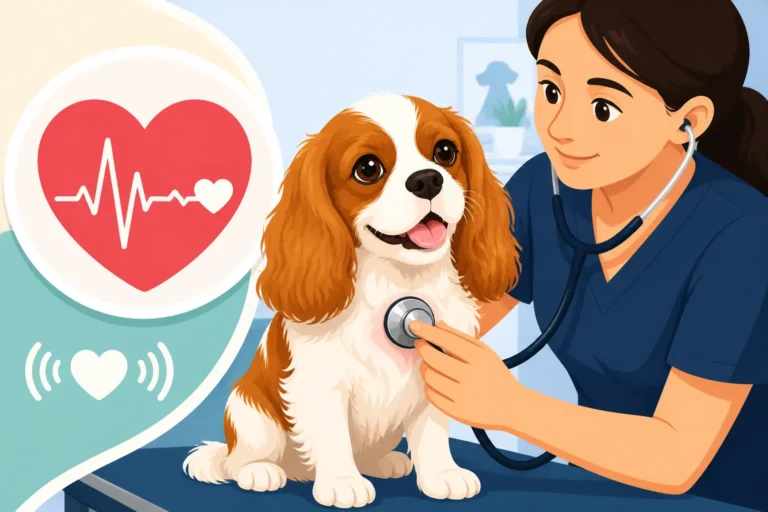
For a Cavalier diagnosed with a heart murmur, for example, the rescue might have already paid for a full cardiology workup, which includes an echocardiogram and a consultation with a veterinary cardiologist. They might have even started the dog on Medication for a Cavalier With Heart Disease if needed. All of these expenses add up quickly, far exceeding what a typical adoption fee covers. The fee also contributes to the daily operational costs of the rescue, such as food, bedding, toys, grooming supplies, and sometimes even professional training or behavior consultations if a dog needs help adjusting. Rescues often purchase supplies in bulk from places like Chewy to manage costs, but these still represent significant outlays. Think of it as investing in a dog that has had a full health MOT and often extensive repairs before arriving at your door.
Beyond Basic Vet Care
Many rescues go above and beyond the essential medical care. They often address specific Cavalier health challenges proactively. For instance, a rescue might arrange for an MRI scan if a Cavalier shows signs of syringomyelia, which is a significant expense. They might also provide ongoing Pain Management for a Senior Cavalier if the dog has chronic conditions like arthritis or back pain, ensuring they are comfortable.
The adoption fee also helps cover the administrative costs associated with running a non-profit: application processing, home visits, background checks, and post-adoption support. These steps are crucial for ensuring the right dog goes to the right home and that adopters feel supported throughout the transition. Some rescues even offer discounted veterinary care post-adoption through partnerships or provide a starter kit of food and supplies. It's a comprehensive package designed to give both you and your new older Cavalier the best possible start.
Beyond the Fee: Other Potential Costs for an Older Rescue Cavalier
While the adoption fee covers a lot of the initial investment in your older Cavalier's health, it’s crucial to understand that it’s just the beginning of your financial commitment. Adopting an older dog, particularly a Cavalier, means being prepared for ongoing care that can sometimes be more extensive than for a young, healthy puppy. Being realistic about these potential expenses from the outset will prevent surprises down the road and ensure you can provide the best life for your new family member.
One of the most significant areas of ongoing expense for an older Cavalier is veterinary care. As we've discussed, Cavaliers are predisposed to certain health conditions, and these often become more prevalent or require more management as they age. An older rescue Cavalier might already have a diagnosis of MVD, syringomyelia, or Cavalier Eye Disease From Dry Eye to Cataracts. This could mean regular check-ups with specialists, daily medications, or even special prescription diets. For instance, a Cavalier with MVD might need annual cardiology exams and possibly daily medication like Pimobendan as the disease progresses. These ongoing prescription costs and specialist visits can add up, so it’s wise to research What Cavalier Heart Disease Costs to Treat and budget accordingly.
Beyond medical needs, consider general senior care. Older dogs often benefit from joint supplements, specialized beds for comfort, and more frequent grooming if they're less able to groom themselves or develop skin issues. Regular grooming for an older Cavalier might involve extra care, especially if they cannot stand for long periods, so learning about Grooming an Older Cavalier That Cannot Stand Long is important. Food might also become a factor, as older dogs often need senior-specific formulas or prescription diets, which can be more expensive than regular kibble. Services like Ollie, which provides fresh, custom-portioned meals, might be appealing, but they also come at a higher price point.
Planning for the Unexpected
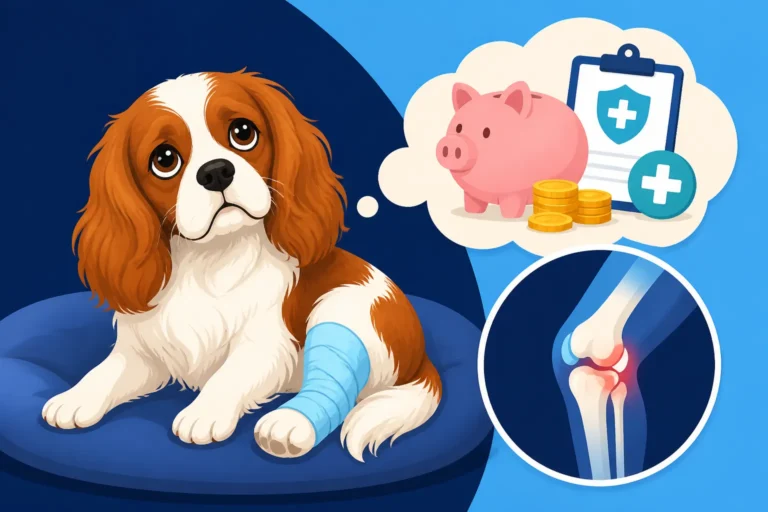
Even if your older rescue Cavalier arrives seemingly healthy, the fact remains that senior dogs are more susceptible to unexpected health crises. This is where pet insurance can be a real lifeline. While an existing condition (like an already diagnosed heart murmur or syringomyelia) might be considered pre-existing and therefore not covered, new conditions or accidents that arise after enrollment can be. Many owners find peace of mind with providers like Healthy Paws, even if only to cover future unforeseen issues. Researching policies and understanding what constitutes a pre-existing condition is vital, especially when you're Adopting an Older Cavalier With a Heart Diagnosis.
It’s also prudent to build up an emergency fund specifically for your Cavalier. This fund can cover deductibles if you have insurance, or absorb the cost of a sudden illness or accident that isn't covered. Imagine an emergency visit for a sudden cough or difficulty breathing; these situations can quickly incur hundreds, if not thousands, of dollars in vet bills. Having The Emergency Fund a Cavalier Owner Needs can make all the difference in providing your senior dog with the care they deserve without causing undue financial stress. Remember, embracing an older rescue Cavalier is an act of incredible compassion, and part of that commitment involves being prepared for their unique and evolving needs.
| Service/Item | Typical Frequency | Potential Cost Implications (Compared to Young, Healthy Dog) |
|---|---|---|
| Initial Adoption Fee | Once | Varies significantly based on rescue's investment in care. |
| Routine Vet Visits | 1-2 times/year | May include more diagnostics, specialist referrals. |
| Prescription Medications | Daily/Monthly | Common for heart, joint, or neurological conditions. |
| Specialist Consultations (Cardiology, Neurology) | As needed, often annually | Higher cost per visit than general vet. |
| Prescription Diets | Daily | More expensive than standard kibble. |
| Joint Supplements | Daily | Ongoing monthly expense. |
| Specialized Grooming | Every 6-8 weeks | May require more gentle handling, longer sessions. |
| Pet Insurance | Monthly premium | Higher premiums for older dogs; pre-existing clauses. |
| Emergency Fund | As needed | Crucial for unexpected illnesses or accidents. |
| Comfort Items (Orthopedic beds, ramps) | As needed | One-time or occasional purchases for senior comfort. |
Making the Commitment: The Rewards of Adopting an Older Cavalier
Bringing an older Cavalier King Charles Spaniel into your life through rescue is a truly special journey. While the financial considerations are undeniably important, and it’s right to be thorough in your planning, the emotional rewards often far outweigh the monetary costs. Older dogs, especially those from rescue situations, have a unique capacity for gratitude and can bond incredibly deeply with their new families. They often come with established personalities, are typically house-trained, and might even be past the rambunctious puppy stage, making for a calmer, more settled companion.
However, the transition still takes patience and understanding. An older rescue Cavalier might have a history you don’t fully know, and they might need time to decompress and learn to trust. Some might be shy, while others might have a little more baggage to unpack. It’s important to understand Whether an Older Cavalier Bonds With New Owners and to manage your expectations for The First Two Weeks With a Rescued Cavalier, allowing them space and time to adjust at their own pace.
Many people find immense satisfaction in providing a comfortable, loving retirement home for a senior dog who might otherwise be overlooked. You're not just giving them a place to live; you're giving them a new lease on life, a chance to experience true family love, soft beds, regular meals, and consistent care, often for the very first time. You become their anchor, their security, and their world. And for a breed like the Cavalier, known for its affectionate nature, the love they return is immeasurable. The investment, both financial and emotional, in Caring for a Cavalier Past Nine is a profound act of kindness, and the joy they bring into your home is a priceless gift.
Disclaimer
This article is for general informational purposes only and does not constitute professional advice. Laws, prices and regulations vary by location and change over time. Consult a qualified professional for guidance on your specific situation.