Adopting an Older Cavalier With a Heart Diagnosis
Bringing an older Cavalier King Charles Spaniel into your home, especially one with a known heart condition, is a profoundly compassionate act. Many prospective adopters find themselves wrestling with a mix of excitement and anxiety, wondering if they can truly provide the specialized care needed for a dog whose heart may already be compromised. This guide aims to demystify the process of adopting an older Cavalier with a heart diagnosis, offering practical advice and empathetic understanding to help you confidently navigate this unique and rewarding journey.
The Unique Journey of Adopting an Older Cavalier with a Heart Diagnosis
Adopting an older dog is a special kind of commitment, and when that dog is a Cavalier King Charles Spaniel with a heart diagnosis, it comes with its own set of considerations. You’re not just opening your home; you’re opening your heart to a companion who likely has a history, perhaps some medical needs, and an abundance of love to give. It’s natural to feel a swirl of emotions, from the immense joy of providing a loving home to the very real worry about their health and the time you'll have together.
Why an Older Cavalier Steals Your Heart (and Brings Special Needs)
Older Cavaliers often come with a calm demeanor, a good understanding of house rules, and a deep appreciation for comfort and affection. They might be past the wild puppy stages, meaning less frantic energy and more settled companionship. This can be a huge draw for individuals or families looking for a gentle, loving presence. You might find an older Cavalier who just wants to curl up on the sofa beside you, happy to be cherished. Their gratitude is palpable, and they integrate into a quiet home with surprising ease, often thriving on routine and gentle reassurance.
However, adopting an older Cavalier, particularly one with a heart diagnosis, means accepting that their journey has already begun, and you're stepping in as a vital part of its continuation. Many Cavaliers will develop Mitral Valve Disease in the Cavalier King Charles Spaniel as they age, a condition that is unfortunately very common in the breed. This isn't a surprise or a defect caused by previous owners; it's a genetic predisposition. What this means for you, as the prospective adopter, is a readiness to understand and manage their specific health needs. They might already be on medication, require special dietary considerations, or need more frequent veterinary check-ups than a younger, healthy dog. You're not just getting a dog; you're taking on a living being with a medical history that needs your attention and care.
The Emotional Rollercoaster: Hope, Worry, and Unconditional Love
The emotional journey of adopting an older Cavalier with a heart diagnosis can be quite intense. There’s the initial surge of hope – the hope that you can provide them with the best quality of life possible, that you can make their remaining years comfortable and filled with joy. You envision happy days, gentle walks, and endless snuggles. Then, the worry creeps in. You might find yourself Googling "Cavalier lifespan heart disease" or "how long a Cavalier lives after diagnosis," trying to mentally prepare for what might come. This worry is perfectly normal and a sign of your deep care. It stems from wanting to do right by this sweet creature who has already endured so much.
It's important to remember that while a heart diagnosis is serious, it doesn't mean a life devoid of happiness or a short timeline for every dog. Many Cavaliers manage their condition well for years with proper care. Your role becomes one of offering unconditional love, patience, and a stable environment. You will celebrate their good days, adapt to their limitations, and find immense satisfaction in witnessing their contentment. The bond you form with an older, rescued Cavalier, especially one with special needs, can be incredibly profound and uniquely rewarding, precisely because of the extra layer of care and commitment involved.
Understanding Your Cavalier's Heart Condition: Mitral Valve Disease
When you adopt an older Cavalier with a heart diagnosis, it's highly likely you're dealing with Mitral Valve Disease (MVD). This isn't just a generic "heart problem"; it's a specific, progressive condition that affects the mitral valve, one of the valves in the heart that controls blood flow. Being informed about MVD is the first step in providing the best possible care for your new companion.
What MVD Means for an Older Cavalier
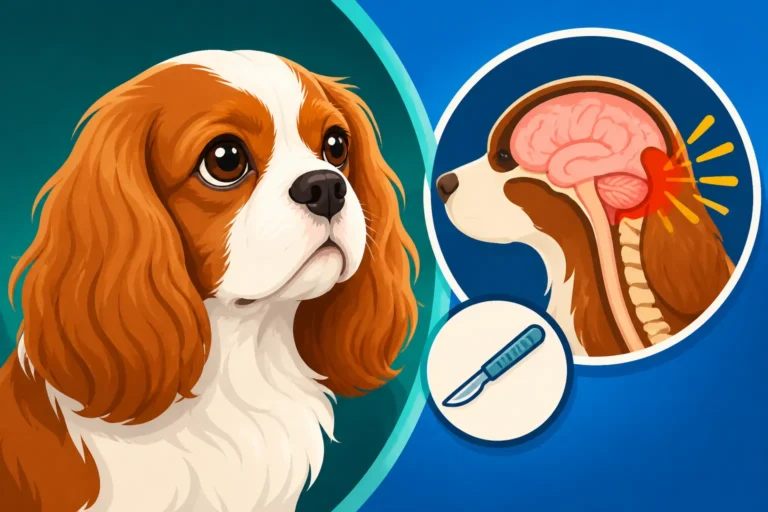
MVD in Cavaliers typically involves the mitral valve degenerating and thickening over time, preventing it from closing tightly. This causes blood to leak backward into the left atrium each time the heart beats, creating a "murmur" that a vet can hear with a stethoscope. As the disease progresses, the heart has to work harder, leading to enlargement, and eventually, fluid can build up in the lungs, a condition known as congestive heart failure. Understanding how Cavalier heart disease progresses stage by stage is crucial for managing their health proactively.
For an older Cavalier, this often means they might already be in a more advanced stage of MVD. They might have a noticeable heart murmur, which your vet will grade, and could even be showing early signs of heart failure, such as a persistent cough, particularly at night, or reduced exercise tolerance. Their activity levels might be naturally lower than a younger dog, and they might tire more easily on walks. Recognizing these subtle changes will be vital as you settle them into your home. It’s not about curing the disease, as MVD is irreversible, but about managing its progression and ensuring their comfort and quality of life for as long as possible.
Deciphering the Diagnosis: Grades, Stages, and What to Ask
When you adopt an older Cavalier with MVD, the rescue or previous owner should provide as much medical history as possible. This information is invaluable. Key details include the grade of the heart murmur (which your vet can also assess) and, more importantly, the disease stage based on American College of Veterinary Internal Medicine (ACVIM) guidelines. These stages range from Stage A (at risk, no murmur) to Stage D (advanced heart failure that's difficult to manage). Knowing what a heart murmur grade means in a Cavalier gives you a starting point, but a cardiologist's full assessment is much more comprehensive.
Key Questions to Ask (if possible) when adopting:
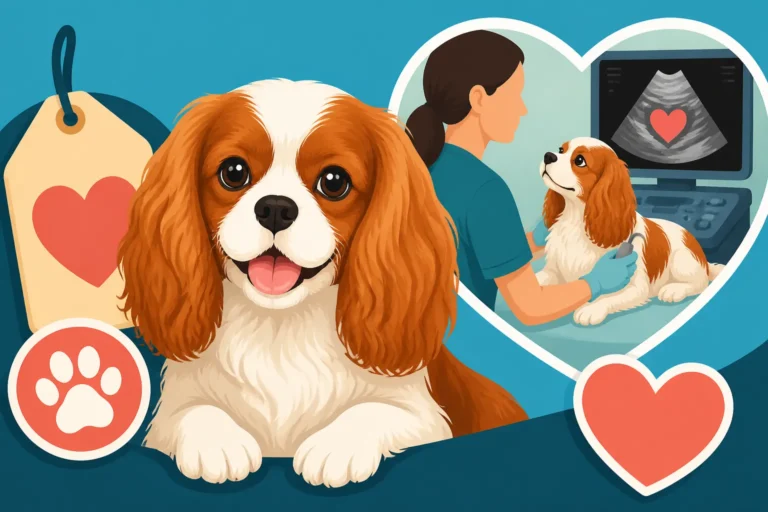
- Has an echocardiogram been performed? This ultrasound of the heart is the gold standard for diagnosing MVD severity and assessing heart size. What a Cavalier echocardiogram shows will give a much clearer picture than a stethoscope exam alone.
- What stage of MVD is the Cavalier in? This is the most critical piece of information for prognosis and treatment planning.
- What medications is the Cavalier currently taking? Knowing their current regimen will help you understand their baseline care.
- When was their last cardiology check-up? Regular annual cardiologist exams for a Cavalier are essential for monitoring progression.
Even if you don't get all the answers, schedule a vet visit immediately after adoption. Your new vet can start the diagnostic process, listen to the heart, potentially order an echo, and establish a treatment plan. This initial comprehensive check-up is foundational to managing your Cavalier's heart health.
Day-to-Day Care and Management for a Cavalier with MVD
Living with an older Cavalier with a heart diagnosis means integrating their special needs into your daily routine. It’s not about drastic changes, but mindful adjustments that prioritize their comfort, minimize stress on their heart, and maximize their joy. From what they eat to how they exercise, every decision can contribute to their well-being.
Tailoring Diet, Exercise, and Environment for Comfort
One of the most impactful ways to support a Cavalier with MVD is through a carefully managed diet. Sodium intake, in particular, becomes a significant concern. High sodium can lead to fluid retention, putting extra strain on an already compromised heart. You’ll want to discuss specific dietary recommendations with your veterinarian, who might suggest a prescription cardiac diet. If not on a prescription diet, reading labels for sodium content becomes second nature. Brands like Ollie (a fresh dog food delivery service) or premium kibble options from Chewy might offer suitable low-sodium choices, but always check with your vet first to ensure it aligns with their stage of heart disease. Remember, whether diet slows a Cavalier's heart disease is a common question, and while diet alone won't cure it, it plays a critical supportive role.
Exercise needs will also change. An older Cavalier with MVD likely won't be up for long hikes or intense play sessions. Instead, focus on short, gentle walks a few times a day, allowing them to sniff and explore at their own pace. Watch for signs of fatigue, such as lagging behind, excessive panting, or coughing, and end the walk immediately if you see them. The goal is gentle activity, not strenuous exercise, to maintain muscle tone without overtaxing their heart. Your home environment should also be low-stress and comfortable, with easy access to water, a cozy bed, and minimal stairs if possible, to prevent unnecessary exertion.
Navigating Medications and Vet Visits
Medication is often a cornerstone of MVD management. Depending on the stage of their disease, your Cavalier might be on a combination of drugs such as diuretics (to reduce fluid buildup), ACE inhibitors (to reduce strain on the heart), and Pimobendan (to help the heart pump more efficiently). Medication for a Cavalier with heart disease can significantly improve their quality of life and potentially extend their comfortable years. Administering these medications consistently and on schedule is paramount. If you struggle with giving pills, discuss strategies with your vet – pill pockets, wrapping them in a favorite treat, or compounding pharmacies that can create flavored liquids are all options. Chewy offers a wide range of products, including pill pockets and even prescription delivery services for convenience.
Regular vet visits are not just recommended; they are essential. Your veterinarian, and ideally a board-certified veterinary cardiologist, will need to monitor your Cavalier's heart function, adjust medication dosages as needed, and keep an eye out for any progression of the disease. These check-ups might include repeat echocardiograms, chest X-rays to check for fluid in the lungs, and blood tests. Don't hesitate to ask questions during these appointments. You are your Cavalier's best advocate, and understanding their treatment plan empowers you to provide the best care. Being vigilant for signs of worsening heart failure, such as increased coughing, difficulty breathing, or extreme lethargy, is also critical. Always have an emergency plan in place with your vet.
Financial Realities and Support for a Cavalier's Heart Health
Adopting any dog comes with financial responsibilities, but an older Cavalier with a heart diagnosis brings a predictable increase in costs. It’s a reality we must acknowledge and prepare for, but thankfully, there are ways to manage these expenses without compromising your Cavalier’s care.
Budgeting for Ongoing Care
The ongoing costs for a Cavalier with MVD can include monthly prescription medications, specialized cardiac diets, and more frequent vet visits, including potential specialist consultations. While we can't give specific figures, it's safe to say these costs can add up. For example, what Cavalier heart disease costs to treat involves more than just a single bill; it's a continuous investment.
To give you a clearer picture, here's a general idea of some common recurring expenses:
| Expense Category | Typical Frequency | Cavalier with MVD Considerations |
|---|---|---|
| Routine Vet Check-ups | Annual (or more often) | May need quarterly or bi-annual checks with the primary vet or cardiologist. |
| Specialized Diagnostics | Annually/Bi-annually | Echocardiograms, chest X-rays, blood tests (NT-proBNP). |
| Heart Medications | Daily | Often multiple prescriptions (Pimobendan, diuretics, ACE inhibitors). Cost depends on dosage and generic availability. |
| Prescription Cardiac Diet | Daily | Specialized low-sodium foods, often more expensive than standard kibble. |
| Supplements (if recommended) | Daily | Fish oil or other vet-approved heart support supplements. |
| Emergency Care | As needed | Potential for acute heart failure episodes requiring urgent veterinary attention. |
It's wise to start an emergency fund specifically for your Cavalier's medical needs if you haven't already. Even a small amount saved regularly can provide a cushion for unexpected expenses or help cover the costs of emergency visits if your Cavalier goes into fluid overload and needs overnight oxygen.
Exploring Pet Insurance and Other Resources
For older Cavaliers with a pre-existing heart diagnosis, traditional pet insurance can be tricky. Most policies won't cover conditions diagnosed before enrollment, meaning their MVD would likely be excluded. This is a common frustration for loving owners. However, it's still worth investigating. While a policy might not cover the direct heart treatment, it could still cover new, unrelated illnesses or accidents that might occur. For instance, if your Cavalier were to break a leg or develop an ear infection, having insurance could still alleviate those costs. You can research providers like Healthy Paws to see what options might be available, even with pre-existing conditions (though direct coverage for MVD itself would be unlikely). If you were hoping to insure a younger, healthy Cavalier, you would want to do so insuring a Cavalier before the murmur arrives.
Beyond traditional insurance, there are other resources to consider. Many veterinary practices offer payment plans, and some non-profit organizations provide financial assistance for pet owners facing significant veterinary bills. Don't be afraid to discuss financial concerns openly with your vet; they often know about local resources or programs that can help. Sometimes, even simply asking if generic versions of medications are available can significantly reduce costs. Embracing an older Cavalier with a heart diagnosis is a profound act of love, and while the financial aspect requires planning, the emotional rewards are truly immeasurable. Your commitment gives them a second chance at a truly cherished life.
Disclaimer
This article is for general informational purposes only and does not constitute professional advice. Laws, prices and regulations vary by location and change over time. Consult a qualified professional for guidance on your specific situation.