What a Healthy Adult Cavalier Costs Each Month
It's easy to look at a charming, small Cavalier King Charles Spaniel and think that their petite size means a small dent in your wallet. But let's be realistic: while they might not eat as much as a Great Dane, these sweet companion dogs come with their own set of ongoing expenses, even when they're in tip-top shape. This guide will walk you through the typical monthly costs you can expect for a healthy adult Cavalier, helping you budget wisely for your beloved furry family member.
The Foundation: Essential Monthly Expenses for a Cavalier
Just like us, our Cavaliers need good sustenance and basic protection to thrive. These are the non-negotiable costs that will crop up month after month.
Quality Food Choices
Feeding your Cavalier a high-quality, nutritionally balanced diet is one of the most fundamental ways to support their long-term health. Given that Cavaliers are prone to Cavalier Weight Gain and What It Costs the Heart, portion control and appropriate calorie intake are absolutely crucial. This isn't just about avoiding a chunky pup; it's about minimizing strain on their joints and, most importantly, their hearts, which are already susceptible to issues like Mitral Valve Disease.
You'll find a wide range of options, from premium kibbles to fresh-prepared meal services. Dry kibble is often the most budget-friendly, but even within that category, prices vary significantly based on ingredients and brand reputation. Some owners opt for fresh food delivery services, like Ollie, which can be fantastic for palatability and controlled portions, but they often come at a higher price point. Wet food can be a good supplement or a complete diet, but again, the cost adds up quickly for daily feeding. It’s always best to discuss your Cavalier's specific needs with your vet to determine the best food within your budget, especially if you're managing their weight.
Many owners find convenience in auto-ship options from online retailers like Chewy, which can sometimes offer discounts on recurring orders. This not only ensures you never run out but also helps you predict this significant monthly expense. The exact amount will depend on the brand, type of food, and your Cavalier’s size and activity level – a smaller, less active Cavalier might eat less, but the quality of food shouldn't be compromised. Remember, a healthy diet is preventative medicine in itself, potentially reducing future vet bills down the line.
Treats and Chews
Let's face it, who can resist those big, soulful Cavalier eyes when they're begging for a treat? Treats are an important part of training, bonding, and providing mental stimulation, but they need to be factored into your monthly budget and, critically, your Cavalier's daily calorie intake. Just a few extra treats can quickly tip the scales for a small dog.
Look for low-calorie, healthy options, and consider treats that also offer a dental benefit. Dental chews can help keep plaque at bay, though they are no substitute for regular brushing. Many companies, including those found on Chewy, offer a variety of dental-specific treats. It's also wise to consider natural chews, like bully sticks or appropriate antlers, for longer-lasting entertainment and to satisfy their chewing instincts. These aren't usually a daily expense, but if your Cavalier goes through them quickly, you'll find yourself replenishing them often.
The key here is moderation and choosing wisely. Avoid treats with excessive fillers, artificial colors, or high sugar content. If your Cavalier is on a special diet, make sure treats align with those dietary restrictions. Keeping a stash of appropriate treats is a small monthly expense that brings a lot of joy and utility, helping you reinforce good behavior and keep those busy minds engaged.
Preventative Medications
This is one area where cutting corners can lead to much larger, more expensive problems down the road. Monthly preventative medications are crucial for protecting your Cavalier from parasites that can cause serious illness. We're talking about heartworm prevention, as well as flea and tick medications.
Heartworm disease is a devastating illness transmitted by mosquitoes, and treatment is not only incredibly expensive but also risky and hard on the dog. A monthly or sometimes quarterly preventative medication is a small price to pay for peace of mind. Similarly, fleas and ticks are more than just an annoyance; they can transmit diseases like Lyme disease and Ehrlichiosis, which can lead to chronic health issues. Even if your Cavalier is primarily an indoor dog, fleas can hitchhike inside, and a single mosquito can transmit heartworm.
Most vets recommend a combination product or separate monthly doses. These costs are consistent and predictable, making them easy to fold into your monthly budget. Some owners prefer topical treatments, while others opt for oral medications. Again, your vet will guide you on the best options for your specific location and your Cavalier's lifestyle. Never skip these doses; the health consequences and treatment costs of these preventable conditions far outweigh the monthly expense of the medication.
Beyond the Basics: Grooming and Maintenance
Cavaliers are known for their beautiful, silky coats and charming drop ears. Keeping them looking and feeling their best requires regular attention, both from you and sometimes from a professional.
Professional Grooming
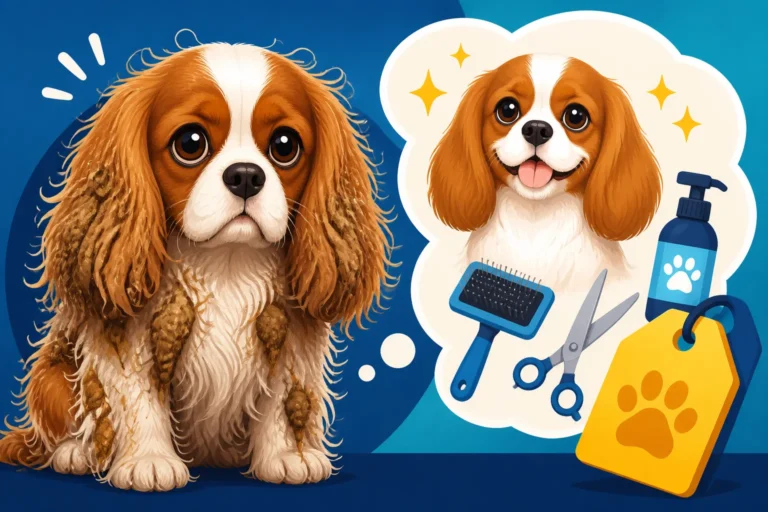
While Cavaliers don't require elaborate cuts, their long, flowing coats and feathering do need professional attention to prevent mats and keep them comfortable. Depending on how much at-home grooming you do, your Cavalier might need a professional groom every 6 to 12 weeks. Many owners find a good groomer indispensable for tasks like nail trims, sanitary trims, and tidying up the paw and ear feathering.
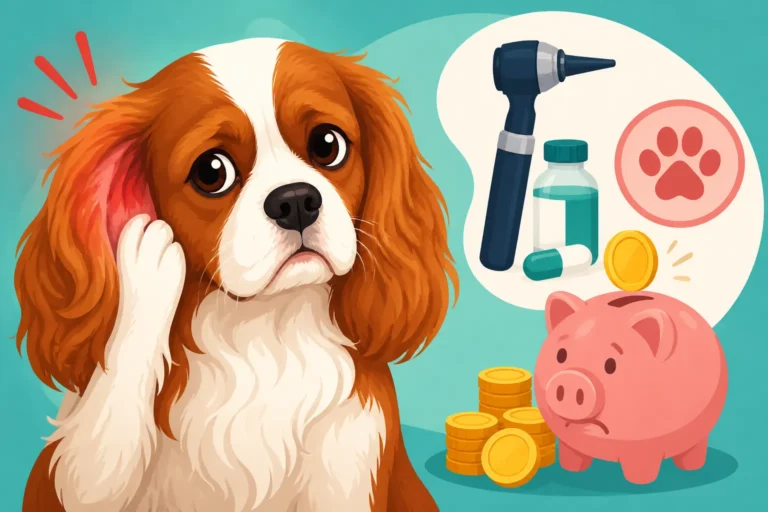
A professional groomer can also check for skin issues or ear problems that might be hidden under all that fur, providing an early warning system. They'll give your Cavalier a thorough bath and blow-dry, which is often a challenge to do perfectly at home without creating frizz or missing spots. The cost will vary based on your location and the specific services requested, but budgeting for this expense quarterly or even monthly (by setting aside a portion of the fee each month) is smart. Regular professional grooming not only keeps your Cavalier looking dapper but also contributes to their overall hygiene and comfort, especially in areas like their delicate ears, which are prone to Cavalier Ear Infections and Why They Recur.
At-Home Grooming Supplies
Even with regular trips to the groomer, daily and weekly at-home grooming is a must for a Cavalier. Their glorious feathering, particularly behind the ears, on their legs, and on their tail, is prone to tangles and mats. Neglecting this can lead to painful skin irritation and necessitate a full shave-down, which no Cavalier owner wants! Having the right tools on hand makes all the difference.
You'll need a good quality slicker brush and a metal comb. The slicker brush helps remove loose hair and minor tangles, while the comb is essential for getting down to the skin and working through any stubborn knots, especially behind their ears, which are notorious for matting. Detangling spray can be a lifesaver for stubborn snarls, making the brushing process more comfortable for your dog. You’ll also need dog-specific shampoo and conditioner, as human products can dry out their skin and coat.
Don't forget about ear cleaner and cotton balls for routine ear hygiene; a quick wipe down of their visible ear flap and the outer part of the canal can prevent buildup. Learning how to properly clean a Cavalier's ear canal is essential, but remember: never use cotton swabs deep inside the ear. These supplies might be an initial investment, but they are replenished infrequently, making their monthly cost relatively low. These routine efforts help keep your Cavalier comfortable and reduce the need for emergency vet visits for painful mats or infections.
Dental Care
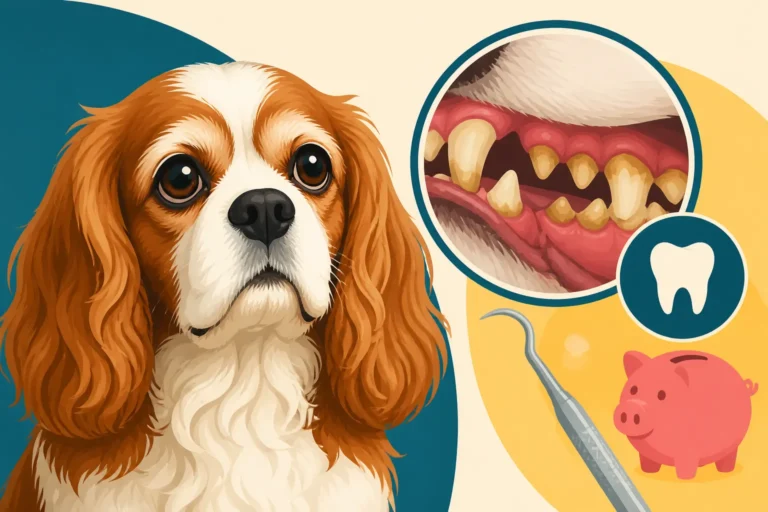
Dental health is often overlooked, but it's incredibly important for a Cavalier. They tend to have crowded mouths due to their smaller jaw size, which can make them more susceptible to dental disease. Just like humans, a Cavalier needs regular dental care to prevent plaque and tartar buildup, which can lead to gum disease, pain, and even systemic infections affecting organs like the heart. This is especially critical since Whether Dental Disease Reaches a Cavalier's Heart is a real concern.
Ideally, you should aim to brush your Cavalier's teeth daily with dog-specific toothpaste and a small toothbrush. This is a monthly effort that can significantly reduce the need for costly professional dental cleanings under anesthesia, or at least extend the time between them. Many owners find this a challenge, but even a few times a week is better than nothing. Start early with a puppy to get them used to it.
Beyond brushing, you might incorporate dental chews or water additives, but these are secondary to brushing. While a professional dental cleaning is usually an annual or bi-annual expense rather than monthly, budgeting a small amount each month for this inevitable procedure is a smart move. Think of it as a crucial investment in their comfort and overall health, preventing future pain and expensive extractions.
Staying Healthy: Preventative Care and Wellness
Investing in your Cavalier's preventative health care is paramount. It’s about being proactive rather than reactive, especially with a breed known for certain health challenges.
Routine Veterinary Check-ups
Even a healthy adult Cavalier needs at least one comprehensive veterinary check-up each year. This annual visit is critical for early detection of any emerging health issues. Your vet will perform a thorough physical exam, listen to their heart and lungs, check their teeth, feel their joints, and generally assess their overall condition. This is also when routine vaccinations are updated, ensuring your Cavalier is protected from common canine diseases.
While the actual vet visit is typically an annual event, it’s wise to set aside a small amount each month to cover this cost, rather than being hit with a large bill once a year. This monthly budgeting ensures that when the time comes for The Yearly Checkup That Listens to a Cavalier's Heart, you're prepared. Depending on your vet, this annual visit might also include routine blood work for older Cavaliers to catch any issues like kidney or liver problems early, which adds to the overall cost. For breeds like Cavaliers, these check-ups are particularly important because subtle changes can be early indicators of conditions such as Mitral Valve Disease or Syringomyelia, even if they aren't showing overt symptoms yet.
Pet Insurance
This might not seem like a "monthly cost" for a healthy dog, but it's one of the most important investments you can make, especially for a Cavalier. Pet insurance is essentially peace of mind, protecting you from the potentially staggering costs of unexpected illnesses or accidents. Given the breed's predispositions, like heart disease and neurological conditions, a Cavalier's vet bills can escalate rapidly, making even a seemingly healthy dog suddenly very expensive.
The monthly premium for pet insurance depends on factors like your Cavalier's age, your location, the plan's deductible, and reimbursement rate. It's crucial to Enrolling a Cavalier Puppy Before Any Symptoms, because once a condition manifests (like a heart murmur), it typically becomes a "pre-existing condition" and won't be covered. Many companies, such as Healthy Paws, offer various plans to suit different budgets and coverage needs.
While you hope to never use it, having pet insurance means you can make medical decisions based on what's best for your Cavalier, rather than what you can afford out-of-pocket. Imagine facing an MRI scan for potential Syringomyelia or advanced cardiac diagnostics – these can run into the thousands. A modest monthly premium ensures you won't have to choose between your dog's health and your financial stability.
Supplements (Optional)
As our Cavaliers age, or if they have specific predispositions, your vet might recommend certain supplements. These are often not strictly necessary for a perfectly healthy young adult, but they can become beneficial as preventative measures or for supporting specific systems.
Common supplements for Cavaliers include omega-3 fatty acids (like fish oil) for coat health, joint support, and even cardiac benefits. Glucosamine and chondroitin supplements are frequently recommended for joint health, especially in breeds that can be prone to conditions like Loose Kneecaps in a Thirteen-Pound Cavalier or early arthritis. Some vets might suggest probiotics for digestive health or specific vitamins if there's a perceived deficiency.
These aren't generally daily medications but rather health aids, and their cost can vary. Always discuss any supplements with your veterinarian before adding them to your Cavalier's routine, as not all supplements are created equal, and some can interact with medications. While optional, these can become a small, recurring monthly cost that contributes to your Cavalier's overall well-being and longevity, potentially delaying or reducing the severity of age-related issues.
Enrichment and Comfort: Lifestyle Costs
Beyond the essentials, a happy, well-adjusted Cavalier also needs mental stimulation, comfort, and opportunities for engagement. These lifestyle costs contribute significantly to their quality of life.
Toys and Mental Stimulation
Cavaliers, despite their cuddly appearance, are intelligent little dogs with a spaniel's zest for life. They need toys and mental challenges to keep them from getting bored or developing unwanted behaviors. A bored Cavalier might become destructive or excessively clingy. While they might not be as demanding as a working breed, they definitely benefit from regular engagement.
This monthly cost can include replenishing worn-out plush toys, buying new puzzle feeders, or investing in interactive toys that dispense treats. Rotate their toys regularly to keep things fresh and exciting. A simple monthly budget for a new toy or two can make a big difference in their daily happiness. Many durable toys are available through retailers like Chewy, ensuring variety and quality. Think about toys that encourage sniffing, chewing, or problem-solving – these tap into their natural instincts and provide valuable mental exercise.
Remember, the goal isn't just to keep them from chewing your furniture; it's to enrich their lives. A mentally stimulated Cavalier is a happier, more content companion. Even a few dollars set aside each month for new enrichment items is a worthy investment.
Training and Socialization (Ongoing)
Even an adult Cavalier can benefit from ongoing training and socialization. Perhaps you want to brush up on their manners, teach a new trick, or ensure they remain comfortable in various environments. Training isn't a one-and-done event; it's a continuous journey that strengthens your bond and helps your Cavalier navigate the world confidently.
This might mean joining an obedience refresher class, attending a fun agility or scent work course, or simply budgeting for high-value treats and training aids. For a social breed like the Cavalier, ensuring they have positive interactions with other dogs and people is also key. If you have a working household, you might consider occasional daycare or a dog walker to provide structured activity and companionship, which can be particularly helpful for a breed known for Living With a Cavalier That Panics When Alone.
While formal classes might be an intermittent expense, the ongoing investment in their mental and social health is a monthly commitment, whether through time, specific training tools, or professional support. A well-trained and socialized Cavalier is a joy to live with and less likely to develop behavioral issues that could otherwise lead to stress for both dog and owner.
Pet Sitting/Daycare (As Needed)
For many Cavalier owners, life inevitably throws curveballs that require temporary care for their beloved companion. Whether it's a weekend getaway, a longer vacation, or just a particularly long day at the office, having a plan for pet care is a crucial part of responsible ownership. This can become a recurring monthly cost if you travel frequently or work long hours outside the home.
Options range from professional pet sitters who visit your home, to boarding kennels, to doggy daycare facilities. Pet sitters can be a wonderful choice for Cavaliers, as they allow the dog to stay in their familiar environment, reducing stress. Boarding kennels offer supervision but can be stressful for some dogs, so it's important to choose one with a good reputation and ample one-on-one attention. Doggy daycare is fantastic for socialization and exercise if your Cavalier enjoys the company of other dogs, but it's not suitable for every dog, particularly those prone to anxiety or overstimulation.
The cost for these services varies widely depending on your location, the type of service, and the duration. It's smart to research options in advance and factor this potential expense into your monthly budget, especially if your lifestyle involves regular travel or extended periods away from home. Finding reliable care for Boarding Kennels and a Cavalier's Heart Medication becomes even more important once a diagnosis is in place.
Monthly Cost Breakdown for a Healthy Adult Cavalier
To give you a clearer picture, here's a general estimate of what a healthy adult Cavalier might cost each month. Please remember, these are estimates and will fluctuate based on your choices, location, and individual dog.
| Category | Typical Monthly Cost Range (USD) | Notes |
|---|
Final Thoughts: The Evolving Cost of a Cavalier
It's clear that even a healthy adult Cavalier King Charles Spaniel comes with a significant financial commitment. The range of potential monthly costs is wide because so much depends on individual choices – the brand of food, whether you groom at home or professionally, your pet insurance plan, and how often you seek additional enrichment.
However, viewing these expenses not as burdens, but as investments in your Cavalier's health and happiness is key. These aren't just costs; they are your way of ensuring your furry friend lives the longest, healthiest, and most joyful life possible. When you consider the deep companionship and unconditional love they offer, it's often a price we're more than willing to pay. Remember, the true cost of a Cavalier, especially considering conditions like Mitral Valve Disease in the Cavalier King Charles Spaniel and Syringomyelia and Chiari Malformation in Cavaliers, can unfortunately increase significantly if health issues arise, so proactive budgeting for these routine items is foundational.
By understanding these regular expenditures and preparing for them, you can focus less on the financial strain and more on enjoying every precious moment with your Cavalier. It might seem like a lot to consider upfront, but having a clear picture helps you provide the best possible care without stress, right from puppyhood to Caring for a Cavalier Past Nine.
Disclaimer
This article is for general informational purposes only and does not constitute professional advice. Laws, prices and regulations vary by location and change over time. Consult a qualified professional for guidance on your specific situation.