What a Cavalier Eats in a Month
One of the most common worries for Cavalier King Charles Spaniel owners isn't just what to feed their beloved companions, but how much it's actually going to cost month after month. It's easy to get lost in the sheer variety of dog foods out there, from budget-friendly kibble to gourmet fresh meals, leaving many wondering what a realistic monthly food budget for their Cavalier truly looks like. This guide will walk you through the various factors that influence your Cavalier's food expenses, helping you understand not just the price tags, but the value you're getting for your furry family member.
Understanding Your Cavalier's Nutritional Needs
Before we even talk about costs, it’s crucial to understand that your Cavalier’s diet isn't a one-size-fits-all situation. These sweet, often gentle dogs have specific needs that evolve with their age, activity level, and overall health. Skimping on quality here can lead to bigger health bills down the line, so thinking about nutrition is truly an investment in their long-term well-being.
Calorie Requirements Based on Age, Activity, and Health
Just like us, a growing puppy, a couch-potato adult, and an active senior Cavalier will have vastly different caloric needs. A tiny puppy, despite its small size, is burning through a lot of energy for growth and boundless play, often requiring more calories per pound of body weight than an adult. An adult Cavalier, typically weighing between 13 and 18 pounds, needs a balanced diet to maintain a healthy weight without becoming sluggish. You might be surprised to learn How Much to Feed an Adult Cavalier Daily is less than you think. An active Cavalier who enjoys long walks and playtime will naturally require more fuel than one who prefers naps on the sofa.
Moreover, a Cavalier’s health status profoundly impacts their diet. If your Cavalier has been diagnosed with a condition like mitral valve disease (MVD), their dietary needs will change. They might require Low-Sodium Feeding for a Cavalier Heart Patient to manage fluid retention. Puppies, too, have different needs; their rapid growth demands a diet rich in appropriate nutrients to support bone and muscle development, but without overfeeding which can be detrimental to their developing joints. It’s always best to consult your veterinarian to pinpoint the exact caloric intake suitable for your individual Cavalier, taking into account their unique circumstances.
The Importance of High-Quality Ingredients
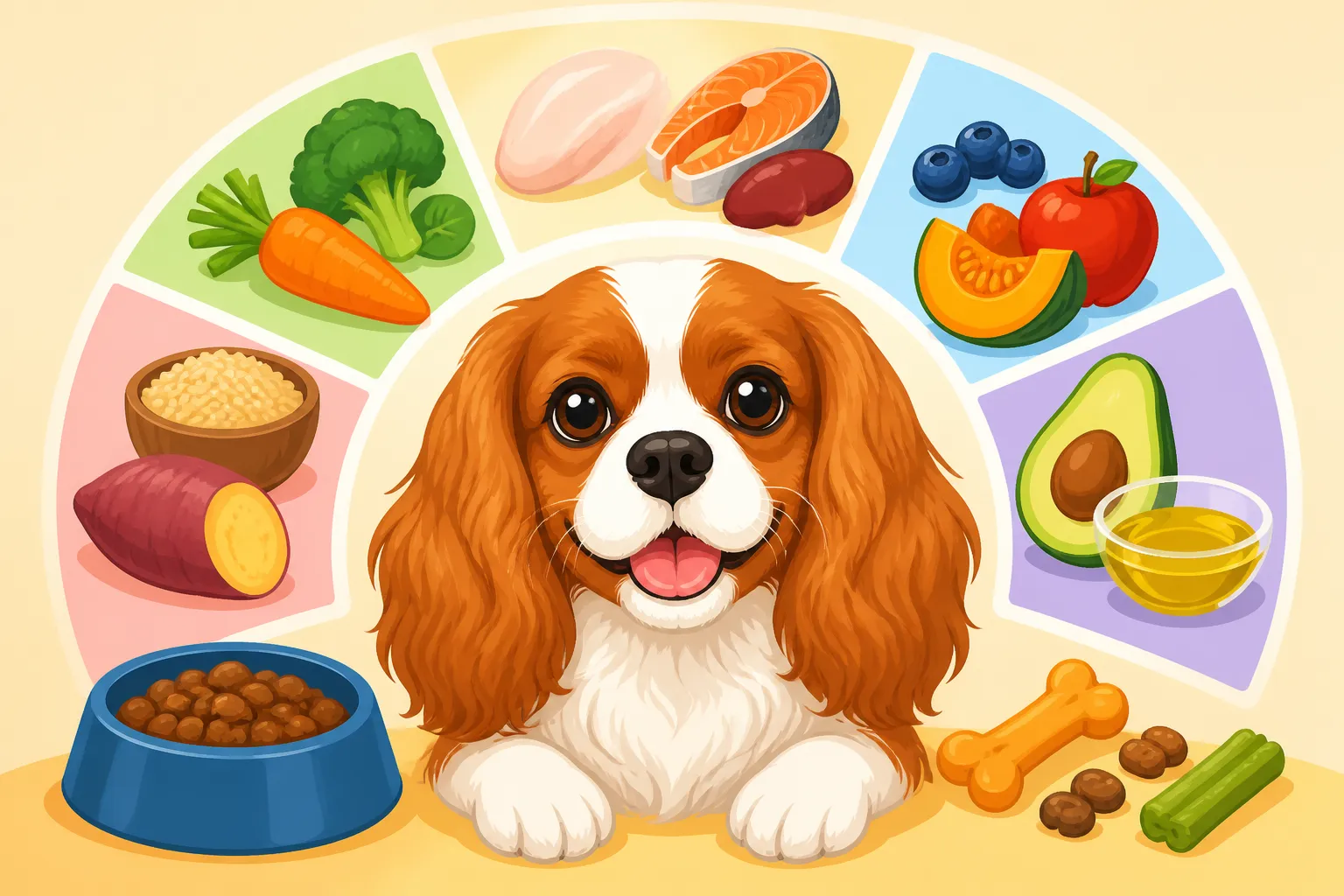
You truly get what you pay for when it comes to dog food, and this is especially true for a breed like the Cavalier that can be prone to certain health issues. High-quality dog food means ingredients that are easily digestible and provide essential nutrients without unnecessary fillers. Look for real meat as the first ingredient, healthy fats, and digestible carbohydrates, along with a good balance of vitamins and minerals. Cheap foods often use by-products, artificial colors, and fillers that offer little nutritional value and can sometimes trigger allergies or digestive upset.
While the upfront cost of premium food might seem higher, consider the long-term benefits. A well-nourished Cavalier often has a shinier coat, more energy, better digestion, and a stronger immune system, potentially leading to fewer vet visits for diet-related issues. This isn't just about saving money, it's about giving your Cavalier the best chance at a vibrant life. Think of it as preventative medicine in a bowl. Many owners are now exploring options beyond traditional kibble, like the fresh food delivery services from companies such as Ollie, which provides pre-portioned, human-grade meals tailored to your dog's specific profile.
Why Cavaliers Are Prone to Weight Gain
Cavaliers are, bless their hearts, masters of the "puppy dog eyes" and can be incredibly persuasive beggars. Their smaller size also means that even a few extra pounds can constitute a significant percentage of their body weight, putting undue stress on their joints and heart. Why Every Scrap Shows on a Fifteen-Pound Cavalier is not an exaggeration. An extra treat here, a dropped crumb there, and suddenly your perfectly proportioned Cavalier starts looking a bit rounder. This isn't just an aesthetic issue; excess weight can exacerbate existing health conditions, particularly heart disease, which is prevalent in the breed.
Portion control is absolutely paramount for Cavaliers. Leaving a bowl down all day for free-feeding, for example, is a surefire way to encourage overeating and weight gain. As we explore in Why a Bowl Left Down Makes a Cavalier Fat, scheduled meals are far superior. It’s also crucial to understand your Calorie Needs for an Eighteen-Pound Cavalier if you have a larger dog, and adjust accordingly. Measuring your Cavalier’s food with a kitchen scale rather than a scoop can make a huge difference in ensuring they get precisely the right amount. Remember, prevention is always easier (and cheaper) than trying to shed those extra pounds later.
Types of Food and Their Monthly Costs
The world of dog food is vast, and the price tags vary dramatically depending on the type and quality of food you choose for your Cavalier. It's not just about dry kibble anymore; there are numerous options, each with its own pros, cons, and associated monthly expense.
Dry Kibble Options and Budgeting
Dry kibble remains the most popular and generally most affordable option for feeding dogs, and Cavaliers are no exception. The cost can range significantly based on the brand's quality, ingredients, and where you purchase it.
- Budget-Friendly Kibble: These often contain more fillers like corn, wheat, and soy, and might list meat by-products rather than whole meats as primary ingredients. You might spend roughly $20-$40 per month on a 15-20 lb bag, which for a small Cavalier could last a month or more, especially if you're diligent about How Much to Feed an Adult Cavalier Daily. While the initial cost is low, be mindful of potential trade-offs in nutrition and how it might impact long-term health.
- Mid-Range Kibble: Brands in this category strike a balance between quality and cost. They typically feature whole meats as the first ingredient, fewer fillers, and often include beneficial supplements like omega fatty acids. You might be looking at $40-$70 per month for a similar-sized bag. This is often a good compromise for many owners seeking better nutrition without breaking the bank. Many reputable brands found on online retailers like Chewy fall into this category, often offering subscription discounts.
- Premium/High-End Kibble: These are often grain-free, limited ingredient, or feature exotic protein sources and high-quality, human-grade ingredients. They can range from $70-$100+ per month. While more expensive, they can be beneficial for Cavaliers with sensitivities or specific health needs, and often provide superior digestibility and nutrient absorption.
When budgeting for kibble, consider how many meals you'll be feeding your Cavalier daily. Most adult Cavaliers do well on Feeding a Cavalier Two Meals a Day, which helps manage hunger and metabolism.
Wet, Fresh, and Raw Food Considerations
Beyond dry kibble, there's a growing market for wet, fresh, and raw food diets, each carrying a different price tag and level of commitment.
- Wet Food: Typically more expensive per serving than kibble, wet food can be a good option for picky eaters, adding moisture to the diet, or for Cavaliers needing a softer consistency due to dental issues. A Cavalier would likely require several cans or pouches per day, pushing monthly costs to anywhere from $80 to $150 or more, depending on the brand and size of the packaging. Some owners mix wet food with kibble to add palatability and stretch their budget.
- Fresh Food: Services like Ollie deliver fresh, human-grade meals that are cooked and then frozen. These are often pre-portioned based on your Cavalier's weight, age, and activity level, taking the guesswork out of feeding. The convenience and quality come at a higher cost, often ranging from $100-$200+ per month for a Cavalier. This option is gaining popularity for owners who want to feed a less processed diet and can budget for it, and many believe that Whether Diet Slows a Cavalier's Heart Disease is positively impacted by fresh, whole ingredients.
- Raw Food (BARF – Biologically Appropriate Raw Food): This diet involves feeding uncooked meat, bones, organs, and sometimes fruits and vegetables. It's often considered the most "natural" diet by proponents but requires careful balancing to ensure complete nutrition and carries risks if not prepared safely. Monthly costs can vary widely depending on whether you're sourcing ingredients yourself or buying pre-prepared raw patties. Expect to spend $150-$300+ per month. Due to the complexities and potential risks, consulting a vet nutritionist is highly recommended if you consider a raw diet for your Cavalier.
Here’s a simplified comparison of approximate monthly costs for a Cavalier on different diets:
| Food Type | Typical Monthly Cost (Estimated) | Pros | Cons |
|---|---|---|---|
| Budget Kibble | $20 – $40 | Most affordable, easy to store | Lower ingredient quality, more fillers |
| Mid-Range Kibble | $40 – $70 | Good balance of quality & cost, widely available | Still processed, may not suit all sensitivities |
| Premium Kibble | $70 – $100+ | High quality ingredients, specialized formulas | Higher cost, can be harder to find in local stores |
| Wet Food | $80 – $150+ | Highly palatable, good hydration, softer texture | More expensive, can be messy, bulky to store |
| Fresh Food | $100 – $200+ | Human-grade ingredients, tailored, less processed | High cost, requires freezer/fridge space, subscription |
| Raw Food | $150 – $300+ | Closest to natural diet, can improve coat/digestion | Highest cost, storage, preparation risks, nutritional balance needs expertise |
Treats and Supplements: The Hidden Expenses
It’s easy to focus solely on the main meals, but treats and supplements can quietly add a substantial amount to your monthly food bill. For a breed so susceptible to weight gain, carefully chosen treats are essential.
- Training Treats: If you're actively training your Cavalier, you'll go through a lot of treats. Opt for Low-Calorie Treats for a Cavalier That Gains Easily to avoid adding unnecessary calories. Tiny, soft treats are often best. Even small bags can add $10-$30 to your monthly budget if used regularly.
- Chews and Dental Treats: These can help with dental hygiene and provide mental stimulation. However, larger, long-lasting chews can be costly, sometimes $5-$15 each, and for safety, always supervise your Cavalier when they're enjoying a chew.
- "Human" Treats: Those little bites of cheese, fruit, or vegetables you share from your plate can add up in cost and calories. Always ensure human foods are safe for dogs.
- Supplements: Your vet might recommend supplements for joint health, skin and coat, or other specific needs, especially as your Cavalier ages. These can include fish oil, probiotics, or joint support formulas. Depending on the brand and dosage, supplements could add $20-$50+ to your monthly expenses. While not "food" in the traditional sense, they are part of the nutritional intake and often purchased alongside food, so it’s important to factor them into the overall monthly spend.
Be mindful of Treats That Fit a Cavalier's Small Ration so you aren't inadvertently overfeeding. Every calorie counts for these small dogs.
Factors Influencing Your Cavalier's Monthly Food Bill
Beyond the type of food, several practical factors directly impact how much you'll spend feeding your Cavalier each month. Thinking strategically about these can help you manage your budget more effectively.
Special Dietary Needs and Prescription Diets
Unfortunately, Cavaliers are predisposed to certain health conditions that often require specialized diets. Mitral valve disease (MVD) is incredibly common, and as it progresses, a vet might prescribe a low-sodium diet to help manage heart health. Conditions like kidney disease, allergies, or gastrointestinal issues can also necessitate a specific therapeutic diet.
- Cost of Prescription Diets: These specialized foods are formulated to manage specific medical conditions and are only available through a veterinary prescription. They are almost always more expensive than regular commercial diets. For a Cavalier, Prescription Diet Costs for a Cavalier Heart Patient can easily run $80-$150+ per month, and this doesn't include the cost of the initial veterinary diagnosis or ongoing check-ups. Brands like Royal Canin or Hill's often offer these diets.
- Allergy Management: If your Cavalier has food allergies, you might need a limited ingredient diet or a hydrolyzed protein diet. These can also be more costly than standard kibble and require careful monitoring of all food and treats. It often takes trial and error, sometimes making the journey to finding the right food frustrating and expensive.
It's crucial not to cut corners on prescription diets. They are a vital part of managing your Cavalier's health and can significantly improve their quality of life and potentially extend their lifespan.
How Shopping Habits Impact Costs
Where and how you buy your Cavalier's food can make a considerable difference in your monthly expenditure.
- Local Pet Stores vs. Online Retailers: Local pet stores offer personalized advice and often support community businesses, but their prices might be slightly higher. Online retailers like Chewy often offer competitive pricing, bulk discounts, and convenient auto-ship options that can save you a percentage on each order. This can be a real boon for consistently affording higher-quality foods.
- Buying in Bulk: For dry kibble or certain types of treats, purchasing larger bags or quantities can reduce the per-pound cost. However, be mindful of expiration dates and proper storage to maintain freshness. For fresh food services, subscribing often comes with a discount compared to one-time purchases.
- Sales and Promotions: Keep an eye out for sales, coupons, and loyalty programs. Signing up for email newsletters from your preferred brands or retailers can alert you to upcoming discounts.
- Changing Food: If you do decide to switch your Cavalier's food, remember that it's a gradual process, usually taking The Ten Days It Takes to Change Cavalier Food to avoid digestive upset. This means for a short period, you might have both old and new food on hand.
The Role of Preventative Care in Food Spending
While not directly a "food cost," preventative care profoundly impacts your overall pet budget, which in turn affects what you can spend on food. Regular veterinary check-ups are essential for catching health issues early, before they become serious and require expensive interventions, or worse, expensive prescription diets.
- Routine Vet Visits: Annual exams help ensure your Cavalier is healthy, at a good weight, and allows your vet to listen for early signs of issues like a heart murmur. Catching problems early can mean that simple dietary adjustments or supplements might be enough, rather than costly medications or complex diets down the line.
- Dental Care: Good dental hygiene can prevent painful dental disease that might require costly extractions. While not food itself, chewing appropriate dental treats and having clean teeth directly impacts a Cavalier’s ability to eat comfortably and maintain good health.
- Weight Management: As discussed earlier, keeping your Cavalier at a healthy weight is one of the most effective preventative measures against many common Cavalier ailments, including exacerbation of heart conditions and joint problems. This directly reduces the likelihood of needing costly prescription weight-loss or cardiac diets. Investing in high-quality food and strict portion control initially can prevent a much larger financial burden later.
Smart Strategies for Managing Cavalier Food Costs
It's clear that feeding a Cavalier can be a significant monthly expense, but there are definitely smart ways to keep those costs in check without compromising on quality or nutrition. It's all about being a savvy pet parent!
Buying in Bulk and Loyalty Programs
One of the easiest ways to save on your Cavalier's food is to purchase larger quantities when possible. For dry kibble, buying a big bag usually means a lower price per pound. However, remember to factor in storage. A large bag needs to be kept in an airtight container in a cool, dry place to prevent it from going stale or attracting pests. For a smaller dog like a Cavalier, even a 15-20 lb bag can last a good while, so ensure it remains fresh throughout.
Many online retailers, like Chewy, offer subscription services with a percentage off for auto-delivery. This not only saves you money but also ensures you never run out of your Cavalier's favorite food. Plus, it saves you a trip to the pet store. Don't forget to check if your preferred brands have their own loyalty programs or special offers on their websites. Sometimes signing up for their newsletter can get you exclusive discounts or early access to sales. Every little bit saved adds up over a year.
DIY Treats and Meal Prep
While convenient, store-bought treats can be expensive and often packed with unnecessary calories and questionable ingredients. Making your own treats is a fantastic way to save money and ensure you know exactly what your Cavalier is consuming. Simple options include:
- Plain cooked chicken or turkey breast: Cut into tiny, pea-sized pieces, these are irresistible to most Cavaliers and excellent for training.
- Small pieces of safe fruits and vegetables: Think blueberries, apple slices (without seeds), carrots, or green beans. These are naturally low in calories and full of vitamins.
- Frozen Kongs or Lick Mats: Fill these with a small amount of plain yogurt (check for xylitol!), mashed banana, or sugar-free peanut butter (again, no xylitol!) and freeze them. They provide long-lasting enrichment for pennies.
For those considering fresh food but finding services like Ollie a bit out of budget, some owners opt for home-cooked meals. This requires careful research and often consultation with a veterinary nutritionist to ensure the diet is complete and balanced. Simply feeding chicken and rice long-term can lead to nutrient deficiencies. However, if done correctly, it can be a way to control ingredients and costs for a portion of your Cavalier's diet.
Consulting Your Vet for Personalized Advice
Perhaps the most crucial strategy for managing food costs and ensuring your Cavalier's health is regular communication with your veterinarian. They are your best resource for personalized advice tailored to your dog's specific needs.
- Dietary Recommendations: Your vet can help you choose the best food type and brand based on your Cavalier's age, activity level, and any existing health conditions. They can advise on proper portion sizes to prevent weight gain, and if your Cavalier does need to lose a few pounds, they can guide you through a safe and effective weight-loss plan.
- Supplement Guidance: Before adding any supplements, discuss them with your vet. Not all supplements are necessary, and some can even be harmful if given incorrectly or in conjunction with certain medications. Your vet can recommend reputable brands and appropriate dosages if needed.
- Early Detection: Regular check-ups allow your vet to catch health issues early, often before they become advanced and require expensive interventions or specialized prescription diets. This proactive approach can save you a significant amount in the long run. For instance, knowing if your Cavalier is developing a heart murmur early on can inform dietary choices that might help manage the condition, rather than reacting once symptoms are severe.
By actively engaging with your vet, you're not just budgeting for food; you're investing in your Cavalier's overall health, which ultimately provides the best return on your investment.
Disclaimer
This article is for general informational purposes only and does not constitute professional advice. Laws, prices and regulations vary by location and change over time. Consult a qualified professional for guidance on your specific situation.