The Age to Insure a Cavalier
Bringing home a Cavalier King Charles Spaniel puppy is an incredibly joyful experience, filled with dreams of cuddles, playful romps, and years of devoted companionship. Yet, it also brings a flurry of important decisions, one of the most critical being when to secure pet insurance. For a breed known for certain prevalent health conditions, understanding the optimal time to insure your beloved Cavalier can literally save you thousands of dollars and immense heartache down the road. This guide will walk you through why timing is everything when it comes to insuring your Cavalier, ensuring you're prepared for whatever life might throw your way.
Why Early Pet Insurance is Crucial for Cavaliers
The Cavalier King Charles Spaniel, as adored as they are, comes with a genetic predisposition to several serious health conditions that can emerge much earlier than in many other breeds. This reality makes the timing of pet insurance enrollment not just important, but absolutely critical. Waiting even a few months can have profound consequences on what your policy will ultimately cover.
The Specter of Pre-Existing Conditions
Perhaps the single most important factor influencing when you should insure your Cavalier is the concept of "pre-existing conditions." In the world of pet insurance, a pre-existing condition is any illness or injury that your pet showed signs of, or was diagnosed with, before your policy's waiting period ended. For Cavaliers, this is a huge deal.
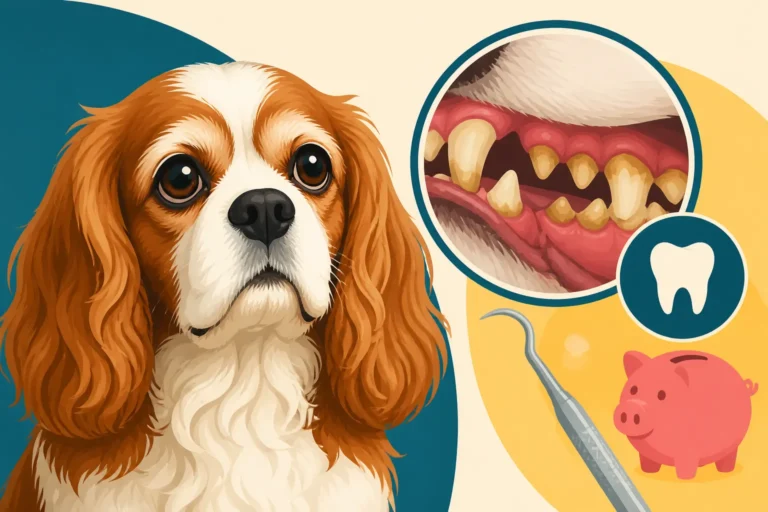
Take, for instance, Mitral Valve Disease (MVD), the prevalent heart condition that affects nearly all Cavaliers as they age. While it’s typically a disease of maturity, a small percentage of Cavaliers can develop a heart murmur, often the first sign of MVD, surprisingly early. Imagine you decide to wait until your Cavalier is a year old, only for your vet to detect a soft murmur at their annual check-up. Suddenly, that murmur, and any future costs related to Mitral Valve Disease in the Cavalier King Charles Spaniel or its progression, become pre-existing. This means your insurance likely won't cover them. The same principle applies to neurological conditions like Syringomyelia and Chiari Malformation in Cavaliers, where early signs might be subtle and easily missed until they're recorded in a vet's notes. Understanding Why a Cavalier Murmur Becomes Pre-Existing is key to making an informed decision.
Cavalier-Specific Health Concerns and Their Timeline
Cavaliers are unique in that some of their most significant health challenges, such as MVD and Syringomyelia (SM), can manifest at surprisingly young ages. It's not just "old dog problems" we're talking about here. While MVD usually progresses with age, The Age a Cavalier Murmur Usually Appears can sometimes be as early as one or two years old. Syringomyelia can also show symptoms, even if subtle, in younger dogs, with The Age Cavalier Syringomyelia Signs Begin often appearing between six months and five years of age.
If your Cavalier starts to exhibit signs like phantom scratching, yelping when picked up, or a change in sleep posture, and you haven't yet secured insurance, any subsequent diagnosis and treatment for SM could be deemed pre-existing. This is a common and heartbreaking scenario for many Cavalier owners. Proactive measures, including early insurance, can safeguard against these financially daunting, breed-specific issues. These aren't just minor ailments; they can require extensive diagnostics, specialized medications, and even surgery, all of which carry significant costs.
The Absolute Best Time to Insure Your Cavalier Puppy
Given the unique health profile of the Cavalier King Charles Spaniel, there's a clear consensus among veterinarians and experienced Cavalier owners about the optimal time to enroll in pet insurance: as early as possible.
As Young As Eight Weeks Old
Most pet insurance providers, including popular options like Healthy Paws and Chewy Pet Insurance, offer plans for puppies starting at around eight weeks of age. This period, shortly after you bring your new furry family member home, is the gold standard for enrollment. Why? Because at this tender age, it's highly unlikely your puppy will have any existing health conditions documented in their veterinary records. They are a blank slate, ensuring that when you enroll, nearly everything that arises in their future health journey will be covered, provided it's not a condition excluded by the policy terms or waiting periods.
Think about it: Your puppy's first vet check-up might be around 8-10 weeks. If you wait until after that first visit, and the vet notes anything unusual, even a minor ear infection or an umbilical hernia, those could technically become pre-existing conditions for future related claims if not resolved by the end of your policy’s waiting period. Enrolling your puppy as early as Insuring a Cavalier at Eight Weeks provides the broadest possible safety net.
Maximizing Coverage Before Symptoms Appear
The core benefit of early enrollment is maximizing the scope of your coverage. You're insuring your Cavalier before any potential health issues specific to the breed have a chance to show their face. This means that if, years down the line, your Cavalier develops MVD or SM, or even something less common like patellar luxation or dry eye, these conditions will be covered, provided you selected a comprehensive plan.
Consider the peace of mind this offers. Instead of agonizing over whether you can afford an expensive MRI for suspected syringomyelia, or the lifetime cost of heart medication, you can focus on getting your Cavalier the best possible care. It's not just about the big, breed-specific issues either. Puppies are prone to accidents and can get into all sorts of mischief – ingesting something they shouldn't, taking a tumble, or getting a paw injury. Having comprehensive coverage from the start means you're financially protected for these unexpected incidents too, alongside the breed-specific concerns.
The Risks of Delaying Pet Insurance Enrollment
While it might seem tempting to save a few dollars by delaying pet insurance enrollment, especially if your puppy seems perfectly healthy, the potential costs and heartbreak associated with waiting far outweigh any short-term savings. For Cavaliers, delays are particularly risky due to their predisposition to certain conditions.
When a Cavalier Murmur Becomes "Pre-Existing"
This is a scenario many Cavalier owners unfortunately encounter. A Cavalier King Charles Spaniel typically receives a "clean bill of health" as a puppy, only to develop a heart murmur later in life. If you waited to get insurance, even a year or two, and that murmur is detected before your policy is active and out of its waiting period, you're likely out of luck. The moment a vet records even a low-grade murmur, perhaps a What a Heart Murmur Grade Means in a Cavalier of Grade I, it establishes a pre-existing condition. This means any subsequent diagnostics, medications, or specialist visits related to the progression of How Cavalier Heart Disease Progresses Stage by Stage will not be covered by your insurance.
Imagine the frustration: you finally decide to get pet insurance, only to find that the primary health concern for your breed is now uninsurable. The annual cardiologist exams, echocardiograms, and eventual medications for MVD are among What Cavalier Heart Disease Costs to Treat. These costs can be substantial over a Cavalier's lifespan. This is why the advice often given, especially for a Cavalier, is that Why an Eight-Month-Old Cavalier Is Already Late for insurance enrollment because a murmur might already be present or emerge shortly thereafter.
Missing the Window for Other Cavalier Ailments
Beyond MVD and SM, Cavaliers can be prone to other issues like luxating patellas (loose kneecaps), certain eye conditions like Cavalier Eye Disease From Dry Eye to Cataracts, or even allergies. If your Cavalier shows any signs of lameness, unusual eye discharge, or chronic itching before you enroll in insurance, or during the waiting period, those issues can also be categorized as pre-existing conditions.
A hypothetical scenario: your playful Cavalier puppy has a slight skip in their gait now and then, which you dismiss as puppy clumsiness. A few months later, you decide to get insurance. At the first insured vet visit, the vet diagnoses Loose Kneecaps in a Thirteen-Pound Cavalier. Because evidence of the condition (the skipping) existed before your policy's effective date, future treatment for the luxating patella, potentially including surgery, may not be covered. The record of symptoms, not just a formal diagnosis, is what often matters to insurers. This emphasizes the comprehensive benefit of getting coverage for a healthy puppy and keeping it continuously.
Navigating Policy Choices and What to Look For
Once you understand when to insure your Cavalier, the next step is figuring out what kind of policy is best. Pet insurance isn't a one-size-fits-all product, and understanding the nuances will ensure you get the most comprehensive protection for your furry friend.
Understanding Annual Limits, Deductibles, and Reimbursement
When comparing pet insurance plans, you'll encounter a few key terms that determine your out-of-pocket costs:
- Annual Limit: This is the maximum amount your insurance provider will pay out in covered claims within a policy year. Some plans offer unlimited annual coverage, which can be invaluable for chronic conditions or major surgeries common in Cavaliers. Others have specific caps, such as $5,000 or $10,000. For a breed like the Cavalier, with potential for costly conditions like MVD and SM, a higher or unlimited Choosing an Annual Limit for a Cavalier can provide essential peace of mind.
- Deductible: This is the amount you pay out of pocket before your insurance coverage kicks in each year. Deductibles can range from a few hundred dollars to over a thousand. A higher deductible typically means a lower monthly premium, and vice-versa. When Setting a Deductible Against Cavalier Heart Bills, consider your budget for emergencies versus your desire for lower monthly costs.
- Reimbursement Level: This is the percentage of eligible vet bills that the insurance company will reimburse you after your deductible is met. Common reimbursement levels are 70%, 80%, or 90%. If your vet bill is $1,000 and your reimbursement is 80%, you'd get $800 back (after deductible). The remaining 10-30% is your co-pay.
Many providers like Healthy Paws offer clear breakdowns of these options, allowing you to tailor a plan that fits both your budget and your Cavalier's potential needs.
| Feature | Explanation | Impact for Cavaliers (Breed-Specific Considerations) |
|---|---|---|
| Annual Limit | Maximum amount insurer pays per year. | Crucial for high-cost chronic conditions like MVD, Syringomyelia, or unexpected emergencies. Aim for high or unlimited limits. |
| Deductible | Amount paid by owner before insurance kicks in (yearly or per incident). | Higher deductibles mean lower monthly premiums but more out-of-pocket for initial claims. Balance with your emergency fund capacity. |
| Reimbursement | Percentage of vet bill paid by insurer after deductible. | Aim for 80-90% to significantly reduce out-of-pocket expenses for ongoing treatments, which can add up quickly for heart or neurological conditions. |
| Waiting Periods | Time from enrollment until coverage for specific conditions begins. | Act fast! Enroll at 8 weeks to pass these periods before any potential murmur or SM symptoms appear. No coverage during this time. |
| Pre-existing | Conditions that appeared or were diagnosed before coverage. | The most critical factor. Early enrollment prevents common Cavalier issues from being labeled pre-existing. |
| Wellness Add-on | Covers routine care like vaccines, check-ups (optional). | Useful for predictable costs, but doesn't cover unexpected illnesses or accidents. Separate from illness/accident coverage. |
Comparing Accident-Only vs. Comprehensive Plans
When exploring options for What a Cavalier Policy Costs Monthly, you'll typically find two main types of plans:
- Accident-Only Plans: These policies are generally less expensive, but they only cover injuries resulting from accidents – think broken bones, cuts, or ingesting foreign objects. They do not cover illnesses, breed-specific conditions, or routine care. While better than nothing, for a Cavalier, an accident-only plan leaves massive gaps in coverage for their most likely and costly health challenges. It won't help with MVD, Syringomyelia, or chronic ear infections.
- Comprehensive Plans: These are the gold standard for Cavaliers. They cover accidents and illnesses, which includes chronic conditions, genetic predispositions, diagnostics, surgeries, and medications. This is where you get coverage for conditions like MVD, Syringomyelia, patellar luxation, allergies, and more, as long as they aren't pre-existing.
For a breed with the health susceptibilities of a Cavalier, a comprehensive plan is almost always the recommended choice. While it comes with a higher monthly premium, the long-term financial protection it offers against debilitating and expensive conditions is invaluable. Many Cavalier owners find that Whether Pet Insurance Is Worth It for a Cavalier becomes a resounding yes, especially when facing a diagnosis like Syringomyelia as a Pre-Existing Cavalier Condition if insurance was not in place early enough. When you consider the full picture, enrolling your Cavalier in a comprehensive pet insurance plan as early as possible is truly one of the best investments you can make in their long-term health and your own peace of mind.
Disclaimer
This article is for general informational purposes only and does not constitute professional advice. Laws, prices and regulations vary by location and change over time. Consult a qualified professional for guidance on your specific situation.