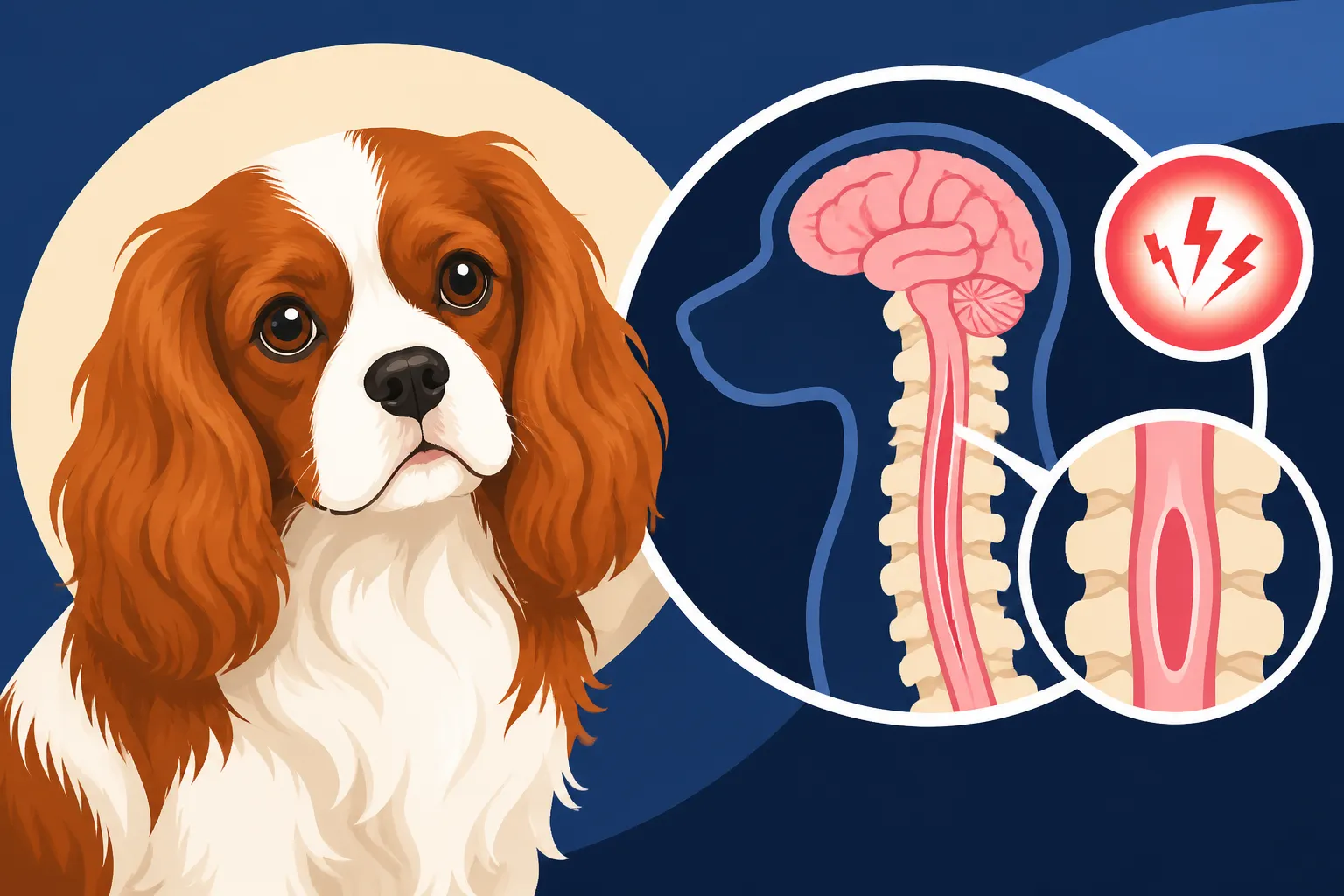
Syringomyelia as a Pre-Existing Cavalier Condition
Discovering that your beloved Cavalier King Charles Spaniel has Syringomyelia (SM) is devastating enough, but the financial worry that comes with it can feel overwhelming, especially when you start thinking about veterinary bills and pet insurance. One of the toughest realities many Cavalier owners face is the brutal truth about pre-existing conditions and how they impact what your pet insurance will cover. This guide aims to shed light on what a pre-existing condition truly means in the context of your Cavalier’s Syringomyelia diagnosis, helping you navigate the complexities of coverage and better understand your options.
Understanding Syringomyelia in Cavaliers and Diagnosis Realities
Syringomyelia, often abbreviated as SM, is a heartbreaking neurological condition that is distressingly common in Cavalier King Charles Spaniels. It’s caused by a malformation in the skull, known as Chiari-like malformation (CM), where the skull is essentially too small for the brain. This can lead to the brain being pushed down into the spinal canal, obstructing the flow of cerebrospinal fluid and causing fluid-filled cavities, or syrinxes, to form within the spinal cord. Imagine a constant pressure, a chronic headache, and nerve pain that can range from mild discomfort to excruciating agony for your sweet dog. It’s a truly awful condition, and many owners feel a deep sense of despair when they first learn their Cavalier might have it. For a deeper dive into the condition itself, you might find our article Syringomyelia and Chiari Malformation in Cavaliers helpful.
The signs of SM can be subtle at first, often beginning with behaviors like "air scratching" or a reluctance to be touched around the neck and shoulders. You might notice your Cavalier yelping when picked up, or perhaps they start sleeping with their head raised in an attempt to alleviate pressure. These early indicators are often dismissed or misattributed to other issues, which tragically delays diagnosis. Unfortunately, by the time many owners connect the dots, the condition may have progressed. This delay is particularly agonizing because of the implications for pet insurance.
The Definitive Diagnosis: The MRI Scan
The only way to definitively diagnose Syringomyelia is through a magnetic resonance imaging (MRI) scan of the brain and spinal cord. This isn't a simple x-ray; it’s a specialized procedure that requires your Cavalier to be under general anesthesia for a significant period. The MRI allows veterinarians, specifically neurologists, to visualize the brain and spinal cord in detail, identifying the Chiari malformation and any syrinxes that have formed. The cost of an MRI can be substantial, often running into the thousands of dollars, and it's a huge financial hurdle for many families. This is the first major expense associated with SM, and it’s one that often comes before any treatment can even begin. Our piece What a Cavalier MRI Scan Costs and Shows offers more insight into this crucial diagnostic step.
Beyond the initial MRI, a neurologist will assess the size and location of the syrinxes, as well as the extent of the Chiari malformation, to determine the severity and recommend a treatment plan. This plan might involve medication to manage pain and reduce fluid pressure, or in some severe cases, surgery. Understanding the cost of these follow-up consultations and potential treatments is vital for long-term planning, and these initial diagnostic costs can feel like a punch to the gut. The stress of managing a Cavalier with SM is immense, and the financial burden only adds to it.
The "Pre-Existing Condition" Dilemma
When we talk about pet insurance, the term "pre-existing condition" is perhaps the most crucial phrase to understand. It’s the reason many Cavalier owners find themselves in a bind, unable to get coverage for SM once their dog has shown symptoms or received a diagnosis. It’s a harsh reality that can leave you feeling frustrated and helpless, like the system is working against you when all you want to do is help your beloved pet.
What Qualifies as a Pre-Existing Condition?
A pre-existing condition, in the world of pet insurance, is generally defined as any illness or injury that your pet showed signs of, or was diagnosed with, before your insurance policy's waiting period ended. This isn't just about official diagnoses; it often includes any signs or symptoms observed by you or a vet, even if they weren't formally recognized as SM at the time. For example, if your Cavalier started air scratching or seemed sensitive to touch around their neck before you enrolled them in a policy and completed the waiting period, that could be deemed a pre-existing condition for SM, even if the MRI came much later. The exact definition can vary slightly between providers, but the core principle remains the same: if it was there (or showed signs of being there) before your policy was fully active, it's generally excluded.
This is where the insidious nature of SM becomes so challenging for owners. Its early signs can be subtle and easily missed, or they might be mistaken for normal "dog quirks" or minor aches. By the time you realize something serious is going on and get a definitive diagnosis through an MRI, it’s often too late to get insurance coverage for that specific condition. This can feel incredibly unfair, as you were doing your best to care for your dog, and now you’re penalized for a condition that is difficult to spot in its nascent stages.
The Impact of a Pre-Existing SM Diagnosis on Coverage
Once a condition like Syringomyelia is deemed pre-existing, it means that your pet insurance policy will not cover any future expenses related to that condition. This includes diagnostic tests, specialist consultations, medications like gabapentin for nerve pain, and even potential surgeries. Essentially, every bill associated with managing your Cavalier’s SM will come directly out of your pocket. This can quickly add up, turning an already emotional situation into a significant financial strain. Our article Medication for Cavalier Nerve Pain explores the types of treatments that would fall under this exclusion.
Consider a scenario: you notice your Cavalier occasionally 'air scratching' but think little of it. Months later, the scratching becomes more frequent, and your dog starts yelping in pain. You rush to the vet, get a referral for an MRI, and receive the devastating SM diagnosis. If you had pet insurance that you enrolled after those initial air scratches, or if the waiting period hadn't elapsed, the insurer could easily deny coverage for all SM-related costs, citing those early, seemingly innocuous symptoms as evidence of a pre-existing condition. This is why timing is absolutely everything when it comes to pet insurance for breeds prone to specific health issues.
Common Pet Insurance Stances on SM
Most pet insurance companies adhere strictly to their pre-existing condition clauses. They typically review your pet's veterinary history dating back several years when you file a claim, looking for any indication of symptoms or diagnoses related to the condition in question. If they find evidence that SM (or signs strongly indicative of it) existed before your policy's start date and waiting period, coverage will almost certainly be denied for that condition. Some policies might have specific exclusions for congenital or hereditary conditions, which SM, being hereditary in Cavaliers, could fall under, though this is distinct from a pre-existing condition due to prior symptoms.
While policies and specifics vary, providers like Healthy Paws, for instance, are clear about what constitutes a pre-existing condition in their terms. They, like most, define it broadly to include conditions that presented symptoms before coverage began. This emphasis on symptoms rather than just a formal diagnosis means that even vague signs in your Cavalier’s vet records can be used to deny a claim. This is not to say that pet insurance isn't valuable, but it underscores the critical importance of understanding policy details and enrolling early. For more general advice on coverage, reading up on Whether Insurance Pays for a Cavalier MRI might be useful, but remember that the pre-existing clause is paramount.
Navigating Insurance Options After an SM Diagnosis
If your Cavalier has already been diagnosed with Syringomyelia, or has shown definitive signs of it, the bad news is that obtaining comprehensive pet insurance coverage for SM-related costs through a new standard policy will be incredibly difficult, if not impossible. Most reputable insurers will consider it a pre-existing condition, and thus, uninsurable. It's a tough pill to swallow, and it's a frustration shared by countless Cavalier owners.
Is it Possible to Get Coverage After Diagnosis?
While a full-coverage accident and illness policy will likely exclude SM if it's already pre-existing, you might still have a few limited options. Some providers offer accident-only policies, which would cover injuries like a broken leg or an ingestion of a toxic substance, but would not help with any illness, including SM. These plans are less comprehensive but can provide a safety net for unexpected emergencies not related to your Cavalier's existing condition.
Another avenue could be wellness plans or routine care add-ons, which are separate from illness coverage. These plans typically cover things like annual check-ups, vaccinations, and sometimes even grooming or dental cleanings. While they won't pay for SM treatments, they can help offset the costs of general care, freeing up some funds for your Cavalier's specific needs. Companies like Chewy often offer a range of pet health products and sometimes partner with insurance providers, so it's worth exploring all their options to see if any wellness plans could indirectly ease your financial burden. However, these are not substitutes for comprehensive illness coverage.
The Importance of Early Enrollment
This section might sound like closing the barn door after the horse has bolted for those already facing an SM diagnosis, but it's crucial advice for any current or future Cavalier owner. The absolute best strategy to ensure coverage for conditions like Syringomyelia is to enroll your Cavalier in pet insurance when they are a young puppy, ideally before any symptoms of any condition appear. The younger and healthier your Cavalier is when you sign up, the better your chances of having SM, should it develop, covered. This means enrolling them as soon as you bring them home, usually around 8 weeks old.
By enrolling early, you get ahead of potential waiting periods and the onset of symptoms. Many hereditary conditions, including SM, don’t manifest until a Cavalier is a few years old. If you have a policy in place before these symptoms appear, the condition won't be considered pre-existing. This proactive approach is the single most effective way to protect yourself financially against the staggering costs associated with treating conditions like SM. It’s a bitter lesson for many, but one that can save immense heartache and financial stress for others.
Alternative Financial Planning and Support
If pet insurance isn't an option for your Cavalier’s pre-existing SM, all is not lost, but it does mean you’ll need a robust financial plan. Building an emergency fund specifically for your pet's medical needs is paramount. This can be a dedicated savings account where you regularly deposit funds. Even small, consistent contributions can grow into a significant buffer over time.
Beyond personal savings, consider researching breed-specific grants or assistance programs. Some Cavalier King Charles Spaniel rescue organizations or health foundations offer financial aid to owners facing severe health crises. These are often supported by donations and can provide a lifeline when you feel overwhelmed. Organizations like the AKC Canine Health Foundation sometimes fund research into these conditions, and while they don't directly assist individuals, their work contributes to better understanding and treatment options that could eventually impact costs.
Finally, don't underestimate the power of budgeting for ongoing care. Platforms like Ollie, known for their fresh dog food delivery, allow you to carefully manage one aspect of your dog's health through diet. While not directly covering SM, consistent high-quality nutrition is part of overall well-being, and managing regular costs efficiently can free up funds for medical expenses. Discussing potential payment plans with your veterinary neurologist or specialty clinic is also a viable option. Many practices understand the financial burden of chronic conditions and are willing to work with owners to make treatment more manageable. Living with a Cavalier that has Syringomyelia requires dedication, not just emotionally, but financially, and exploring every avenue for support is key.
Managing Costs Without Comprehensive Insurance
Facing significant veterinary bills for Syringomyelia without the aid of pet insurance can feel like an insurmountable mountain. However, many Cavalier owners successfully manage their dogs' conditions by employing smart strategies and leveraging available resources. It requires diligence, advocacy, and sometimes, a little creativity. Remember, you're not alone in this journey.
Strategic Approaches to Veterinary Care and Medication
One of the first steps is to have an open and honest conversation with your veterinary neurologist about treatment costs. Ask about all available options, including generic versions of medications like Gabapentin or carprofen (for pain relief). Sometimes, buying medications from online pharmacies like those often associated with Chewy, or through local human pharmacies, can be significantly cheaper than purchasing directly from your vet's office. Always ensure these sources are reputable and require a valid prescription. You might also ask if there are any less expensive diagnostic alternatives if follow-up MRIs are recommended, though for SM, the MRI is usually non-negotiable for diagnosis and monitoring. For pain management, our guide on Pain Relief for a Cavalier With Syringomyelia offers more detailed information on common medications and therapies.
Consider the long-term prognosis and discuss a treatment plan that aligns with your financial capabilities while prioritizing your Cavalier's quality of life. Sometimes, this means focusing on pain management and comfort rather than aggressive, potentially very expensive, surgical interventions, especially if the prognosis isn't significantly improved by surgery. Our article on Surgery for Cavalier Syringomyelia delves into the complexities of surgical options.
Leveraging Community and Professional Resources
Beyond financial planning, connecting with other Cavalier owners who are navigating SM can provide invaluable support and practical tips. Online forums, social media groups, and local breed clubs are often rich with shared experiences and advice on managing costs, finding specialists, and even understanding the nuances of certain treatments. These communities can also be a source of emotional support, which is just as important when dealing with a chronic condition.
Additionally, don't hesitate to ask your primary veterinarian about local resources or charitable organizations that might offer assistance for specific veterinary services. They often have knowledge of programs tailored to pet owners in need. While these resources may not cover all costs, every little bit helps in making your Cavalier's life as comfortable as possible. It's about being resourceful and advocating fiercely for your dog, much like how you might research every aspect of their health from their general Cavalier Lifespan and What Cuts It Short to specific conditions like SM.
It's clear that the path to managing Syringomyelia in your Cavalier can be fraught with financial challenges, especially when faced with the reality of pre-existing conditions. However, with careful planning, early action where possible, and a proactive approach to seeking out resources and support, you can still provide a loving, comfortable, and well-managed life for your cherished companion.
| Scenario | Insurance Enrollment | SM Symptoms Present? | SM Diagnosis? | Coverage for SM? | Typical Out-of-Pocket |
|---|---|---|---|---|---|
| Ideal Proactive | Puppyhood (8-16 weeks) | No | No | Yes | Deductible + Co-pay |
| Delayed Enrollment, No Symptoms | Young Adult (1-2 years) | No | No | Yes (after waiting period) | Deductible + Co-pay |
| Symptoms Before Enrollment | Any age | Yes | No | No | 100% |
| Diagnosis Before Enrollment | Any age | Yes | Yes | No | 100% |
| Symptoms During Waiting Period | Any age | Yes | No | No | 100% |
Disclaimer
This article is for general informational purposes only and does not constitute professional advice. Laws, prices and regulations vary by location and change over time. Consult a qualified professional for guidance on your specific situation.