Whether Insurance Pays for a Cavalier MRI
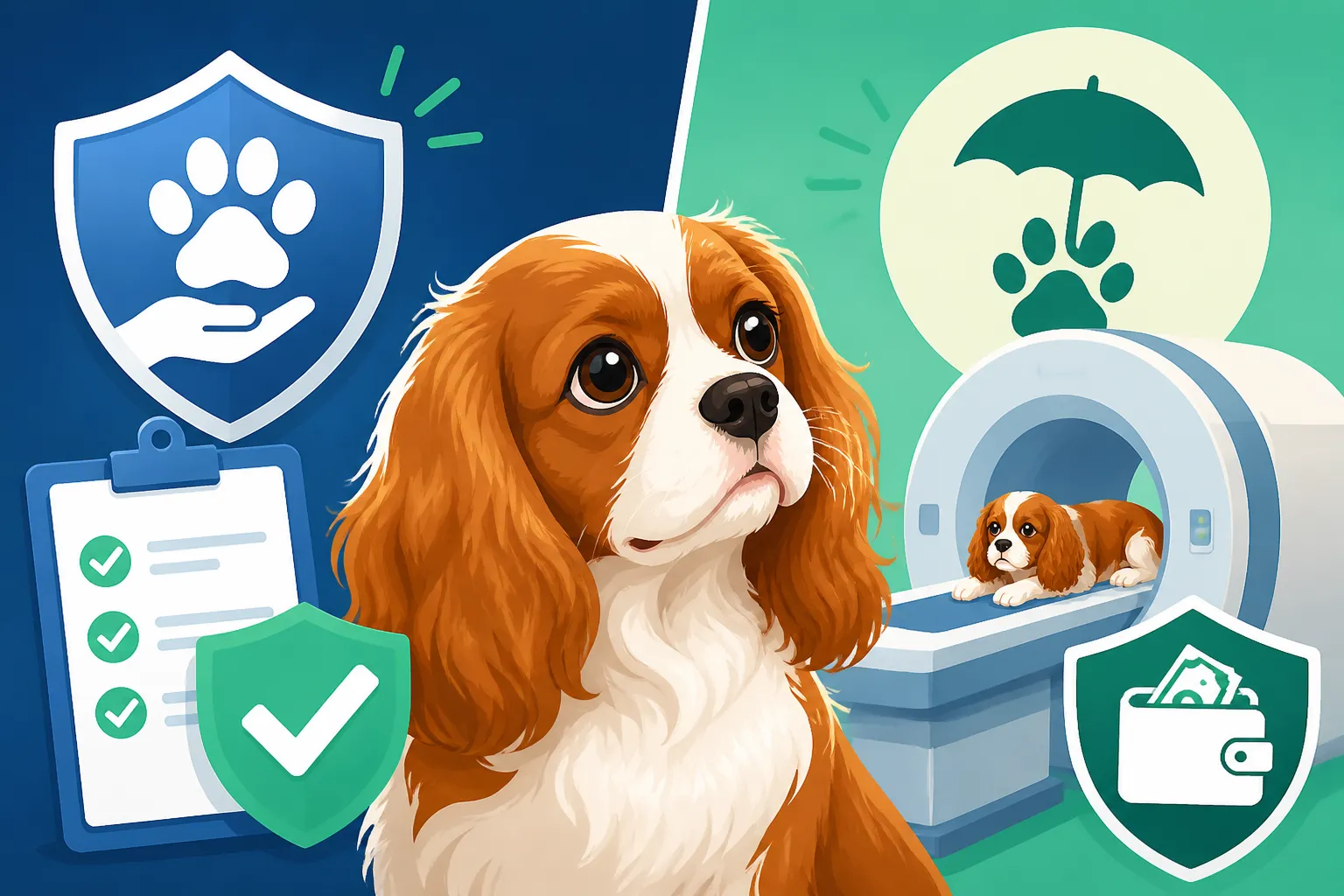
The thought of your sweet Cavalier King Charles Spaniel experiencing pain or a strange neurological symptom is enough to send any owner into a spiral of worry. When the vet mentions an MRI, it often comes with a hefty price tag, leaving many of us wondering if pet insurance, that monthly expense we've been paying, will actually step up and cover this vital, costly diagnostic tool. This guide will walk you through the often-confusing world of pet insurance and Cavalier MRIs, helping you understand what to expect and how to navigate these potentially overwhelming situations.
Understanding Cavalier MRIs and Why They're Needed
Bringing a Cavalier into your life means opening your heart to one of the most loving, gentle companions imaginable. It also means becoming acutely aware of certain health challenges common to the breed, particularly neurological conditions that can necessitate an MRI.
Why a Cavalier Might Need an MRI in the First Place
Cavaliers are, unfortunately, predisposed to several conditions that affect the brain and spinal cord, making an MRI a crucial diagnostic tool. The most well-known of these is Syringomyelia (SM), a condition where fluid-filled cavities (syrinxes) develop within the spinal cord due to a malformation of the skull (Chiari-like Malformation, or CM). Imagine your dog's brain being too big for its skull, squeezing vital structures and disrupting the normal flow of cerebrospinal fluid. This can lead to a host of debilitating symptoms.
You might notice your Cavalier suddenly engaging in "phantom scratching," where they scratch at the air near their shoulder or neck without actually making contact with their skin. They might yelp when picked up, especially around the neck or chest. Some Cavaliers develop an aversion to having their head touched, struggle with stairs, or start sleeping with their head raised. Others might show a change in gait, weakness, or even collapse. These signs are often subtle at first, evolving over time, and can be easily misinterpreted as allergies, ear infections, or just general stiffness. However, if your vet suspects a neurological issue, an MRI is the gold standard for diagnosis. It allows them to visualize the brain and spinal cord in incredible detail, confirming the presence of CM, SM, tumors, or other abnormalities. Syringomyelia and Chiari Malformation in Cavaliers delves deeper into these specific conditions.
The Cost Barrier of a Cavalier MRI
Let's be brutally honest: an MRI for your beloved Cavalier is expensive. It's often one of those bills that makes your jaw drop and your stomach churn. We're not talking about a routine vet visit here; this is highly specialized diagnostic imaging. The cost isn't just for the machine itself, which is a significant investment for any veterinary specialty clinic. It also covers the expertise of a veterinary neurologist or radiologist who interprets the complex images, the specialized staff who monitor your dog, and crucially, the general anesthesia required.
Cavaliers must be completely still for an MRI, which can take a considerable amount of time, making anesthesia a non-negotiable part of the process. Anesthesia comes with its own set of pre-operative tests, monitoring during the procedure, and recovery support. All these components add up, creating a bill that can easily stretch into the thousands of dollars. For many Cavalier owners, this unexpected expense can be a severe financial strain, sometimes forcing heartbreaking decisions about their pet's care. Understanding What an MRI Costs to Rule Out Cavalier Syringomyelia can help you prepare for this reality.
How Pet Insurance Typically Handles MRI Claims
Pet insurance is designed to help alleviate the financial burden of unexpected veterinary care, and an MRI certainly falls into that category. However, not all policies are created equal, and understanding the nuances of your coverage is crucial.
The Basics: Accident & Illness vs. Wellness Plans
When you're looking at pet insurance, you'll generally encounter two main types of plans: accident & illness plans and wellness plans. An MRI for a neurological condition, a suspected tumor, or an injury definitely falls under the "accident & illness" umbrella. These plans are designed to cover the big, unexpected veterinary bills that arise from illnesses, injuries, and often, diagnostic tests like MRIs, X-rays, and blood work, as well as surgeries and medications.
Wellness plans, on the other hand, are geared towards routine, preventative care. Think annual check-ups, vaccinations, flea and tick prevention, and sometimes dental cleanings. While valuable for managing regular costs, a wellness plan will absolutely not cover the expense of an MRI. It's vital to have a robust accident & illness policy in place if you want any chance of financial assistance for something as major as an MRI.
Deductibles, Reimbursement Rates, and Annual Limits
These three terms are the bedrock of any pet insurance policy and directly determine how much you'll pay out-of-pocket for an MRI.
- Deductible: This is the amount you pay first before your insurance company starts reimbursing you. It's like the deductible on your car insurance. If you have a $250 deductible, you'll pay the first $250 of eligible vet bills in a policy year, and then your insurance kicks in. Some policies have an annual deductible, while others have a per-incident deductible. An annual deductible is usually more favorable for chronic conditions or multiple issues in one year.
- Reimbursement Rate: After you meet your deductible, this is the percentage of the remaining eligible vet bill that your insurance company will pay back to you. Common reimbursement rates are 70%, 80%, or 90%. So, if your MRI bill is $3,000, your deductible is $250, and your reimbursement rate is 80%:
- You pay the $250 deductible first.
- The remaining eligible bill is $3,000 – $250 = $2,750.
- Your insurance pays 80% of $2,750, which is $2,200.
- You still pay the remaining 20% ($550) plus your deductible ($250), totaling $800 out of pocket.
This clearly illustrates how choosing a higher reimbursement rate can save you significant money on a costly procedure.
- Annual Limit: This is the maximum amount your insurance policy will pay out in a single policy year. Limits can range from a few thousand dollars to unlimited. Given the high cost of an MRI and potential follow-up care (medication, further diagnostics), a low annual limit can quickly be exhausted, leaving you on the hook for subsequent bills. For a Cavalier, with its predisposition to expensive conditions, a higher annual limit or even an unlimited plan is often a wise choice.
Waiting Periods: A Crucial Consideration
This is where many pet owners, especially those new to pet insurance, get caught off guard. Every pet insurance policy has waiting periods – a set amount of time you must wait after enrolling before certain conditions are covered.
- Accident Waiting Period: Typically short, often just a few days to two weeks. If your Cavalier gets hit by a car or breaks a leg after this period, the resulting MRI (if needed) would likely be covered.
- Illness Waiting Period: Longer, usually 14 to 30 days. This is the critical one for conditions like Syringomyelia or a suspected brain tumor. If your Cavalier starts showing neurological symptoms within this illness waiting period, or if the MRI is booked for a condition that began within this period, it will almost certainly be considered a pre-existing condition and denied.
- Orthopedic Waiting Period: Some insurers have specific, even longer waiting periods for orthopedic conditions like patellar luxation or hip dysplasia, sometimes up to six months or a year. While an MRI for these might be less common, it’s worth being aware of.
The key takeaway here is that pet insurance is meant for unexpected future events. You cannot buy insurance when your house is already on fire, and you cannot buy it when your dog is already showing symptoms.
The "Pre-Existing Condition" Elephant in the Room for Cavaliers
This is perhaps the biggest hurdle for Cavalier owners seeking MRI coverage, especially if they didn't enroll their pet early. The term "pre-existing condition" is a major source of frustration and denial for many.
Defining a Pre-Existing Condition in the Context of an MRI
A pre-existing condition, in pet insurance terms, is any illness, injury, or symptom that showed up or was diagnosed before your policy's start date or during its waiting periods. The tricky part is that it doesn't even need to have been formally diagnosed by a vet for it to be considered pre-existing. If your vet notes "intermittent neck scratching" in your Cavalier's chart a month before you bought a policy, and then six months later you seek an MRI for suspected Syringomyelia, the insurer might review those prior records and deem it pre-existing. This is a common pitfall.
It's not just about the exact diagnosis; it's about any signs or symptoms that could reasonably be related to the condition later diagnosed. For Cavaliers, with their predisposition to certain chronic issues, this can be incredibly challenging.
The Challenge with Cavalier Syringomyelia and CM
Syringomyelia and Chiari-like Malformation are particularly difficult when it comes to pre-existing condition clauses. The early signs of these neurological issues can be incredibly subtle and easily missed or dismissed. A Cavalier might have Air Scratching as a Cavalier's First Warning Sign for months or even years before more severe pain or neurological deficits become apparent. Owners might think their dog is just itchy or dreaming. However, if any of these subtle symptoms were noted in a vet record before your insurance policy kicked in and cleared its waiting periods, the MRI to diagnose SM could be denied.
Imagine this scenario: Your Cavalier, Charlie, has been doing a bit of "air scratching" on and off for a year. You mention it to your vet during a routine check-up, who notes "owner reports occasional scratching at air, no dermatological lesions." A few months later, Charlie starts yelping when picked up and showing definite neck pain. Your vet recommends an MRI. When you file a claim, the insurance company requests all previous vet records. They see that note about air scratching, deem it an early symptom of SM (even though you didn't know it at the time), and deny the MRI coverage because the "symptoms began prior to policy inception." This is a heartbreaking reality for many. Syringomyelia as a Pre-Existing Cavalier Condition is a difficult topic that many owners face.
How Insurers Investigate Medical History
Pet insurance companies are thorough. When you submit a claim for an expensive diagnostic like an MRI, especially for a condition known to be prevalent in a breed like the Cavalier, they will almost always request your pet's complete veterinary medical history. This means they will look at records from any vet clinic your Cavalier has visited, sometimes going back several years.
They're looking for any mention of symptoms, even vague ones, that could be construed as an indication of the condition for which the MRI is being performed. This detailed review helps them determine if the condition is truly "new" or if it falls under their pre-existing clause. This forensic approach underscores why it's so important to be proactive with insurance rather than reactive.
Maximizing Your Chances of Coverage (Or Minimizing the Blow)
Given the complexities, how can you best position yourself to have an MRI covered, or at least soften the financial impact if it's not?
Insuring Early: The Golden Rule for Cavaliers
This is the single most important piece of advice for any Cavalier owner. Enroll your Cavalier in a comprehensive pet insurance policy as early as possible, ideally as a young puppy, before any potential health issues or symptoms arise. This means before a heart murmur is detected, before any subtle scratching or gait changes begin, and before any joint issues are noticed. The younger and healthier your Cavalier is when you enroll, the less likely any future condition will be deemed pre-existing.
If you bring home an eight-week-old puppy, that is the ideal time to get coverage. Waiting even a few months can make a difference. Many Cavaliers develop a heart murmur by age five, and if you wait to enroll until a murmur is detected, any subsequent cardiac care will likely be excluded. The same principle applies to neurological conditions. The moment you notice any odd behavior, even minor, it's already too late for that specific issue to be covered if you don't have insurance in place. Read more about Insuring a Cavalier at Eight Weeks to understand the benefits.
Choosing the Right Policy for a Cavalier
Not all policies offer the same level of protection. When selecting pet insurance for your Cavalier, consider the following:
- Comprehensive Accident & Illness Coverage: Ensure the policy covers a wide range of illnesses, hereditary and congenital conditions (which SM often is), and diagnostics.
- High Reimbursement Rate: Aim for 80% or 90% if your budget allows. This significantly reduces your out-of-pocket expenses for high-cost treatments.
- Generous or Unlimited Annual Limit: Cavaliers can be expensive to treat for their breed-specific conditions. An MRI is just one part of the puzzle; there might be medication, follow-up diagnostics, or even surgery. A high annual limit ensures you don't hit the ceiling too quickly.
- Review Neurological Coverage: Some policies might have specific clauses or limits around neurological conditions. Make sure these are clearly understood.
- Research Providers: Look for providers known for good customer service and clear policies. Brands like Healthy Paws are often discussed for their comprehensive coverage options. When comparing plans, review customer reviews specifically from owners of predisposed breeds to see how claims for conditions like SM are handled.
Regular Vet Visits and Documentation
Maintaining a consistent history of regular veterinary check-ups for your Cavalier is beneficial in two ways. Firstly, it keeps your dog healthy and allows for early detection of any issues. Secondly, and critically for insurance, it provides a clear, documented timeline of your dog's health.
Ensure your vet notes everything during exams, even if it seems minor. If your dog has never shown a particular symptom, having a clear record of "no neurological deficits noted" or "no phantom scratching observed" can be helpful down the line if an issue develops. Conversely, if something is noted, you want to address it with your vet and document those discussions. Good documentation can sometimes provide a clearer picture for an insurer, potentially helping your case if a condition is genuinely new.
Understanding Policy Wording
This isn't the most exciting part of pet ownership, but it's essential. Take the time to read the fine print of your pet insurance policy, especially sections on:
- Pre-existing conditions: Understand their definition and what constitutes a "symptom" or "manifestation."
- Hereditary and congenital conditions: Most reputable policies cover these, but confirm. Many Cavalier conditions fall into these categories.
- Neurological conditions: See if there are any specific exclusions or limitations.
If anything is unclear, call the insurance provider directly and ask for clarification. Get their answers in writing if possible. Knowledge is power, especially when facing a potentially huge vet bill.
Alternatives and Support When Insurance Falls Short
Even with the best intentions and the most comprehensive policy, there's always a chance that an MRI might not be fully covered due to pre-existing clauses or simply exceeding your policy's limits. It's important to have a backup plan.
Payment Plans and Veterinary Financing
Many veterinary specialty clinics understand the financial strain of advanced diagnostics and treatments. They often offer internal payment plans or work with third-party financing options like CareCredit. These options allow you to break down a large bill into more manageable monthly payments, often with low or no interest for an introductory period. It's always worth asking your veterinary office about these possibilities before panicking about a lump sum payment.
Breed-Specific and General Assistance Programs
There are various charitable organizations and non-profits dedicated to helping pet owners with veterinary costs. Some are breed-specific, focusing on Cavaliers and their unique health issues, while others are general pet assistance programs.
- Breed Rescues: Many Cavalier rescue organizations, even if you didn't adopt from them, sometimes have funds or can point you towards resources for owners of Cavaliers with specific health needs.
- National Programs: Organizations like The Pet Fund, RedRover, or specialized funds for specific diseases (e.g., related to cancer treatment, which might involve an MRI) can offer grants or financial aid to eligible owners. While competitive, they are worth exploring.
- Crowdfunding: Platforms like GoFundMe can be a way to rally support from friends, family, and compassionate strangers to help cover significant veterinary costs.
These programs often have specific eligibility requirements and application processes, so research is key.
Saving and Budgeting for Future Care
Ultimately, one of the most reliable ways to prepare for potential high-cost veterinary care, including MRIs, is to have a dedicated emergency fund. Even if you have pet insurance, you'll still be responsible for your deductible and your reimbursement percentage. For a $3,000 MRI, that could still be several hundred dollars out-of-pocket, not to mention any follow-up medication costs.
Consider setting aside a small amount each month into a separate savings account specifically for your pet's health. This "rainy day" fund can cover deductibles, unexpected gaps in insurance coverage, or even conditions that insurance won't touch. While brands like Chewy and Ollie are fantastic for routine supplies and nutritious food, budgeting for medical emergencies is a different ballgame. It's about proactive financial planning for the long haul. Remember, The Emergency Fund a Cavalier Owner Needs can make all the difference when a crisis hits.
Summary of MRI Coverage Scenarios
To help illustrate the impact of different insurance variables, here's a hypothetical look at how an MRI might be covered:
| Scenario | Insurance Enrollment | Pre-Existing Condition | Deductible (Annual) | Reimbursement | Annual Limit | Out-of-Pocket for $3,000 MRI (approx.) |
|---|---|---|---|---|---|---|
| Ideal Coverage | Puppy (8 wks) | No | $250 | 90% | Unlimited | ~$525 |
| Good Coverage, Higher Out-of-Pocket | Puppy (8 wks) | No | $500 | 80% | $10,000 | ~$1,000 |
| Late Enrollment, Pre-existing Symptoms | Adult (2 yrs) | Yes (prior symptoms) | N/A | 0% | N/A | $3,000 (Full Cost) |
| Met Deductible Elsewhere | Puppy (8 wks) | No | $0 (already met) | 90% | Unlimited | ~$300 |
| Moderate Coverage | Young Adult (1 yr) | No | $250 | 70% | $5,000 | ~$975 |
Note: These are simplified examples. Actual costs will vary based on policy details, vet fees, and specific circumstances.
Getting an MRI for your Cavalier can be a daunting prospect, both emotionally and financially. While pet insurance can be a lifesaver, it's not a magic bullet. Understanding how policies work, especially regarding pre-existing conditions, is vital. The best strategy is always proactive: insure your Cavalier early, choose a comprehensive policy, and diligently track their health. This approach will give you the best chance of providing your beloved companion with the care they need without facing insurmountable financial stress.
Disclaimer
This article is for general informational purposes only and does not constitute professional advice. Laws, prices and regulations vary by location and change over time. Consult a qualified professional for guidance on your specific situation.