What an MRI Costs to Rule Out Cavalier Syringomyelia
It’s a truly frightening moment when your beloved Cavalier starts showing unusual symptoms – perhaps a new sensitivity to touch, a strange scratching motion in the air, or a yelp when they used to love being picked up. The worry is immediate, and often, one of the first things that comes to mind is the dreaded Syringomyelia. Getting a definitive diagnosis is crucial for their comfort and your peace of mind, and that almost always means an MRI, which naturally leads to questions about the cost. This guide will walk you through what to expect financially when you're facing a potential Syringomyelia diagnosis for your Cavalier.
The Initial Suspicions and Why an MRI Becomes Essential
When your Cavalier King Charles Spaniel starts exhibiting odd behaviors or signs of discomfort, your mind naturally races to potential causes. With Cavaliers, a breed known for certain genetic predispositions, Syringomyelia (SM) is often high on the list of concerns. The path to understanding what's truly going on, and how much it might cost, often begins with these initial, worrying observations.
Recognizing the Subtle Signs of Syringomyelia
Cavaliers are masters of disguise when it comes to pain, making early detection of Syringomyelia incredibly challenging. You might notice what we affectionately call "phantom scratching," where your dog scratches at their shoulder or neck but doesn't actually make contact with their skin. It looks like they're trying to relieve an itch that isn't there, or perhaps the sensation of scratching itself is part of the problem. Other subtle signs can include a sudden reluctance to jump on the sofa, a change in their sleeping position (perhaps always with their head raised, or avoiding certain positions), or an unexpected sensitivity around their neck and shoulders. Sometimes, they might even yelp out of the blue when you try to pick them up, even if you’re being gentle. These aren’t always obvious red flags, and it's easy to dismiss them as an age-related ache or a slight muscle strain.
What makes it even more frustrating is that these symptoms can mimic other conditions. An ear infection, for example, can cause head shaking and discomfort that might be confused with neck pain. Arthritis can lead to reluctance to move. It’s a truly bewildering situation for any owner trying to figure out if their sweet companion is truly hurting and, if so, why. Unfortunately, standard vet visits, bloodwork, or even X-rays won't definitively diagnose Syringomyelia. These tests can rule out other issues, which is helpful, but they can't show the fluid-filled cavities (syrinxes) in the spinal cord that are the hallmark of SM. For that, you need a specialized imaging technique. Air Scratching as a Cavalier's First Warning Sign can be a subtle but significant indicator.
The Importance of a Definitive Diagnosis
The uncertainty itself is a heavy burden. You want to help your Cavalier, but without knowing the precise problem, providing effective treatment feels impossible. A definitive diagnosis of Syringomyelia through an MRI scan is absolutely critical. It allows your veterinary neurologist to visualize your Cavalier's brain and spinal cord, specifically looking for Syringomyelia and Chiari Malformation in Cavaliers – the structural issue in the skull that often leads to SM. The MRI will show the presence, size, and location of any syrinxes, giving your vet the crucial information needed to formulate an appropriate treatment plan.
Without this clarity, you're essentially guessing. You might try pain medications that aren't quite right for nerve pain, or spend money on therapies that don't address the underlying issue. A precise diagnosis not only guides treatment but also offers you, the owner, a clearer understanding of your dog's condition and prognosis. It helps you manage expectations and prepare for the road ahead. Knowing what you're dealing with, even if it's a difficult diagnosis, is always better than navigating a sea of unknowns. It allows you to move from worried speculation to informed action for your beloved pet.
Breaking Down the Costs of a Cavalier MRI
When your vet first suggests an MRI, the word "cost" immediately looms large in your mind, and for good reason. An MRI for a Cavalier King Charles Spaniel to diagnose Syringomyelia is a significant financial undertaking, but understanding what goes into that overall figure can help you prepare. This isn't just about the machine itself; it's a complex medical procedure involving a team of specialists and advanced equipment.
The Base Cost of the MRI Scan Itself
The core of the expense is the magnetic resonance imaging scan itself. This isn't a quick in-and-out procedure. Your Cavalier will need to be under general anesthesia for the duration of the scan to ensure they remain perfectly still, allowing for clear, diagnostic images. This means you're not just paying for the time the machine is running; you're also covering the expertise of a veterinary anesthesiologist or a highly trained veterinary technician dedicated to monitoring your dog's vital signs throughout the anesthesia and recovery. The facility where the MRI is performed also plays a huge role in the price. Specialty veterinary hospitals, particularly those affiliated with university veterinary schools, often have state-of-the-art equipment and a roster of board-certified neurologists who specialize in conditions like Syringomyelia. These facilities might have higher overheads compared to a smaller, private veterinary referral center, though both will represent a significant investment.
The geographic location can also impact pricing. Expect costs to be at the higher end in major metropolitan areas or regions with a high cost of living, compared to more rural settings where competition might be lower, or overheads are less. Remember, the cost reflects the highly specialized equipment, the trained personnel, and the intricate process required to safely and effectively perform the scan and interpret the results. It's truly a marvel of modern veterinary medicine, but that expertise comes with a price tag. What a Cavalier MRI Scan Costs and Shows goes into more detail about the procedure.
Associated Fees Beyond the Scan
The actual MRI machine time is only one part of the total bill. There are several associated fees that will contribute to the overall cost of ruling out Syringomyelia in your Cavalier. Before any anesthesia can be administered, your Cavalier will undergo pre-anesthetic bloodwork. This is crucial to ensure their organs, especially the liver and kidneys, are functioning properly and can safely metabolize the anesthetic drugs. Your vet might also recommend chest X-rays to check lung and heart health, particularly important for Cavaliers who are prone to heart conditions. A consultation with the veterinary neurologist is also an integral part of the process, both before the scan to discuss your Cavalier's symptoms and after to interpret the findings and discuss treatment options. This specialized consultation has its own fee, reflecting the advanced training and experience of a board-certified neurologist.
During and after the MRI, your Cavalier will require vigilant monitoring as they recover from anesthesia. This post-procedure care might include an overnight stay, especially if the procedure is late in the day or if your dog has any underlying health concerns, such as a heart murmur, that increase Anesthesia Risk in a Cavalier With a Murmur. All of these elements — from pre-operative tests and specialist consultations to the actual anesthesia, monitoring, and recovery care — are essential to ensure the safety and success of the MRI process. It’s a holistic approach to your pet’s well-being, and each component adds to the comprehensive cost. Once a diagnosis is made, there may be immediate needs for pain management, like starting Gabapentin for a Cavalier With Neck Pain, which would be an additional expense.
Navigating the Financial Burden and Finding Support
Facing the potential for a Syringomyelia diagnosis is incredibly stressful, and the financial aspect can add a huge layer of anxiety. It's natural to feel overwhelmed, but there are ways to approach these costs and lighten the load. Knowing your options can make a significant difference in being able to provide your Cavalier with the care they need.
The Role of Pet Insurance in Covering MRI Costs
Pet insurance can be an absolute lifesaver when it comes to high-cost diagnostics like an MRI for Syringomyelia. However, the key is usually having the policy in place before any symptoms begin or a diagnosis is made. Most pet insurance policies consider conditions like Syringomyelia a "pre-existing condition" if signs were noted or a diagnosis occurred before your coverage started or during the waiting period. If your Cavalier has already shown symptoms like phantom scratching or neck pain, or if your vet has noted concerns, it's very likely that any subsequent SM diagnosis and related treatments would not be covered. This is why many experienced Cavalier owners stress the importance of insuring puppies as early as possible.
If you have a policy, say with a provider like Healthy Paws, and your Cavalier developed SM after enrollment and waiting periods, your insurance could potentially cover a significant portion of the MRI cost. You'd typically pay your deductible first, and then the insurer would reimburse you for a percentage of the remaining bill (often 70-90%). Understanding your policy's annual limits and reimbursement rates is crucial. While insurance is fantastic for unforeseen accidents and illnesses, it's essential to check the fine print regarding neurological conditions and pre-existing clauses. Whether Insurance Pays for a Cavalier MRI is a common question, and the answer often depends on timing.
Exploring Other Financial Assistance Options
If pet insurance isn't an option or doesn't cover your Cavalier's MRI, don't despair. Many veterinary specialty hospitals understand the financial strain and may offer payment plans, allowing you to pay the total cost over several months. It's always worth asking about this upfront. Another common option is applying for a veterinary credit card, like CareCredit, which often offers deferred interest plans if the balance is paid within a certain timeframe. This can provide immediate access to funds when you need them most.
Beyond these direct financial tools, breed-specific rescue groups or foundations dedicated to Cavalier King Charles Spaniel health might offer grants or assistance for diagnostic procedures for Syringomyelia. Researching these organizations in your area or nationally could uncover valuable resources. Some owners also find that by saving money on other recurring pet expenses through retailers like Chewy or by optimizing their pet's diet with services like Ollie, they can free up funds for unexpected medical bills. Ultimately, having an emergency fund specifically for pet care is one of the best ways to prepare for the unexpected. When faced with the critical need for an MRI for your Cavalier, it’s about piecing together various financial solutions to ensure your beloved companion gets the diagnosis they deserve.
What an MRI Report Reveals and Next Steps
The waiting period after your Cavalier's MRI scan can feel like an eternity. You've made a significant investment, both emotionally and financially, and the anticipation for answers is intense. Once the results are in, understanding what the MRI report tells you, and what comes next, is paramount for your Cavalier's future well-being.
Understanding the MRI Results for Syringomyelia
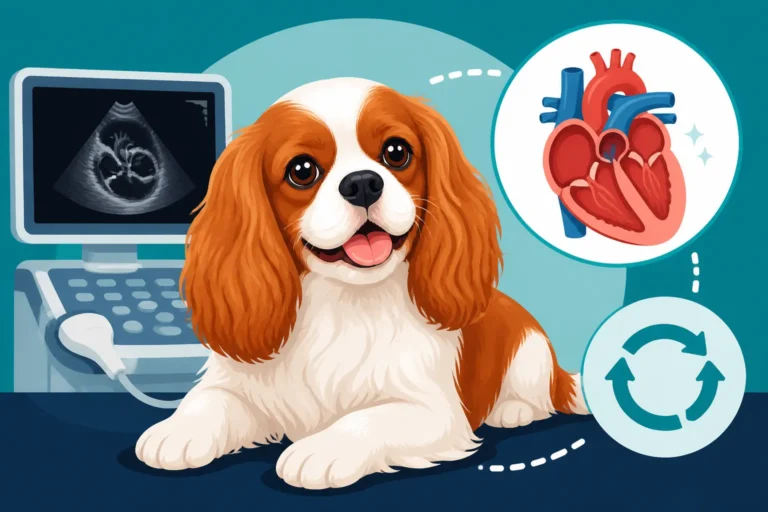
When the veterinary neurologist reviews the MRI images, they are looking for specific indicators of Chiari-like Malformation (CM) and Syringomyelia (SM). CM is a malformation where the back part of the brain (the cerebellum) pushes into or through the opening at the base of the skull (foramen magnum), impacting the flow of cerebrospinal fluid (CSF). This abnormal CSF flow can then lead to the formation of syrinxes – fluid-filled cavities – within the spinal cord itself, which is Syringomyelia.
The MRI report will typically detail the degree of Chiari-like Malformation, if present, and describe any syrinxes found. This includes their size, location (e.g., cervical, thoracic spine), and whether they are communicating (connected) or non-communicating. The size and location of the syrinxes are incredibly important, as larger or strategically located syrinxes are more likely to cause clinical signs of pain or neurological deficits. However, it's crucial to remember that not every Cavalier with syrinxes on an MRI will show clinical signs of pain. Some dogs live comfortably with mild forms of SM, while others with seemingly smaller syrinxes can be in immense discomfort. The neurologist will interpret these findings in conjunction with your Cavalier's observed symptoms to determine the best course of action. Syrinx Width and Cavalier Pain Levels explores this complex relationship.
Treatment Options Following an SM Diagnosis
Once an MRI confirms Syringomyelia, your neurologist will discuss a tailored treatment plan for your Cavalier. This plan is highly individualized and depends on the severity of the clinical signs, the size and location of the syrinxes, and your Cavalier's overall health.
Medical Management: This is often the first line of defense for Cavaliers showing signs of pain or discomfort. It typically involves a combination of medications aimed at reducing pain, inflammation, and sometimes reducing CSF production to alleviate pressure. Common medications include non-steroidal anti-inflammatory drugs (NSAIDs), gabapentin for neuropathic pain, and sometimes corticosteroids or diuretics. Pain Relief for a Cavalier With Syringomyelia and Drugs That Reduce Fluid Pressure in a Cavalier offer more in-depth information on these options.
Surgical Intervention: For some Cavaliers, especially those with severe pain unresponsive to medication or with progressive neurological deficits, surgical decompression may be considered. This involves creating more space around the brainstem and spinal cord to improve CSF flow. This is a highly specialized and expensive procedure, and Whether Decompression Surgery Helps a Cavalier is a serious question to discuss thoroughly with your veterinary team, weighing the risks and potential benefits.
Lifestyle Modifications: Regardless of medical or surgical treatment, lifestyle adjustments are often recommended to improve your Cavalier's comfort and quality of life. This can include using a harness instead of a collar to avoid neck pressure, providing raised food and water bowls, adjusting sleeping arrangements, and avoiding activities that exacerbate pain. Creating a comfortable and safe environment for your Cavalier is key to Living With a Cavalier That Has Syringomyelia.
The MRI is merely the first, albeit most critical, step. It transforms uncertainty into understanding, empowering you and your veterinary team to make informed decisions and provide the best possible care for your cherished Cavalier.
| Factor | Influence on MRI Cost | Explanation |
|---|---|---|
| Geographic Location | High Variation | Major metropolitan areas typically have higher costs than rural areas due to overheads and demand. |
| Facility Type | High Variation | University veterinary hospitals and large specialty referral centers often charge more due to advanced equipment and specialist staff compared to smaller clinics. |
| Neurologist Consultation | Moderate | Separate fees for initial and follow-up consultations with a board-certified neurologist are common. |
| Anesthesia & Monitoring | Moderate | Includes sedative drugs, gas anesthesia, and continuous monitoring by a technician or anesthesiologist. |
| Pre-Anesthetic Testing | Moderate | Bloodwork, and potentially chest X-rays or ECGs, required to ensure safe anesthesia. |
| Overnight Stay/Observation | Variable | Depending on recovery needs or if the procedure is late in the day, an overnight stay might be recommended. |
| Syrinx Size/Complexity | Minimal Direct | The size of the syrinx itself doesn't typically alter the MRI scan cost, but complex cases might require longer scan times or more intricate interpretation. |
| Emergency vs. Scheduled | Minimal | Most SM MRIs are scheduled, but emergency scans (e.g., acute severe pain) might incur emergency fees. |
Disclaimer
This article is for general informational purposes only and does not constitute professional advice. Laws, prices and regulations vary by location and change over time. Consult a qualified professional for guidance on your specific situation.