Brushes and Combs a Cavalier Coat Needs
One of the biggest joys of sharing your life with a Cavalier King Charles Spaniel is running your fingers through that gorgeous, silky coat. But let's be honest, that luxurious feathering can quickly become a tangled mess, turning your sweet companion into a walking mat factory if you don't have the right tools. Many new Cavalier parents feel overwhelmed by the sheer variety of brushes and combs out there, wondering which ones are truly necessary to keep their beloved dog looking pristine and feeling comfortable. This comprehensive guide is here to demystify the world of Cavalier grooming tools, explaining exactly what brushes and combs your furry friend needs to maintain their beautiful, low-shedding coat.
Understanding Your Cavalier's Unique Coat
Before we dive into the specific tools, it’s really helpful to understand the Cavalier coat itself. Unlike many double-coated breeds with a dense, woolly undercoat, Cavaliers typically have a single coat. This coat is described as moderately long, silky, and free from curl, though a slight wave is permissible. The real signature of the Cavalier's beauty lies in its abundant feathering on the ears, chest, legs, and tail. This feathering is what often causes the most grief if not properly maintained.
The absence of a thick undercoat means that while Cavaliers do shed, it’s generally less dramatic than breeds like Golden Retrievers or Huskies. However, what they lack in shedding volume, they make up for in matting potential. That fine, silky hair loves to knot, especially behind the ears, in the armpits, and around the "culottes" on their hind legs. These mats aren't just unsightly; they can be incredibly painful for your dog, pulling at their skin and, if left unchecked, leading to skin infections. This unique coat structure is why a "one size fits all" approach to grooming tools just doesn't work for our little spaniels.
Recognizing the specific challenges of your Cavalier's coat—its length, silkiness, and propensity for matting in high-friction areas—is the first step towards successful grooming. Without the right brushes and combs, you'll find yourself fighting an uphill battle against tangles and ultimately, causing discomfort for your beloved companion. It’s not just about aesthetics; it’s about their comfort and health. Taking the time to understand these nuances will save you a lot of frustration and your Cavalier a lot of discomfort in the long run.
The Essential Brushes for Daily and Weekly Care
When it comes to brushing a Cavalier, you're looking for tools that can gently but effectively get through that silky coat, removing loose hair and preventing mats without damaging the delicate strands or scratching their sensitive skin. Two types of brushes stand out as absolute essentials for regular maintenance: the slicker brush and the pin brush.
The Gentle Power of the Slicker Brush
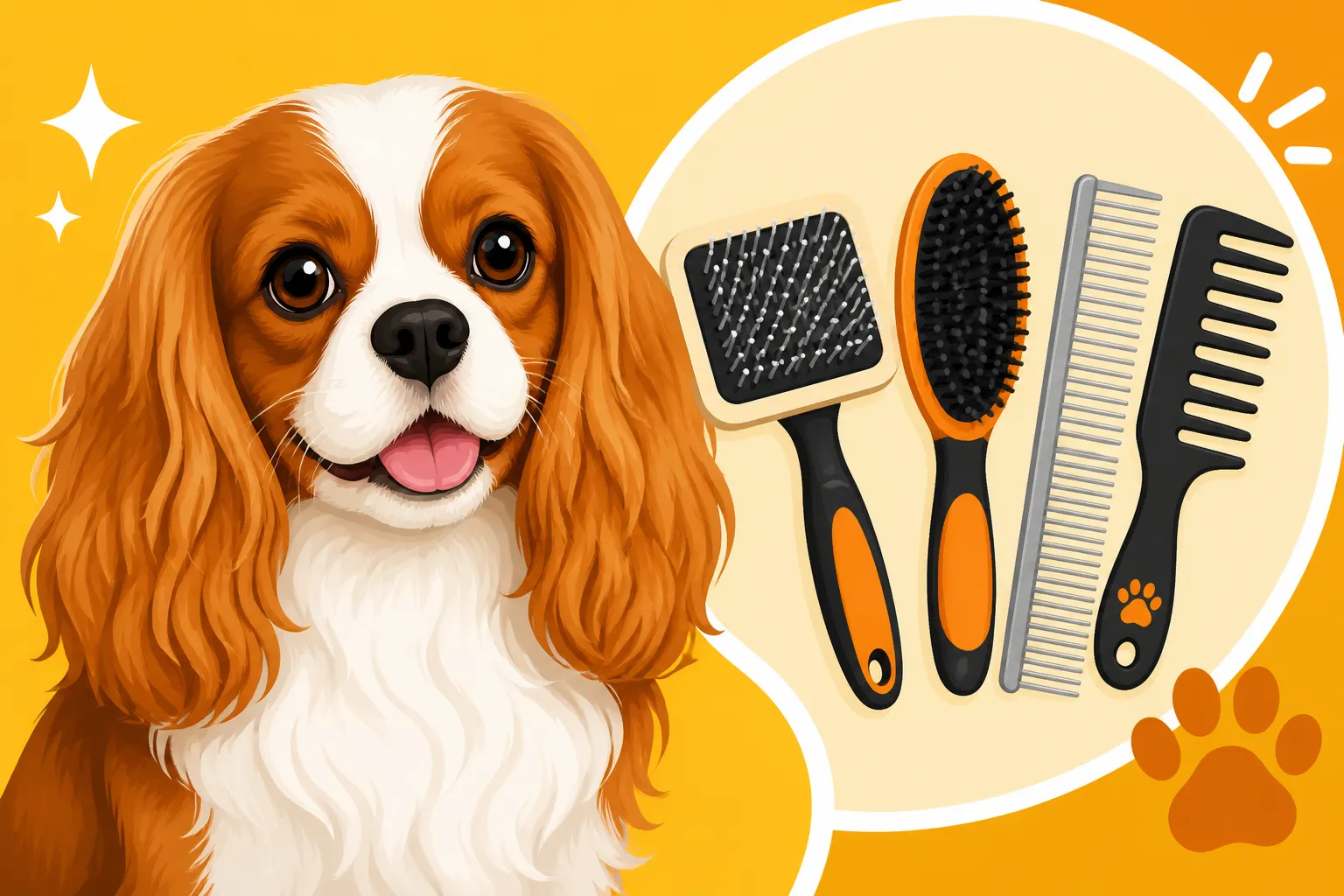
A good quality slicker brush is often your first line of defense against mats and loose hair. These brushes typically have fine, short wires packed closely together on a flat or curved surface. When choosing one for your Cavalier, look for one with coated tips or very soft wires to prevent skin irritation. The purpose of a slicker brush is to reach down to the skin, lifting loose undercoat (even a Cavalier’s single coat can have some finer, shed hairs that mimic an undercoat for matting purposes) and gently untangling minor knots.
Imagine your Cavalier has just had a romp in the yard, or perhaps spent a cozy afternoon on the sofa, and their feathering is starting to look a bit disheveled. This is where the slicker brush shines. You'll want to use it with a very light hand, especially on sensitive areas like the armpits and behind the ears, working in small sections. Many owners are surprised by How Often a Cavalier Needs Brushing, but even a few minutes daily with a slicker can make a huge difference in preventing those stubborn mats from forming. When using it, always brush away from the skin, not directly into it, to avoid "brush burn." A good slicker brush is instrumental in preventing tangles from developing into full-blown mats in areas like the armpits and groin.
The All-Round Versatility of the Pin Brush
Following up with a pin brush is another crucial step, especially for maintaining the longer feathering. A pin brush has widely spaced, metal pins, usually with rounded tips, set into a flexible rubber base. This type of brush glides through the coat more easily than a slicker, making it excellent for general detangling and fluffing the coat without causing static or pulling too much. It's fantastic for finishing the coat and ensuring all strands are separated and flowing freely.
Think of the pin brush as your daily comb-through tool for those beautiful long ears and the majestic tail feathering. While the slicker addresses the initial tangles and loose hair, the pin brush is what ensures the coat remains smooth, shiny, and tangle-free on a regular basis. It's also much gentler for areas where the coat isn't quite so dense or where your Cavalier might be more sensitive. For a more detailed look at its benefits, consider researching A Slicker Brush on Cavalier Feathering and how it complements other tools for comprehensive grooming. You can find a wide variety of these brushes on sites like Chewy, making it easy to compare options and read reviews from other Cavalier owners.
The Indispensable Combs for Detail and Detangling
While brushes handle the bulk of the grooming, combs are where the real detail work happens. They are essential for finding and gently working out mats that brushes might miss, and for tidying up specific areas. For Cavaliers, you’ll primarily need a good quality metal comb and possibly a special face comb.
The Workhorse: The Metal Comb
A sturdy metal comb with both wide and fine-toothed sections is an absolute must-have in your Cavalier grooming kit. This is the tool that truly ensures your Cavalier is mat-free. You'll use the wide-toothed section first to gently comb through the feathering, breaking up any larger tangles. Once those are addressed, you switch to the fine-toothed side to meticulously check for smaller knots, especially in those notorious matting zones.
The metal comb allows you to be precise. After a thorough brushing, you should be able to run the fine-toothed side of your metal comb all the way through your Cavalier’s coat, from skin to tip, without snagging. If you hit a snag, you know there’s a mat hiding there. This is especially true for delicate areas like behind the ears, where tiny knots can quickly escalate. Many people wonder Whether a Cavalier Needs a Metal Comb – and the answer is a resounding yes! It’s the only way to confirm true mat-free status. Remember, always be gentle when working on tangles; never pull. Instead, hold the hair close to the skin and tease the mat apart with the comb's teeth or your fingers.
Specialty Combs for Delicate Areas
Beyond the standard metal comb, a few specialty combs can be incredibly useful. A flea comb, with its extremely fine, closely-spaced teeth, isn’t just for fleas; it’s fantastic for gently removing crust from around the eyes or for meticulously cleaning tear stains from a Blenheim Cavalier's white facial markings. It’s also surprisingly effective for teasing out very small, nascent tangles in short facial hair or light feathering before they become larger problems.
Another option, though less common for daily use, is a dematting comb or rake. These tools have specialized blades designed to cut through mats rather than pulling them. While they can be very effective for severe mats, they must be used with extreme caution to avoid cutting your dog’s skin. If you find yourself frequently reaching for a dematting comb, it might be a sign that your regular brushing routine needs to be more consistent. Sometimes a small pair of blunt-nosed scissors, used very carefully to snip a mat vertically (like cutting a piece of paper into strips, parallel to the hair growth), can be safer than aggressive dematting tools if you're not experienced. For chronic matting, especially Mats in a Cavalier's Armpits and Groin, you might need professional help or a detailed guide on Working a Mat Out of Cavalier Feathering.
| Tool Type | Primary Use | Key Feature for Cavaliers | When to Use |
|---|---|---|---|
| Slicker Brush | Removing loose hair, detangling minor knots | Fine, close wires; gentle tips recommended | Daily/every other day, especially on feathering |
| Pin Brush | General detangling, fluffing, finishing coat | Widely spaced pins, rounded tips, flexible base | Daily, for overall coat health and shine |
| Metal Comb | Mat detection, precise detangling, sectioning | Wide and fine teeth sections; strong metal construction | After brushing, to check for hidden mats |
| Flea Comb | Eye crust removal, fine detail work, tear stains | Extremely fine teeth | As needed for eye/face cleaning, tiny tangles |
Maintaining Your Grooming Arsenal
Having the right tools is only half the battle; keeping them in good condition ensures they remain effective and safe for your Cavalier. Dirty or damaged tools can actually harm your dog's coat and skin, turning a bonding experience into a painful ordeal.
Keeping Brushes and Combs Clean
After each grooming session, take a moment to remove any accumulated hair from your brushes and combs. For slicker brushes, a simple comb or another brush can often pull the hair out from between the pins. Pin brushes usually shed hair quite easily. For metal combs, running a cloth through the teeth is usually sufficient. Periodically, you should give all your tools a more thorough cleaning. You can wash brushes and combs in warm, soapy water (a mild dish soap works fine), making sure to rinse them thoroughly and let them air dry completely to prevent rust on metal components. This is especially important if you use detangling sprays or conditioning treatments, as residue can build up and make your tools less effective. A clean tool glides through the coat much more smoothly, making the whole process more pleasant for both you and your dog.
It’s easy to forget this step in the hustle and bustle of daily life, but consider the difference between trying to brush your own hair with a dirty, greasy brush versus a clean one. The same applies to your Cavalier. Residue from previous grooming sessions or even environmental dirt can cling to the bristles and transfer back onto your dog’s clean coat. Regular cleaning also helps prolong the life of your tools, saving you money in the long run. Keeping your tools pristine means they can continue to effectively tackle those stubborn Mats Behind a Cavalier's Ear Leather and other problem spots.
When to Replace or Repair
Grooming tools don't last forever, and knowing when to replace them is crucial. For slicker brushes, look for bent or missing pins, or if the rubber base starts to crack. Bent pins can scratch your Cavalier's skin, making grooming uncomfortable and even causing irritation. For pin brushes, check for bent or missing pins, or if the rubber tips have worn off. Exposed metal pins can be very sharp and cause injury. Metal combs can bend or lose teeth over time, especially if used aggressively on tough mats. If your comb's teeth are no longer straight and uniform, it's time for a new one, as uneven teeth won't properly detangle and can pull hair unnecessarily.
Investing in quality tools from the start, perhaps from a reputable pet supply store like Chewy, will mean they last longer, but wear and tear is inevitable. Think of it like a safety check: you wouldn't use dull scissors or a rusty comb on yourself, so don't use them on your precious Cavalier. If you've ever accidentally nipped your dog's skin while trying to cut out a stubborn mat with dull or inappropriate tools, you'll know how quickly a simple mistake can lead to a vet visit. Having pet insurance like Healthy Paws can help cover unexpected incidents like these, but prevention is always the best medicine. Regular inspection of your tools means you can replace them before they cause a problem, ensuring every grooming session is safe and effective.
Disclaimer
This article is for general informational purposes only and does not constitute professional advice. Laws, prices and regulations vary by location and change over time. Consult a qualified professional for guidance on your specific situation.