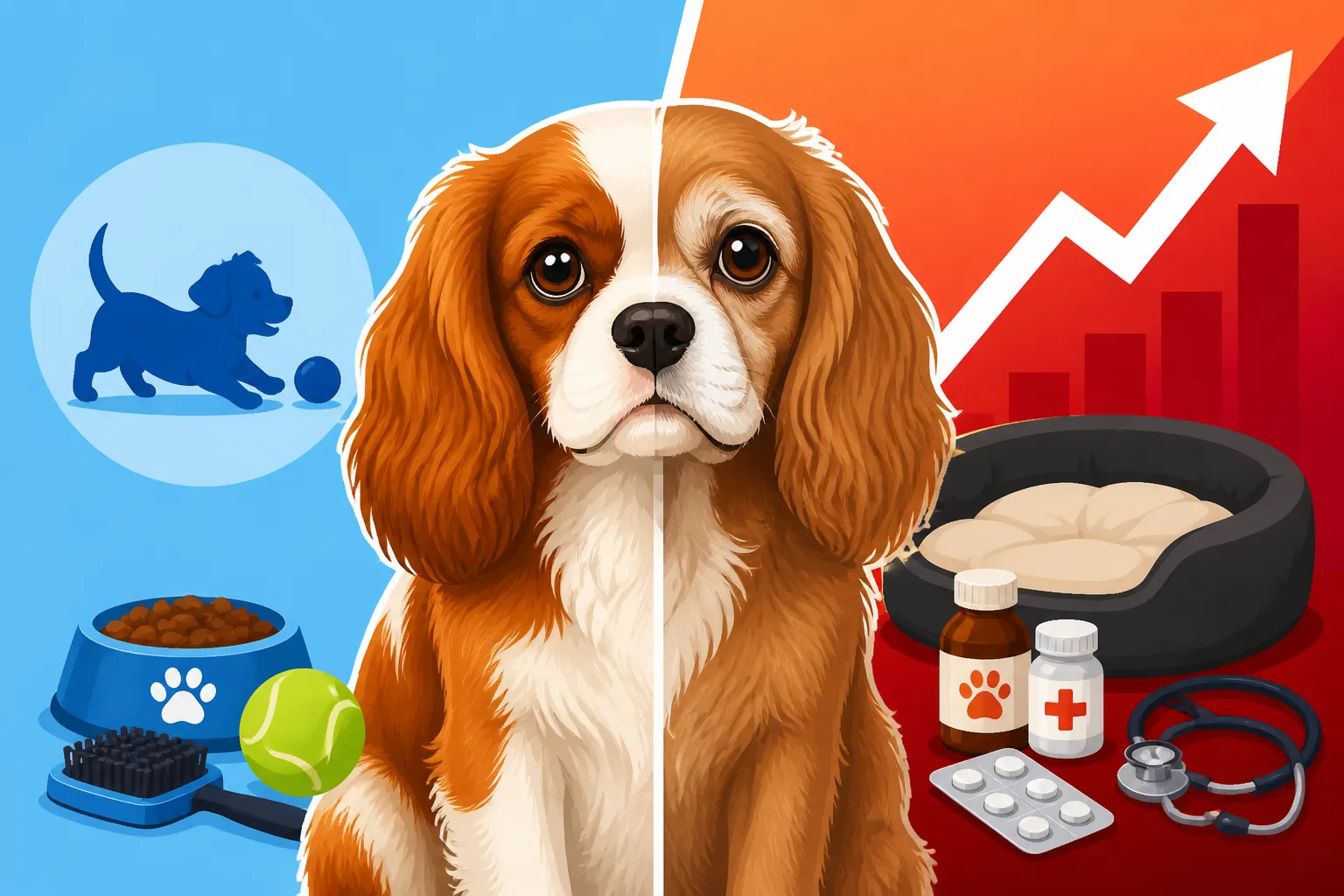
How Cavalier Costs Rise After Eight
It’s a beautiful thing, watching your Cavalier King Charles Spaniel gracefully navigate their senior years. Those frosted muzzles and slower, more deliberate steps carry a certain charm, a testament to years of unwavering companionship. But let's be honest, alongside that sentimental journey, there's often a significant financial shift. Many owners find themselves unprepared for how dramatically Cavalier costs can rise once their beloved companion crosses the eight-year mark, as new health concerns and specialized care needs often emerge, this guide will walk you through what to realistically expect.
The Inevitable Health Realities: Increased Vet Bills and Medication
One of the most undeniable truths about an aging Cavalier is the almost certain increase in veterinary expenses. It’s not just about more frequent check-ups; it's about managing chronic conditions that commonly appear in the breed as they mature. You'll likely move from preventative care to ongoing medical management, and that comes with a price tag.
The Heart of the Matter: Mitral Valve Disease Progresses
Cavaliers are famously prone to Mitral Valve Disease (MVD), and while a murmur might appear earlier, it's often after eight that the disease truly starts to progress, demanding more active management. What might have been an annual stethoscope check in their younger years can quickly become a series of cardiologist visits, echocardiograms, and a cocktail of daily medications. It’s a sad reality, but many Cavaliers will spend their senior years on heart medications to help manage this condition.
Imagine your seven-year-old Cavalier, a picture of health except for a barely audible murmur. You might visit the vet once a year, and that’s it. Fast forward to age nine. Suddenly, your dog starts coughing more frequently, especially at night, or seems to tire much faster on walks. These are classic signs that their MVD is advancing. Your vet will likely recommend a referral to a veterinary cardiologist for a comprehensive workup. This involves an echocardiogram to assess the heart's function and size, potentially chest X-rays to check for fluid in the lungs, and blood tests. Each of these diagnostics has its own cost. Once a diagnosis of congestive heart failure is made, daily medications like pimobendan and diuretics become essential. You’re not just paying for the pills; you’re paying for the regular check-ups to adjust dosages, monitor kidney function (which diuretics can impact), and ensure the heart is responding to treatment. This can easily mean monthly pharmacy runs and vet visits every few months. For a deeper understanding of this journey, you might want to read How Cavalier Heart Disease Progresses Stage by Stage.
Other Age-Related Ailments and Their Price Tags
Beyond MVD, senior Cavaliers are susceptible to a host of other conditions that weren't a concern in their youth. Arthritis, vision problems like cataracts, dental disease, and even conditions like Syringomyelia can worsen or become symptomatic for the first time. Each new symptom is a new investigation, a new diagnosis, and often, a new treatment plan.
Consider a Cavalier who, by age eight or nine, starts showing stiffness after lying down, struggles to jump onto the sofa, or hesitates on stairs. This is often the onset of arthritis, a common ailment in aging dogs. Managing arthritis might involve anti-inflammatory medications, joint supplements, or even specialized prescription diets designed for joint health. Some owners explore physical therapy or acupuncture, adding to the ongoing costs. Then there's dental health. Cavaliers have crowded jaws, making them prone to dental disease. As they age, the need for professional dental cleanings under anesthesia, often with extractions, becomes more frequent. Anesthesia for an older Cavalier, especially one with a heart murmur, often requires pre-anesthetic bloodwork and sometimes even an ECG to mitigate risks, pushing the cost of a routine dental procedure significantly higher. You can learn more about managing an older dog's discomfort in Pain Management for a Senior Cavalier. Furthermore, while some pet insurance providers might not cover pre-existing conditions like a murmur that was noted before you enrolled, enrolling your Cavalier early with a provider like Healthy Paws can make a huge difference in offsetting the costs of new conditions that arise as they age.
Emergency Visits and Specialist Care
The older your Cavalier gets, the higher the likelihood of an unexpected emergency visit. A sudden collapse, severe coughing fit, or unexplained lethargy can send you rushing to the emergency vet, where costs quickly escalate. Specialist referrals also become more common.
An older Cavalier in heart failure might experience a sudden worsening of symptoms, requiring an emergency trip to the veterinary ER. This could involve overnight stays, oxygen therapy, and intensive care, all of which incur substantial fees. Or perhaps your senior Cavalier develops a neurological issue, suddenly having trouble walking straight or experiencing seizures. This would likely necessitate a referral to a veterinary neurologist, complete with diagnostic tests like an MRI, which can be very expensive. These specialists offer invaluable expertise, but their services come at a premium. It’s a tough pill to swallow when you're already managing ongoing conditions, but these emergency and specialist scenarios are a real part of owning an aging Cavalier.
Beyond the Vet: Routine Care Changes and Hidden Expenses
It’s not just the direct medical bills that climb; many aspects of routine care also become more expensive or time-consuming as your Cavalier ages. Their needs evolve, and so do the demands on your wallet and your schedule.
Dietary Adjustments and Special Foods
A senior Cavalier's nutritional needs often change dramatically. They might need fewer calories to maintain a healthy weight due to decreased activity, or specific diets to support organ function or address new allergies or sensitivities.
Once a Cavalier reaches their senior years, their metabolism can slow down, making them prone to weight gain, which is particularly dangerous for a breed predisposed to heart issues. This might mean switching to a senior-specific formula or a prescription diet designed for weight management. If MVD progresses, your vet might recommend a low-sodium prescription diet to help manage fluid retention. These specialized foods often cost more than standard adult kibble. For a Cavalier facing kidney issues, a renal diet would be necessary, also at a higher price point. If your senior dog has trouble chewing dry kibble due to dental pain or missing teeth, you might opt for wet food or even fresh-prepared options. Companies like Ollie offer customized, fresh meal plans that can be tailored to a senior dog's specific needs, but these often come at a higher weekly cost than conventional kibble. The cost isn't just in the bag; it's in finding the right balance to support their health. Whether Diet Slows a Cavalier's Heart Disease explores some of these considerations further.
Grooming, Comfort, and Mobility Aids
As Cavaliers age, their grooming needs might change, and they often require additional comfort items or mobility aids to navigate their daily lives, especially if arthritis or other joint issues become prominent.
A younger Cavalier might tolerate longer stretches between professional grooming appointments, but an older dog, especially one with joint pain or a sensitive disposition, may need more frequent, shorter grooming sessions to prevent matting and keep them comfortable. Their feathering, particularly around the ears, paws, and armpits, can become more prone to matting as their skin thins or they lie down more often. If they can’t stand for long periods, a patient groomer who understands senior dog needs might charge a bit more for the extra time and care required. You might also find yourself investing in grooming tools to do more at home to keep them comfortable between visits. Beyond grooming, consider the cost of comfort. Orthopedic dog beds become essential to support aching joints. Ramps or pet stairs can help a Cavalier with bad knees or hips get onto the sofa or bed safely, preventing injuries. If their eyesight is failing, you might need to invest in nightlights or even special harnesses that help guide them. These aren’t trivial purchases; they add up.
Increased Monitoring and Daily Management
Senior Cavaliers often require more hands-on daily management, which, while not a direct financial cost, certainly has a cost in time and emotional energy. Sometimes, this translates into services you might pay for.
For instance, if your Cavalier is on diuretics for heart failure, you’ll need to monitor their breathing rate closely, especially at night, and ensure they have constant access to fresh water. You might need to be more diligent about counting their resting breaths to detect early signs of fluid buildup. If you work long hours, you might need to hire a dog walker or a pet sitter who is comfortable administering medications during the day. This is a crucial consideration if your dog needs medication every eight or twelve hours. Leaving a Cavalier on heart medication with someone is a big responsibility, and finding the right person can be worth the extra expense. Furthermore, managing incontinence, which can sometimes accompany old age or certain medications, might mean buying more cleaning supplies, waterproof bed covers, or even disposable doggy diapers. All these small, incremental changes in daily care add up to a greater overall investment.
Planning Ahead: Mitigation and Support Strategies
While some rising costs are inevitable, there are strategies you can employ to mitigate the financial impact and ensure your senior Cavalier receives the best possible care without completely draining your savings.
The Value of Pet Insurance (Before It's Too Late)
One of the most impactful financial decisions you can make for your Cavalier is enrolling them in pet insurance before any major health issues manifest. Once a condition is diagnosed, it becomes "pre-existing" and is typically excluded from coverage.
If you insured your Cavalier when they were a puppy or a young adult, those policies can be a lifesaver when they hit their senior years. A good policy can cover a significant portion of the costs associated with MVD management, arthritis medications, diagnostic tests, and even emergency visits, provided these conditions weren't pre-existing. For example, a monthly premium with a provider like Healthy Paws could save you thousands on specialist visits and long-term medications, turning overwhelming vet bills into manageable co-pays. The key is timing: don't wait until you hear that murmur or see that limp. Understandably, it's easy to dismiss insurance when your puppy is bouncing off the walls, but it's during those healthy years that the foundation for affordable senior care is laid. Read Insuring a Cavalier Before the Murmur Arrives for a deeper dive into this topic.
Building an Emergency Fund
Even with excellent pet insurance, there will be out-of-pocket expenses, deductibles, and conditions not covered. A dedicated emergency fund for your Cavalier is a wise financial move.
Think of it as a safety net specifically for your furry family member. This fund can cover annual deductibles, co-pays, prescription foods that insurance often doesn't cover, or those unexpected, one-off specialist consultations. It also gives you peace of mind, knowing that if an emergency arises, you're not scrambling to find the funds. Many owners find that having a few thousand dollars set aside specifically for their pet's care provides immense comfort. Life with a senior Cavalier is often a series of small, manageable expenses punctuated by occasional larger ones, and having that fund makes all the difference in navigating those peaks without financial stress. You can start small, putting away a set amount each month, and watch it grow over time. This approach ensures you're prepared for The Emergency Fund a Cavalier Owner Needs.
Leveraging Online Pharmacies and Retailers
For ongoing medication and specialized diets, exploring online pharmacies and pet supply retailers can often lead to significant savings compared to purchasing directly from your vet.
Many common heart medications, pain relief, and joint supplements can be sourced through reputable online veterinary pharmacies, often at a lower cost. Similarly, specialized diets, whether for cardiac health, weight management, or kidney support, can sometimes be found more affordably through large online retailers like Chewy on an auto-ship program. This not only saves money but also ensures you never run out of critical supplies, as they are delivered right to your door. Always ensure that you are using a legitimate, licensed pharmacy that requires a veterinarian's prescription, and discuss with your vet whether ordering online is appropriate for your specific Cavalier’s needs. Your vet can provide you with a written prescription to use with these services.
| Cost Category | Younger Cavalier (Under 8) | Senior Cavalier (Over 8) | Potential Cost Increase |
|---|---|---|---|
| Routine Vet Care | Annual check-up, vaccinations | Quarterly/bi-annual check-ups, diagnostic tests (bloodwork, X-rays) | Moderate to High |
| Heart Medication | None or monitoring only | Daily Pimobendan, diuretics, ACE inhibitors | High (Ongoing) |
| Other Meds | Flea/tick/worm prevention | Arthritis meds, pain relief, eye drops, allergy meds | Moderate |
| Specialist Visits | Rare (e.g., puppy issues) | Cardiologist, neurologist, orthopedist referrals | High (Per visit/test) |
| Dental Care | Annual cleaning | More frequent cleanings, extractions, pre-anesthetic testing | Moderate to High |
| Prescription Food | Standard adult kibble | Low-sodium, joint support, weight management, renal diets | Moderate |
| Grooming | Standard professional groom/DIY | More frequent professional grooms, senior-specific care | Moderate |
| Comfort/Mobility | Beds, basic leash/collar | Orthopedic beds, ramps/stairs, harnesses, non-slip mats | Moderate |
| Emergency Fund | Recommended savings | Crucial, higher target savings | High |
Owning a Cavalier King Charles Spaniel, especially into their golden years, is an incredibly rewarding experience. They continue to offer boundless love and companionship. However, being realistic and financially prepared for the increased costs that often accompany these later years will help you focus on what truly matters: cherishing every moment with your beloved senior dog. Understanding these potential expenses, from escalating vet bills to changing daily care, allows you to plan effectively and provide the best possible quality of life for your aging friend.
Disclaimer
This article is for general informational purposes only and does not constitute professional advice. Laws, prices and regulations vary by location and change over time. Consult a qualified professional for guidance on your specific situation.