What a Cavalier’s Ear Infections Cost Each Year
It's a frustrating reality for many Cavalier King Charles Spaniel owners: just when you think you've finally cleared up that pesky ear infection, it rears its head again. The truth is, our beloved Cavaliers are prone to these issues, and managing them can quickly become a significant and ongoing expense. This guide will walk you through the various costs associated with diagnosing, treating, and preventing ear infections in Cavaliers, helping you budget for this common challenge.
The Initial Onslaught: Diagnosing and Treating a Cavalier's First Ear Infection
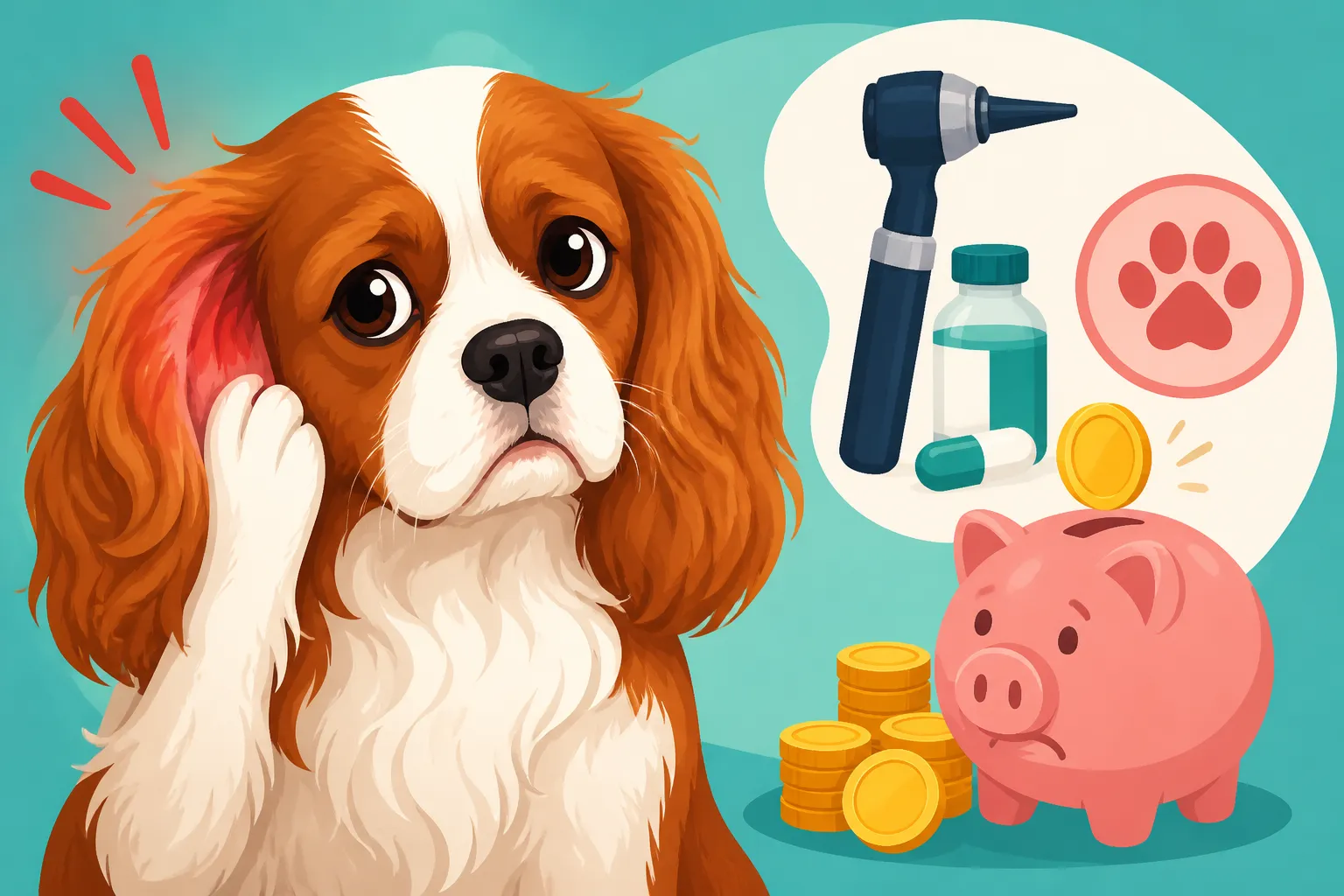
When your Cavalier starts shaking their head, scratching at their ear, or you notice an unpleasant smell coming from deep within their ear canal, your first port of call is usually the vet. This initial visit kicks off a series of costs that can be surprising if you're not prepared.
The Vet Visit and Examination Fees
Your general practice veterinarian will need to do a thorough examination of your Cavalier. This isn't just a quick peek; it involves a detailed look into the ear canal with an otoscope, often accompanied by a physical examination to check for other signs of discomfort or systemic illness. The consultation fee for this visit alone can vary depending on your location and the clinic, but it's the first unavoidable cost. Beyond the basic exam, your vet will almost certainly recommend a cytology – where they take a swab from the ear and look at it under a microscope. This simple test is crucial because it tells them whether they're dealing with bacteria, yeast, or both, and helps guide the choice of medication. If the infection looks particularly stubborn or unusual, a culture and sensitivity test might be ordered, which sends a swab to a lab to identify the specific type of bacteria and which antibiotics will be most effective. Each of these diagnostic steps adds to the overall bill for that initial visit.
Medication Costs
Once the diagnosis is made, your vet will prescribe medication. For a straightforward yeast infection, you might be looking at a course of antifungal ear drops. If bacteria are involved, it could be antibiotic drops, or in more severe cases, oral antibiotics might be necessary. Sometimes, a combination of medications is required, especially if there's significant inflammation, in which case anti-inflammatory drops or even oral steroids could be added to the regimen. The cost of these medications can vary wildly. A short course of basic ear drops might be fairly affordable, but if your Cavalier needs multiple types of drops, oral antibiotics, or longer treatment periods, the costs climb. Remember, it's vital to complete the full course of medication, even if the ear looks better, to prevent a quick relapse. If your vet prescribes long-term medication, you might find competitive pricing and home delivery through online pharmacies like Chewy, which can sometimes offer a slight discount compared to in-clinic purchases.
Why Cavalier Ears Are So Prone
It’s not just bad luck that Cavaliers seem to constantly battle ear infections. Their adorable, long, floppy drop ears, while a hallmark of the breed, are actually a significant contributing factor. These heavy ear flaps create a warm, moist, and poorly ventilated environment perfect for yeast and bacteria to thrive. It’s like a little sauna for microscopic organisms! This anatomical predisposition means Cavaliers are inherently more susceptible than breeds with upright ears. Add to this the sometimes thick feathering around the ear opening, which can further trap moisture and debris. We’ve covered this in more detail in Why a Cavalier's Drop Ears Trap Infection. Understanding this makes the ongoing battle feel less like a personal failing and more like a breed-specific challenge we need to be prepared for. This predisposition often leads to Recurrent Ear Infections in a Cavalier, making it a lifelong management task for many owners.
Navigating Recurrent Infections: The Cumulative Toll
The true financial burden of ear infections often isn't the first one, but the frustrating cycle of recurrence. Many Cavalier owners find themselves on a first-name basis with their vet's front desk staff, making repeated trips for the same old problem.
Repeat Vet Visits and Diagnostics
A recurrent ear infection isn't just a nuisance; it's a sign that something deeper might be going on. Each time your Cavalier's ear flares up, it often means another vet visit, another examination fee, and often another cytology to see what critters have moved back in. Sometimes, the vet might want to recheck sooner rather than later to ensure the treatment is actually working, adding further recheck fees. If the infection isn't responding to standard treatments, or if it's the same ear repeatedly, the vet might suggest more in-depth diagnostics like an ear culture and sensitivity test again, especially if the previous one didn't yield clear results or if there's suspicion of antibiotic resistance. These repeated visits and tests, while individually manageable, can quickly accumulate over a year, turning what seems like a minor issue into a major line item in your pet care budget.
The Cycle of Prescription Medications
For Cavaliers prone to chronic ear issues, owners often find themselves with a small pharmacy of ear medications in their cupboards. Your vet might prescribe different drops based on the dominant organism found, or you might have a standby maintenance cleaner. The cost of these medications isn't just about the initial purchase; it’s about the ongoing need. You might go through several bottles of specialized ear cleaner and multiple tubes of antibiotic or antifungal ointments over a year. Sometimes, veterinarians will prescribe a stronger, longer-acting medication designed to stay in the ear for a week or two with just one or two applications, which can be more expensive upfront but save on daily hassle. It’s a constant balancing act between cost, efficacy, and ease of administration. If your Cavalier needs frequent refills, remember to discuss options with your vet regarding bulk purchases or ordering from online pet pharmacies like Chewy for convenience and potentially better pricing, especially for ongoing maintenance products.
Exploring Underlying Causes
When ear infections become a chronic problem, it’s a big red flag that an underlying issue is at play. For Cavaliers, the most common culprit behind recurrent ear infections is allergies. This realization can lead to another, often significant, layer of expense: investigating and managing allergies. This could involve a strict food trial, where your Cavalier eats a novel protein or hydrolyzed diet for several weeks to rule out food sensitivities. These specialized diets, like those offered by companies such as Ollie for fresh, hypoallergenic options, can be considerably more expensive than standard kibble. If food allergies are ruled out, environmental allergies often come into play. Diagnosing these might involve blood tests or even a referral to a veterinary dermatologist for intradermal skin testing, both of which incur substantial fees. Treating environmental allergies can then involve daily antihistamines, immune-modulating drugs, or even allergy shots, all of which are ongoing expenses. It’s a long road, but addressing the root cause is often the only way to break the cycle of infection. We dive deeper into this topic in Whether Cavalier Ear Infections Are Allergic.
Advanced Diagnostics and Specialist Care: When Simple Solutions Fail
Sometimes, despite best efforts, ear infections persist or worsen, indicating a more serious problem. This is when the costs can escalate dramatically, often requiring specialist intervention.
Sedation for Deeper Cleaning and Imaging
For a Cavalier with a painful, severely infected ear, or one that's simply not cooperating with an awake examination, your vet might recommend sedation or even full anesthesia for a thorough ear cleaning and examination. Under sedation, they can use specialized tools to flush out debris, remove built-up wax, and get a much clearer view of the eardrum and deeper ear canal. They might also perform a video otoscopy, where a tiny camera provides a magnified view, often projected onto a screen, allowing for a meticulous inspection and documentation of the ear canal. The costs here include the sedation drugs, monitoring, the procedure itself, and any associated medications. This is a vital step when regular treatments aren't working, but it's not a cheap one.
Referral to a Veterinary Dermatologist
If your general vet has exhausted their options, or if the case is particularly complex, a referral to a veterinary dermatologist is often the next step. These specialists have advanced training in skin and ear conditions, and they can offer diagnostics and treatments not available in a regular practice. A specialist consultation alone will typically be a higher fee than a regular vet visit. They might recommend repeat cultures, biopsies of ear canal tissue, or even advanced imaging like a CT scan or MRI to look for growths, foreign bodies, or middle ear disease. Each of these tests comes with its own price tag, sometimes running into the high hundreds or even thousands of dollars. The treatment plans from a specialist can also be more intensive, involving custom-compounded medications or novel therapies that carry a premium. It's a significant financial commitment, but often the best chance for resolution, especially if your Cavalier is suffering from Chronic Ear Disease and Cavalier Hearing Loss.
Surgical Interventions
In the most severe and chronic cases, particularly when medical management has failed repeatedly, or if there are structural changes like polyps, tumors, or irreversible ear canal narrowing, surgery might be the only viable option. The most common surgical procedure for chronic ear disease in dogs is a Total Ear Canal Ablation (TECA) with Bulla Osteotomy (BO). This involves removing the entire ear canal and often opening the middle ear cavity to remove infected tissue. This is a major surgery, performed by a board-certified veterinary surgeon. The cost for a TECA can be very high, easily running into the several thousands of dollars per ear, depending on the complexity, geographic location, and veterinary facility. It includes pre-surgical bloodwork, anesthesia, the surgical procedure itself, hospitalization, and post-operative pain management and antibiotics. While it's a last resort, for some Cavaliers, it provides immense relief from chronic pain and infection, giving them a much-improved quality of life.
Proactive Management and Prevention: Investing to Save
While the costs of treating active ear infections can be steep, investing in proactive care and preventative measures can actually save you money (and your Cavalier a lot of discomfort) in the long run.
Regular Cleaning and Maintenance Supplies
Consistent ear cleaning is paramount for Cavaliers. Their deep, floppy ears need regular attention to prevent moisture and wax buildup that creates a breeding ground for infection. You'll need to invest in a good quality ear cleaner, one recommended by your vet. We've discussed Ear Cleaner Worth Using on a Cavalier in a previous post, highlighting the importance of using appropriate, non-irritating solutions. A bottle of ear cleaner might cost a decent amount, but it lasts for a while. You'll also need plenty of cotton balls or gauze pads (never cotton swabs, which can push debris deeper into the ear). Establishing a routine of Daily Ear Checks on a Cavalier and gentle cleaning, especially after baths or swimming, can significantly reduce the frequency of infections. Some owners also find that using a snood, a fabric tube that keeps their Cavalier's ears out of their food and water bowl, helps keep them dry and clean, preventing messy ears that are more prone to infection. These snoods are a small upfront cost but can save on countless cleanups.
Dietary Management and Supplements
For Cavaliers where allergies are suspected as the underlying cause of ear infections, managing their diet can be a game-changer. As mentioned earlier, specialized or hypoallergenic diets, whether prescription kibble or fresh food services like Ollie, will have a higher monthly cost compared to generic dog food. However, if this prevents recurrent infections, it could offset vet bills and medication costs. Beyond prescription diets, some owners explore supplements that support skin and ear health, such as omega-3 fatty acids (fish oil) for their anti-inflammatory properties. While supplements are an additional monthly expense, if they help reduce inflammation and improve ear health, they might contribute to fewer infection episodes. Always discuss any dietary changes or supplements with your veterinarian to ensure they are appropriate and won't interact with any other medications your Cavalier is taking.
Pet Insurance: A Financial Safety Net
One of the smartest investments you can make for a Cavalier, especially given their predispositions to conditions like ear infections and heart disease, is pet insurance. If you enroll your Cavalier when they are young and healthy, before any ear infections occur, future treatments for these conditions will likely be covered (minus your deductible and co-pay, up to your annual limit). This can turn potentially crippling vet bills into much more manageable out-of-pocket expenses. For instance, if you have a policy with a provider like Healthy Paws, once your deductible is met, they might reimburse a significant portion of the costs for vet visits, medications, and even specialist consultations related to ear infections. However, if your Cavalier has already had ear infections before you get insurance, those will almost certainly be considered a "pre-existing condition" and excluded from coverage. This highlights the importance of Insuring a Cavalier Before the Murmur Arrives, or really, before any chronic health issue arises. Do your research into What a Cavalier Policy Costs Monthly and the coverage details to find the right fit for your budget and your dog's needs.
Here's a breakdown of potential costs for Cavalier ear infections:
| Service/Item | Frequency | Typical Cost Range (per instance) | Notes |
|---|---|---|---|
| Initial Vet Exam/Consultation | Per visit | $60 – $150 | Base fee for seeing the vet. |
| Ear Cytology (Microscopic Exam) | Per infection | $30 – $70 | Crucial for identifying yeast/bacteria. |
| Ear Swab Culture & Sensitivity | As needed | $100 – $250 | For stubborn infections to identify specific bacteria and effective antibiotics. |
| Prescription Ear Drops/Ointments | Per course | $40 – $150+ | Varies widely by medication type and duration. |
| Oral Antibiotics/Antifungals | Per course | $30 – $100+ | For systemic infections or severe cases. |
| Recheck Vet Visit | Per visit | $40 – $100 | Often needed to ensure infection has cleared. |
| Ear Cleaner (Maintenance) | Every few months | $15 – $40 | Essential ongoing care for prevention. |
| Allergy Blood Testing | One-time | $200 – $400+ | To identify environmental allergens. |
| Food Trial (Specialized Diet) | Ongoing | $80 – $150+ per month | More expensive food for 8-12 weeks to rule out food allergies. |
| Sedated Ear Flush & Otoscopy | As needed | $300 – $700+ | For thorough cleaning and examination under sedation. |
| Specialist Dermatologist Consultation | Per visit | $150 – $300+ | Initial fee for an expert opinion. |
| CT/MRI Scan (Ear) | One-time | $1,500 – $3,000+ | For severe, chronic cases or suspicion of middle ear disease/growths. |
| TECA Surgery (Total Ear Canal Ablation) | One-time | $3,000 – $6,000+ per ear | Last resort for irreversible chronic ear disease. |
As you can see, the costs associated with ear infections in a Cavalier King Charles Spaniel can range from a few hundred dollars a year for minor, infrequent issues to several thousands for chronic, complicated cases requiring specialist care or surgery. It's a testament to the fact that while Cavaliers are wonderful companions, their unique anatomy often comes with specific health challenges. Being prepared for these potential costs, both financially and by having a proactive care plan, is key to keeping your beloved Cavalier comfortable and healthy.
Disclaimer
This article is for general informational purposes only and does not constitute professional advice. Laws, prices and regulations vary by location and change over time. Consult a qualified professional for guidance on your specific situation.