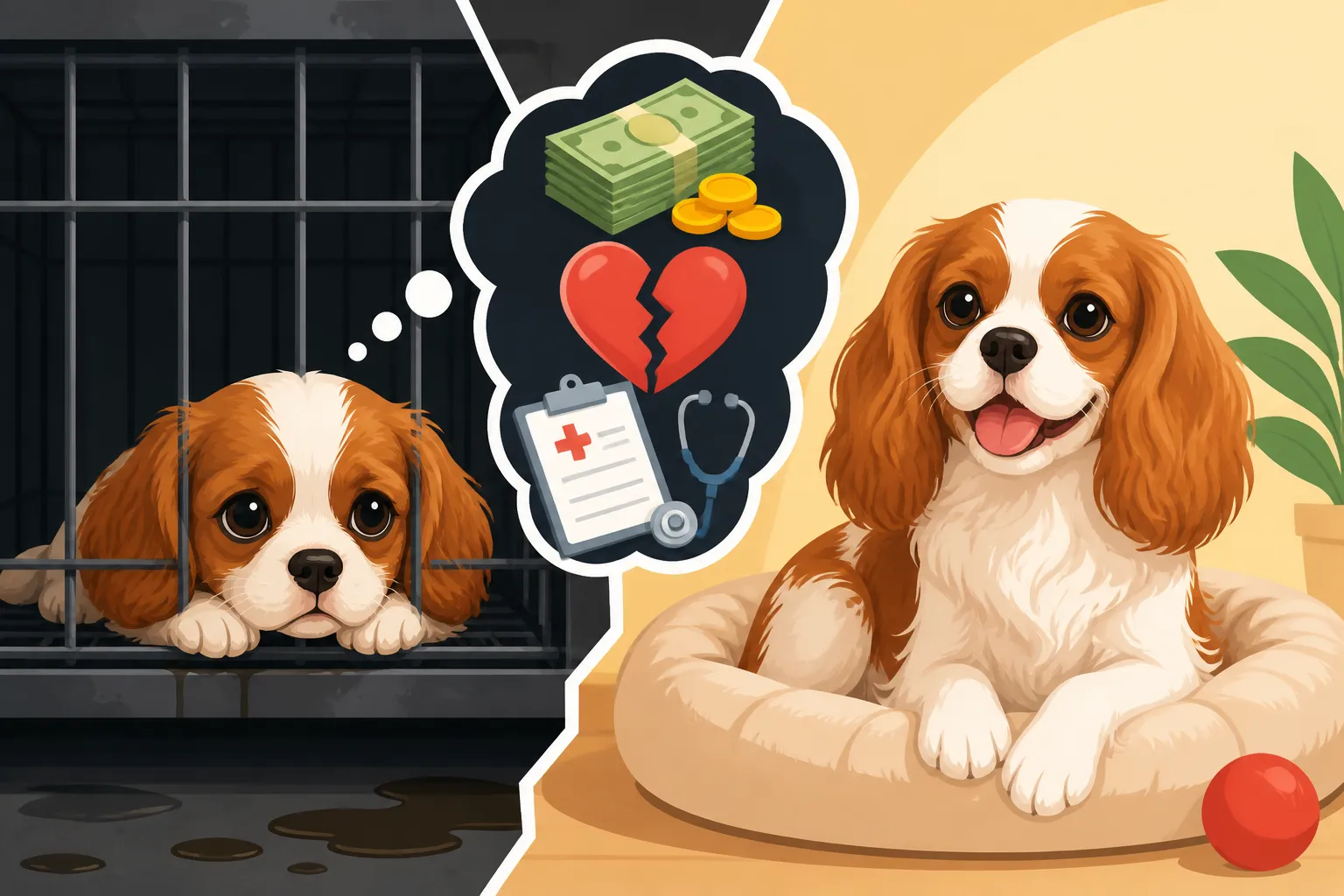
What a Puppy Mill Cavalier Really Costs You
It’s heartbreakingly common to see someone lured in by a low price tag on a Cavalier King Charles Spaniel puppy, only to find themselves utterly devastated by the true, hidden costs. This guide aims to pull back the curtain on the deceptive practices of puppy mills and shed light on the immense financial, emotional, and ethical burden that these "bargain" puppies inevitably bring, far exceeding any initial savings.
The Allure of a "Bargain" Cavalier and Why It's a Trap
The initial attraction to a puppy mill Cavalier is almost always the price. When reputable breeders quote figures that can seem quite high, often reflecting the significant investment in health testing, proper nutrition, and early socialization, a puppy mill offering a seemingly identical Cavalier for substantially less can feel like a golden opportunity. But this initial saving is a mirage, a cruel trick that almost always leads to far greater costs down the road, both in your wallet and in your heart.
The Initial Price Tag Deception
Imagine seeing a sweet Cavalier puppy advertised for what feels like a steal – perhaps a fraction of what you've seen from breeders who openly discuss their health clearances and waitlists. It feels like you've found a secret, a way to bypass the expense and the wait. You might think, "A puppy is a puppy, right?" Unfortunately, with puppy mills, that lower upfront cost is simply a transfer of financial burden from the breeder to you, the unsuspecting buyer. These operations cut every corner imaginable, from veterinary care for the breeding dogs to proper nutrition and housing, leading to a host of problems that you will ultimately pay for. There’s no investment in preventing future problems, only in churning out puppies as quickly and cheaply as possible. You might save a few hundred dollars now, but you’ll often spend thousands later, desperately trying to fix preventable issues. For a comprehensive look at what a responsible breeder charges, you can read The Price Range Cavalier Breeders Actually Quote.
The Emotional Toll
Beyond the financial deception, the emotional toll of bringing home a puppy mill Cavalier can be absolutely crushing. You dream of a happy, healthy companion, a fluffy friend to bring joy to your home. Instead, you often find yourself with a puppy that is terrified, sick, or both. The constant worry about their health, the sleepless nights spent comforting a trembling dog, the endless trips to the vet—it all adds up to profound stress and heartbreak. Watching a tiny, innocent creature suffer because of poor breeding practices and neglect is an experience no loving owner should ever have to endure. This emotional burden is something no amount of money can truly compensate for, and it lasts far longer than any fleeting savings on the purchase price.
The Devastating Health Consequences and Their Financial Burden
The most significant and often financially ruinous aspect of a puppy mill Cavalier is the almost inevitable health problems. These operations prioritize profit over the well-being of their animals, leading to generations of dogs riddled with genetic conditions, parasites, and untreated illnesses. The financial cost of treating these issues can quickly spiral out of control, dwarfing the initial "bargain" price you paid.
Common Puppy Mill Health Issues
Puppy mills are notorious for breeding dogs indiscriminately, often using animals with known health issues and without any genetic screening. This means their puppies are highly susceptible to the inherited diseases that plague the Cavalier King Charles Spaniel breed. You might find yourself with a puppy suffering from severe Mitral Valve Disease in the Cavalier King Charles Spaniel symptoms alarmingly early in life, or exhibiting signs of Syringomyelia and Chiari Malformation in Cavaliers which require extensive diagnostics and management. Beyond these breed-specific genetic nightmares, puppy mill Cavaliers frequently arrive with a host of other common ailments:
- Parasites: Internal parasites like roundworms, hookworms, and whipworms, as well as external ones like fleas and mites, are rampant in overcrowded, unsanitary puppy mill conditions. Treating these often requires multiple rounds of medication and follow-up tests.
- Infections: Respiratory infections (kennel cough), giardia, coccidia, and other bacterial or viral infections are common due to poor hygiene and lack of vaccinations. These can range from mild, self-limiting issues to severe conditions requiring hospitalization.
- Malnutrition and Deformities: Puppies may be underfed or fed extremely poor-quality food, leading to developmental problems, weak immune systems, and even permanent deformities.
- Congenital Defects: Heart defects, eye abnormalities, and other physical birth defects are more common when parents are not screened for health.
It's a stark contrast to a puppy from a reputable breeder who conducts The Heart Testing a Cavalier Breeder Must Do and The DNA Tests Every Cavalier Should Have on their breeding stock.
The Never-Ending Vet Bills
Once you bring a puppy mill Cavalier home, the veterinary bills often start immediately. Your first vet visit will likely involve treating parasites and infections, and sometimes even emergency care for severe dehydration or illness. These initial costs are just the tip of the iceberg.
Consider the ongoing diagnostics:
- Echocardiograms: If a heart murmur is detected (and it often is, far earlier than in well-bred Cavaliers), you'll need regular cardiac ultrasounds to monitor How Cavalier Heart Disease Progresses Stage by Stage.
- MRIs: For suspected neurological conditions like Syringomyelia, an MRI is crucial for diagnosis, and these scans are notoriously expensive.
- Blood Tests: Frequent blood work will be necessary to monitor organ function, especially if medications are prescribed.
Then come the treatments:
- Medications: Heart medications, pain relief for neurological issues, antibiotics, anti-parasitics, and anti-inflammatories quickly add up. You might find yourself on Chewy ordering prescription refills regularly. We have an article dedicated to Medication for a Cavalier With Heart Disease and another on Pain Relief for a Cavalier With Syringomyelia.
- Specialist Consultations: You'll likely be referred to veterinary cardiologists, neurologists, and internal medicine specialists, each visit incurring its own substantial fee.
- Emergency Care: Weakened immune systems or advanced disease can lead to crises requiring emergency vet visits, which are significantly more expensive than regular appointments. The risks associated with anesthesia for procedures can also be higher, as detailed in Anesthesia Risk in a Cavalier With a Murmur.
These bills can easily climb into the thousands, effectively negating any initial savings many times over.
Specialized Care and Chronic Conditions
Many health issues found in puppy mill Cavaliers are not easily cured; they are chronic conditions requiring lifelong management. This isn't just about medicine, but about a complete lifestyle adjustment and ongoing financial commitment.
For example, a Cavalier with severe MVD might need a special low-sodium diet, which can be more expensive than standard kibble. Brands like Ollie or other premium fresh food services can offer carefully balanced, nutritious options, but they come at a higher price point. If your Cavalier develops heart failure, managing the condition means regular vet visits, continuous medication, and perhaps even emergency care if they experience fluid buildup. For a Cavalier suffering from Syringomyelia, managing chronic pain might involve a cocktail of medications and special equipment, like a harness instead of a collar, to prevent neck strain. The emotional and physical toll of constant care, combined with the financial drain, can be immense. Pet insurance, if you manage to enroll before any symptoms show, can help mitigate some of these costs, but many issues are considered pre-existing if not declared from the outset. Early enrollment with a provider like Healthy Paws is critical for any puppy, but especially so if you suspect a puppy mill origin.
Behavioral Challenges and the Cost of Rehabilitation
Beyond the physical health problems, puppy mill Cavaliers almost universally suffer from significant behavioral issues stemming from their upbringing. Confined, unsocialized, and often neglected in their formative weeks, these puppies miss critical developmental stages, leading to fear, anxiety, and difficulty adapting to a normal home environment. Addressing these challenges is not only emotionally taxing but also financially demanding.
Socialization Deficits
Puppy mill environments are barren wastelands for proper socialization. Puppies are often kept in small, dirty cages, with minimal human interaction, no exposure to normal household sights and sounds, and limited positive experiences with other dogs. This lack of early exposure leads to profound fear and anxiety when they enter a real home.
You might find your Cavalier:
- Terrified of everything: The vacuum cleaner, a doorbell, strangers, even a new toy can trigger intense fear responses.
- Lacking confidence: They may hide, shake, or regress in new situations, making walks, vet visits, or meeting new people incredibly stressful.
- Struggling with other dogs: Without positive early interactions, they might be fearful or reactive towards other canines.
- Displaying separation anxiety: Due to their early confinement and lack of secure attachment, many develop extreme distress when left alone, as discussed in Living With a Cavalier That Panics When Alone and Why a Cavalier Cannot Be Left All Day. This can manifest as destructive chewing, incessant barking, or even self-harm.
Overcoming these deep-seated fears requires immense patience, understanding, and often, professional help.
Potty Training Nightmares and Destructive Behaviors
Potty training a puppy mill Cavalier can be a monumental task. Having lived in their own waste, they often don't develop a natural inclination to keep their den clean, making house-training much more challenging than with a well-socialized puppy. Accidents indoors become a frustrating routine, requiring endless cleaning supplies and patience.
Furthermore, the anxiety and boredom that come from a lack of stimulation and security can lead to destructive behaviors:
- Chewing: Furniture, shoes, doors, and anything within reach can become targets for anxious chewing.
- Digging: Indoors or out, digging can be a compulsive behavior for a stressed dog.
- Barking and Howling: Especially when left alone, these dogs may vocalize incessantly, leading to neighbor complaints.
These behaviors not only damage your home and belongings but also create an ongoing source of stress and frustration for the family.
The Expense of Professional Training and Support
Rectifying the behavioral issues of a puppy mill Cavalier rarely happens overnight or without assistance. You will likely need to invest in professional help, which comes with significant costs:
- Certified Professional Dog Trainers (CPDT-KA): Trainers specializing in fear, anxiety, and reactivity can guide you through desensitization and counter-conditioning protocols. These private sessions or specialized classes can be costly.
- Veterinary Behaviorists (DACVB): For severe cases of anxiety or aggression, a veterinary behaviorist may be necessary. These specialists are essentially dog psychiatrists who can prescribe medication in conjunction with behavior modification plans. Their fees are often comparable to those of medical specialists.
- Calming Aids and Management Tools: You might find yourself purchasing a range of products: calming supplements, pheromone diffusers, specialized enrichment toys to reduce boredom, extra-durable crates, and even sound machines to mask triggering noises.
- Daycare or Pet Sitters: If your Cavalier suffers from severe separation anxiety, you might need to hire dog walkers or utilize specialized doggy daycare facilities to ensure they are not left alone for extended periods. This becomes a recurring monthly expense.
While there are many excellent resources available, the personalized and intensive support often required for puppy mill survivors can become a significant financial outlay that goes on for months, if not years. When considering Budgeting a Cavalier From Puppy to Senior, it's crucial to factor in these potential rehabilitation costs.
The Lifelong Impact and Ethical Considerations
The true cost of a puppy mill Cavalier extends far beyond the direct financial expenditures and emotional stress. It touches upon the very quality of life for the dog, the ethical implications of supporting such an industry, and the stark contrast to what a well-bred Cavalier truly offers.
The Shorter, Harder Lifespan
Sadly, many puppy mill Cavaliers do not live as long or as healthy a life as their well-bred counterparts. The combination of genetic predispositions to serious diseases, early-life neglect, chronic stress, and often compromised immune systems can significantly shorten their lifespan. You might find yourself saying goodbye to your beloved companion far too soon, having spent their truncated life battling illness and behavioral struggles. The joy of companionship is frequently overshadowed by the constant demands of care and the heartache of seeing them suffer. This is a bitter pill to swallow when you consider the potential for a long, happy life with a healthy Cavalier.
Supporting the Cycle of Cruelty
Perhaps the most significant non-monetary cost of buying a puppy mill Cavalier is the knowledge that you are inadvertently supporting a cruel and unethical industry. Puppy mills are driven by profit, and every purchase fuels their continued operation. These establishments treat animals as commodities, keeping breeding dogs in deplorable conditions, often isolated, never receiving proper veterinary care, and forced to produce litter after litter until their bodies give out. The puppies themselves are often taken from their mothers too early, shipped across state lines, and sold in pet stores or online without any transparency about their origins. By purchasing from a puppy mill, you are directly contributing to the suffering of countless dogs.
The True Value of a Well-Bred Cavalier
The initial price of a Cavalier from a reputable, health-testing breeder might seem higher, but this cost reflects a commitment to the breed's health, temperament, and longevity. These breeders invest in:
- Extensive Health Testing: Screening for MVD, Syringomyelia, eye diseases, patellar luxation, and other conditions to minimize genetic risks. This includes cardiac clearances and MRI scans for parents.
- Proper Nutrition and Care: Providing high-quality food, routine veterinary care, and a clean, stimulating environment for their breeding dogs and puppies.
- Early Socialization: Exposing puppies to various sights, sounds, people, and experiences in a safe and positive way, setting them up for success in their new homes.
- Support for Life: Reputable breeders often offer lifetime support and guidance, acting as a resource for their puppy buyers.
When you buy from a responsible breeder, you are not just buying a puppy; you are investing in a healthy, well-adjusted companion and supporting ethical breeding practices. It's truly a case where paying more upfront saves you immense heartache and expense down the road. For more on finding a reputable source, see Buying a Cavalier From a Health-Testing Breeder.
Here’s a comparison that often shocks people:
| Category | Puppy Mill Cavalier (Initial "Savings") | Reputable Breeder Cavalier (Initial Cost) |
|---|---|---|
| Purchase Price | Significantly lower | Higher, reflecting health tests/care |
| Initial Vet Visit | Often high (parasites, infections) | Routine check-up, possibly boosters |
| Diagnostics (E.g., Echo, MRI) | Highly likely & frequent (e.g., for MVD, SM) | Less likely, unless genetic issue surfaces late |
| Medications | Frequent & long-term (heart, pain, etc.) | Routine parasite prevention, occasional |
| Behavioral Training/Support | Highly likely (separation anxiety, fear) | Standard puppy classes, less intense |
| Emergency Care | Higher risk (chronic illness, poor immunity) | Lower risk, for accidents only |
| Lifespan | Potentially shorter, poorer quality | Average for breed, better quality of life |
| Emotional Toll | Very high (stress, heartbreak) | Normal joys and challenges of pet ownership |
| Ethical Impact | Fuels cruel industry | Supports ethical breeding and breed health |
The initial "bargain" of a puppy mill Cavalier is a hollow victory, quickly overshadowed by a cascade of medical and behavioral problems that cost far more than any reputable breeder's price. Your emotional well-being, your finances, and the dog's very quality of life are all on the line. Choosing a well-bred Cavalier from a health-testing breeder is not just an investment in a pet, but an investment in peace of mind and ethical responsibility.
Disclaimer
This article is for general informational purposes only and does not constitute professional advice. Laws, prices and regulations vary by location and change over time. Consult a qualified professional for guidance on your specific situation.