The Spaniel Instincts Left in a Cavalier
You've brought a Cavalier King Charles Spaniel into your life, perhaps because you fell in love with their sweet, gentle eyes and reputation as the ultimate lap dog. But sometimes, these charming little companions surprise us with bursts of energy, a keen nose to the ground, or an inexplicable urge to chase after every bird they see. It can be a bit confusing when your cuddly companion suddenly acts like a mini-hunting dog! This guide is here to unravel the charming, sometimes challenging, and often surprising spaniel instincts that are still very much alive and well in your beloved Cavalier, helping you understand their unique behaviors and how to work with them for a harmonious life together.
Understanding the Cavalier's Historical Roots
To truly appreciate the spaniel instincts that lie beneath your Cavalier's placid exterior, we need to take a little trip back in time. These aren't just pretty faces; they come from a long lineage of working dogs, even if their duties have changed dramatically over the centuries. Their history is etched into their very being, influencing everything from their affectionate nature to their urge to give chase.
From Court Companion to Sporting Dog
Long before they were known as Cavalier King Charles Spaniels, their ancestors were simply "comforter spaniels" or "toy spaniels," gracing the laps of royalty and nobility across Europe. You can imagine them nestled in silken gowns, providing warmth and companionship in chilly castles. They were adored by figures like Mary, Queen of Scots, and later, the famous King Charles II, for whom the breed is named. These small dogs were cherished companions, often depicted in grand portraits alongside their owners, solidifying their role as indoor, pampered pets. They offered solace and joy, a living hot water bottle and a sympathetic ear, a purpose they still excel at today. It's this deep historical connection to human companionship that makes them such incredible "velcro dogs" now.
However, even as court companions, they weren't entirely devoid of purpose. Smaller spaniels were also sometimes used to flush small game from brush for falcons, or to retrieve game in the field for hunters on horseback. This dual role, bridging the gap between a pampered pet and a capable assistant, is a crucial part of understanding their inherent nature. While their courtly duties emphasized their gentle and loving temperament, the sporting aspect ensured that their ancestral instincts for scenting, flushing, and chasing remained embedded in their genetic code. The balance between these two roles created the unique personality we cherish in Cavaliers today. If you're curious about their rich lineage, read more in The Court Spaniels the Cavalier Descends From.
The Return to Their Original Form
As centuries passed, the toy spaniels evolved. In the 18th and 19th centuries, there was a trend towards shorter-nosed dogs, and the original "King Charles Spaniel" (or English Toy Spaniel) was bred with a flatter face, domed skull, and rounder eyes, losing much of its longer muzzle and more active build. For a time, the longer-nosed, more athletic type was almost forgotten.
However, in the early 20th century, an American named Roswell Eldridge became fascinated by the older paintings depicting the long-nosed spaniels of King Charles II's era. He offered prize money at Crufts dog show for dogs that most resembled these historical paintings, effectively sparking a revival. Breeders took up the challenge, seeking out and breeding dogs that harkened back to the original type, emphasizing a longer muzzle, a flatter skull, and a more active, less exaggerated appearance. This intentional effort brought back the distinct breed we know today as the Cavalier King Charles Spaniel. This deliberate effort to revive the "old type" also meant bringing back the inherent traits associated with them – including those delightful, sometimes surprising, spaniel instincts that had been somewhat diluted in their shorter-faced cousins. It's why your Cavalier might look like a plush toy but secretly yearns for a good sniffari!
The Enduring Hunting Drive
Despite their modern role as pampered companions, Cavaliers retain a strong hunting drive, a clear echo of their working spaniel ancestors. This isn't about bringing down a deer, of course, but about the innate joy of using their senses and pursuing movement. It's a fundamental part of The Spaniel Behavior Left in a Cavalier.
The Scent-Driven Cavalier
One of the most prominent spaniel instincts you'll observe in your Cavalier is their highly developed sense of smell and their inclination to follow it. Spaniels were historically bred to find game by scent, and your Cavalier's nose is still very much in tune with this ancient purpose. When you take them for a walk, you'll notice their nose glued to the ground, meticulously cataloging every interesting smell. A lamppost isn't just a lamppost; it's a newspaper of canine communication. A patch of grass is a treasure trove of forgotten crumbs and intriguing animal trails.
This scent drive can be incredibly engaging for them, but it can also be a challenge for owners. Your Cavalier might become entirely absorbed in a scent, tuning out your calls or commands. They might pull on the leash with surprising strength for their size, driven by an irresistible olfactory trail. Understanding that this isn't disobedience but rather a powerful, instinctual urge helps us approach their behavior with more empathy and practical solutions. Instead of getting frustrated, you can channel this drive into fun activities that fulfill their natural inclination, like nose work games at home.
The "Flush and Chase" Impulse
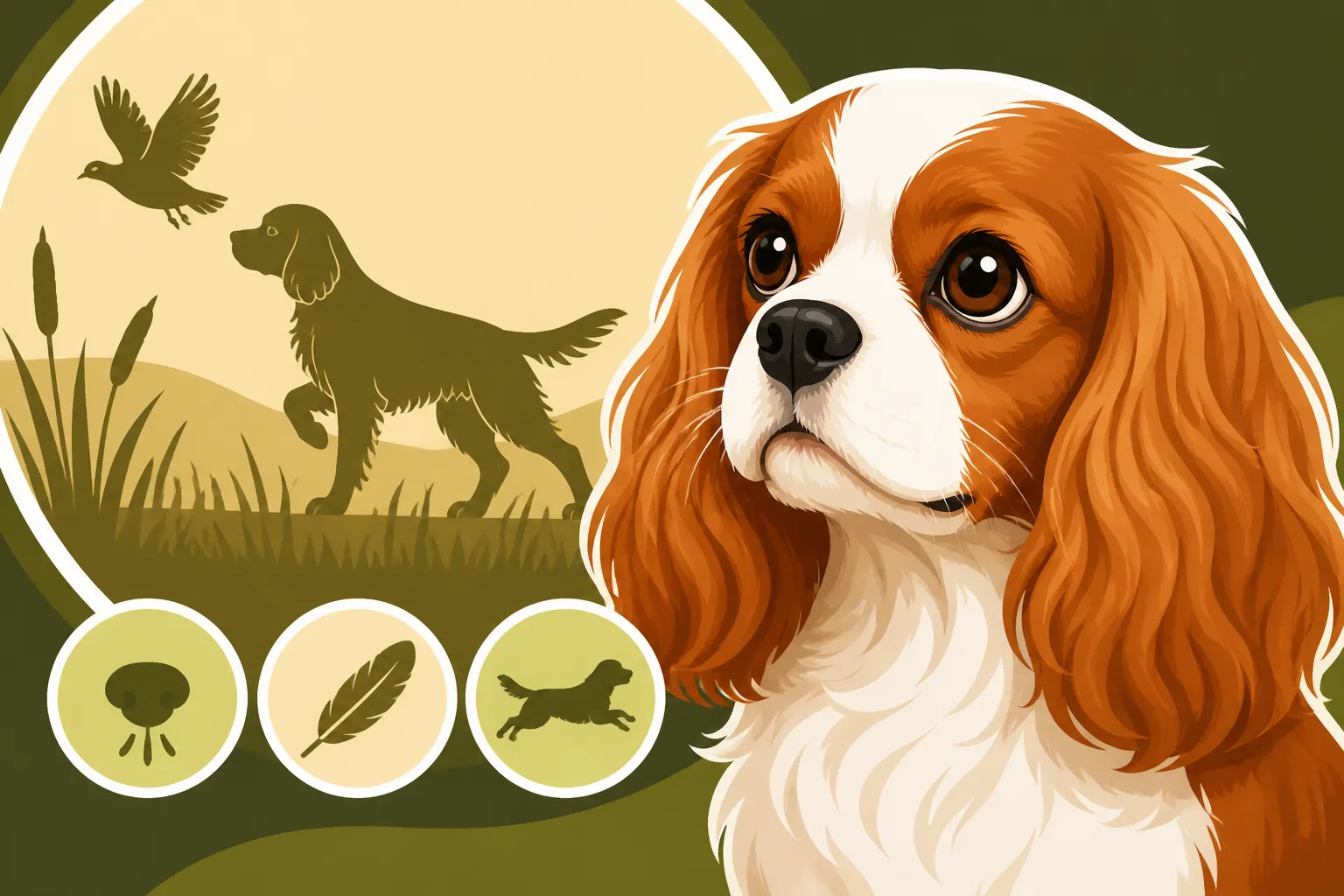
Beyond scenting, Cavaliers often exhibit the classic spaniel "flush and chase" behavior. Picture a spaniel in a field, darting through tall grass to startle birds into flight, then enthusiastically giving chase. Your Cavalier might not be in a field, but they will apply this same principle to anything that moves suddenly – a pigeon fluttering down the sidewalk, a squirrel scampering up a tree, or even a leaf skittering across the pavement. This quick burst of energy and focused pursuit is pure spaniel.
It's a thrill for them, a jolt of primal excitement that often overrides any training they might have. They see movement, their brain registers "game!", and off they go. This is particularly noticeable with birds, as explored in The Bird Chase a Cavalier Cannot Resist. While endearing in a safe, fenced area, this instinct poses a significant safety risk in unfenced environments or near roads. A Cavalier focused on a chase is often deaf to recalls, and their small size makes them vulnerable. This leads directly to the next crucial point about management.
Managing the Instinct to Bolt
Given their strong chase drive, managing your Cavalier's instinct to bolt is paramount for their safety. The reality is, for most Cavaliers, the desire to chase outweighs the desire to return to their human when something truly captivating catches their eye. This means that, unlike some breeds that can reliably be off-leash, a Cavalier often cannot be. Whether a Cavalier Can Ever Be Off Leash is a question many owners ponder, and for good reason.
Leash training from a young age is essential, focusing on polite leash walking even when tempting smells or movements arise. Using a comfortable, secure harness (rather than just a collar, which can put pressure on their delicate necks) can help. For walks in open, safe spaces like large, securely fenced dog parks, a long line (a very long leash, often 20-30 feet) can give them the illusion of freedom while still keeping them safely connected to you. This allows them to explore scents and chase a thrown toy without the danger of running into traffic or getting lost. Never underestimate the speed and determination of a Cavalier when a squirrel is involved!
The Cavalier's Affectionate Nature and "Velcro" Tendencies
While the hunting drive is a surprising aspect of their spaniel heritage, the Cavalier's deep affection and need for closeness are arguably their most famous and cherished traits, directly stemming from their long history as human companions.
The Lap Dog Legacy
The image of a Cavalier nestled on a lap, content and warm, is not just a modern ideal; it's a direct continuation of their role as court spaniels. These dogs were literally bred for companionship, to be close, to offer comfort and warmth. This history means they are inherently predisposed to seek out human contact and thrive on being part of the family's daily life. They aren't aloof or independent; they are deeply bonded creatures who find their greatest joy in being near their people.
This legacy makes them wonderful family pets, fitting seamlessly into homes where they can be included in activities, from lounging on the sofa to quiet walks. They are eager participants in whatever their humans are doing, often choosing to be a warm weight on your feet or a soft head resting on your knee. This isn't just a preference; for many Cavaliers, it's a fundamental need for their emotional well-being. They truly embody the term "man's best friend," and their history explains exactly why.
Why Cavaliers Follow You Room to Room
Have you ever noticed that your Cavalier is your constant shadow, accompanying you from the kitchen to the bathroom, and then back to the living room? This "velcro dog" behavior is a hallmark of the breed, and it’s a direct manifestation of their spaniel need for close companionship. They don't want to miss a thing! To a Cavalier, being with their person is the safest, happiest, most interesting place to be. They literally get satisfaction from merely being in the same room, even if they are asleep.
This isn't just about being clingy; it's about their deep attachment and their historical role. They see themselves as an integral part of your life, and any distance might be perceived as a separation or a missed opportunity for interaction. It's heartwarming, but it can also be a little trip hazard at times! Understanding Why a Cavalier Follows You Room to Room helps you appreciate this trait rather than seeing it as needy. You can gently teach them to "stay" on a mat or bed in the same room, offering a sense of proximity without being underfoot, allowing them to fulfill their need to be near you in a structured way.
Addressing Separation Sensitivity
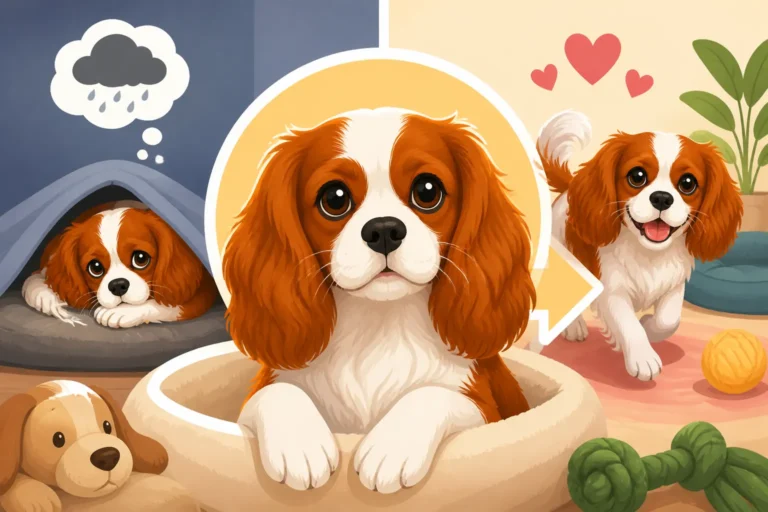
While their desire for closeness is charming, it also means that many Cavaliers can struggle significantly with separation anxiety. Because they are so deeply wired for human companionship, being left alone can be a genuinely distressing experience for them. This isn't just a puppy phase; it can be a lifelong challenge for some individuals. Signs might include excessive barking or howling when you leave, destructive chewing of furniture or doorframes, or even inappropriate urination or defecation.
Addressing separation sensitivity requires patience, consistency, and often, a gradual desensitization process. Never punish a Cavalier for these behaviors, as they are rooted in distress, not defiance. Building up their tolerance for alone time in very short increments, using calming cues, and providing engaging enrichment toys can help. For severe cases, consulting a professional behaviorist or vet about Medication for Cavalier Separation Anxiety or other interventions might be necessary. The goal is to help your Cavalier feel safe and secure, even when you're not physically present, transforming their anxiety into calm independence. This isn't about making them less loving; it's about fostering their confidence.
Trainability and Sensitivity
Cavaliers are generally considered eager to please and intelligent, making them quite trainable. However, their spaniel sensitivity and gentle nature mean that training methods must be carefully chosen to bring out the best in them.
A Desire to Please, but Easily Upset
Cavaliers genuinely want to make their humans happy. This "desire to please" makes them highly responsive to training when approached correctly. They thrive on positive interaction and praise, soaking up attention like little sponges. This means they often pick up basic commands quickly and enjoy learning new tricks. They love the mental stimulation and the bond it creates with their owner.
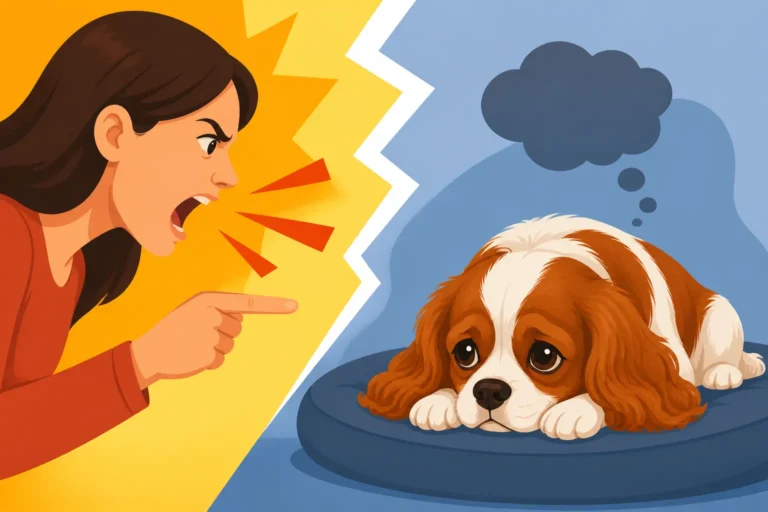
However, this very sensitivity means they are easily upset by harsh corrections, loud voices, or impatient handling. A Cavalier is likely to shut down, become fearful, or even start avoiding interaction if training is too stern or intimidating. Their soft nature makes them particularly vulnerable to training methods that rely on intimidation or punishment. They might retreat emotionally, making future training much more difficult, and potentially damaging their trusting relationship with you. A gentle approach is always the most effective path with a Cavalier.
The Importance of Positive Reinforcement
Given their sensitive disposition, positive reinforcement is not just the best method for training a Cavalier; it's practically the only truly effective one for maintaining their joyful spirit and willingness to learn. Reward-Based Training With a Cavalier focuses on rewarding desired behaviors with treats, praise, toys, or anything your Cavalier finds motivating. This creates a positive association with learning and encourages them to repeat the actions that earn them good things.
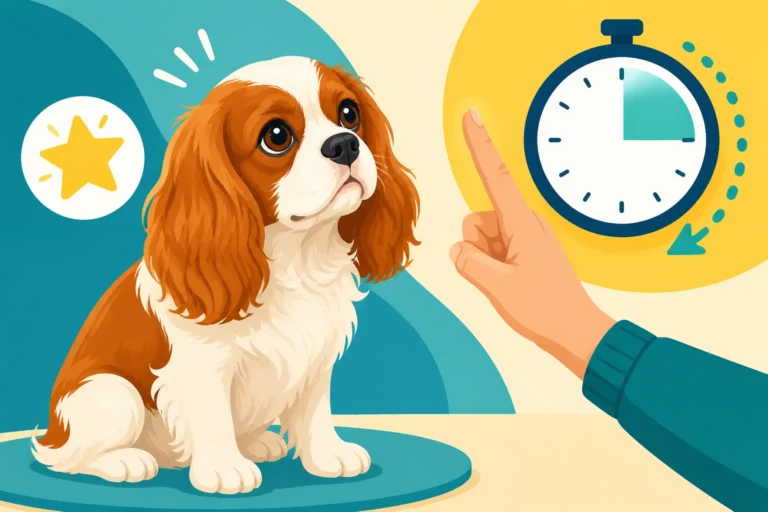
For example, when teaching "sit," as soon as their bottom touches the ground, a cheerful "yes!" and a small, high-value treat work wonders. This builds their confidence and makes training a fun game rather than a chore. Consistency is key, and short, frequent training sessions (5-10 minutes) are far more effective than long, drawn-out ones. Brands like BAXTER & Bella offer online puppy and dog training programs that heavily emphasize positive reinforcement, providing structured guidance that aligns perfectly with a Cavalier's temperament. They understand that gentle breeds need gentle guidance to truly flourish and become well-adjusted members of the family.
Short Attention Spans and Gentle Hands
While intelligent, Cavaliers also have a relatively short attention span, especially as puppies and when faced with distractions. This is another area where their spaniel heritage shows through; working spaniels needed to be attentive but also agile and quick to react to changing stimuli in the field. This translates into a dog that can sometimes be easily distracted by a new smell, a passing person, or even just a sudden noise.
Therefore, training sessions should be kept brief and engaging. End on a high note, even if it means finishing after just one successful command. Use clear, consistent cues and avoid overwhelming them with too much information at once. When handling your Cavalier, whether for grooming, vet visits, or general interaction, always use gentle hands and a soothing voice. They remember negative experiences keenly, and building a foundation of trust through gentle handling is crucial. Even a simple act like putting on their harness should be a positive experience, possibly paired with a treat, to ensure they remain comfortable and cooperative.
Water, Mud, and Feathered Adventures
You might think of your Cavalier as a dainty creature, preferring plush carpets to muddy fields. And while many do enjoy their creature comforts, don't be surprised if you discover a hidden adventurous streak, particularly when it comes to water and getting a little messy. It's another nod to their working spaniel roots.
A Hidden Love for Getting Dirty
Spaniels, by their nature, are outdoor dogs. They were bred to work in various terrains, often involving damp undergrowth, muddy fields, and dense cover. Even though your Cavalier hasn't likely seen a day of active hunting, this genetic inclination can manifest in a surprising enthusiasm for "dirty" activities. A roll in a freshly mown, dewy lawn, a quick dip in a muddy puddle, or an energetic sniff-and-dig session in a flower bed can bring a Cavalier immense joy.
Owners often find themselves bewildered when their meticulously groomed Cavalier suddenly transforms into a mud monster. This isn't naughtiness; it's simply them indulging an innate desire to explore and interact with their environment in a very spaniel-like way. Providing them with designated, safe areas to explore and get a little dirty, or even just allowing them a few minutes of enthusiastic sniffing in long grass, can be a great outlet for this instinct. Just make sure you have a towel ready!
The Allure of Puddles and Ponds
While some Cavaliers might be hesitant around large bodies of water, many exhibit a distinct fascination with puddles, streams, and shallow ponds. This can range from enthusiastically splashing their paws in a rain puddle to wading belly-deep into a creek. Again, this harks back to their retrieving days when working spaniels would readily enter water to retrieve fallen game.
For a Cavalier, a body of water isn't just a barrier; it's an invitation. The cool sensation, the interesting smells carried on the water, and the sheer fun of splashing around can be incredibly enticing. If you have access to safe, clean water, allowing your Cavalier to explore it can be a wonderful form of enrichment and exercise. Always supervise them closely, especially in moving water, and ensure they don't ingest anything harmful. A small, child-sized wading pool can even be a fantastic summer treat in your own backyard, allowing them to cool off and indulge their inner water dog. Don't forget their beautiful long ears often need protecting from getting soaked in their water bowl, which is where a handy snood (easily found on Amazon) comes in!
Guarding and Alerting Behaviors
While not typically known as guard dogs, Cavaliers can surprise owners with their vocalizations and protective instincts, especially when it comes to announcing visitors or perceived threats. These behaviors are also rooted in their historical relationship with humans, acting as small, loyal companions who would naturally alert their people to anything unusual.
The "Tiny Watchdog" Instinct
Despite their small stature and gentle demeanor, many Cavaliers possess a definite "tiny watchdog" instinct. They are keenly aware of their surroundings and particularly attuned to activity outside their home. A rustle in the bushes, a squirrel on the fence, or a delivery person approaching the door can all trigger an alert bark. This isn't usually aggressive; rather, it's an attempt to inform their family that something is amiss or noteworthy.
This instinct likely evolved from their historical role in homes. Even as pampered pets, a sudden bark from a small dog could alert a human to an unexpected guest or a potential intruder, providing an early warning system. They feel it's their job to tell you what's happening. While it can be endearing, it can also become excessive if not managed, particularly in busy neighborhoods where there are constant external stimuli.
Barking at the Doorbell and Beyond
The most common manifestation of this watchdog instinct is barking at the doorbell, mail carrier, or anyone approaching the front door. This is a classic "alert bark." Your Cavalier isn't necessarily being aggressive; they're simply announcing the arrival of an outsider. You might even find them barking at sounds you don't even register, thanks to their superior hearing.
Addressing Why a Cavalier Barks at Every Delivery effectively involves a combination of management and training. Management might include using frosted window film to limit their view of outside activity or diverting their attention with a treat-filled toy when you know someone is coming. Training involves teaching them an alternative, desirable behavior, like going to a mat or bed and staying quiet when the doorbell rings, and rewarding that calm behavior generously. Consistency is key here. It's not about stopping them from communicating entirely, but about teaching them a more appropriate way to express their "alert."
Channeling Instincts into Positive Activities
Understanding your Cavalier's inherent spaniel instincts isn't just about managing unwanted behaviors; it's also about finding positive, enriching outlets that allow them to express these natural drives in a constructive way. This fulfills their needs and strengthens your bond.
Scent Work and Nose Games
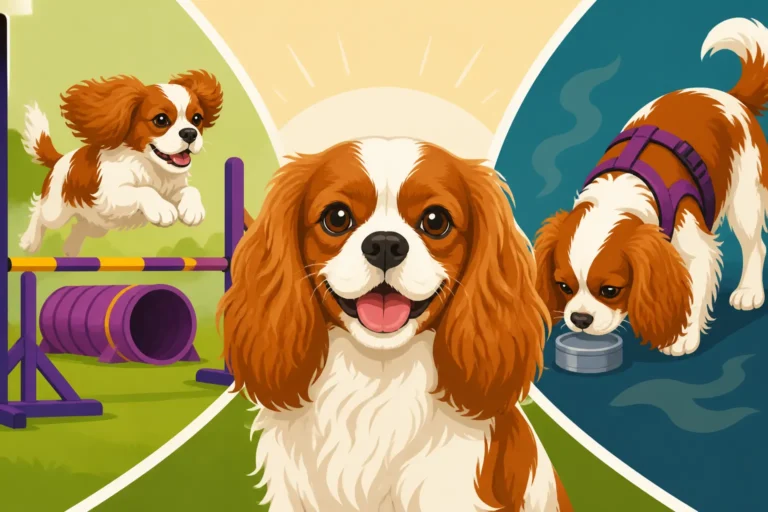
Given their strong scent drive, nose work is an absolute winner for Cavaliers. It taps into their natural inclination to use their powerful noses and provides immense mental stimulation, which can be just as tiring as physical exercise. Simple games like "find the treat" where you hide small, high-value treats around a room for them to sniff out are a fantastic starting point. You can progressively make it harder by hiding treats under cups, behind furniture, or even scattering them in the grass outside.
More formal scent work classes or kits, easily found on Amazon, can teach them to identify specific odors. This activity builds confidence, focuses their energy, and allows them to perform a task they are genetically programmed for. Scent Work as a Low-Impact Cavalier Sport is particularly beneficial for older Cavaliers or those with joint issues, as it doesn't put stress on their bodies but still engages their minds completely. Plus, watching them intently follow a scent trail is incredibly rewarding!
Agility and Obedience for the Energetic Cavalier
While Cavaliers aren't typically known as high-drive agility dogs, many individuals absolutely thrive on activities like agility, rally, or advanced obedience. Their desire to please, combined with their natural athleticism (despite their small size), makes them excellent candidates for these sports. These activities provide both physical and mental exercise, burning off excess energy and satisfying their need for a "job."
In agility, they learn to navigate obstacle courses, which builds body awareness and confidence. Rally and obedience focus on structured, precise movements and teamwork between dog and handler. These sports are a wonderful way to channel their intelligence and energy. Remember to choose classes that use positive reinforcement and gentle handling, which is crucial for sensitive Cavaliers. For more specific insights into these activities, check out Cavaliers in Agility, Rally and Scent Work. Always ensure jumps and obstacles are adjusted to suit their size and potential joint predispositions like patellar luxation.
Therapy Work: A Natural Fit
Perhaps one of the most beautiful and fitting outlets for a Cavalier's deeply affectionate and gentle spaniel nature is therapy work. Their calm demeanor, desire for human contact, and soft, comforting presence make them exceptional therapy dogs. They seem to intuitively understand when someone needs quiet companionship or a gentle nuzzle.
The process of Getting a Cavalier Certified as a Therapy Dog involves temperament testing to ensure they are well-behaved, calm in various environments, and enjoy interacting with strangers. Once certified, they can bring joy and comfort to people in hospitals, nursing homes, schools, and libraries. This role allows them to fully express their innate ability to connect with and soothe humans, a trait deeply embedded in their historical purpose as companion animals. It's a testament to their enduring legacy as "comforter spaniels."
Cavalier Instincts and Outlets
Here's a quick overview of common Cavalier instincts and suitable ways to channel them:
| Instinctual Behavior | Description | Positive Outlets / Management Strategies |
|---|---|---|
| Scenting/Tracking | Strong urge to follow interesting smells; nose often glued to the ground on walks. | Nose work games (e.g., "find it," hiding treats), puzzle toys, scent detection classes. Allow supervised sniff time on walks, rather than rushing. |
| Flush and Chase | Quick bursts of pursuit for moving objects (birds, squirrels, leaves). | Long line walks in safe, open areas, secure fencing, positive recall training (with high-value rewards), Lure Coursing (for fun, not competition). Always use a leash or long line in unfenced areas. |
| Companionship/Clinginess | Strong desire to be near humans, often following them from room to room. | Include them in daily activities, provide designated "place" training (bed/mat) in various rooms, gentle training for alone time, enrichment toys when alone. Consider a dog walker or pet sitter for long absences. |
| Alert Barking | Vocalization to announce visitors, noises, or perceived threats. | Desensitize to triggers (doorbell, mail carrier), teach "quiet" command, use window film, provide distraction (e.g., puzzle toy) when visitors arrive. Reward calm behavior. |
| Curiosity/Exploration | Interest in new environments, textures, and sometimes getting dirty (mud, puddles). | Supervised exploration in safe outdoor areas, allow controlled interaction with safe puddles/water, provide enrichment walks with new routes, offer texture-rich toys. |
| Desire to Please | Eager to learn and respond to positive interaction. | Positive reinforcement training (rewards, praise), short and engaging training sessions, confidence-building games, trick training, agility/rally (modified for their size/joints). |
| Sensitivity | Easily upset by harsh corrections, loud noises, or stress. | Use gentle, calm voice and hands; avoid punishment; create a consistent, predictable routine; provide a safe retreat space. |
Understanding and honoring these deep-seated spaniel instincts is crucial for raising a happy, well-adjusted Cavalier. Rather than trying to suppress these natural behaviors, learn to channel them into appropriate and enriching activities. Your Cavalier isn't just a pretty face; they are a vibrant, intelligent, and historically rich little dog with a lot to offer, if you simply speak their ancestral language. Embrace their inner spaniel, and you'll unlock an even deeper bond with your charming companion. Whether they're tracking a scent through the park or simply melting into your lap, every act is a reflection of their incredible heritage.
Disclaimer
This article is for general informational purposes only and does not constitute professional advice. Laws, prices and regulations vary by location and change over time. Consult a qualified professional for guidance on your specific situation.