A Cavalier That Rolls Over and Freezes
It can be incredibly unsettling to see your sweet Cavalier suddenly roll onto their back and then just freeze. It's not the happy, floppy "rub my belly!" invitation you usually see; instead, it's often a rigid, unmoving posture that leaves you wondering if they're hurt, scared, or trying to tell you something you're completely missing. This guide is here to help you understand why your Cavalier might be exhibiting this specific behavior, what it means, and what steps you can take to help them.
The Body Language of a Cavalier Rolling Over and Freezing
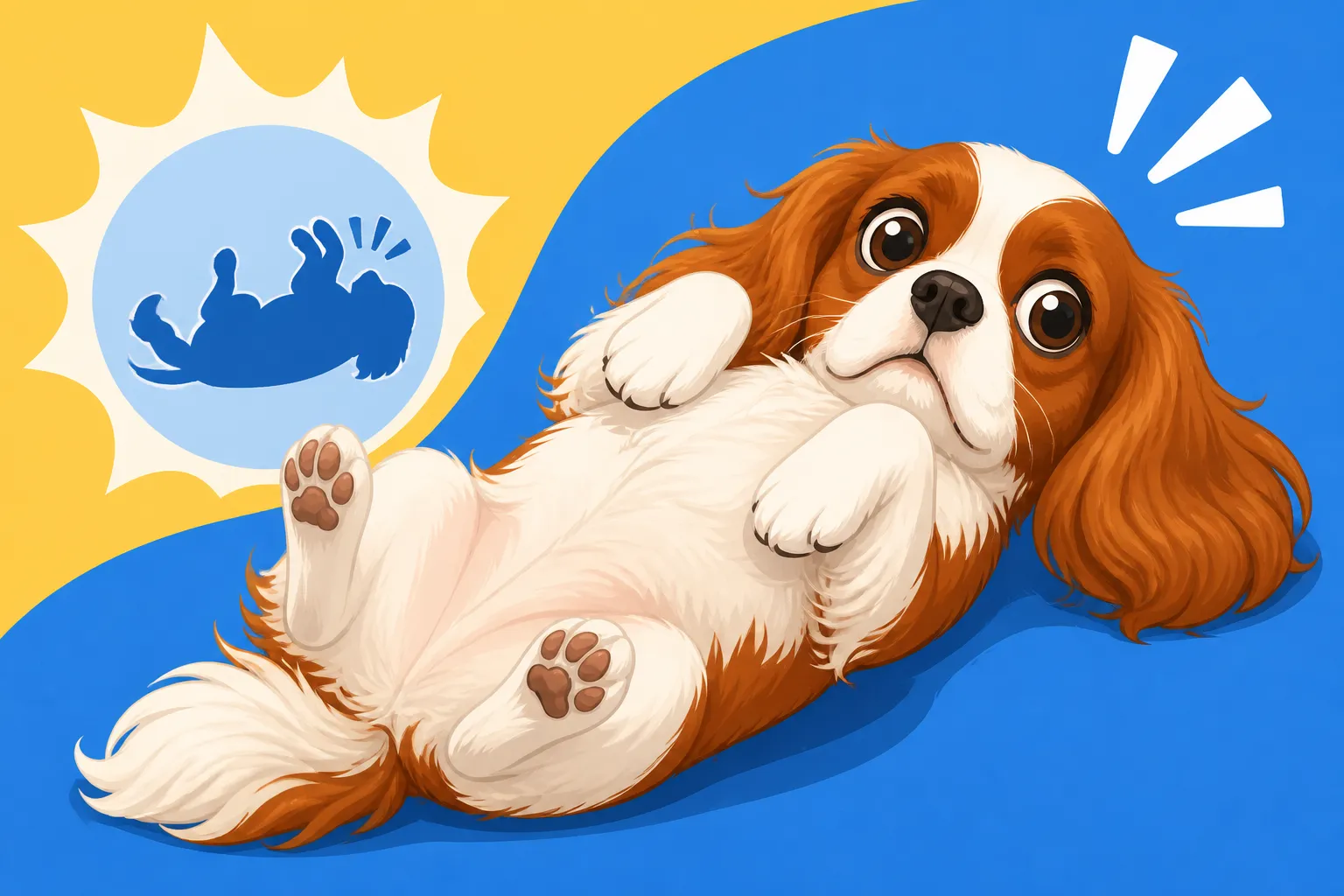
When a Cavalier King Charles Spaniel rolls onto its back, our first instinct is often to assume it's an invitation for a belly rub. After all, they are famously affectionate little dogs! However, a true "freeze" behavior is distinct from this playful gesture. It's a nuanced form of canine communication that often signals deep discomfort, fear, or an attempt to de-escalate a perceived threat. Understanding the subtle cues that accompany the roll and freeze is crucial for correctly interpreting your dog's message.
Distinguishing Submission from Playful Invitations
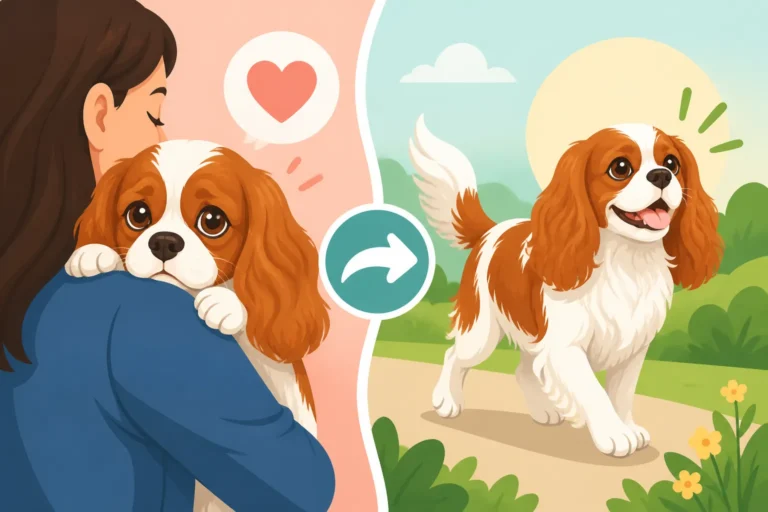
A playful belly rub invitation usually comes with a relaxed body, perhaps a soft, open mouth, a gently wagging tail (even if the dog is on their back, the tail might still give a little thump-thump), and loose, soft eyes. They might even wriggle a bit, inviting interaction. It's a happy, confident dog showing trust and asking for affection.
In contrast, a Cavalier who rolls over and freezes will exhibit a very different set of signals. Their body will likely be stiff, not floppy. Their tail, if visible, might be tucked tightly between their legs or held rigid. Their ears might be flattened against their head. Their eyes, often the most telling feature, will likely be wide, showing the whites (whale eye), or they might be squinted, avoiding direct gaze. They won't be inviting interaction; in fact, they might actively avoid eye contact or turn their head away. Breathing might be shallow or rapid. This isn't a plea for pets; it's a plea for space and safety. It's their way of saying, "I'm not a threat, please don't hurt me." This can happen when they feel overwhelmed by a situation, a new person, or another dog. It's a classic "flight, fight, freeze" response, and your Cavalier has chosen 'freeze.'
Common Triggers for a Cavalier to Freeze
Cavaliers, for all their charm, can be quite sensitive souls. There are many scenarios that might trigger this kind of defensive freezing behavior. It could be something as simple as a sudden loud noise, like a dropped pan or a car backfiring outside. For some Cavaliers, feeling cornered or overwhelmed by an approaching child or an boisterous dog can lead to this response. Perhaps they've had a negative experience in the past, and a certain situation now reminds them of it, causing them to shut down.
Think about situations where you've noticed this behavior. Does it happen when a particular person approaches them? Is it during grooming, especially if they dislike nail trims or ear cleaning? Does it occur during vet visits or when another dog gets too close for comfort? These observations are vital clues. For example, if your Cavalier freezes when you lean over them to put on their harness, it might be that they perceive your approach as threatening, even if you have the best intentions. They aren't trying to be difficult; they are genuinely feeling vulnerable.
Is It Submission or Something More?
While rolling over can be a submissive gesture, the "freezing" component adds a layer of complexity. It often points to an underlying emotional state that goes beyond simple deference. It might be fear, anxiety, or even a subtle sign of physical discomfort. It’s important to understand the nuance here because how you respond can either alleviate their distress or inadvertently make it worse.
Fear and Anxiety as Underlying Causes
Many times, a Cavalier that rolls over and freezes is experiencing fear or anxiety. This isn't always overt fear, like barking or cowering. Sometimes, especially in a dog as gentle as a Cavalier, it manifests as a complete shutdown. They might be trying to make themselves appear as small and non-threatening as possible, hoping that whatever is causing them distress will simply pass by.
Consider if your Cavalier is generally prone to being a little nervous or easily startled. Do they struggle with new environments or loud noises? Socializing a Cavalier That Startles Easily discusses how important gentle exposure is. A dog that is constantly a bit overwhelmed might resort to freezing as a coping mechanism. They might be thinking, "If I don't move, maybe it will go away." This is a deeply ingrained survival instinct. If they are often left alone for long periods, or experience separation anxiety, they might be carrying a baseline level of stress that makes them more susceptible to freezing when faced with even minor stressors. Why a Cavalier Cannot Be Left All Day delves into their need for companionship.
Pain or Discomfort as a Factor
This is a critical area to consider, especially with Cavaliers. Given their breed-specific health concerns, physical pain or discomfort can absolutely manifest as behavioral changes, including freezing. A dog in pain might roll over and freeze because movement is painful, or because they are trying to protect a sensitive area of their body. They might also be more irritable or fearful when hurting, making them more reactive to situations that wouldn't normally bother them.
Conditions like Syringomyelia (SM), which causes fluid-filled cavities in the spinal cord, can lead to chronic neck and shoulder pain. A Cavalier with SM might yelp when picked up or touch their neck, and might freeze if they anticipate being handled in a way that causes pain. A Cavalier That Yelps When Picked Up highlights this specific symptom. Other musculoskeletal issues, even something like a minor strain or early arthritis, could also be a culprit. If this behavior is new or appears to be getting worse, a trip to the vet is absolutely in order to rule out any underlying medical conditions. Don't assume it's "just behavior" without a thorough check-up.
| Behavior Trait | Playful Belly Roll | Fear-Based Freeze |
|---|---|---|
| Body Posture | Relaxed, loose, perhaps wiggling | Stiff, rigid, tucked limbs or tail |
| Tail | Gentle wag or soft thumps | Tucked tightly or held very still |
| Facial Expression | Soft eyes, relaxed mouth | Wide eyes (whale eye), squinted, avoiding gaze |
| Ears | Natural position, relaxed | Flattened against head |
| Vocalization | Happy grunts, no sound | Silent, sometimes low whine or sigh |
| Interaction | Invites pets, might nudge | Avoids interaction, hopes to be left alone |
| Breathing | Normal, relaxed | Shallow or rapid |
| Context | Familiar, safe, seeking affection | Stressful, perceived threat, uncomfortable |
When to Be Concerned: Red Flags and Next Steps
Observing your Cavalier’s behavior requires a keen eye, and knowing when to escalate your concerns is paramount. While some freezing might be minor appeasement, certain red flags indicate it's time to take more serious action, potentially involving veterinary professionals or certified behaviorists.
Signs That Warrant Veterinary Attention
If your Cavalier's freezing behavior is accompanied by any of the following, it's crucial to consult your veterinarian promptly:
- Sudden Onset: If this is a completely new behavior that started without any clear change in environment or routine, it could point to a new underlying health issue.
- Increased Frequency or Intensity: If it's happening more often, in more situations, or the freezing episodes are longer and more profound, this warrants investigation.
- Pain Signals: Look for any other signs of pain, such as yelping when touched, reluctance to move, limping, changes in gait, sensitivity when petting, or A Cavalier That Stops Jumping on the Sofa. They might also sleep with their head raised or refuse stairs, which can be subtle signs of neck pain.
- Loss of Appetite or Lethargy: Any general change in their well-being, like not eating, drinking less, or being unusually tired, should always prompt a vet visit.
- Aggression: While freezing is generally a passive response, sometimes chronic pain or fear can escalate into snapping or growling if the dog feels cornered or if their warnings are ignored. A Cavalier That Snaps Because Its Neck Hurts explains this further.
- Coordination Issues: If you notice any wobbliness, stumbling, or an inability to properly coordinate their movements before or after the freezing, this is a serious red flag.
A thorough physical exam by your vet is the first step. They can check for obvious pain points, neurological deficits, and general health. They might recommend further diagnostics, such as X-rays or even an MRI if a neurological condition like Syringomyelia is suspected. Don't try to self-diagnose; let the professionals guide you.
Consulting a Certified Professional Dog Trainer or Behaviorist
Once medical causes have been ruled out (or are being managed), the next step is often to consult a certified professional dog trainer or veterinary behaviorist. These experts specialize in understanding and modifying canine behavior through positive, ethical methods.
A good behaviorist or trainer will observe your Cavalier in various scenarios, ask detailed questions about the triggers, and help you understand the specific communication your dog is trying to convey. They won't judge you or your dog; they'll provide strategies tailored to your Cavalier's unique personality and situation. They can help you:
- Identify specific triggers: Sometimes, what we think is the trigger isn't the actual cause. A professional can spot subtle environmental cues you might be missing.
- Implement desensitization and counter-conditioning: These are techniques that gradually expose your dog to the trigger while associating it with something positive, changing their emotional response over time. For example, if they freeze during grooming, a trainer can help you slowly introduce grooming tools while offering high-value treats.
- Teach you calming signals: Learning to recognize and respond to your Cavalier's calming signals before they resort to freezing can prevent the behavior from occurring.
- Develop a management plan: This might involve avoiding certain situations temporarily or creating safe spaces for your Cavalier when they feel overwhelmed.
Look for trainers who use reward-based methods, as Cavaliers are very sensitive and respond poorly to harsh corrections. Reward-Based Training With a Cavalier offers more insight into this approach. Resources like the Certification Council for Professional Dog Trainers (CCPDT) or the International Association of Animal Behavior Consultants (IAABC) can help you find qualified professionals in your area. For online learning, platforms like BAXTER & Bella offer comprehensive puppy training programs that emphasize positive reinforcement and understanding canine body language, which can be invaluable even for adult dogs needing behavioral adjustments. Many of their modules cover building confidence and addressing fear responses in a gentle way.
Practical Steps to Address This Behavior
It's a distressing moment when your Cavalier rolls over and freezes, and your heart just aches to help them. Thankfully, there are many practical and empathetic steps you can take to understand and address this behavior. The key is to remember that your Cavalier is likely feeling vulnerable, and your response needs to be gentle, reassuring, and consistent.
Creating a Safe and Predictable Environment
One of the most powerful things you can do for an anxious Cavalier is to establish a safe, predictable environment. Dogs thrive on routine, and a consistent schedule can significantly reduce stress.
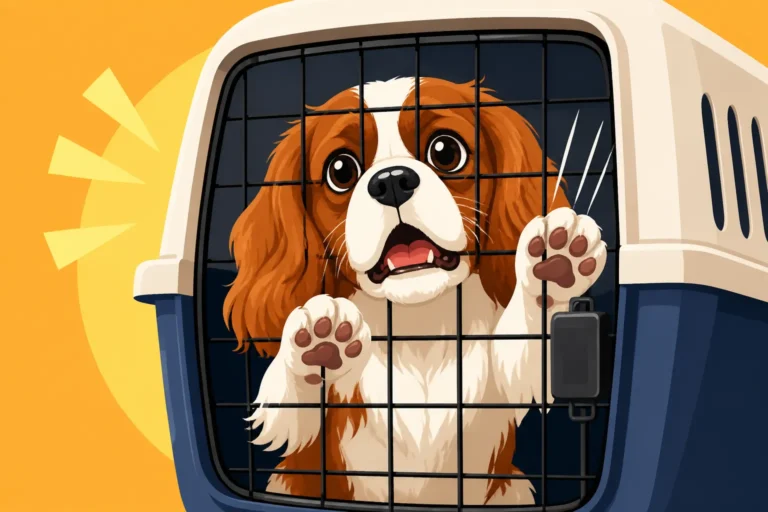
- Designate a "Safe Zone": Ensure your Cavalier has a quiet, comfortable space where they can retreat when feeling overwhelmed. This could be a crate, a dog bed in a low-traffic area, or even a soft blanket under a table. Teach them that this is their sanctuary, and no one will bother them there. You can enhance this space with comforting items, like a favorite toy or a blanket that smells like you. This gives them agency and control over their environment, which is vital for building confidence.
- Maintain Routine: Consistent feeding times, walk schedules, and bedtime routines help your Cavalier anticipate what's coming next, reducing uncertainty. If their world feels predictable, they are less likely to feel surprised or threatened by unexpected events.
- Control Environmental Triggers: If you know specific sounds or situations trigger the freezing, try to minimize exposure. This might mean keeping the TV at a lower volume, closing curtains if street activity is a problem, or ensuring guests understand your Cavalier needs space. If you're having a gathering, ensure your Cavalier has that safe zone to escape to. You might even consider playing calming music or white noise to mask disturbing sounds.
Positive Reinforcement and Confidence Building
Once you've ensured your Cavalier is medically sound and has a stable environment, focusing on positive reinforcement and confidence-building exercises can make a huge difference.
- Reward Calmness: When your Cavalier is relaxed and not freezing, praise them softly and offer a treat. The goal is to reinforce calm behavior in various situations, rather than only reacting when they're distressed. For instance, if a new person enters the room and your Cavalier remains relaxed, mark that moment with a quiet "good dog" and a tasty treat.
- Gentle Socialization: If other dogs or people are triggers, reintroduce them very slowly and positively. Start with short, controlled exposures from a distance, rewarding your Cavalier for staying calm. Gradually decrease the distance as they show comfort. This process, known as counter-conditioning and desensitization, helps them associate the trigger with positive experiences. For tips on managing interactions, look at Whether a Cavalier Reads Bigger Dogs Correctly.
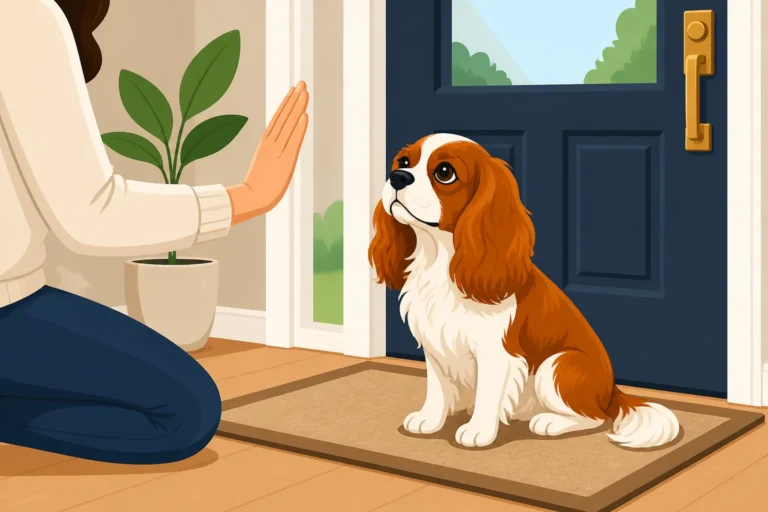
- Obedience Training: Basic obedience commands (sit, stay, come) build confidence by giving your Cavalier a "job" and a sense of understanding what you expect. Use purely positive, reward-based methods. Short, fun training sessions, perhaps with a special training treat they love, can strengthen your bond and their self-esteem. You can find many clicker training guides online or through reputable dog training platforms like BAXTER & Bella, which emphasize clear communication and positive reinforcement.
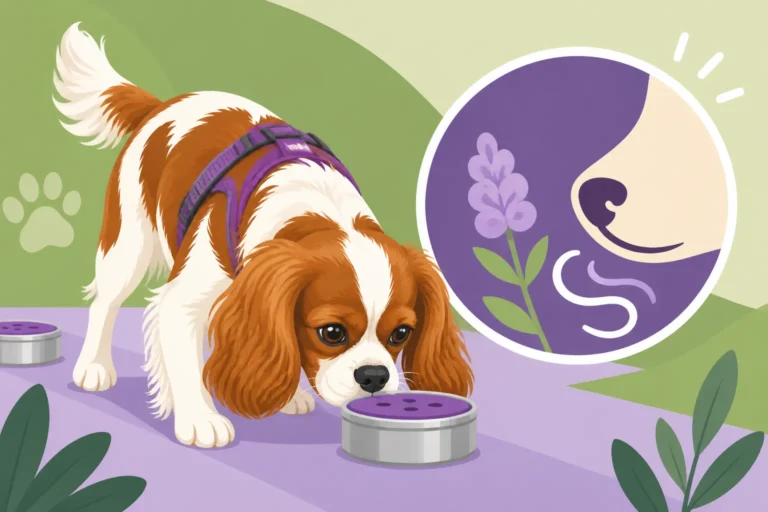
- Puzzle Toys and Enrichment: Mental stimulation can help reduce anxiety and build confidence. Amazon offers a wide variety of puzzle toys that challenge your Cavalier's brain, diverting their energy and focus in a positive way. Snuffle mats, treat-dispensing toys, and lick mats can provide satisfying mental work and help them feel more secure.
Learning to Read Your Cavalier's Signals
Your Cavalier is constantly communicating with you, and learning to interpret their subtle cues can help you intervene before they feel the need to freeze.
- Observe Body Language: Pay attention to their ears (pinned back?), eyes (wide, whale eye?), mouth (tightly closed, lip licking?), and posture (tense, hunched?). These are often early warning signs of discomfort or stress.
- Identify Pre-Freeze Cues: Does your Cavalier yawn, lick their lips, turn their head away, or try to move behind you right before they freeze? Recognizing these early signals allows you to remove them from the stressful situation or adjust your approach before they feel completely overwhelmed. For example, if your Cavalier always offers a quick lip lick when you pick up the nail clippers, it's a signal to slow down, offer treats, and maybe only do one nail at a time.
- Respect Their Space: If your Cavalier is showing signs of discomfort, don't push them. Give them space. Forcing interaction when they are scared can erode trust and worsen their anxiety. Sometimes, the best thing you can do is simply walk away, giving them the opportunity to calm down on their own terms.
- Filming for Analysis: It can be helpful to subtly Filming a Cavalier While You Are Out or during known trigger situations. Reviewing the footage later can help you identify specific triggers or subtle body language cues you might miss in the moment. This objective view can be incredibly insightful for tailoring your approach.
Remember, addressing this behavior is a journey, not a sprint. Be patient, consistent, and always prioritize your Cavalier's emotional well-being. With understanding and the right approach, you can help your Cavalier feel safer and more confident in their world.
Disclaimer
This article is for general informational purposes only and does not constitute professional advice. Laws, prices and regulations vary by location and change over time. Consult a qualified professional for guidance on your specific situation.