Cavalier Ear Infections and Why They Recur
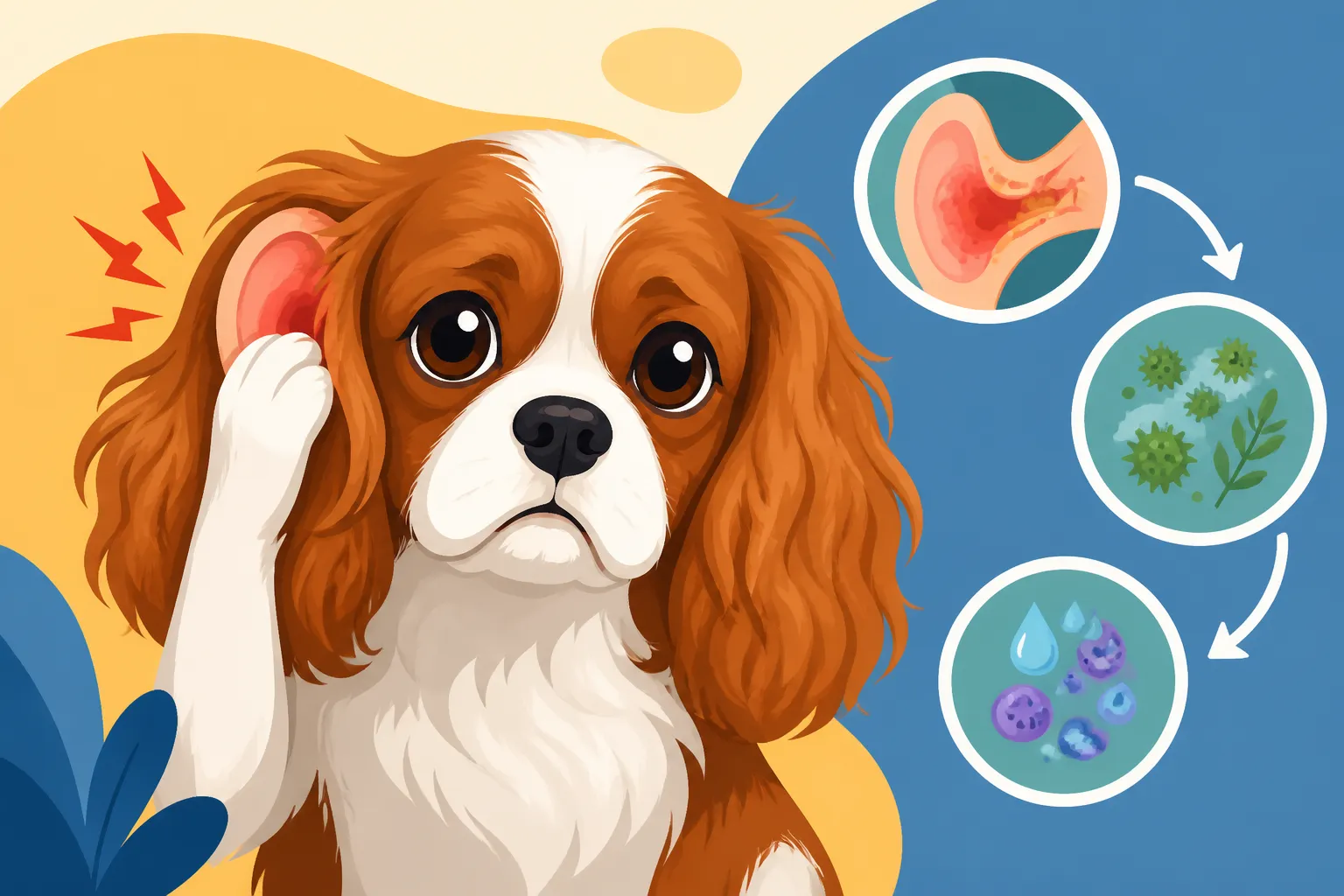
If you're a Cavalier owner, you've likely experienced that familiar sight: your sweet pup shaking their head, scratching frantically at their ears, or perhaps you've noticed a tell-tale odor or discharge. Ear infections are a frustratingly common bane for our beloved King Charles Spaniels, often feeling like a relentless cycle that's hard to break. This comprehensive guide is here to shed light on why these infections are so prevalent in Cavaliers and, more importantly, how you can work with your vet to manage and prevent their stubborn recurrence.
Why Cavalier Ears Are Prone to Trouble
It’s not just bad luck that Cavaliers seem to battle ear infections more often than some other breeds. Their unique anatomy and genetic predispositions create a perfect storm for these persistent problems. Understanding these foundational factors is the first step in effective management.
The Anatomy of a Cavalier's Drop Ears
The most obvious feature contributing to ear issues in Cavaliers is their beautiful, long, pendulous drop ears. While undeniably charming, these ears act like warm, moist blankets draped over the ear canal, severely restricting airflow. Think about it: an ear that can't breathe properly becomes a dark, humid incubator, an ideal breeding ground for bacteria and yeast to flourish. This is a primary reason why a Cavalier's drop ears trap infection so readily.
Unlike dogs with prick ears that allow for natural ventilation, the heavy ear leather of a Cavalier creates a microclimate that traps moisture and heat. After a bath, a swim, or even just a particularly humid day, that moisture gets locked in, creating prime conditions for overgrowth of microorganisms that are normally present in small, harmless amounts. This structural reality means that routine ear care isn't just a suggestion for Cavaliers; it's an absolute necessity. Without diligent attention, this physical characteristic almost guarantees a higher likelihood of recurrent problems.
Allergic Tendencies in Cavaliers
Beyond the physical structure of their ears, many Cavaliers have an underlying predisposition to allergies, which often manifest as chronic ear inflammation and infection. Whether it's environmental allergens like pollen, dust mites, or certain foods, when a Cavalier's immune system overreacts, one of the first places to show symptoms can be the ears.
This allergic reaction causes the skin lining the ear canal to become inflamed, itchy, and swollen. This irritation leads to increased wax production and a change in the ear's normal, healthy microbiome. The inflamed environment then becomes even more susceptible to secondary infections by yeast and bacteria. It's a vicious cycle: allergies lead to inflammation, which leads to infection, and the infection itself can cause further inflammation. Addressing these underlying allergies is critical for breaking the cycle of recurrent ear infections, especially if you find yourself constantly treating without lasting relief. It's not enough to just treat the infection; you need to tackle the root cause.
The Ear Canal's Environment and pH
The delicate balance of the ear canal's internal environment, including its pH levels, plays a crucial role in maintaining ear health. In a healthy ear, the pH is typically slightly acidic, which helps to inhibit the growth of pathogenic bacteria and yeast. However, factors like excessive moisture, inflammation from allergies, or even improper cleaning products can disrupt this delicate balance, shifting the pH to a more alkaline state.
When the ear canal becomes more alkaline, it creates an even more hospitable environment for undesirable microorganisms. This altered pH allows bacteria and yeast that thrive in such conditions to multiply rapidly, leading to full-blown infections. Furthermore, the ear canal of a Cavalier is quite long and L-shaped, making it difficult for debris and fluids to drain naturally. This anatomical feature, combined with an altered pH and reduced airflow, means that even a minor imbalance can quickly escalate into a persistent problem, making it tough for the ear to naturally clear itself of irritants and microbes.
Common Types of Cavalier Ear Infections
When your Cavalier is shaking their head and scratching, it's easy to just think "ear infection." But there are actually different types, each with its own characteristics and requiring specific treatments. Knowing the differences can help you understand your vet's approach.
Yeast Infections
Yeast infections, primarily caused by the fungus Malassezia pachydermatis, are incredibly common in Cavaliers, often giving off a distinct, sweet, musty odor that many owners describe as smelling like corn chips or stale bread. This particular yeast is a normal inhabitant of a dog's skin and ears, but when conditions are right – typically warm, moist, and inflamed – it can overgrow and cause problems.
Beyond the smell, you might notice a brownish, waxy discharge, and the ear canal lining can appear red and greasy. The itching can be intense, leading to persistent scratching and head shaking, sometimes to the point of causing skin abrasions around the ear. Yeast infections are frequently linked to underlying allergies, as the inflammation from an allergic reaction creates the perfect breeding ground. Treatment usually involves topical antifungal medications, and in severe or recurrent cases, oral antifungal drugs might be prescribed. Long-term management often focuses on identifying and controlling the underlying allergy to prevent future flare-ups.
Bacterial Infections
Bacterial ear infections can be more serious and are often characterized by a different set of symptoms compared to yeast. Common culprits include Staphylococcus and Pseudomonas bacteria. These infections can produce a variety of discharges—ranging from yellowish-green pus to thick, creamy, or dark brown waxy debris—and often carry a strong, sometimes foul, odor. The ear might be very painful to the touch, and your Cavalier may resist having their ear examined or cleaned.
Bacterial infections frequently occur secondary to other issues, like an untreated yeast infection or underlying allergies that have compromised the ear's defenses. If left untreated, severe bacterial infections can cause significant pain, ear canal damage, and in some cases, even spread to the middle or inner ear, leading to balance issues or deafness. Diagnosis usually requires cytology to identify the specific bacteria and often a culture and sensitivity test to determine which antibiotics will be most effective. Treatment involves targeted antibiotics, either topical or oral, and thorough professional cleaning of the ear canal.
Ear Mites
While less common in adult Cavaliers, especially those with good hygiene, ear mites (Otodectes cynotis) are a highly contagious parasitic infection that primarily affects puppies or dogs exposed to other infected animals. If you've just brought home a new Cavalier puppy and they're showing ear symptoms, mites should definitely be on the radar.
The classic sign of ear mites is an intense, relentless itch and a distinctive dark, dry, crumbly discharge that looks a bit like coffee grounds. This debris is a mixture of ear wax, blood, and mite excretions. You might even see your pup scratching so vigorously they cause raw spots behind their ears. Though tiny, these mites are incredibly irritating, causing significant inflammation and discomfort. Diagnosis involves your vet examining a sample of the ear discharge under a microscope to identify the mites. Treatment typically involves specific ear drops designed to kill the mites, often combined with medications to soothe inflammation and address any secondary bacterial or yeast infections that may have developed due to the irritation.
Recognizing the Signs of Trouble
As a Cavalier owner, you become attuned to your dog's subtle cues. Learning to recognize the early signs of an ear infection can make a huge difference in how quickly and effectively it's treated, potentially preventing it from spiraling into a more severe, painful issue.
Early Indicators of Discomfort
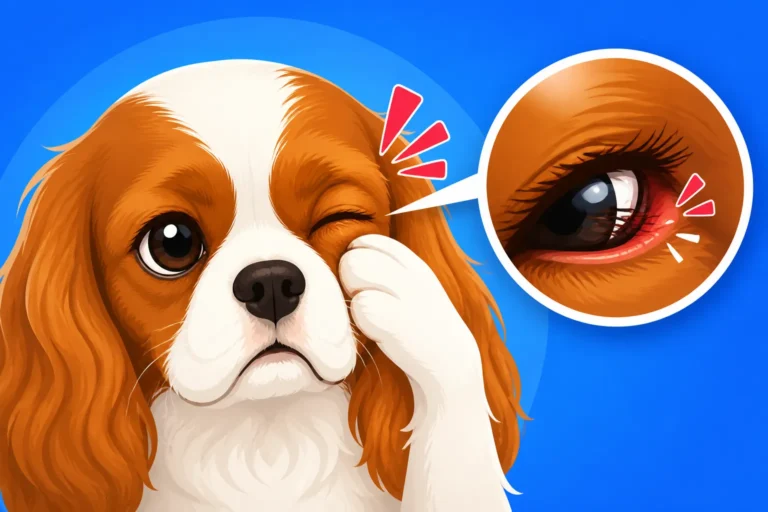
Often, the first signs of an impending ear infection are subtle, easily missed if you're not paying close attention. Your Cavalier might start shaking their head a little more frequently than usual, or perhaps they'll use a back paw to scratch their ear lightly while lying down. You might also notice them rubbing their head along furniture or the carpet, trying to relieve an itch that isn't yet severe enough to warrant frantic scratching.
Sometimes, the earliest clue is simply a change in the ear itself. The inside of the ear flap might appear a bit redder than usual, or you might detect a very faint, slightly sweet or musty smell – not yet the full-blown stench of an established infection, but just enough to signal that something is off. Catching these early hints can prompt you to check the ear more thoroughly and perhaps initiate a gentle cleaning with a vet-approved solution, which can sometimes nip a problem in the bud before it requires medication. Don't underestimate these small changes; they're your Cavalier's way of telling you they're not quite right.
Advanced Symptoms and Visible Changes
If those early signs are missed or ignored, the infection will likely progress, leading to more obvious and uncomfortable symptoms. This is when the head shaking becomes vigorous and constant, and the scratching is relentless, sometimes even breaking the skin around the ear, creating raw, painful areas. You might also see your Cavalier tilt their head to one side, trying to alleviate pressure or discomfort.
Visually, the ear canal itself will often look very red, swollen, and inflamed. There might be a noticeable discharge, which can be waxy, crusty, yellowish, or even pus-like, depending on the type of infection. A strong, unpleasant odor, which can be yeasty or foul, will become very apparent. The ear might also feel hot to the touch. Your Cavalier might yelp or withdraw when you try to touch their ear, indicating significant pain. At this stage, it's crucial to seek veterinary attention promptly, as the infection is likely well-established and causing your dog considerable distress.
Behavioral Changes to Watch For
Beyond the physical signs, a Cavalier with an ear infection might exhibit behavioral changes that indicate their discomfort. Your usually cheerful and cuddly companion might become withdrawn, less playful, or even a bit irritable. If they are normally eager for head scratches or ear rubs, they might now flinch, snap, or move away if you try to approach their head, especially near the affected ear.
Some Cavaliers might show a decrease in appetite or reluctance to engage in their usual activities because the pain and irritation are distracting them. In more severe cases, particularly if the infection has spread deeper into the ear, you might notice balance issues, such as stumbling, walking in circles, or a noticeable head tilt that persists even when they're relaxed. These behavioral shifts are important indicators that your Cavalier is in pain and needs immediate professional help. It's their way of communicating that their discomfort is impacting their quality of life.
The Vet Visit: Diagnosis and Treatment
When you suspect an ear infection, a trip to the veterinarian is essential. Self-treating can often make things worse or mask a more serious underlying issue. Your vet has the tools and expertise to accurately diagnose the problem and prescribe the most effective course of action.
Thorough Examination and Otoscopy
When you bring your Cavalier in with ear concerns, your vet will begin with a thorough physical examination, paying close attention to both ears, the surrounding skin, and looking for any signs of discomfort or pain. They'll likely palpate the ear canal gently to assess for swelling or pain response. The next crucial step is otoscopy. Using an otoscope, a handheld instrument with a light and magnifying lens, your vet will carefully examine the external ear canal all the way down to the eardrum (tympanic membrane).
This examination allows the vet to assess the degree of inflammation, the type and amount of discharge, identify any foreign bodies, polyps, or tumors, and most importantly, check the integrity of the eardrum. A ruptured eardrum, for example, would change the type of medication that can be safely used. This visual inspection provides vital clues about the nature and severity of the infection, guiding the next steps in diagnosis. Sometimes, if the ear is too painful or swollen, sedation might be needed to get a proper view and safely perform further diagnostics or cleaning.
Cytology and Culture Sensitivity
While the visual exam is important, the real detective work for recurrent or severe ear infections often begins with cytology and, if necessary, a culture and sensitivity test. For cytology, your vet will take a small swab of the ear discharge and roll it onto a microscope slide. This sample is then stained and examined under the microscope. This allows the vet to identify whether yeast, bacteria (and often the shapes of the bacteria), or mites are present, and in what quantities. It’s incredibly helpful for tailoring the treatment specifically to the organisms causing the problem.
If the infection is severe, chronic, or hasn't responded to initial treatments, a culture and sensitivity test might be recommended. This involves sending a sterile swab of the discharge to a laboratory where the organisms are grown (cultured) and then tested against various antibiotics and antifungals to determine exactly which medications will be most effective. This scientific approach ensures that your Cavalier receives the most potent and appropriate treatment, which is especially important for stubborn bacterial infections that might be resistant to common antibiotics.
Professional Ear Cleaning and Medication
Once the diagnosis is confirmed, treatment typically involves two main components: professional ear cleaning and medication. Your vet will likely perform a thorough, deep ear cleaning in the clinic. This is far more effective than what can be done at home, as they have specialized tools and solutions to safely remove all the accumulated wax, discharge, and debris from the ear canal. For very painful ears, or those with significant buildup, this might be done under sedation to ensure your Cavalier's comfort and allow for a truly effective clean.
After cleaning, your vet will prescribe appropriate medications based on the cytology and culture results. This could include topical ear drops containing antibiotics, antifungals, anti-inflammatory agents, or a combination of these. For more severe or deep-seated infections, oral antibiotics or antifungals might also be necessary. It's crucial to administer all medications exactly as prescribed, for the full duration, even if the ear seems to improve quickly. Stopping treatment too soon is a common reason why recurrent ear infections keep coming back, as it allows residual organisms to multiply again. Follow-up appointments are often scheduled to recheck the ear and ensure the infection has completely cleared.
| Type of Infection | Common Symptoms | Odor | Appearance of Discharge | Common Treatment |
|---|---|---|---|---|
| Yeast (Malassezia) | Intense itching, head shaking, redness | Sweet, musty, "corn chip" | Brownish, waxy, greasy | Topical antifungal ear drops, oral antifungals (severe) |
| Bacterial (Staphylococcus, Pseudomonas) | Pain, redness, swelling, head tilting, intense itching | Foul, unpleasant, sometimes absent | Yellowish-green pus, thick creamy, dark waxy | Topical antibiotics, oral antibiotics (often after culture) |
| Ear Mites (Otodectes) | Severe itching, frantic scratching, head shaking | Minimal to none | Dark, dry, crumbly, "coffee ground" like | Miticide ear drops, systemic antiparasitics |
Breaking the Cycle: Preventing Recurrence
Dealing with a Cavalier's recurrent ear infections can feel like a never-ending battle. The key to finally getting ahead of it lies in a multi-faceted approach that goes beyond just treating the immediate infection to focusing on long-term prevention.
Consistent and Correct Ear Cleaning Routines
One of the most powerful tools in preventing recurrent ear infections in Cavaliers is establishing a consistent and correct ear cleaning routine at home. Due to their drop ears, Cavaliers simply need more regular ear maintenance than many other breeds. Aim to clean your Cavalier's ears at least once a week, or more often if they are prone to wax buildup or have a history of infections. After baths or swimming, always make sure to dry their ears thoroughly – gently wiping the accessible parts of the ear canal and using cotton balls to absorb excess moisture.
When cleaning, use a vet-approved ear cleaner. Avoid cotton swabs, as these can push debris further into the ear canal and potentially damage the eardrum. Instead, gently lift the ear flap, apply the cleaner directly into the ear canal (following product instructions), then massage the base of the ear for 20-30 seconds. You'll hear a squishy sound. Allow your Cavalier to shake their head, then use a soft cotton ball or gauze wrapped around your finger to wipe away any loosened debris from the outer ear. This routine, though simple, significantly reduces the buildup of wax and debris that can harbor microbes. If you're unsure how to clean effectively, ask your vet or groomer for a demonstration. This proactive approach is vital for keeping their ears healthy, helping you avoid chronic issues like those discussed in Recurrent Ear Infections in a Cavalier.
Allergy Management Strategies
As we discussed, allergies are a major driver of recurrent ear infections in Cavaliers. Therefore, effectively managing any underlying allergies is paramount to breaking the cycle. This might involve a multi-pronged approach tailored to your Cavalier's specific allergens. For environmental allergies, your vet might suggest allergy testing (either blood tests or intradermal skin tests) to identify specific triggers. Once identified, strategies can include avoiding known allergens, using medicated shampoos, topical treatments, or systemic medications such as antihistamines, corticosteroids, or newer allergy-specific immunotherapies.
For suspected food allergies, a strict prescription elimination diet trial is often necessary. This involves feeding a novel protein or hydrolyzed protein diet exclusively for 8-12 weeks to see if symptoms improve. If they do, specific food ingredients can be gradually reintroduced to identify the culprits. Managing allergies is a long-term commitment, but it's often the single most effective way to reduce chronic ear inflammation and the subsequent infections. It can be a process of trial and error, but the relief it brings to your Cavalier's ears is well worth the effort.
Environmental and Dietary Considerations
Beyond specific allergy treatments, certain environmental and dietary adjustments can also play a significant role in preventing ear infection recurrence. In the environment, try to minimize exposure to common irritants like dust, strong perfumes, or cigarette smoke. Regular vacuuming and washing of pet bedding can help reduce dust mites. For Cavaliers who enjoy swimming, ensure their ears are thoroughly dried immediately afterward, perhaps even placing cotton balls (removed promptly) in their ears before they get wet to absorb water.
From a dietary perspective, beyond allergy-specific diets, some owners find that certain supplements can support overall skin and coat health, which indirectly benefits the ears. Omega-3 fatty acids, for instance, are known for their anti-inflammatory properties and can be a beneficial addition. Discuss any supplements with your vet to ensure they are appropriate for your Cavalier's specific health needs, especially if they are on other medications or have underlying conditions. Remember, every little bit helps in creating an environment where your Cavalier's ears can thrive, rather than constantly battling infection.
When It's More Than Just an Infection
Sometimes, even with diligent care and appropriate treatment, ear infections persist or recur with alarming frequency. In these cases, it's crucial to investigate further, as there might be an underlying issue that's complicating recovery or causing the problem in the first place.
Foreign Bodies and Structural Anomalies
A common, yet sometimes overlooked, cause of persistent ear irritation and infection is a foreign body lodged deep within the ear canal. Grass awns (foxtails), tiny pieces of debris, or even insects can become trapped, causing intense irritation, inflammation, and providing a perfect site for bacteria to thrive. These can be incredibly painful and often require veterinary removal, sometimes under sedation, as they can migrate deeper and even rupture the eardrum.
Beyond foreign bodies, some Cavaliers might have structural anomalies within their ear canal. This could include excessively narrow ear canals, tumors, or polyps growing within the ear. These growths can obstruct airflow, trap debris, and create an ideal environment for chronic infection. They also make it difficult for topical medications to reach the infection site effectively. If your Cavalier's ear infection isn't responding to conventional treatment, your vet may recommend advanced imaging like an MRI or CT scan, or even a deep ear scope (video otoscopy) to visualize the ear canal in detail and identify any hidden issues.
Polyps, Tumors, and Systemic Diseases
While less common, sometimes persistent ear problems can be a symptom of more serious underlying conditions, such as polyps, tumors, or even systemic diseases. Ear polyps are benign (non-cancerous) growths that can develop in the ear canal, often secondary to chronic inflammation. They act as physical obstructions, trapping moisture and debris and making it impossible for the ear to clear itself. Tumors, both benign and malignant, can also occur within the ear canal or surrounding structures, leading to similar issues. Both polyps and tumors usually require surgical removal for resolution.
Furthermore, certain systemic diseases can indirectly contribute to chronic ear infections. Hypothyroidism, for example, can lead to poor coat quality, skin issues, and a weakened immune system, making dogs more susceptible to infections, including those in the ears. Immune-mediated diseases can also play a role. If your vet suspects a systemic issue, they might recommend blood tests or other diagnostic procedures to check for these underlying health problems, as treating the primary disease is essential for resolving the recurrent ear infections.
Syringomyelia Mimicry
This is a particularly distressing point for Cavalier owners: sometimes, what looks like an ear infection or intense ear scratching might actually be a symptom of Syringomyelia (SM). Syringomyelia is a neurological condition where a Cavalier's skull is often too small for its brain, leading to the brain tissue being pushed into the spinal canal (Chiari-like malformation). This can disrupt the flow of cerebrospinal fluid, causing fluid-filled cysts (syrinxes) to form within the spinal cord.
One of the classic signs of SM is intense, phantom scratching at the neck, shoulder, or ear area, often without actually making contact with the skin (air scratching). The dog may yelp when picked up or when the neck area is touched, and can show pain or sensitivity around the head and ears. Because the pain often manifests around the ears, it can be easily mistaken for an ear infection. If your Cavalier is showing these signs, and ear treatments aren't yielding results, it is imperative to discuss Syringomyelia with your vet. A definitive diagnosis often requires an MRI scan. It's a cruel mimicry, and understanding the difference is vital for your Cavalier's well-being, as detailed in Telling Syringomyelia From a Cavalier Ear Infection.
Long-Term Management and Home Care
Preventing recurrent ear infections in your Cavalier is a continuous effort that requires vigilance and a proactive approach to home care. It's about creating a healthy ear environment and being prepared to act at the first sign of trouble.
Maintaining a Healthy Ear Environment
The goal of long-term management is to make your Cavalier's ears less hospitable for the bacteria and yeast that cause trouble. This starts with ensuring they are kept as dry and clean as possible. After every bath or any water exposure (like a romp in the rain or a swim), thoroughly dry the outer ear and the accessible parts of the ear canal with a soft cloth or cotton balls. You can even use a low-setting hairdryer held at a safe distance to ensure optimal dryness.
Beyond drying, incorporate regular use of a vet-approved ear cleaner, especially one with drying agents, into your routine. These cleaners help to acidify the ear canal, creating an environment that discourages microbial growth, and also help break down wax and debris. Some owners find that using a snood during meal times helps keep those lovely long Cavalier ears out of their food and water bowls, reducing moisture and contamination. Remember, prevention is far easier and less stressful for your Cavalier than treating an active infection. Consistency is truly key here.
Regular Grooming and Hair Management
The lush feathering and drop ears of a Cavalier, while beautiful, require specific grooming attention to prevent ear problems. Hair grows inside the ear canal in some dogs, and while Cavaliers don't typically have dense hair growth within the canal like some Poodle mixes, excessive hair around the ear opening can still contribute to poor air circulation. Your groomer can help by judiciously trimming hair around the ear canal entrance to promote better airflow without shaving the delicate ear leather.
Furthermore, ensuring the feathering on the outside of the ear is kept tangle-free and clean is important. Mats on the ear flaps can pull on the skin, cause irritation, and create more closed-off conditions. Regular brushing of the ear feathering, perhaps with a soft slicker brush or a metal comb, as discussed in The Combs That Reach Cavalier Feathering, helps keep the area tidy and allows you to inspect the ears more closely. A professional groomer who understands Cavalier coats knows exactly what to trim and what to leave, helping to maintain both their classic look and their ear health.
Monitoring for Early Signs and Quick Action
Despite all preventative measures, sometimes an infection can still brew. That's why constant monitoring and knowing what a healthy Cavalier ear looks like are crucial. Make it a habit to check your Cavalier's ears daily or every other day. Gently lift the ear flap, take a quick sniff for any unusual odors, and peek inside the visible part of the canal for redness, swelling, or discharge.
If you notice any of the early indicators – a little more head shaking, a slight redness, a faint smell – don't wait. Contact your vet for advice. Sometimes, a quick dose of a prescribed maintenance ear solution or an early veterinary check can prevent a full-blown infection that requires stronger medication. The quicker you address a brewing problem, the less pain and discomfort your Cavalier will experience, and the easier it will be to resolve. This proactive approach saves your Cavalier from prolonged suffering and often saves you money in the long run by avoiding more intensive and costly treatments for advanced infections.
Financial Realities and the Value of Pet Insurance
Dealing with recurrent Cavalier ear infections isn't just emotionally taxing; it can also become a significant financial burden. From repeated vet visits to specialized diagnostics and ongoing medications, the costs can add up quickly.
The Cost of Chronic Ear Care
The expenses associated with chronic ear infections can be surprisingly high. A single vet visit for an ear infection typically involves an examination fee, otoscopy, cytology, and the cost of ear medications (drops, oral antibiotics, or antifungals). This alone can easily run into hundreds of dollars. If the infection recurs, you're looking at these costs repeatedly throughout the year.
For more complex or stubborn cases, the costs escalate further. Allergy testing can range from a few hundred to over a thousand dollars. Diagnostic procedures like video otoscopy, MRI, or CT scans to rule out polyps, tumors, or Syringomyelia can cost thousands. Long-term allergy management, whether through prescription diets or ongoing medications, adds to the monthly expenses. When you factor in professional cleanings under sedation, specialized long-term ear maintenance products, and potential surgical interventions for obstructions, the lifetime cost of managing chronic ear issues in a Cavalier can be truly substantial. It's a harsh reality that many Cavalier owners face, underscoring the importance of preventative care and financial planning.
The Value of Pet Insurance for Cavaliers
Given the potential for high and recurring costs, pet insurance can be an invaluable asset for Cavalier owners. Policies like those offered by Healthy Paws can provide significant financial relief when dealing with chronic conditions like ear infections, especially if they stem from underlying allergies or require advanced diagnostics. It's crucial, however, to enroll your Cavalier in pet insurance before any symptoms of ear infections or related conditions appear.
Most pet insurance policies consider conditions that existed or showed symptoms before the policy's effective date as "pre-existing," which means they won't be covered. If your Cavalier has already had an ear infection, especially a recurrent one, subsequent treatments for that same ear condition might be excluded from coverage. This is why insuring a Cavalier puppy as early as possible is highly recommended. While you'll still pay a monthly premium, having a good policy in place can mean the difference between getting your Cavalier the best possible diagnostic and treatment options for their chronic ear issues and having to make difficult financial decisions during a stressful time. It helps transform the unpredictable financial burden into a manageable monthly expense, giving you peace of mind.
Disclaimer
The information provided in this article is for general informational purposes only and is not a substitute for professional veterinary advice. Always consult with a qualified veterinarian regarding your Cavalier King Charles Spaniel's health and any medical conditions.