Whether Cavaliers Ever Stop Eating
It’s a common refrain among Cavalier owners: "Does my dog have a bottomless pit for a stomach?" Many of us find ourselves wondering if our sweet, affectionate Cavaliers ever truly feel full, or if they’re simply staging a dramatic performance for another treat. It can be incredibly frustrating to feel like you're constantly battling a tiny, furry food vacuum, especially when you know their health depends on a balanced diet. This guide will delve into why Cavaliers seem perpetually hungry and, more importantly, how to manage their appetite for their well-being.
The Cavalier's Enthusiastic Approach to Food – Is it Normal?
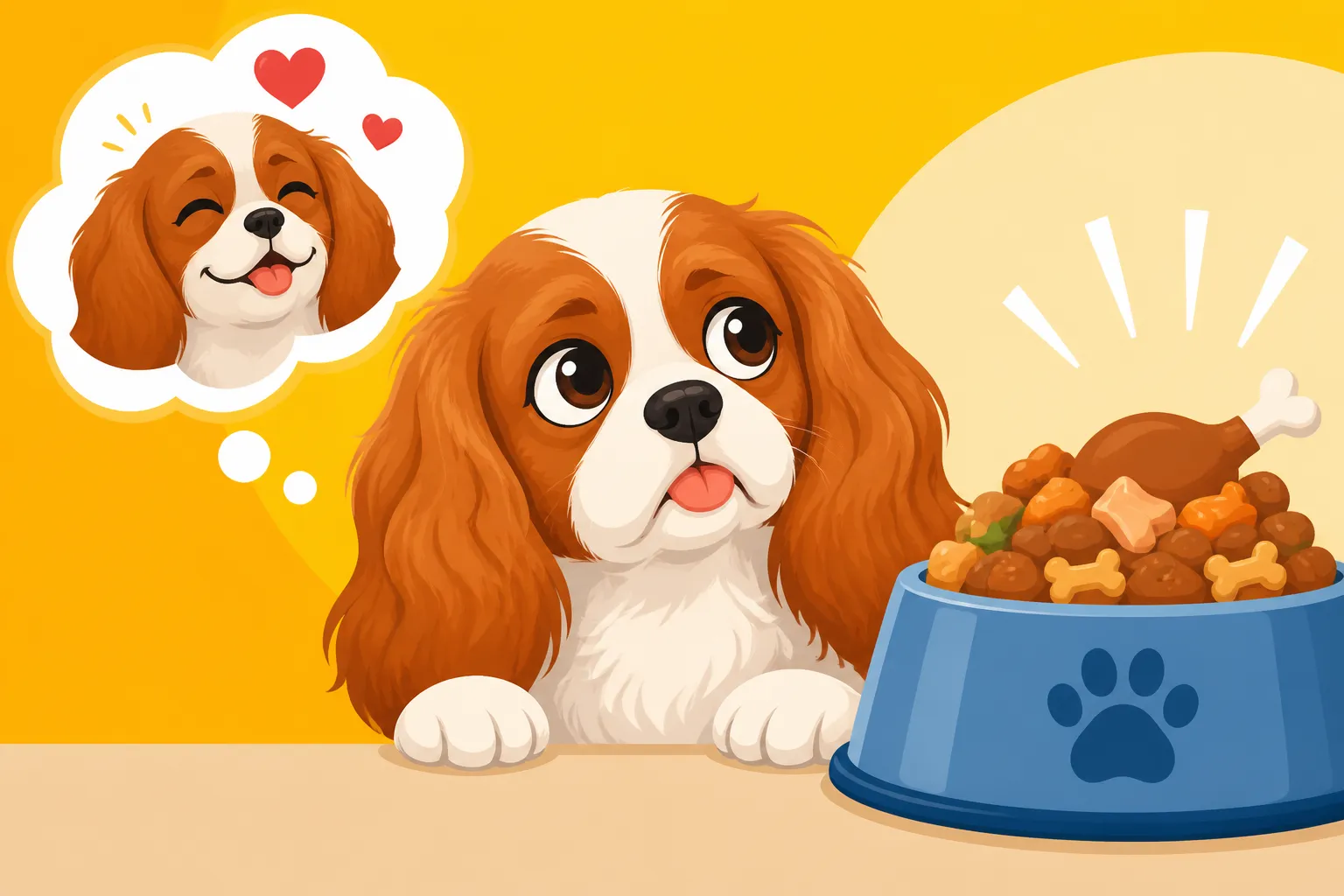
Let's be honest, few sights are as endearing as a Cavalier looking up at you with those big, soulful eyes, especially when food is involved. It's easy to mistake this intense focus for genuine starvation, but often, it's just a perfectly normal, albeit persistent, Cavalier trait.
The Hunter-Gatherer Instinct in a Lapdog
Despite their pampered history as royal companions, Cavaliers retain a strong link to their spaniel heritage. Spaniels, by nature, are working dogs with an instinct to hunt, flush, and retrieve. While our Cavaliers aren't out in the fields, that drive for "finding" things often translates directly to food. They are incredibly food-motivated, which can be a fantastic asset for training, but also a challenge when it comes to managing their waistline. They're not just eating because they're starving; they're eating because it's an enjoyable, rewarding activity. Think of it as a deep-seated instinct to never pass up a potential meal, a leftover from times when food wasn't guaranteed. This can manifest as relentless begging at the dinner table, sniffing out dropped crumbs with impressive precision, or even attempting to "counter surf" (if they can reach!).
Why Cavaliers Are Prone to Weight Gain
This enthusiastic approach to food, coupled with their relatively small stature and often sedate lifestyle (they are lapdogs, after all!), makes Cavaliers particularly susceptible to packing on the pounds. A few extra treats here, a bite of human food there, and suddenly, your dainty Cavalier is looking a bit, well, rotund. An overweight Cavalier isn't just a cosmetic issue; it's a serious health concern. Extra weight puts significant strain on their joints, especially their delicate knees and hips, which can already be prone to issues like patellar luxation or hip dysplasia. More critically, for a breed already predisposed to heart problems, Cavalier Weight Gain and What It Costs the Heart is a very real and dangerous consequence. Every additional pound makes their heart work harder, potentially accelerating the progression of conditions like Mitral Valve Disease. It's a cruel irony that the very thing they love – food – can be their undoing if not managed carefully.
The Psychological Aspect of Food for Cavaliers
Beyond instinct, food can play a complex psychological role for our Cavaliers. For some, it becomes a source of comfort, a way to alleviate boredom, or even a tool to solicit attention. If your Cavalier gets a treat every time they whine or nudge your hand, they quickly learn that "begging works!" This isn't them being manipulative; it's just smart dog behavior. They're responding to positive reinforcement. Likewise, a Cavalier left alone for long stretches might turn to food if it's available, simply because eating provides stimulation and a temporary distraction from loneliness. They might even become stressed if their meal times are inconsistent, leading to heightened anxiety around food. Understanding these underlying psychological drivers can help you address the behavior more effectively than simply scolding them for being "greedy."
When "Always Hungry" Becomes a Problem
While a healthy appetite is normal, there's a fine line between a food-motivated Cavalier and one whose eating habits are detrimental to their health and your sanity. Knowing the difference is key.
Identifying True Hunger vs. Opportunistic Eating
It's rare for a well-fed Cavalier on a consistent schedule to experience true hunger. More often, what we perceive as hunger is actually opportunistic eating, boredom, or a learned behavior. True hunger might be indicated by pacing, excessive drooling, or a low, insistent whine right before their usual mealtime. However, a Cavalier staring at your plate while you eat, or suddenly "starving" an hour after breakfast, is likely just trying their luck. They’ve learned that sometimes, if they act pathetic enough, a delicious morsel might just appear.
To help distinguish between the two, consider this:
| Behavior Characteristic | Potential Reason | What to Consider/Do |
|---|---|---|
| Pacing, whining before meal | Scheduled hunger, anticipation | Stick to consistent meal times; ensure appropriate portion sizes. |
| Intense staring at human food | Opportunistic, learned begging | Ignore begging; don't feed from the table. Give a healthy alternative after your meal, in their bowl, if desired. |
| Eating quickly, then searching | Fast eater, not truly satiated (mentally) | Use slow-feeder bowls or puzzle toys for meals; add safe, low-calorie vegetables like green beans to their meal for bulk. |
| Sudden, dramatic increase in appetite | Potential underlying medical issue | Consult your vet immediately; monitor for other symptoms like weight loss despite increased eating, or changes in thirst. |
| "Air scratching" or lip-licking | Could be anxiety, discomfort, or conditioned begging | Rule out pain (especially neck pain for Syringomyelia and Chiari Malformation in Cavaliers); address anxiety with enrichment. |
This table isn't exhaustive, of course, but it gives you a framework. If your Cavalier is regularly consuming their measured food and still seems desperate, it’s worth considering the context. Are they bored? Are they accustomed to getting human food? It’s often a behavioral rather than physiological need.
Health Conditions That Increase Appetite
While most Cavalier "hunger" is behavioral, it's crucial not to dismiss a sudden or extreme change in appetite. There are genuine medical conditions that can cause a dog to seem ravenously hungry, even if they are eating enough. Conditions like diabetes, certain types of tumors, or even hyperthyroidism (though less common in dogs than cats) can cause a dog's body to not properly absorb nutrients, leading to constant hunger despite consuming a regular amount of food. Parasites, too, can sometimes lead to increased appetite as the worms consume nutrients meant for your dog. If you notice a significant, uncharacteristic increase in your Cavalier's appetite, particularly if accompanied by other symptoms like weight loss, increased thirst, or changes in energy levels, a visit to your veterinarian is absolutely essential. They can run diagnostics to rule out any underlying health issues and ensure your beloved companion isn't suffering in silence.
The Dangers of Free-Feeding a Cavalier
Many well-meaning owners believe that free-feeding – leaving a bowl of kibble out all day for their dog to graze on – is a kind way to ensure their pet is never hungry. While this might work for some breeds, for Cavaliers, it's generally a recipe for disaster. Why a Bowl Left Down Makes a Cavalier Fat is a common trap for our little vacuum cleaners. Cavaliers lack the self-control to regulate their intake when food is constantly available. They'll simply eat whenever they feel like it, often out of boredom or habit, rather than actual hunger. This leads to easy weight gain, which as we've discussed, is especially dangerous for this breed given their propensity for heart and joint problems. Free-feeding also makes it harder to monitor their food intake, which can mask early signs of illness if their appetite suddenly drops, or if they're eating more due to a medical issue. A structured feeding schedule is one of the kindest things you can do for your Cavalier's long-term health.
Strategies to Manage Your Cavalier's Appetite
Managing a Cavalier's seemingly insatiable appetite isn't about denying them joy; it's about channeling their food drive into healthy habits and ensuring they live a long, happy life.
Establishing a Strict Feeding Routine
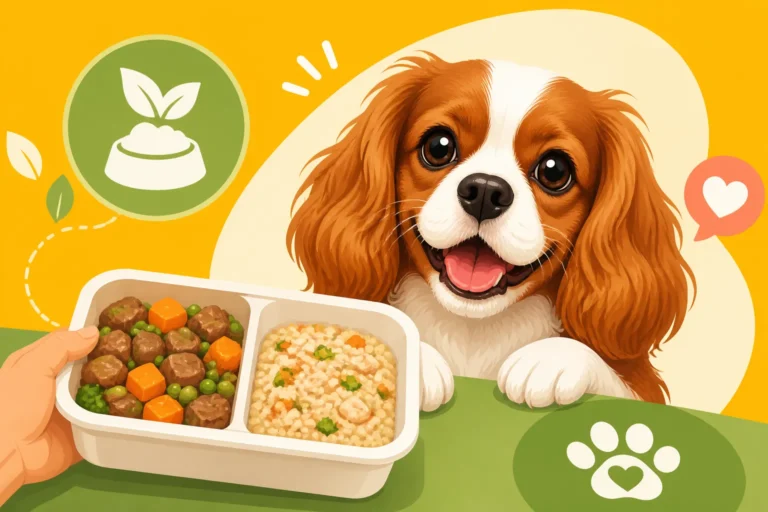
The single most effective strategy is to implement a strict, consistent feeding routine. Decide on two fixed meal times per day (e.g., 8 AM and 5 PM) and stick to them like clockwork. Measure out their food precisely, every single time. This is where a digital kitchen scale can be your best friend. Don't eyeball it – even a small extra scoop can add hundreds of calories over a week for a dog as small as a Cavalier. Many high-quality dog food brands, available from retailers like Chewy or Amazon, will provide clear feeding guidelines based on your dog's ideal weight and activity level. If you're using fresh food services, companies like Ollie often deliver pre-portioned meals, which can take the guesswork out of daily feeding and help immensely with weight management. This routine helps your Cavalier understand when to expect food, reducing anxiety and constant begging throughout the day. You’ll be surprised how quickly they adjust. For more detailed guidance on portions, read our article on How Much to Feed an Adult Cavalier Daily.
Smart Snacking and Healthy Alternatives
Treats are an important part of bonding and training, but they need to be chosen and portioned wisely. Instead of high-calorie biscuits, opt for tiny pieces of healthy, low-calorie options. Think small bits of carrot, green beans, apple (no seeds!), or cucumber. These can provide a satisfying crunch and volume without adding excessive calories. Always factor treats into their daily calorie allowance. If you’re giving a few training treats, consider reducing their main meal slightly. Look for options specifically designed as Low-Calorie Treats for a Cavalier That Gains Easily. Using a portion of their daily kibble as training rewards can also be a smart way to manage their overall intake. Remember, the goal isn't to eliminate treats, but to make them count and keep them healthy.
Enrichment That Doesn't Involve Food
A bored Cavalier is often a "hungry" Cavalier. If all their mental and physical stimulation revolves around food, they'll always be seeking it out. Instead, diversify their enrichment! Engage their minds and bodies in ways that don't involve calories:
- Puzzle Toys: These are fantastic for making mealtime last longer and providing mental stimulation. Instead of eating from a bowl, they have to work for their food, slowing down ingestion and making them feel more satisfied. You can find a wide variety of interactive Toys That Last With a Cavalier at your local pet store or online.
- Regular Exercise: Daily walks, even short ones, provide sensory stimulation and a healthy outlet for energy. Let them sniff around; it's mentally tiring!
- Playtime: Fetch, tug (gently!), or hide-and-seek with their favorite toys can burn energy and strengthen your bond.
- Training Sessions: Five-minute bursts of positive reinforcement training throughout the day can engage their brains without overfeeding. They love to learn new tricks!
- Snuggle Time: Cavaliers are happiest when they're close to their people. Sometimes, all they truly want is your attention and affection, not another treat.
What to Do if You're Still Concerned
Even with the best intentions and strategies, sometimes a Cavalier's eating habits can remain perplexing or concerning. This is when it's time to bring in the professionals.
Consulting Your Veterinarian
If you’ve implemented all the above strategies and your Cavalier still seems constantly ravenous, or if you notice any other changes in their behavior, a trip to your veterinarian is crucial. They can conduct a thorough physical examination and recommend diagnostic tests to rule out any underlying medical conditions causing the increased appetite. Be prepared to provide your vet with a detailed history:
- What food are you feeding (brand, type)?
- How much are you feeding (exact measurements)?
- How often are you feeding?
- What treats do they get, and how many?
- Any recent changes in weight, energy level, thirst, or urination?
- Any other concerning symptoms?
This information helps your vet form a complete picture and determine if there’s a physical cause for your Cavalier’s persistent "hunger." They can also advise on appropriate weight management plans and even specific Prescription Cardiac Diets for a Cavalier if your dog has certain health concerns that impact their nutritional needs.
Working with a Certified Dog Nutritionist or Trainer
For complex cases, or if your Cavalier has specific dietary requirements due to a health condition, consulting a certified veterinary nutritionist can be incredibly beneficial. These specialists can formulate a precise diet tailored to your Cavalier's individual needs, ensuring they get all necessary nutrients without excess calories. Similarly, if the "hunger" seems purely behavioral – perhaps linked to severe begging, anxiety, or attention-seeking – a certified professional dog trainer or behaviorist can offer tailored strategies and help you implement a consistent behavior modification plan. They can teach you techniques to manage begging effectively, reduce food-related anxiety, and channel your Cavalier's drive into more appropriate behaviors. Remember, their well-being is a partnership, and sometimes, bringing in an expert makes all the difference.
Disclaimer
This article is for general informational purposes only and does not constitute professional advice. Laws, prices and regulations vary by location and change over time. Consult a qualified professional for guidance on your specific situation.