Whether a Grinder Suits Cavalier Nails
Oh, the dreaded nail trim! If you're a Cavalier parent, you know the struggle all too well. It’s a chore that can turn into a wrestling match, leaving both you and your sweet-natured pup stressed and wary. Those tiny paws, often with dark nails, hide the quick like a secret, making every clip a high-stakes gamble. This guide is here to explore an alternative that many Cavalier owners swear by: the nail grinder. We'll dive into whether this tool is a good fit for your precious companion, offering a gentler, less anxiety-inducing way to keep those paws tidy and healthy.
The Challenge of Cavalier Nail Trimming
Let's be honest, clipping a Cavalier's nails can feel like performing delicate surgery while your patient attempts a dramatic escape. Their generally biddable nature often crumbles when those clippers come out, and who can blame them? They've probably experienced a quicking incident, or at least seen your panic when you thought you might.
Why Traditional Clippers Can Be Stressful
The typical "snip-snip" of traditional nail clippers can be jarring and even frightening for a sensitive breed like the Cavalier. Many dogs simply don't like the sensation, the sound, or the sudden pressure. Then there's the ever-present fear of cutting too short and hitting the quick – that sensitive pink part of the nail that contains nerves and blood vessels. When that happens, it’s not just a yelp and a bit of blood; it’s a breach of trust, and it makes every subsequent trim even harder. A negative experience can quickly escalate into a full-blown phobia, turning a simple grooming task into a battle of wills.
Cavaliers are known for their loving, gentle dispositions, but even the most affectionate pup can become a furry tornado when faced with something they perceive as painful or scary. This fear is perfectly understandable from their perspective. They don't grasp that you're trying to help them; they just feel the discomfort and the sudden, sharp sensation. This is especially true for young puppies who are still learning about the world, or older Cavaliers who might already have some aches and pains. Imagine trying to get a wiggly, protesting Cavalier to hold still while you aim for that elusive sweet spot on their nail. It’s a recipe for frustration and potential injury for both of you.
The Anatomy of a Cavalier's Nail
Understanding your Cavalier’s nail is key to successful trimming, no matter the tool. Each nail consists of the hard, outer keratin shell and the inner, living quick. The quick contains nerves and blood vessels, and cutting into it is painful and can cause bleeding. For Cavaliers with lighter-colored nails, you might be able to see the pink quick through the translucent nail, giving you a visual guide. However, many Cavaliers have dark, black nails, which completely obscure the quick. This is where the real guessing game begins, and it's a huge source of anxiety for many owners.
The quick grows along with the nail, extending further down if nails are left to grow too long. This means that if you're trying to shorten overgrown nails, you can only take off a little at a time, letting the quick recede naturally over a few days before you trim again. It’s a slow process that requires consistency and patience. If your Cavalier's nails are clicking on the floor, they're definitely too long, and you're already behind the curve. Long nails can cause discomfort, alter their gait, and lead to more serious orthopedic issues over time, impacting their delicate joints. Ensuring you're on top of Cavalier Nail, Paw and Foot Feathering Care is paramount to their overall comfort and health.
Enter the Nail Grinder: A Quieter, Gentler Approach?
Given the challenges, it's no surprise that many Cavalier owners look for alternatives. Nail grinders have gained popularity as a less invasive option that can transform nail care from a wrestling match into a manageable routine.
How a Nail Grinder Works
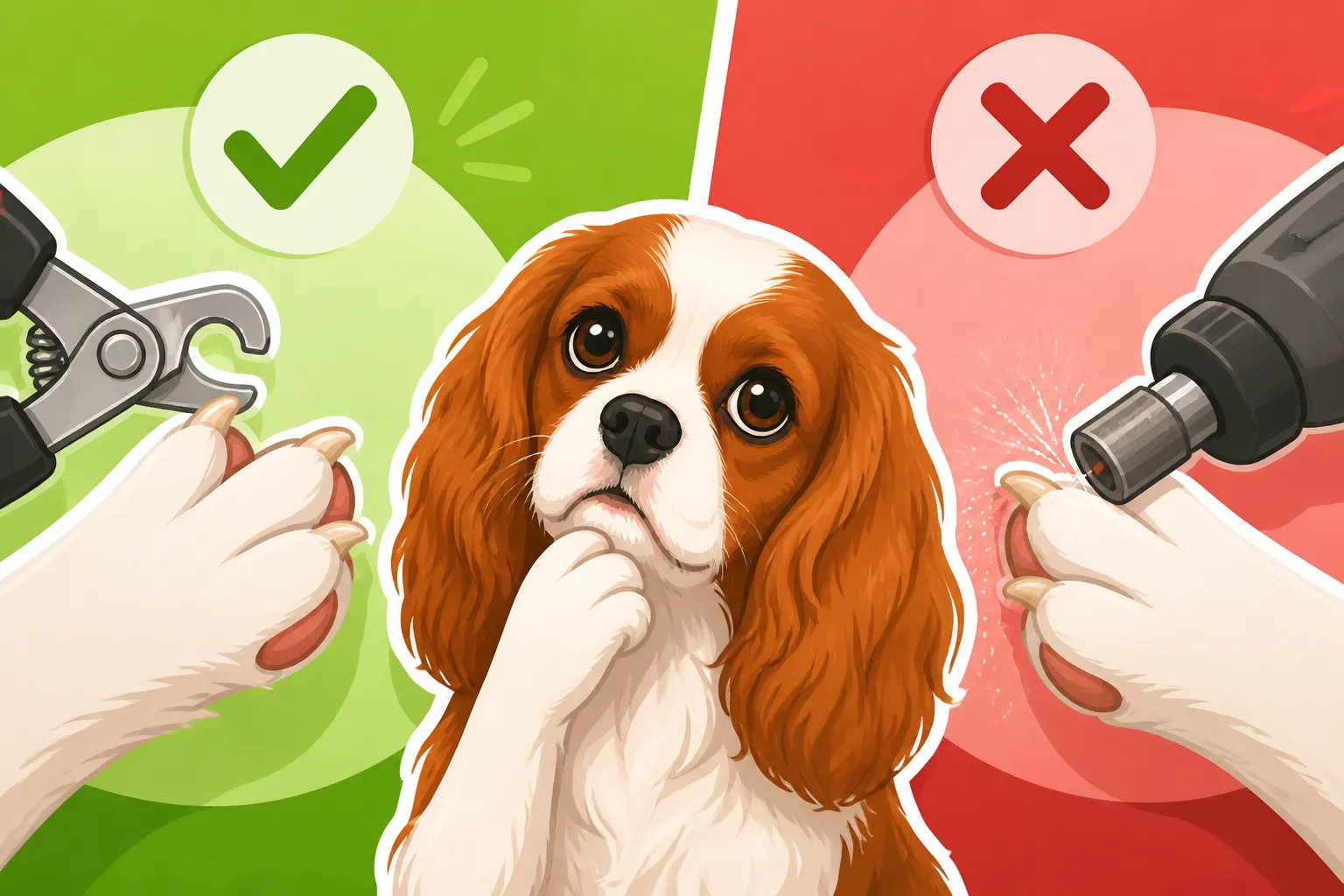
A nail grinder is essentially a small, handheld tool with a rotating abrasive head, similar to fine-grit sandpaper. Instead of snipping the nail, it gradually files it down. You typically hold the dog's paw, isolate one nail, and touch the spinning head to the tip of the nail, gently shaping and shortening it. The process is slow and controlled, allowing you to take off tiny amounts at a time. This significantly reduces the risk of cutting into the quick because you can visibly see the progress and stop well before you reach the sensitive area. As you grind, you'll see a small white circle appear in the center of the nail, which indicates you're getting close to the quick – a perfect visual cue to stop.
Many models are cordless and rechargeable, offering flexibility and ease of use without being tethered to an outlet. The rotating head comes in various grits, allowing you to choose one appropriate for your Cavalier's nail thickness. Some even feature protective caps that help collect dust and prevent hair from getting caught, which is a nice bonus with all that Cavalier feathering.
Advantages of Using a Grinder for Cavaliers
For a breed as sweet and occasionally anxious as the Cavalier King Charles Spaniel, a nail grinder offers several compelling advantages:
- Reduced Stress and Fear: The biggest benefit is the elimination of the sharp, sudden "clip" sensation. The gradual filing action is much less startling, and with proper introduction, many Cavaliers tolerate it far better than clippers. It removes the guesswork and the potential trauma of a quicking incident, which in turn reduces your anxiety, too. When you're calmer, your Cavalier is more likely to be calmer.
- Smoother Edges: Grinders leave a perfectly smooth, rounded edge on the nail. This is great for preventing snags on carpets, furniture, or your skin. Sharp edges from clippers can sometimes scratch you or other pets during play. Plus, it just feels nicer for your Cavalier when their nails aren't sharp and pointy.
- Greater Control: You have much finer control over how much nail you remove. This is invaluable, especially for those dark Cavalier nails where the quick is invisible. You can work in small increments, constantly checking your progress, which builds confidence for both you and your dog.
- Quick Receding: Consistent grinding can actually help encourage the quick to recede over time. By keeping the nails consistently short, the quick will naturally pull back, allowing you to get the nails even shorter and closer to the paw pad, which is ideal for their paw health. This is particularly beneficial if your Cavalier has very long quicks from previous irregular trims.
- Versatility: Grinders can easily tackle dewclaws, which can be tricky to clip safely with traditional methods due to their position and often curved shape. Maintaining Cavalier Dental Disease in a Crowded Jaw and understanding their overall health means considering every aspect of their care, including paws.
Potential Drawbacks and Considerations for Cavaliers
While nail grinders offer many benefits, they aren't a magical solution, and there are a few things to consider, especially with our sensitive Cavalier friends.
Noise and Vibration Sensitivity
This is often the primary concern for Cavalier owners. Grinders, even "quiet" ones, produce a whirring sound and a subtle vibration. Some Cavaliers, particularly those who are already sound-sensitive or prone to anxiety, might be initially startled by this. Introducing the grinder correctly is absolutely crucial to prevent them from developing a fear of it. It’s not just the noise; the sensation of the vibration on their paw can also be a novel and sometimes unsettling experience.
Imagine a small, buzzing device being held near their delicate paw pads. It's understandable why some might be hesitant. If your Cavalier tends to be wary of vacuums, hair dryers, or other household appliances, you'll need to proceed with extra patience and positive reinforcement. Don't underestimate how much a Cavalier can be affected by unfamiliar sounds and sensations, especially when they're associated with something previously negative like nail trims. It’s about building trust and making it a positive, or at least neutral, experience.
Heat Buildup and Dust
Because a grinder works by friction, it can generate heat on the nail. If you hold the grinder to one spot for too long, it can cause discomfort or even a burn. This is why it's important to use short bursts, touching the grinder to the nail for only a few seconds at a time, then moving to the next nail or letting the nail cool before returning. This technique also helps manage the dust. As the nail is ground down, it produces a fine powder. While not harmful, some dogs might find the dust irritating, and it can get on your clothes and furniture.
To combat this, grinding in a well-ventilated area is a good idea. Having a damp cloth nearby to wipe away dust from their paws and the grinder itself can also be helpful. Some grinders come with dust collection features, which can mitigate this issue to an extent. Always check the nail for warmth after a few passes, especially if you have a nervous Cavalier who might not vocalize discomfort immediately. Taking breaks and making sure the nail isn't getting too hot is a key part of the process.
Time Commitment and Technique
Using a grinder often takes more time than a quick clip with traditional clippers. This isn't necessarily a drawback if it means a less stressful experience, but it's something to factor into your grooming routine. You'll be spending more minutes per nail, especially when you're first getting started and taking things slowly. Mastering the technique also takes a little practice. You need to learn how to hold your Cavalier's paw securely, isolate the nail you're working on, and hold their long feathering out of the way so it doesn't get caught in the rotating head.
The angle at which you apply the grinder to the nail also matters for achieving the desired shape and effectively shortening the nail. It's not just about removing length; it's about shaping the nail so it doesn't interfere with their paw pads and encourages the quick to recede. Taking a class or watching some reputable online tutorials can be a huge help in perfecting your grinding technique and understanding the nuances of how much to remove. Remember, consistency is more important than speed; even brief, frequent sessions are better than infrequent, traumatic ones. This commitment is similar to other routine care, like ensuring Cavalier Ear Infections and Why They Recur are managed consistently.
Choosing the Right Nail Grinder for Your Cavalier
Picking the right tool can make all the difference in making nail trims a success. Not all grinders are created equal, and some features are definitely more Cavalier-friendly than others.
Key Features to Look For
When you're shopping for a nail grinder for your Cavalier, keep these features in mind:
- Quiet Motor: This is paramount for a breed known for its sensitivity. Look for grinders that specifically advertise "low noise" or "whisper quiet" operation. While no grinder is completely silent, some are significantly quieter than others. Read reviews from other small dog owners to get a real-world sense of the noise level. A quieter motor means less initial apprehension from your Cavalier.
- Adjustable Speeds: Multiple speed settings are incredibly useful. You can start on a lower speed setting to introduce the sensation and sound, especially during the acclimation phase, and then gradually increase it as your Cavalier gets more comfortable. Lower speeds also reduce heat buildup.
- Safety Guard/Cap: Some grinders come with a cap that has small openings for the nail. This can help prevent you from grinding too much at once and also helps contain some of the nail dust. It's also an extra layer of protection for keeping long fur, like a Cavalier's feathering, away from the rotating head.
- Battery Life and Rechargeability: Cordless grinders offer the most flexibility. Look for a model with a decent battery life so you don't run out of power mid-trim. USB-rechargeable options are often very convenient.
- Comfortable Ergonomics: You'll be holding this tool for a bit, so make sure it's comfortable to grip and easy to maneuver in your hand. This will give you better control and reduce hand fatigue.
- Durability and Replacement Parts: Consider the overall build quality. Can you easily replace the grinding bits when they wear down? Access to replacement parts means a longer lifespan for your tool.
Recommended Brands and Where to Find Them
There are several reputable brands that offer quality nail grinders. While I can't give specific model recommendations or current prices, I can point you in the right direction. Brands like Dremel (which also makes tools for hobbyists, but their pet models are excellent), Casfuy, and Oster often receive good reviews from pet owners. These brands typically offer a range of features, from basic models to more advanced ones with LED lights for better visibility.
You can find a wide selection of nail grinders at major online retailers like Chewy and Amazon. These platforms allow you to compare features, read customer reviews (paying close attention to feedback from small dog owners), and often find competitive pricing. Many local pet supply stores also carry a selection, which can be helpful if you want to hold the grinder and get a feel for its size and weight before purchasing. Don't hesitate to ask store associates for their recommendations or for models popular with owners of small, sensitive breeds. Sometimes seeing and holding the tool in person can make a big difference in your decision. When thinking about Cavalier Puppy Prices From a Reputable Breeder or Cavalier Puppy Prices From a Reputable Breeder, remember that investing in quality care tools is part of the ongoing budget.
Step-by-Step Guide to Grinding Your Cavalier's Nails
Introducing your Cavalier to a nail grinder needs to be a slow, positive, and patient process. Rushing it will only set you back.
Acclimation and Positive Reinforcement
This is the most critical stage, especially for a sensitive Cavalier.
- Introduce the Grinder, Not the Action: Start by simply letting your Cavalier see and sniff the grinder while it’s turned off. Reward them with high-value treats (like tiny bits of cheese or cooked chicken) and praise for calm curiosity. Do this for a few days, several times a day, in short bursts. The goal is for them to associate the grinder with good things.
- Sound Association: Once they're comfortable with the sight of it, turn the grinder on away from them. Let them hear the sound from a distance. Again, immediately follow with treats and praise. Gradually, over days, bring the on grinder closer, still not touching them, just letting them get used to the noise. If they show any signs of stress (tail tucked, ears back, trying to leave), move it further away again. This is a marathon, not a sprint.
- Vibration Introduction: Once they're okay with the sound, let the turned-off grinder touch their paw for a second, then immediately treat. Then, with the grinder on, let it gently vibrate against your own hand or arm so they can see it's not hurting you. Next, gently touch the side of the grinder (not the rotating part) to their paw, just for a fraction of a second, then treat. Build this up slowly.
- Practice Touching a Nail: Finally, you can try touching the rotating part to one nail, for just a split second, then immediately removing it and giving a big reward. Don't worry about grinding anything yet. The goal is simply to make contact a positive experience. Keep sessions very short – literally 30 seconds to a minute – and always end on a positive note. Remember, Training a Cavalier With Praise Rather Than Pressure is key for this breed.
The Grinding Process
Once your Cavalier is comfortable with the grinder, you can start the actual grinding.
- Gather Your Supplies: Have your grinder charged, high-value treats ready, a towel to collect dust if needed, and a styptic powder or cornstarch nearby in case you accidentally graze the quick.
- Position Your Cavalier: Find a comfortable spot where your Cavalier feels secure. This might be on your lap, on a grooming table, or even on the floor if they're relaxed there. Having someone else gently hold and distract them with treats can be very helpful, especially initially.
- Secure the Paw: Gently take one of your Cavalier's paws. Hold the paw firmly but not tightly. Use your thumb to push the pad up slightly, extending the nail you want to work on. Make sure their fur is pushed back and out of the way – you do not want long hair getting caught in the grinder!
- Grind in Short Bursts: Turn the grinder on. Touch the grinder to the tip of the nail, grinding for only 2-3 seconds at a time. Then lift it off. This prevents heat buildup. Look for the white powdery circle to appear, indicating you're getting close to the quick. You want to grind the underside of the nail and then gently round the tip.
- Check for Heat and Progress: After a few short bursts, feel the nail to ensure it's not getting hot. Move to the next nail and repeat the process. Don't try to do all nails perfectly in one session, especially at first. Aim for progress, not perfection. You'll want to get all four paws done eventually, and consistent short trims are better than infrequent long ones.
- Reward Consistently: After each nail, or even after successfully grinding a portion of one nail, give a treat and praise. You want to reinforce that this is a positive experience. If your Cavalier becomes stressed or pulls away, take a break. Don't force it. You can always try again later or the next day. Sometimes A Cavalier That Tires on Short Walks might be experiencing discomfort from overgrown nails affecting their gait.
Post-Grinding Care
Once the nails are done (or you've done as many as you can for the session):
- Praise and Play: Give your Cavalier lots of praise, cuddles, and perhaps some playtime to end on a truly high note.
- Inspect Nails: Briefly check all nails to ensure they are smooth and don't have any sharp edges or rough spots.
- Clean the Grinder: Wipe down the grinder with a damp cloth to remove any nail dust. Some grinding bits can be cleaned with a brush. Proper cleaning ensures your tool lasts longer.
- Observe for Discomfort: Keep an eye on your Cavalier for a few hours afterward. If they are limping or constantly licking their paws, you might have gotten too close to the quick or caused some irritation. If so, contact your vet for advice.
| Feature / Method | Traditional Clippers | Nail Grinder |
|---|---|---|
| Speed | Fast, quick "snip" | Slower, gradual filing |
| Control | Less precise, higher risk of quicking | More precise, easier to avoid quicking |
| Noise | Sudden "click" or "snip" | Continuous low hum/whirring, vibration |
| Result | Can leave sharp edges, potential for splintering | Smooth, rounded edges, less snagging |
| Learning Curve | Can be intimidating due to quick risk | Requires patience for acclimation, technique for shaping |
| Stress Level | Often high for dog and owner | Can be lower with proper introduction and patience |
| Heat/Dust | Minimal | Can generate heat and fine dust; requires short bursts |
| Cost | Generally lower initial investment | Higher initial investment |
Disclaimer
This article is for general informational purposes only and does not constitute professional advice. Laws, prices and regulations vary by location and change over time. Consult a qualified professional for guidance on your specific situation.