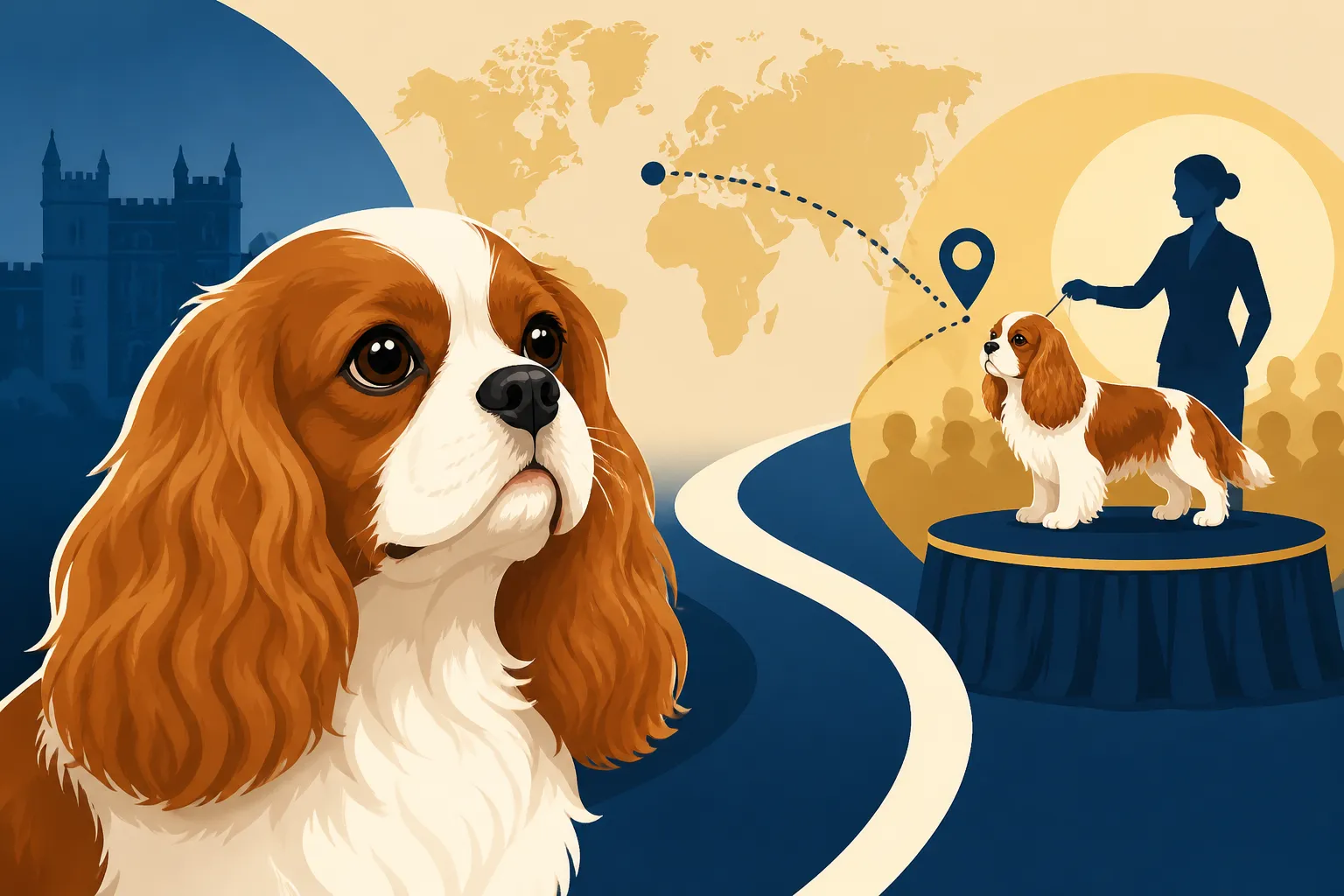
How the Cavalier Reached the American Show Ring
Oh, the Cavalier King Charles Spaniel! Such a beloved breed, isn't it? But if you're like many Cavalier parents, you might wonder about their history, especially how this distinctly European royal companion ended up becoming one of America's most cherished and recognized breeds. It wasn't a straight shot from English palaces to the American Kennel Club show rings, and understanding that journey can really deepen your appreciation for these sweet, soulful dogs and the dedicated people who brought them to us. This guide will walk you through the fascinating story of how the Cavalier made its grand entrance into the American show ring, detailing the stops along the way.
The Cavalier's Early European Roots and Royal Pedigree
Before we can talk about how Cavaliers landed in America, we really need to understand where they came from. Their history is deeply intertwined with European royalty, a lineage that’s both a blessing and, at times, a bit of a challenge when it comes to their health. But for now, let's revel in their regal past.
From Court Companion to Extinction's Edge
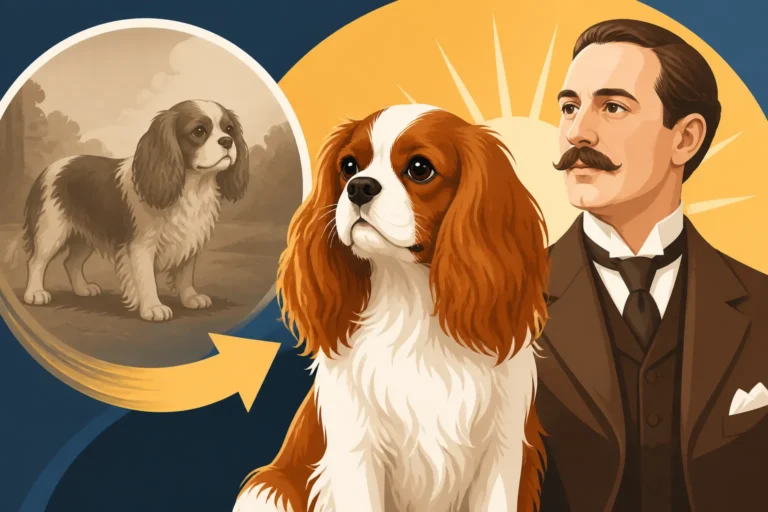
Imagine the grand halls of 16th, 17th, and 18th-century European courts. Nestled on velvet cushions, scampering underfoot, or tucked into the sleeves of noblewomen, you'd find small, silky-coated spaniels. These were the ancestors of our modern Cavaliers, and they were utterly indispensable companions to royalty and aristocracy. King Charles II of Great Britain, in particular, was so smitten with these little dogs that they were rarely far from his side. Legend has it he even issued a decree that King Charles Spaniels should be allowed into any public place, including Parliament, a testament to his profound affection. They were not just pets; they were integral members of the household, cherished for their gentle dispositions and their ability to warm laps (literally!).
These early spaniels, often depicted in paintings by artists like Van Dyck and Gainsborough, had flatter skulls and longer muzzles than the modern King Charles Spaniel, resembling more closely what we now call a Cavalier. They were lively, affectionate, and utterly devoted. However, as the centuries turned, so did fashion. The original type began to dwindle, pushed aside by new tastes and breeding trends that favored different characteristics. This period is a crucial part of their story, showing how easily a beloved breed can fall out of favor if not actively preserved.
The Rise of the Short-Nosed Toy Spaniels
As the Georgian and Victorian eras dawned, a new aesthetic swept through the dog world. There was a burgeoning fascination with dogs featuring pushed-in, short faces—think Pugs and Japanese Chins. This trend dramatically influenced the toy spaniels of the day. Breeders, eager to follow the latest fads, began to select for progressively shorter muzzles and domed heads. The original long-nosed, flat-skulled spaniels, once the darlings of the court, started to be crossbred with these fashionable brachycephalic (short-nosed) breeds. Over generations, the look of the "King Charles Spaniel" completely transformed.
The result was a dog we now know as the English Toy Spaniel (or King Charles Spaniel in the UK), a distinct breed with a very short nose, a domed head, and a perpetually worried expression due to its prominent eyes. While lovely in its own right, this new type bore little resemblance to the spaniels that had graced the courts of Charles II. The long-nosed variety, the true "Cavalier" type, became exceedingly rare, teetering on the brink of extinction. It was a classic case of shifting preferences nearly erasing a historical breed, much to the frustration of enthusiasts who yearned for the return of the original court spaniels. This set the stage for a deliberate effort to bring back the old-style spaniels, a story that truly makes you appreciate the efforts of those who saw the value in preserving history. The Court Spaniels the Cavalier Descends From delves deeper into these ancestral dogs.
Roswell Eldridge's Quest to Revive the "Old Type"
The turn of the 20th century brought a glimmer of hope for the lost Cavalier type. One man, in particular, stands out as the catalyst for their revival: Roswell Eldridge. His singular vision and financial incentives ignited a movement to resurrect the spaniels of old.
The 1926 Crufts Advertisement
It all began with a rather extraordinary advertisement placed by an American named Roswell Eldridge in the catalog for the 1926 Crufts Dog Show in England. Crufts, as you might know, is one of the most prestigious dog shows in the world, and Eldridge used this prominent platform to make his plea. He offered prize money—a substantial sum for the time—for "the best dog and bitch of the old type King Charles Spaniel, as shown in the pictures of King Charles II's time, with long face, no stop, flat skull, not inclined to be domed, and with the spot in the centre of the skull."
This wasn't just a nostalgic whim; Eldridge was genuinely distraught by the disappearance of the dogs he admired in historical paintings. He was offering a reward to anyone who could produce dogs that mirrored those beloved court spaniels, essentially putting a bounty on a forgotten breed type. The advertisement caught the attention of a few dedicated breeders and enthusiasts who still held a candle for the older style. They started searching, scouring kennels, and tracing lineages to find any dogs that fit Eldridge's description. It was a long shot, but it worked. How Roswell Eldridge Brought Back the Cavalier shares more about this fascinating individual.
Defining the Modern Cavalier Standard
Eldridge's prize money was a powerful incentive, and it sparked a renewed interest in breeding back to the original type. Over the next few years, the dogs that won his prizes became the foundation stock for what would eventually be recognized as the Cavalier King Charles Spaniel. Breeders began to meticulously select for those specific traits: a long muzzle, a flatter skull, and a gentle "stop" (the indentation between the eyes), a stark contrast to the pronounced "stop" and domed head of the contemporary King Charles Spaniel. They were looking for elegance and balance, rather than exaggeration.
This period was critical because it began the formal process of establishing what a "Cavalier" should look like. These early breeders faced the challenge of taking a dispersed, almost lost type and solidifying its characteristics into a recognizable and consistent breed. They weren't just bringing back a look; they were laying the groundwork for a new breed standard, a blueprint that would guide future generations of breeders. This commitment to a specific ideal, even when it meant going against prevailing trends, ensured that the Cavalier we know today truly embodies the spirit and appearance of its royal ancestors.
Establishing the Breed in the United Kingdom
With Roswell Eldridge's initiative, the "old type" spaniel began its journey back from obscurity. The next crucial step was formalizing this revival in its homeland, the United Kingdom, before it could ever hope to cross the pond to America.
Formation of the First Breed Clubs
The small group of dedicated fanciers who responded to Eldridge's challenge soon realized they needed a more organized approach. They weren't just looking for a few prize-winning dogs; they wanted to establish a legitimate breed. In 1928, just two years after Eldridge's initial advertisement, the Cavalier King Charles Spaniel Club was officially formed in the UK. This was a monumental step. Its mission was clear: to protect and promote the "old type" toy spaniel and to differentiate it definitively from the already established King Charles Spaniel (English Toy Spaniel).
This club became the guardian of the burgeoning breed, carefully drafting its first breed standard—a detailed description of the ideal Cavalier's physical traits and temperament. They held meetings, organized informal shows, and worked tirelessly to gather and breed dogs that conformed to Eldridge's vision. It was a grassroots effort fueled by passion and a shared love for these historical dogs. Their efforts were crucial, as they provided the structure and direction needed to ensure the Cavalier didn't just flicker into existence, but truly took root and flourished. This dedication to the breed's integrity from its earliest days speaks volumes about the people involved. Why Cavalier and King Charles Spaniel Mean Two Dogs clarifies the differences between these two distinct breeds.
Early Show Ring Challenges and Recognition
Despite the enthusiasm of its proponents, gaining full recognition from the Kennel Club (KC) in the UK was an uphill battle. At first, the KC saw the "new" Cavalier as simply a variant of the existing King Charles Spaniel, not a separate breed. This meant that for many years, Cavaliers were shown in the "Any Variety Not Separately Classified" classes, or as "King Charles Spaniels, Blenheim type (long-faced)." It was a frustrating period for breeders who felt their efforts were not being fully acknowledged. They had a clear vision for a distinct breed, and the KC's reluctance was a significant hurdle.
However, the club members persisted. They continued to breed for consistency in type, temperament, and health, demonstrating that the Cavalier was indeed a unique entity. Their persistence paid off. In 1945, nearly two decades after Eldridge's initial advertisement, the Kennel Club finally granted separate breed status to the Cavalier King Charles Spaniel. This was a triumph! It meant they could compete in their own classes, earn their own breed championships, and truly stand on their own as a distinct and recognized entity within the canine world. This official recognition in their home country was absolutely essential for paving the way for their eventual international recognition, including their journey across the Atlantic.
The Cavalier's Voyage Across the Atlantic
While the Cavalier was slowly gaining ground and recognition in the UK, its journey to American shores was a separate, equally challenging, but ultimately successful endeavor. It wasn't a mass migration, but rather a gradual introduction driven by dedicated individuals.
Early Imports to the United States
The first Cavaliers to arrive in the United States were not part of an organized import program, but rather came through the efforts of individual enthusiasts. Imagine someone visiting England, falling absolutely head over heels for one of these charming little dogs, and deciding they simply must bring one home. That's essentially how the initial wave began. These early imports, likely brought over in the 1940s and 50s, were cherished family pets, rare gems owned by people who had a particular appreciation for their unique charm and history. They were often privately owned and not widely known outside of a small circle of admirers.
These early dogs laid the very subtle groundwork for what was to come. They demonstrated that the Cavalier's sweet disposition and striking good looks translated beautifully into an American home environment. While there wasn't a formal plan, each successful import and the subsequent delightful companionship they offered helped to slowly build interest and a quiet fan base for the breed in the U.S. These were truly pioneers, unknowingly paving the way for the breed's eventual widespread popularity.
The Dedicated Efforts of American Enthusiasts
As more people encountered these delightful dogs, interest slowly but surely grew. The real momentum for the Cavalier's establishment in America came from a handful of passionate and determined American enthusiasts. These individuals were captivated by the breed's gentle nature, its beautiful coat, and its loyal, affectionate personality. They saw the potential for the Cavalier to become a beloved companion breed in the United States.
These dedicated individuals weren't just acquiring pets; they were committed to preserving the breed's integrity, mirroring the efforts of their counterparts in the UK. They began importing more Cavaliers, carefully selecting dogs with good pedigrees and health clearances from reputable British kennels. They formed small, informal networks, sharing information, breeding advice, and their collective excitement about the breed. These informal groups were the precursors to the more formal breed clubs that would soon emerge, playing an absolutely critical role in laying the foundation for the Cavalier's eventual success in the American show ring and in countless American homes. It was a labor of love, requiring significant financial investment and unwavering commitment. The 1940s Cavaliers That Started American Lines details some of these early, foundational dogs.
The Long Road to AKC Recognition
Even with passionate enthusiasts and imported stock, gaining official recognition from a major registry like the American Kennel Club (AKC) is a marathon, not a sprint. For the Cavalier, this process was particularly drawn out and at times, contentious.
The Cavalier King Charles Spaniel Club, USA (CKCSC, USA)
One of the most significant players in the Cavalier's American journey was the formation of the Cavalier King Charles Spaniel Club, USA (CKCSC, USA). Established in 1956, this club was founded by dedicated enthusiasts who were fiercely committed to maintaining the breed's health, temperament, and conformation according to the UK breed standard. This club took a very deliberate and cautious approach to AKC recognition. They believed that premature or rapid recognition could lead to indiscriminate breeding, compromising the health and quality of the breed they worked so hard to establish. They saw their role as a protector of the breed, ensuring that growth wouldn't come at the expense of integrity.
For decades, the CKCSC, USA chose to remain independent of the AKC, establishing its own registry, enforcing strict health testing protocols (especially for hearts and eyes), and hosting its own specialty shows. They were meticulous, requiring multiple generations of health-tested dogs in pedigrees before a puppy could be registered. This independent path, while frustrating to some who wanted broader recognition, was a testament to their unwavering dedication to the breed's welfare. They prioritized responsible breeding and the long-term health of the Cavalier above all else. This commitment, in turn, built an incredibly strong foundation for the breed in America. The AKC Standard for the Cavalier King Charles Spaniel outlines the official blueprint the breed strives for.
Maintaining Breed Type and Health Standards
The CKCSC, USA's reluctance to immediately join the AKC stemmed from a very real and understandable fear: that rapid popularity fueled by AKC recognition would attract breeders more interested in profit than in preserving the breed's inherent qualities and health. Cavaliers, unfortunately, are predisposed to several significant health issues, most notably Mitral Valve Disease (MVD) and Syringomyelia (SM). The CKCSC, USA understood the critical importance of health testing, particularly for these conditions. They implemented stringent breeding protocols, requiring heart clearances by board-certified cardiologists and encouraging MRI scans for SM.
Their concern was that once in the AKC system, where breed standards often prioritize appearance and competition, the focus on health might diminish. They worried about the breed losing its distinctive "type"—its gentle expression, graceful gait, and specific head conformation—if breeders became too focused on simply producing "show winners" without considering the broader picture of health and temperament. This debate over how best to protect the breed's future was central to their cautious approach. They understood that without careful oversight, a surge in popularity could lead to a decline in overall breed health, a lesson many breeds have learned the hard way. For instance, knowing The Heart Testing a Cavalier Breeder Must Do was central to their philosophy.
The Path to the AKC Miscellaneous Class
Despite the CKCSC, USA's initial reservations, the desire for broader AKC recognition among some Cavalier owners and breeders grew over time. For a breed to gain full AKC recognition, it typically starts by being accepted into the "Miscellaneous Class." This is essentially a probationary period. Breeds in the Miscellaneous Class can participate in certain AKC events, like obedience, agility, and sometimes conformation, but they cannot yet earn championship points. It's a proving ground where the breed demonstrates its consistent type, sufficient population numbers, and the dedication of its parent club.
For the Cavalier, this involved establishing a separate club, the American Cavalier King Charles Spaniel Club (ACKCSC), which was specifically dedicated to pursuing AKC recognition. This created a dual registry system for a period, with two primary clubs working with (or around) the AKC. The ACKCSC worked diligently to meet the AKC's stringent requirements, meticulously documenting pedigrees, ensuring consistent breed type, and demonstrating a healthy population size across the country. It was a long, bureaucratic process, requiring years of careful planning and adherence to specific guidelines before the Cavalier could even take its first steps into the official AKC structure.
Full AKC Recognition and Its Impact
After decades of dedicated work, careful breeding, and navigating the complex world of canine registries, the Cavalier King Charles Spaniel finally achieved full recognition from the American Kennel Club. This was a momentous occasion, bringing both excitement and new challenges for the breed.
Entering the Toy Group
On January 1, 1996, the Cavalier King Charles Spaniel officially entered the AKC's Toy Group, becoming the 140th recognized breed. This was a landmark achievement, the culmination of nearly 70 years of effort since Roswell Eldridge's initial advertisement at Crufts, and decades of focused work by American enthusiasts. Entering the Toy Group meant Cavaliers could now compete for championship points in conformation shows, participate fully in all AKC-sanctioned events, and be widely recognized as an established breed across the United States.
For many Cavalier owners, this was a cause for celebration. It brought a sense of legitimacy and pride, opening doors for more people to discover and enjoy the breed. Suddenly, Cavaliers were no longer just "rare" or "obscure" dogs; they were fully acknowledged members of the American dog fancy. This recognition also meant a significant increase in visibility, with Cavaliers now appearing at major dog shows like Westminster, captivating audiences with their charming demeanor and beautiful appearance. It was a huge step forward, firmly planting the Cavalier flag in the American canine landscape. When AKC Cavalier Registrations Opened really dives into this specific time.
The Growth of the Breed's Popularity
With AKC recognition came an inevitable surge in popularity. Suddenly, the Cavalier was on everyone's radar. People who had never heard of the breed before were seeing them in magazines, on TV, and at local dog shows. Their adorable "teddy bear" faces, soulful eyes, and gentle, loving personalities made them instant hits. The demand for Cavalier puppies skyrocketed.
While increased popularity brought many new loving homes to Cavaliers, it also brought its own set of challenges. The demand often outpaced the supply of responsibly bred puppies, leading to an increase in unscrupulous breeders looking to cash in on the trend. This meant that many new owners, unaware of the breed's specific health concerns or the importance of proper health testing, might inadvertently purchase puppies from less-than-ideal sources. It's a common dilemma for any newly recognized or suddenly popular breed: how to manage growth while safeguarding health and temperament. Responsible breeders found themselves educating more than ever about the importance of health clearances and careful lineage. When purchasing supplies for your Cavalier, whether it's special food or grooming tools, resources like Chewy became invaluable for many owners trying to navigate the market.
Continuing the Legacy: Health and Responsible Breeding
Even with full AKC recognition and burgeoning popularity, the mission to protect the Cavalier King Charles Spaniel remains paramount. The legacy of the early breeders who fought so hard to revive the "old type" and those in America who prioritized health above all else, continues today. Responsible breeding means rigorously health testing breeding stock for common Cavalier ailments such as Mitral Valve Disease (MVD), Syringomyelia (SM), eye conditions like cataracts, and orthopedic issues like patellar luxation and hip dysplasia. It means openly sharing health clearances, not just relying on general vet checks.
The conscientious breeders today are the true guardians of the breed, striving to produce healthy, well-tempered puppies that adhere to The Cavalier MVD Breeding Protocol and other breed-specific health guidelines. They understand that a beautiful coat and a winning smile in the show ring mean little if the dog doesn't have a good quality of life. Owners, too, play a vital role in supporting these efforts by choosing reputable breeders who prioritize health and genetic diversity. The journey to the American show ring might be complete, but the ongoing work of ensuring the Cavalier's health and happiness is a never-ending commitment, and one that every Cavalier parent becomes a part of the moment they bring one of these wonderful dogs into their home.
| Milestone Event | Year | Location | Significance |
|---|---|---|---|
| Roswell Eldridge's Crufts Ad | 1926 | UK | Initiated the revival of the "old type" long-faced spaniel. |
| Cavalier King Charles Spaniel Club (UK) Formed | 1928 | UK | Established a formal group to preserve and promote the "old type." |
| UK Kennel Club Recognizes Breed | 1945 | UK | Granted separate breed status from the King Charles Spaniel. |
| First Significant US Imports | 1940s-50s | USA | Individuals brought Cavaliers to America, starting a small enthusiast base. |
| CKCSC, USA Established | 1956 | USA | Formed to maintain breed integrity and health standards independently of AKC. |
| Cavalier Enters AKC Miscellaneous Class | Early 1990s | USA | First step towards full AKC recognition, allowing participation in some events. |
| Full AKC Recognition | 1996 | USA | Cavalier King Charles Spaniel enters the AKC Toy Group as a fully recognized breed. |
Disclaimer
This article is for general informational purposes only and does not constitute professional advice. Laws, prices and regulations vary by location and change over time. Consult a qualified professional for guidance on your specific situation.