The Club That Held Cavaliers Before the AKC
It's easy to look at our beloved Cavalier King Charles Spaniels today and assume their place in our homes and hearts was always a given. But the truth is, this wonderful breed almost faded into history, a forgotten type until a dedicated group of enthusiasts brought them back. This journey wasn't a solo effort; it involved passionate individuals coming together to form the very first club dedicated to the Cavalier, safeguarding its future long before the American Kennel Club ever recognized them.
The Revival of a Forgotten Type: Before the Clubs Even Formed
Imagine a time when the charming, long-nosed spaniel favored by King Charles II was simply… gone. Replaced by a fashionable, flatter-faced dog that shared the "King Charles Spaniel" name but little else with its ancestors. This is the challenge a man named Roswell Eldridge faced in the early 20th century, and it’s the spark that led to the formation of the Cavalier King Charles Spaniel Club. People had fallen in love with a new aesthetic, and the older style of spaniel, with its slightly longer muzzle and less pronounced dome, was considered unfashionable, almost a throwback. It’s a classic example of how quickly breed trends can change, and how easily a specific type can vanish if not actively preserved.
The Vanishing 'King Charles Spaniel' of Old
Before the dedicated efforts to revive the "Cavalier" type, the King Charles Spaniel (often called the English Toy Spaniel in America) had evolved significantly. Fashion dictated a shorter nose, a more domed skull, and larger, rounder eyes – characteristics prized by Victorian breeders. The dogs that once graced the laps of royalty, the ones depicted in paintings with their longer muzzles and gentler expressions, were becoming increasingly rare. They were literally being bred out of existence, with the shorter-faced variety becoming the dominant, and almost exclusive, type. For anyone who adored the historical image of these dogs, it must have been incredibly frustrating to see them disappear. It’s a poignant reminder that without conscious effort, a breed's very essence can be transformed or lost entirely. You can learn more about their historical roots in The Court Spaniels the Cavalier Descends From.
Roswell Eldridge's Vision and the Quest for the "Old Type"
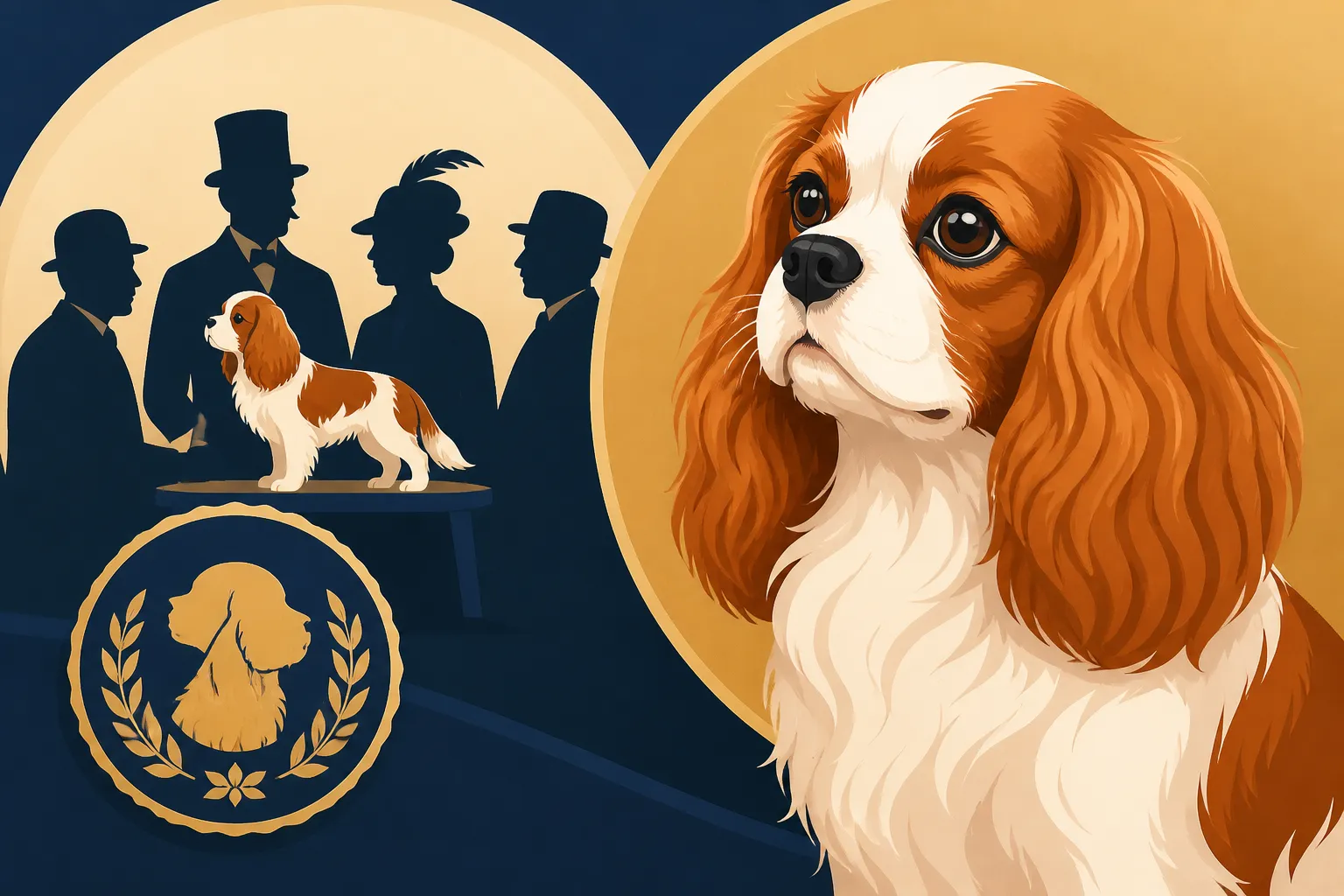
Enter Roswell Eldridge, an American admirer of the original King Charles II spaniels. He recognized what was being lost and decided to act. In 1926, at Crufts, one of the most famous dog shows in the world, he offered a significant cash prize for any dog that resembled the "old type" King Charles Spaniel seen in the old paintings. He specified a longer nose, a flat skull, and an overall appearance that harkened back to the dogs of the Restoration era. This wasn't just a quirky historical interest; it was a desperate plea to bring back a lineage on the brink of extinction. His offer created a stir, igniting interest and controversy among breeders who had, for decades, been breeding for the shorter-faced variety. This bold move was the catalyst that really set the revival in motion, directly challenging the prevailing trends. It took real vision to look past what was currently popular and recognize the value in preserving history. How Roswell Eldridge Brought Back the Cavalier delves deeper into his instrumental role.
The First Formal Guardians: The Cavalier King Charles Spaniel Club of England
Eldridge's prize created a focal point, drawing together the few individuals who still possessed or were trying to breed dogs closer to the original type. These enthusiasts realized that for the "old type" to truly survive and thrive, a more organized effort was needed. Individual breeding efforts, no matter how dedicated, could only go so far. A collective body was essential to establish consistent standards, promote responsible breeding, and eventually gain official recognition. This shared understanding led to the formation of the first dedicated breed club, a crucial step in formalizing the breed's future. It was a testament to their shared passion and foresight.
Establishing the Breed Standard and Core Principles
In 1928, just two years after Eldridge's initial prize offer, The Cavalier King Charles Spaniel Club of England was officially formed. This was not merely a social gathering of dog lovers; it was a serious undertaking to define and protect the breed. Their immediate task was to write the first-ever breed standard for what they now explicitly called the "Cavalier King Charles Spaniel" – distinguishing it clearly from the existing King Charles Spaniel (English Toy Spaniel). This standard described the ideal physical characteristics, from head shape and muzzle length to coat type and tail carriage, aiming to capture the essence of the historical dogs. It also laid down core principles for breeding, emphasizing health and temperament, even if the depth of health understanding was different from what we have today. This foundational document became the blueprint for all future breeding, providing clarity and direction to those committed to the breed's revival. Ann's Son and the First Cavalier Standard discusses the influence of early dogs in shaping this.
The Early Challenges of Gaining Recognition
Despite their passionate efforts and the clear distinctions they drew, gaining full recognition for the Cavalier King Charles Spaniel was not an easy or swift process. The established Kennel Club in England was initially reluctant to recognize the Cavalier as a separate breed. For years, Cavaliers were shown in a "Any Variety Spaniel" class, often competing against the very short-faced King Charles Spaniels they were trying to differentiate themselves from. This was undoubtedly frustrating for breeders who felt their dogs were distinct and deserved their own category. Imagine putting all that effort into breeding, only to have your dogs judged under a broad, undifferentiated umbrella! It took consistent lobbying, dedicated showing, and a growing number of well-bred examples to finally convince the Kennel Club that the Cavalier was indeed a unique and deserving breed. Their perseverance during this period was crucial, laying the groundwork for the breed's eventual worldwide popularity. You can see how this distinction solidified in Why the Cavalier Split From the King Charles Spaniel.
Paving the Way for Global Acknowledgment
The slow, steady work of the Cavalier King Charles Spaniel Club in England eventually paid off. Their relentless advocacy and the undeniable charm of the dogs themselves began to win over skeptics. This eventual recognition in their homeland was a pivotal moment, opening doors for the breed to be introduced and gain popularity in other countries, including the United States. It showed that dedication to a breed's unique qualities, even when it goes against current fads, can ultimately triumph. This was a true grassroots movement that redefined a breed's destiny.
The Slow March Towards Kennel Club Acceptance
It wasn't until 1945 – nearly two decades after the club's formation and Eldridge's initial prize – that the Kennel Club in England finally granted the Cavalier King Charles Spaniel separate breed status. This was a monumental victory for the club and its members. It meant the breed could now compete in its own classes, earn its own championships, and truly establish its identity. This official recognition was not just symbolic; it provided a stronger framework for maintaining the breed standard, promoting responsible breeding practices, and encouraging careful health considerations. It was a hard-won battle, showcasing the resilience and unwavering commitment of the club members who had worked tirelessly for this moment. This acceptance also meant that breed information and health guidelines could be more formally shared and tracked.
The Enduring Legacy of the Founding Club
The Cavalier King Charles Spaniel Club's foundational work continues to influence the breed today. They established the very first blueprint that breeders around the world still adhere to, even if nuances have been added over time. Their emphasis on a loving, gentle temperament and a sound constitution was woven into the fabric of the breed from the very beginning. This foresight ensured that Cavaliers wouldn't just be beautiful dogs, but also wonderful companions. Their dedication to documenting pedigrees and promoting ethical breeding practices provided a crucial starting point for the breed's health initiatives, even if scientific understanding of conditions like MVD and Syringomyelia would come much later. The club's early efforts demonstrate how critical dedicated guardians are for the long-term health and preservation of any breed.
How Early Club Work Still Shapes Modern Cavaliers
The efforts of those early Cavalier enthusiasts weren't just about winning show ribbons or setting historical records; they laid a crucial foundation for the breed's enduring health and temperament. Modern Cavalier owners, whether they know it or not, benefit daily from the painstaking work that went into defining the breed and setting breeding priorities. The principles established by the founding club continue to guide breeders, owners, and even veterinary care for these cherished dogs.
Emphasizing Health and Temperament from the Start
While the early understanding of genetic diseases was rudimentary compared to today, the founding Cavalier King Charles Spaniel Club implicitly understood the importance of breeding healthy, sound dogs with excellent temperaments. They sought dogs free from obvious ailments and with the characteristic sweet, affectionate nature that defines the Cavalier. This focus on "type" included both physical appearance and inherent disposition. This initial emphasis on a gentle, outgoing personality is why Cavaliers are so renowned as companion dogs today, making them excellent family pets. Modern health testing protocols, like those for MVD or Syringomyelia, are a continuation of this original commitment, albeit with vastly improved scientific tools. Learning about The Heart Testing a Cavalier Breeder Must Do shows how far we've come.
The Continuous Journey of Breed Improvement
The work started by the pioneering Cavalier King Charles Spaniel Club is an ongoing journey. Every generation of breeders stands on the shoulders of those who came before, continually striving to improve the breed's health, longevity, and conformation. The principles of careful selection, adherence to the breed standard, and prioritizing health have remained constant. Today, breeders use DNA tests, regular specialist vet check-ups, and international breeding protocols to guide their decisions, building upon the legacy of the original club. This is why discussions around The Cavalier MVD Breeding Protocol or Whether Cavalier Heart Disease Can Be Bred Out are so vital – they are the modern iteration of the founding club's mission: to ensure the Cavalier remains a beloved, healthy companion for generations to come. It’s a collective responsibility that has truly global implications for the breed.
| Milestone Year | Event | Significance for the Cavalier Breed |
|---|---|---|
| 1926 | Roswell Eldridge's Crufts Prize Offer | Catalyzed interest in reviving the "old type" King Charles Spaniel. |
| 1928 | Formation of The Cavalier King Charles Spaniel Club | Established the breed's identity and first written standard. |
| 1945 | British Kennel Club Grants Separate Breed Status | Official recognition; allowed Cavaliers to compete in their own classes. |
| 1950s | Cavaliers begin to arrive in North America | Seeded the breed's growth and eventual AKC recognition. |
| 1995 | AKC Full Recognition for Cavalier King Charles Spaniel | Solidified the breed's presence and popularity in the United States. |
This article is for general informational purposes only and does not constitute professional advice. Laws, prices and regulations vary by location and change over time. Consult a qualified professional for guidance on your specific situation.