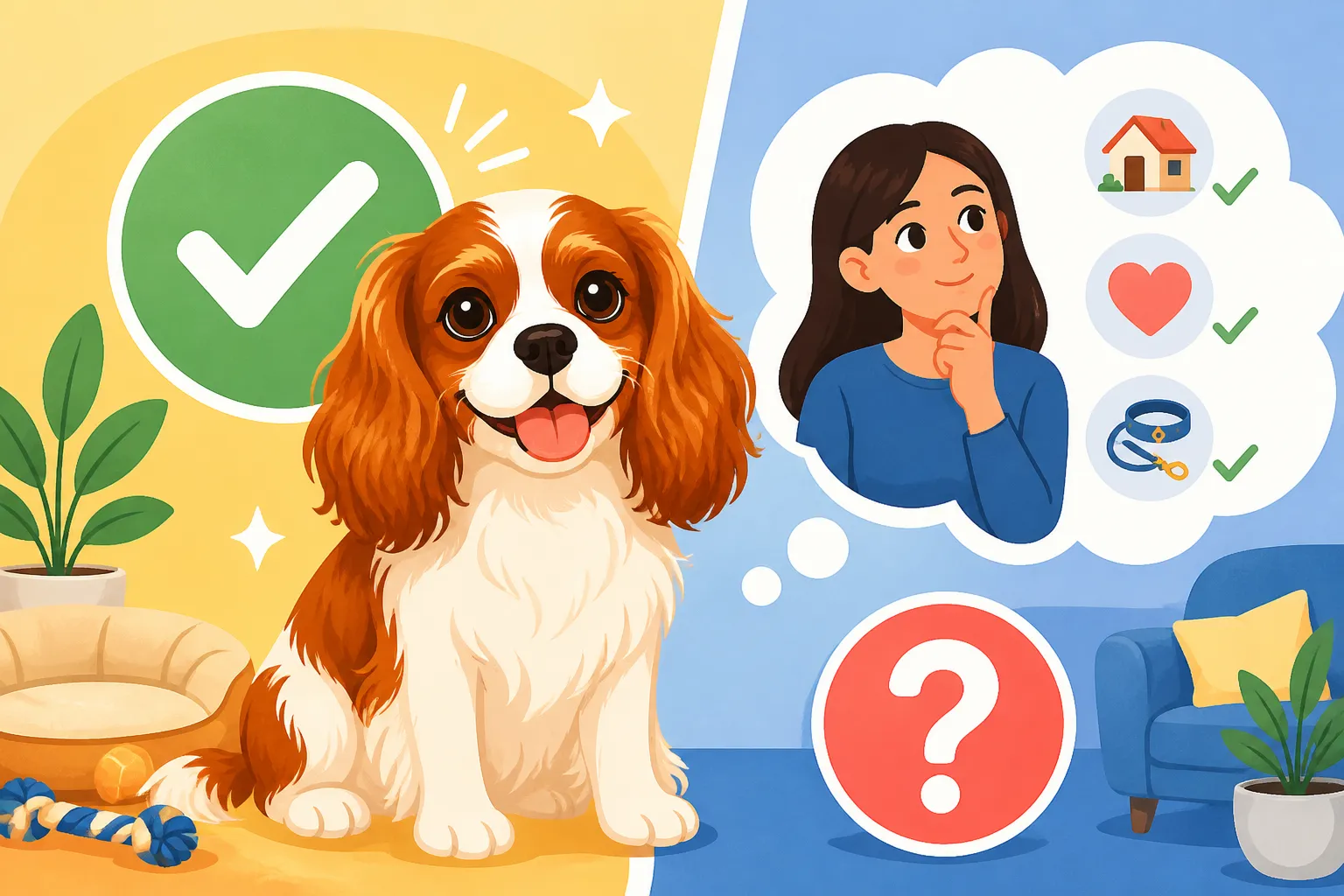
Whether a Cavalier Is an Easy First Dog
Choosing your very first dog is an incredibly exciting journey, but it's also packed with questions, isn't it? Many aspiring pet parents fall head over heels for the Cavalier King Charles Spaniel, drawn in by their sweet eyes and famously affectionate nature, and naturally wonder, "Is this the breed for me, a brand new dog owner?" It’s a completely valid question, because while Cavaliers are undeniably charming, every breed comes with its unique set of quirks and needs. This guide will help you understand what truly makes a Cavalier a wonderful, albeit sometimes demanding, companion for a first-time dog owner.
The Allure of the Cavalier King Charles Spaniel for First-Time Owners
There’s a reason why so many people are captivated by Cavaliers, and why they often top lists for "good family dogs" or "apartment dogs." Their inherent personality traits often align beautifully with what a first-time owner is seeking: a loving, manageable companion.
Their Affectionate and Gentle Nature
Let's be honest, one of the biggest draws to a Cavalier is their absolutely delightful temperament. They are, quite simply, little bundles of love. They have earned the nickname "Velcro dogs" for a reason – they absolutely adore being with their people, often following you from room to room, just content to be in your orbit. This constant desire for companionship can be incredibly comforting for a first-time owner. You'll never feel alone, and their presence is a warm, constant source of joy.
Imagine settling down on the sofa for an evening, and your Cavalier immediately hops up, nestling right beside you, perhaps even leaning into you with a soft sigh. This isn't an occasional occurrence; it's their default setting. They are gentle souls, rarely showing aggression, and their sweet disposition makes them approachable and easy to handle, even for someone who might be a little nervous about dog ownership. This inherent gentleness extends to children and other pets, making them a fantastic addition to many households, provided they are properly socialized. Their primary goal in life seems to be to love and be loved, which is a truly wonderful quality in a first canine companion. You can learn more about this tendency in Why a Cavalier Follows You Room to Room.
Adaptability to Various Lifestyles
Another huge plus for a first-time owner is the Cavalier's remarkable adaptability. Unlike some high-energy breeds that demand hours of intense exercise daily, Cavaliers are generally quite happy with a couple of moderate walks and plenty of indoor playtime and snuggles. This makes them ideal for apartment dwellers or those with smaller homes who might not have a huge yard. They are just as content to curl up on your lap as they are exploring a local park, as long as they are with you.
This flexibility in lifestyle means that a Cavalier can seamlessly fit into many different living situations. If you're someone who enjoys a brisk walk but isn't looking for a marathon training partner, a Cavalier's exercise needs will likely match your own. They aren't prone to destructive behavior if their exercise needs aren't met exactly to the minute, provided they get enough mental stimulation and companionship. This adaptability can be a huge relief for new owners who are still finding their rhythm and learning what works best in their new routine with a dog. They thrive on routine, but they aren't rigid, making them a less stressful choice than some more demanding breeds.
Trainability and Eagerness to Please
Cavaliers are generally intelligent and, more importantly, possess a strong desire to please their human companions. This combination makes them quite trainable, which is a significant advantage for a first-time owner navigating the world of dog obedience. They respond incredibly well to positive reinforcement methods – tasty treats, praise, and gentle encouragement – rather than harsh corrections. Their focus on you means they're often keen to figure out what you want.
Whether it’s basic commands like sit, stay, or come, or more complex tricks, their eager-to-please nature can make training sessions enjoyable and productive. Puppy classes can be a fantastic way to bond and learn together, and Cavaliers typically excel in such environments because of their cooperative spirit. This doesn't mean they're robots; like any dog, they can have their stubborn moments, but their overall willingness to engage and learn helps build a strong foundation for good behavior and a harmonious household. Starting with simple, fun training can make a huge difference in how "easy" a first dog feels.
Potential Challenges a First-Time Cavalier Owner Might Encounter
While Cavaliers boast many wonderful traits, it wouldn't be realistic to claim they are "easy" without acknowledging some of the significant challenges that commonly arise with the breed. Being prepared for these can make all the difference for a first-time owner.
Managing Separation Anxiety and Clinginess
Here’s where the "Velcro dog" reputation can become a double-edged sword. While their affection is a blessing, their extreme attachment can often manifest as severe separation anxiety. Cavaliers were literally bred for companionship, spending their lives glued to their royal owners, and this deep-seated need for company is still very much present. Leaving a Cavalier alone for extended periods can be incredibly distressing for them, leading to behaviors like incessant barking, destructive chewing, or even accidents indoors, despite being house-trained.
A first-time owner who works a full-time job outside the home might find this particularly challenging. You can't just expect to leave them for eight hours a day and come home to a happy, calm dog. They need gradual training to build their tolerance for alone time, and many benefit from dog walkers, doggy daycare, or having another companion animal. This intense need for human presence is perhaps the biggest "challenge" aspect for many Cavalier owners, especially those not accustomed to structuring their lives around their dog’s needs. Understanding and addressing this early is crucial for their well-being and your sanity. Living With a Cavalier That Panics When Alone delves deeper into this issue.
Grooming Requirements and Health Considerations
Cavaliers, with their beautiful, flowing coats and expressive dropped ears, do require consistent grooming. Their long feathering on their ears, chest, legs, and tail can easily mat and tangle if not brushed several times a week. Those gorgeous ears also mean they are prone to ear infections, requiring regular cleaning and vigilance. This isn't a wash-and-wear breed; neglecting their coat can lead to painful mats and skin issues, requiring professional intervention.
Beyond grooming, and perhaps the most significant consideration, are the breed's well-documented health issues. Cavaliers are sadly predisposed to several serious conditions, most notably Mitral Valve Disease (MVD) and Syringomyelia (SM). MVD affects a vast majority of the breed as they age, often requiring expensive medication and regular veterinary check-ups, sometimes starting at a surprisingly young age. Syringomyelia, a neurological condition affecting the brain and spinal cord, can cause chronic pain and also requires specialized veterinary care, including costly MRI scans and long-term medication. These health concerns mean that a Cavalier can be quite expensive to own over their lifetime, far beyond the initial purchase price or basic yearly vet visits. A first-time owner must be prepared for the emotional and financial toll these conditions can take. It’s not a matter of "if" but often "when" some of these issues might arise. You can learn more about common health issues in Mitral Valve Disease in the Cavalier King Charles Spaniel and Syringomyelia and Chiari Malformation in Cavaliers. Regular grooming can be a standing cost, as explored in Cavalier Grooming Costs Every Six to Eight Weeks.
House Training and Chewing Habits
While generally intelligent, Cavalier puppies are still puppies, and house training requires consistency, patience, and diligence, just like with any breed. They aren't born knowing where to relieve themselves, and it's up to you to establish a regular schedule of potty breaks, especially after waking up, eating, and playing. Small bladders mean frequent trips outside, and any lapse in supervision can lead to accidents. For a first-time owner, the sheer frequency of these trips and the occasional clean-up can be a bit overwhelming.
Similarly, puppy chewing is a universal experience, and Cavaliers are no exception. They explore the world with their mouths, and during teething phases, they will try to chew on anything and everything – shoes, furniture, electrical cords, you name it. Providing appropriate chew toys and redirecting their chewing to acceptable items is critical. A first-time owner needs to be proactive in puppy-proofing their home and understanding that these behaviors are normal, not a sign of a "bad" dog. It simply requires consistent management and training to guide them through these natural developmental stages.
Preparing for Life with a Cavalier: What First-Timers Need to Know
Becoming a Cavalier owner, especially for the first time, is a commitment that goes beyond just bringing a cute puppy home. It requires thoughtful preparation and a willingness to adjust your lifestyle.
Time Commitment and Lifestyle Adjustments
As we’ve discussed, Cavaliers thrive on companionship. This isn't a breed that you can leave alone for prolonged periods day in and day out. A first-time owner needs to honestly assess their lifestyle:
- Work Schedule: Do you work from home, or can you take your dog to work? If not, can you afford a dog walker or doggy daycare several times a week? Is a friend or family member able to pop in and spend time with them?
- Social Life: Are you someone who enjoys frequent long outings without your dog? If so, you'll need to find reliable pet sitters who can provide the companionship your Cavalier craves.
- Everyday Presence: Even when you are home, expect your Cavalier to want to be with you. If you envision a dog that is happy to spend most of its time independently, a Cavalier might not be the best fit. They want to be part of every activity, from cooking dinner to watching TV.
Making these adjustments to ensure your Cavalier receives enough human interaction is perhaps the most significant lifestyle change a first-timer will face. It’s about integrating them fully into your daily life, not just as a pet, but as a cherished family member who needs your time and attention.
Financial Planning for Routine and Unexpected Costs
While the initial The Price Range Cavalier Breeders Actually Quote for a well-bred Cavalier puppy can be a significant investment, it's truly just the beginning. Routine care, like high-quality food, treats, toys, annual vet check-ups, vaccinations, parasite prevention, and grooming supplies (or professional grooming), adds up quickly. A good estimate for What a Cavalier Costs a Year Before Any Heart Bills will help you budget for the basics. For instance, Chewy offers a wide range of products from premium foods to grooming tools, and stocking up can sometimes feel like a continuous task.
However, the real financial curveball for Cavaliers often comes in the form of unexpected or chronic health issues. As mentioned, MVD and SM are prevalent. Diagnostics like echocardiograms and MRI scans can be incredibly expensive, and lifelong medications can add a significant monthly burden. Pet insurance is highly recommended, but you absolutely must get it before any murmurs or symptoms appear, otherwise, it will be considered a pre-existing condition. Looking into Insuring a Cavalier Before the Murmur Arrives as soon as you bring your puppy home is critical. A first-time owner needs to have an emergency fund or robust insurance in place, as neglecting these issues due to cost is not an option when you commit to a Cavalier. Being financially prepared for the potential health challenges of the breed is perhaps the least "easy" aspect, but it's absolutely essential.
Finding the Right Breeder or Rescue
For a first-time owner, the process of finding a Cavalier can be overwhelming, but it is the most critical step in setting yourself up for success. You might be tempted by lower prices from backyard breeders or puppy mills, but this is a false economy. These sources often bypass crucial health testing, leading to puppies with a much higher likelihood of serious, expensive health problems down the line.
An ethical, reputable breeder will be transparent about their dogs' health, provide verifiable health clearances for the parents (including cardiologist evaluations for MVD and MRI scans for SM), and will be a lifelong resource for you. They will screen you as much as you screen them, ensuring their puppies go to loving, responsible homes. Don't be afraid to ask questions about their breeding protocols and to see evidence of health testing. Websites like Chewy or reputable breed club sites can help you find good sources for educational materials on what to look for. If adoption is your path, a dedicated Cavalier rescue organization will also health-check their dogs and be upfront about any known issues, matching you with a suitable companion. This due diligence in finding your Cavalier is perhaps the single greatest predictor of how "easy" or challenging your ownership journey will be. Make sure to read Buying a Cavalier From a Health-Testing Breeder to understand this process fully.
A Realistic Look at the "Easy" Dog Label
The perception of a dog being "easy" is often subjective and can be misleading. While a Cavalier offers many qualities that seem to fit the bill, it's vital to unpack what "easy" truly means in the context of dog ownership.
"Easy" Often Means Different Things
When someone asks if a Cavalier is an "easy first dog," what are they really asking? For some, "easy" means low exercise needs and a mellow temperament. For others, it might mean low grooming or minimal health issues. Cavaliers excel in the former – they are generally calm indoors and aren't demanding exercise-wise. They are undeniably easy to love, quick to bond, and their gentle nature makes them forgiving of novice mistakes. These are huge advantages for a first-timer who wants a loving companion without the intense demands of, say, a working breed.
However, where they might not be "easy" is in their need for constant companionship and their significant health predispositions. A dog that is easy to train but difficult to leave alone for daily errands or work might not feel "easy" to a busy individual. Similarly, a dog that is sweet and cuddly but requires expensive specialized medical care might not feel "easy" on the wallet or emotional well-being. It's crucial for prospective owners to define what "easy" means to them and then honestly assess if the Cavalier's traits align with that definition, considering both the good and the challenging.
The Importance of Education and Proactive Care
No dog is truly "easy" without an educated, proactive owner. Owning a dog, regardless of breed, requires dedication, research, and a willingness to learn continuously. For a Cavalier, this means understanding their specific needs and being prepared to meet them. It means:
- Learning about their health: Being aware of MVD and SM isn't about fear, but about being proactive with health screenings, knowing the warning signs, and finding a vet who is knowledgeable about the breed. Regular check-ups are key, and services like Chewy can provide auto-shipments for any necessary preventative care items.
- Understanding their social needs: Recognizing that their clinginess is a breed trait, not a flaw, and working to gently build independence or provide alternatives for companionship.
- Committing to their grooming: Establishing a regular brushing routine from puppyhood will prevent mats and make professional grooming appointments smoother. Brushing a Cavalier's Feathering Three Times a Week and Cavalier Ear Care Under a Heavy Drop Ear offer great insights here.
- Consistent positive reinforcement training: Building a strong bond and teaching good manners through kind, effective methods.
An owner who approaches Cavalier ownership with a commitment to education and proactive care will find the experience far more rewarding and "easy" than someone who expects the dog to simply fit into their existing life without any adjustments. It's not just about the dog's inherent traits, but how well the owner is prepared to manage them.
Enjoying the Cavalier Journey
Ultimately, whether a Cavalier King Charles Spaniel is an "easy first dog" comes down to preparedness and expectation. They are not a dog to be taken lightly due to their health concerns and profound need for companionship. However, for a first-time owner who is ready to commit to their unique needs – particularly regarding time, companionship, and potential medical care – a Cavalier can be an incredibly enriching and "easy" dog in the most important ways.
Their boundless affection, gentle spirit, and eagerness to be by your side make them truly exceptional companions. With the right research, a responsible breeder or rescue, a solid plan for their care, and a heart full of love, a Cavalier can absolutely be a dream first dog, bringing immense joy and sweetness into your life. You'll soon discover that every moment spent with their soft gaze and wagging tail is worth every bit of effort.
Disclaimer
This article is for general informational purposes only and does not constitute professional advice. Laws, prices and regulations vary by location and change over time. Consult a qualified professional for guidance on your specific situation.