Telling Syringomyelia From a Cavalier Ear Infection
It’s truly agonizing when your sweet Cavalier King Charles Spaniel starts exhibiting signs of discomfort, especially when those signs can be so frustratingly vague. That tell-tale head shaking or frantic scratching can send a shiver down any Cavalier owner's spine, immediately raising the terrifying question: Is this just a simple, albeit uncomfortable, ear infection, or could it be the dreaded Syringomyelia? This guide is here to help you navigate those confusing symptoms, understand the key differences, and know when it’s time to seek expert veterinary help to protect your beloved companion.
The Overlap and the Underlying Frustration for Cavalier Owners
One of the biggest heartaches for Cavalier owners is how many different conditions can present with similar outward signs. When your dog is uncomfortable, they can't tell you exactly where it hurts, leading to a lot of guesswork and anxiety on your part. Both ear infections and Syringomyelia (SM) can cause a Cavalier to scratch at their head or neck, become withdrawn, or show signs of pain, making it incredibly difficult to tell them apart without a professional diagnosis. This overlap is why many owners initially assume a persistent itch is "just" an allergy or ear issue, only to discover later it's something far more complex. The unique anatomy of a Cavalier, with their floppy ears and sometimes crowded skulls, adds another layer of complication to pinpointing the real problem.
Common Signs of a Cavalier Ear Infection
Let's start with the more common, and often less severe, culprit: the ear infection. Cavaliers are particularly prone to these due to their beautiful, long, drop ears that can trap moisture and limit air circulation. It's a classic setup for yeast and bacteria to flourish, leading to a miserable pup.
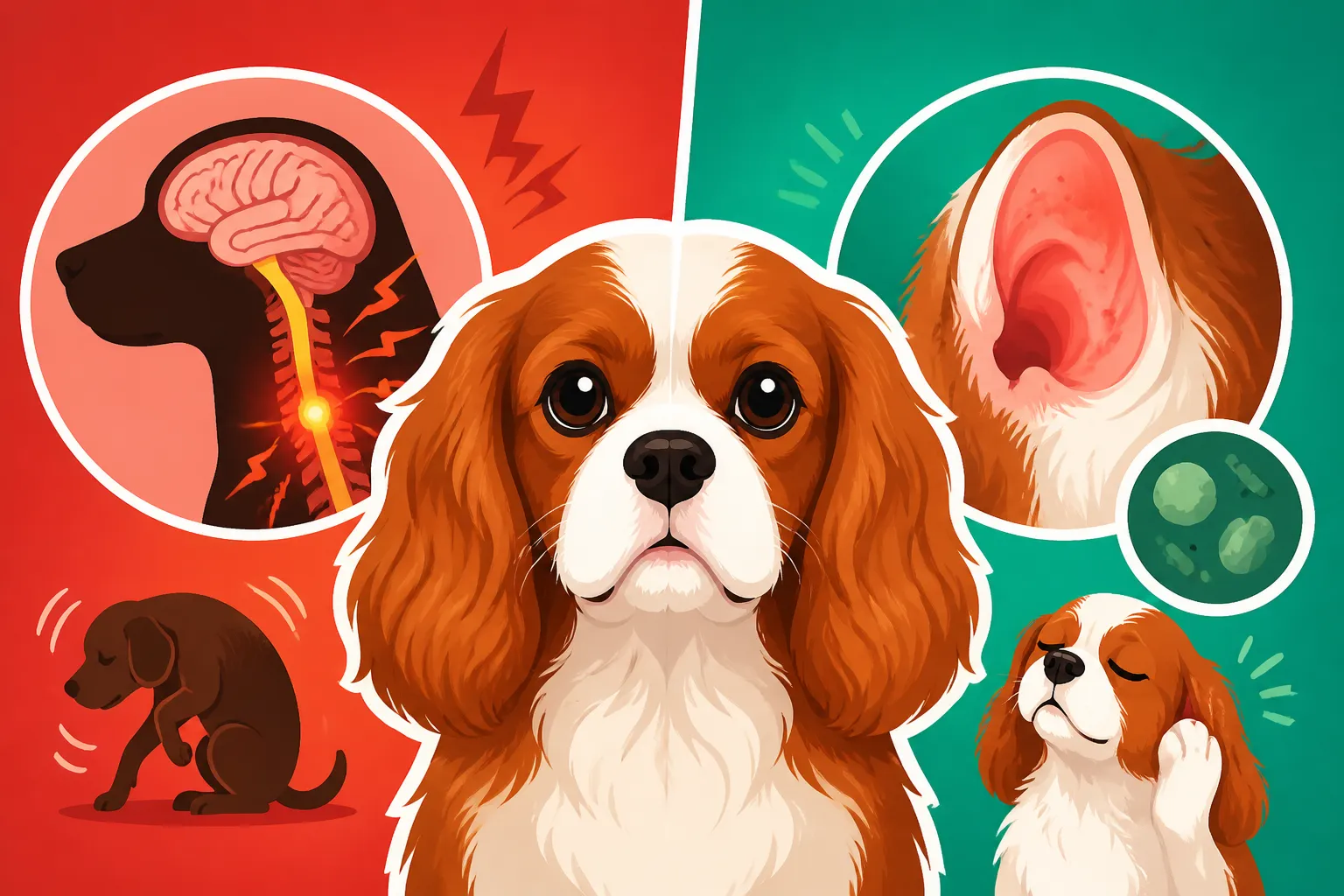
Typically, an ear infection will manifest with several clear indicators directly related to the ear itself. You might notice your Cavalier shaking their head vigorously, sometimes so much that their ears slap against their head. They'll often paw at the affected ear, rub it against furniture, or even whine when you try to touch it. When you lift that lovely long ear flap, you'll likely see redness and inflammation inside the ear canal, possibly with discharge that can range from waxy and dark to yellow and pus-like. A distinct, often pungent odor, which can be yeasty or sweet-smelling, is another strong giveaway. In some cases, if the infection is particularly painful or deep, your Cavalier might hold their head tilted to one side. These symptoms tend to come on relatively quickly, and while uncomfortable, they usually respond well to targeted veterinary treatment like ear drops or oral medication. If left untreated, severe ear infections can even impact a Cavalier's hearing or lead to further complications, so addressing them promptly is key. For more in-depth information, you might find our article on Cavalier Ear Infections and Why They Recur helpful.
Initial Red Flags for Syringomyelia
Now, let's talk about Syringomyelia, a condition that no Cavalier owner ever wants to hear. This neurological disorder is characterized by fluid-filled cavities (syrinxes) forming within the spinal cord, usually in the neck area, due to a malformation of the skull (Chiari-like malformation) where the brain is too large for the skull cavity. This puts pressure on the brain, obstructing the normal flow of cerebrospinal fluid and leading to these painful syrinxes.
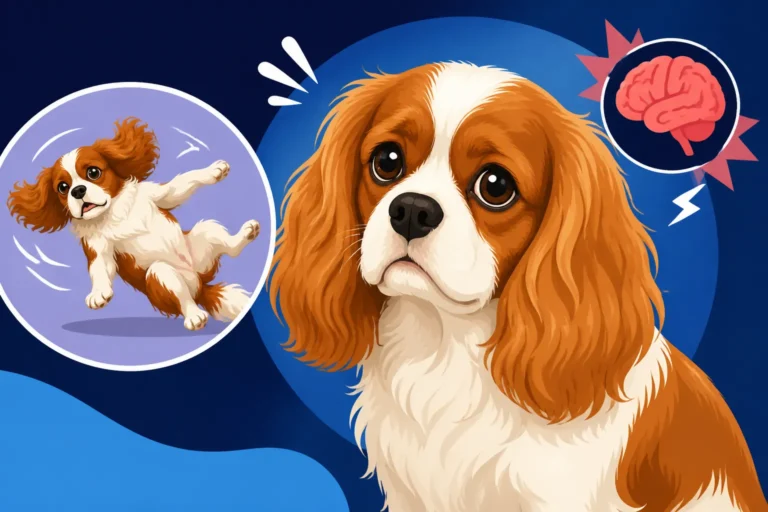
Unlike an ear infection, the signs of SM are often more insidious and can be misleading. The most hallmark sign that many owners report is "phantom scratching" or "air scratching." This isn't your typical itch; your Cavalier will often scratch frantically at their shoulder, neck, or chest area without actually making contact with their skin. It's as if they're trying to scratch an itch that isn't physically there, and it can be triggered by excitement, walking on a leash, or changes in temperature. Another common indicator is extreme sensitivity around the head, neck, or shoulders. Your Cavalier might yelp or cry out when picked up, especially if you touch their chest or neck, or they might flinch away from being petted in those areas. Some dogs will also develop a preference for sleeping with their head raised, or they might refuse to jump onto furniture or climb stairs, showing a reluctance to move in ways that put pressure on their neck. The progression of SM can be variable; some dogs experience mild, occasional discomfort, while others suffer from severe, debilitating pain. It’s a truly frightening diagnosis, and understanding the subtleties is crucial. Our article on A Cavalier That Yelps When Picked Up discusses this particular symptom in more detail.
Digging Deeper Beyond Surface-Level Clues
Given the distressing overlap, simply observing your Cavalier might not be enough to definitively distinguish between an ear infection and Syringomyelia. You need to become a detective, paying close attention to specific nuances in their behavior and physical responses. This deep dive into symptoms will equip you with better information to share with your veterinarian, which is absolutely vital for an accurate diagnosis. Remember, no amount of careful observation at home can replace a proper veterinary examination, but your detailed notes can significantly aid the diagnostic process.
Behavioral Patterns: How and When Do They Scratch?
The way your Cavalier scratches or shows discomfort can be a major clue. For an ear infection, the scratching is usually quite direct – a paw goes straight to the ear, or they rub the side of their head along the carpet or furniture. The head shaking is also usually quite obvious, a clear attempt to dislodge whatever is irritating their ear. This behavior is often relatively consistent until the infection is treated.
With Syringomyelia, the scratching is often described as "phantom scratching" or "air scratching." Your dog might be wildly scratching at their shoulder or neck area, but their paw isn't actually making contact with their skin. They're responding to an internal sensation – nerve pain – rather than an external itch. This scratching can be intermittent, sometimes triggered by specific events. Have you noticed it more after they've been excited? Does it happen when they're on their leash, putting pressure around their neck? Does a sudden change in temperature, like going from a warm house to a cold yard, seem to set it off? These sorts of subtle triggers are far more indicative of a neurological issue like SM. Furthermore, dogs with SM may become more withdrawn, less playful, or even show changes in temperament due to chronic pain. They might be less enthusiastic about walks or playtime, choosing instead to rest. Keeping a journal of these observations, noting frequency, triggers, and duration, can be incredibly helpful for your vet.
Physical Examination Differences: What Your Vet Will Look For
When you visit the veterinarian, they will perform a thorough physical examination, but they'll be looking for different things depending on what they suspect.
For an ear infection, the vet will use an otoscope to look deep into your Cavalier's ear canal. They'll be checking for redness, swelling, discharge, foreign bodies, and the condition of the eardrum. They might also take a swab of any discharge for microscopic examination to identify whether it's yeast, bacteria, or mites. This is a quick, straightforward procedure that often yields immediate answers.
For Syringomyelia, a general veterinary exam might not reveal much initially, as the problem isn't visible externally. However, your vet will perform a neurological exam. This involves checking your Cavalier's reflexes, balance, coordination, and their response to touch, particularly around the neck and shoulders. They'll be feeling for muscle wastage, assessing their gait, and looking for any signs of discomfort when specific areas are palpated or when their head and neck are moved in certain ways. They might observe if your dog guards their neck or yelps when specific points are pressed. While this exam can raise suspicions, it’s rarely definitive for SM. A specific referral to a veterinary neurologist is often the next step for a suspected neurological issue.
To help visualize the distinctions, here's a table comparing common signs:
| Symptom / Indicator | Typical Ear Infection (Otitis) | Suspected Syringomyelia (SM) |
|---|---|---|
| Scratching Pattern | Direct pawing at ear, rubbing head on surfaces. | "Phantom scratching" or "air scratching" at neck/shoulder without contact. |
| Location of Discomfort | Clearly focused on one or both ears. | Head, neck, shoulder, chest region. |
| Head Shaking | Frequent, vigorous head shaking. | Less common, or subtle head tremors/discomfort. |
| Ear Canal Appearance | Redness, swelling, discharge (waxy, pus), odor. | Normal ear canal appearance. |
| Pain Response | Pain when ear is touched/cleaned. | Yelping when picked up, flinching from neck/shoulder touch, general pain. |
| Triggers | Usually constant until treated. | Excitement, collar pressure, temperature changes, specific postures. |
| Associated Behaviors | Head tilt, rubbing ear, possibly temporary hearing loss. | Reluctance to jump, sleep with head raised, altered gait, temperament changes. |
| Progression | Usually rapid onset, responds to treatment. | Often gradual onset, intermittent, progressive over time. |
When to Seek Professional Diagnosis
As Cavalier owners, we become incredibly attuned to our dogs' subtle cues, but some things just require a professional eye. While your diligent observations are paramount, a veterinary diagnosis is the only way to get a clear answer and set a course for effective treatment. Don't hesitate to reach out to your vet if you're seeing any of the signs we've discussed, especially those that lean towards neurological discomfort. Early intervention, whether for an ear infection or for managing Syringomyelia, can make a significant difference in your Cavalier's quality of life.
The Vet's Initial Assessment
When you bring your Cavalier in with concerns, your primary care veterinarian will start with a comprehensive physical exam, including a detailed ear examination and a basic neurological assessment. They'll be looking for all the tell-tale signs of an ear infection first, as it's the more common and often easier-to-treat condition. If the ear canals look clear, and there's no discharge or odor, but your Cavalier is still showing signs of neck or shoulder discomfort, your vet's suspicions might then shift toward a neurological issue.
They might perform some basic tests, like checking reflexes or observing your dog's gait and posture more closely. If they find no clear evidence of an ear infection or other readily treatable conditions, and the symptoms are suggestive of nerve pain or a spinal issue, they will likely recommend further diagnostics or a referral to a specialist. It’s important to be honest and thorough with your vet about all the symptoms you've observed, even if they seem minor or unrelated. This comprehensive picture helps them connect the dots. Pet insurance providers, like Healthy Paws, often stress the importance of regular veterinary check-ups for early detection, which can be critical for conditions that develop subtly.
Specialist Referrals and Definitive Tests
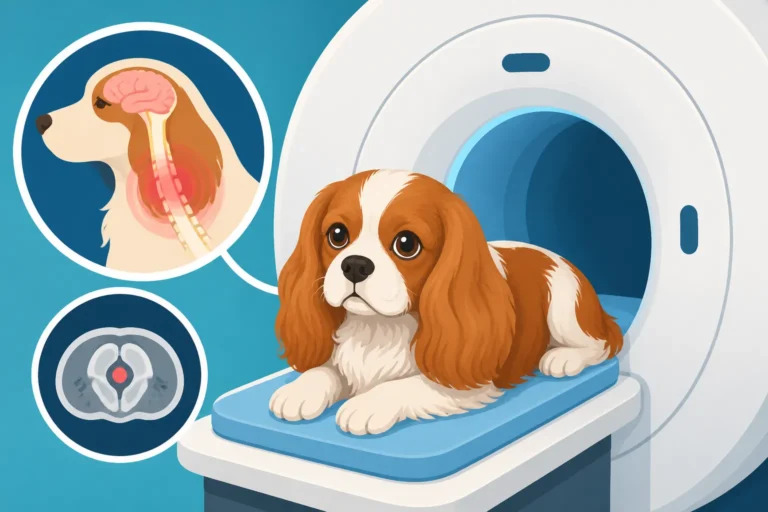
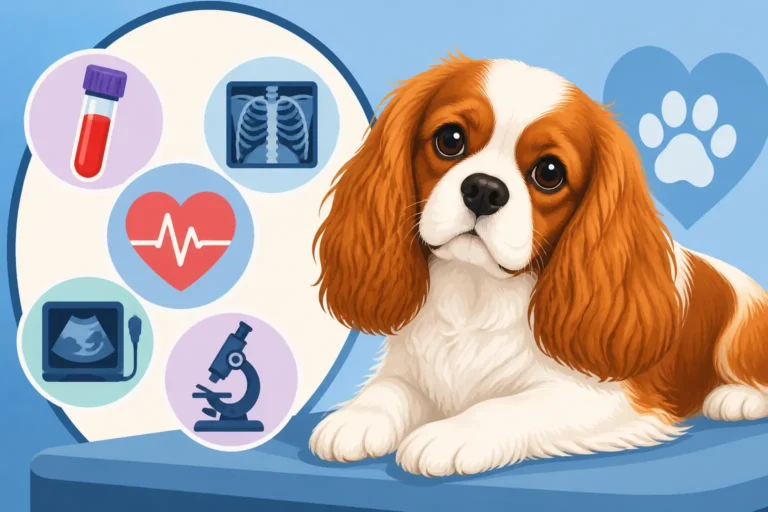
If your general vet suspects Syringomyelia, the next crucial step is a referral to a board-certified veterinary neurologist. This is where the definitive diagnosis for SM typically happens. The gold standard for diagnosing Syringomyelia is a magnetic resonance imaging (MRI) scan of your Cavalier's brain and cervical (neck) spinal cord.
An MRI provides incredibly detailed images of soft tissues, allowing the neurologist to visualize the Chiari-like malformation, assess the severity of the overcrowding at the back of the skull, and most importantly, identify the presence, size, and location of any fluid-filled syrinxes within the spinal cord. This procedure requires your dog to be under general anesthesia, as they must remain perfectly still for the duration of the scan. While an MRI can be a significant financial undertaking, it provides the undeniable answers needed to formulate a treatment plan. You can learn more about this process in our article, Getting a Cavalier Scanned for Syringomyelia.
On the other hand, if chronic ear infections are the problem, your vet might refer you to a veterinary dermatologist. These specialists are experts in skin and ear conditions, and they can help identify underlying causes like allergies or anatomical issues that predispose your Cavalier to recurrent infections. They might perform allergy testing or more advanced diagnostics to get to the root of the problem. For information on the financial implications of such advanced diagnostics, our guide on Paying for a Cavalier Syringomyelia Workup could be very helpful.
Managing and Preventing Ear Issues vs. Syringomyelia Progression
Knowing the difference between an ear infection and Syringomyelia is just the first step. The true benefit comes from understanding how to manage and, where possible, prevent these conditions, allowing your Cavalier to live their happiest, most comfortable life. While Syringomyelia cannot be cured, its progression and symptoms can often be managed effectively, vastly improving your dog's daily comfort. Ear infections, thankfully, are often preventable and highly treatable.
Proactive Ear Care: A Cavalier's Best Defense
For ear infections, prevention and consistent care are your strongest allies. Because Cavaliers have those gorgeous, floppy ears that hang close to their heads, good air circulation is often limited, creating a warm, moist environment perfect for bacteria and yeast.
Regular ear cleaning is paramount. Talk to your vet about a suitable ear cleaning solution – there are many gentle, pH-balanced options available. Aim to clean your Cavalier’s ears every 1-2 weeks, or more frequently if they're prone to issues. When you clean them, gently lift the ear flap, squirt the solution into the ear canal, and massage the base of the ear for 20-30 seconds. Then, use a cotton ball or soft tissue to wipe away any excess solution and debris from the outer ear. Never use cotton swabs deep inside the ear canal, as this can push debris further in and potentially damage the eardrum. It’s also crucial to thoroughly dry your Cavalier's ears after baths or swimming to prevent moisture buildup. If your Cavalier loves to dunk their head in their water bowl, consider a snood to keep their ears dry and clean during meal and water times. Regular veterinary check-ups will include an ear inspection, allowing your vet to spot early signs of trouble before they escalate into a full-blown infection. Consistent care can save your Cavalier a lot of discomfort and you a lot of worry (and vet bills!). Our article on Cavalier Ear Care Under a Heavy Drop Ear offers even more practical advice.
Living with Syringomyelia: Minimizing Discomfort
Living with a Cavalier diagnosed with Syringomyelia is a different journey altogether. While SM isn't curable, the good news is that medical management can significantly reduce pain and improve your dog's quality of life. The primary goal of SM treatment is pain control and reducing fluid pressure around the spinal cord.
Medications often include pain relievers like Gabapentin, which specifically targets neuropathic (nerve) pain, and anti-inflammatory drugs. In some cases, your vet or neurologist might also prescribe medications that help reduce cerebrospinal fluid production or swelling. Beyond medication, making environmental adjustments at home can have a huge impact. Switching from a collar to a harness is often recommended to avoid any pressure on the sensitive neck area. You can find more information in our article, Harnesses Instead of Collars for a Cavalier. Providing ramps or steps for furniture can prevent your Cavalier from jumping, which can exacerbate neck pain. Raising food and water bowls can also help reduce the need to bend their neck downwards. It’s also important to minimize triggers for "phantom scratching," such as sudden temperature changes or over-excitement, where possible. Regular, gentle exercise that doesn't strain the neck is usually encouraged, but always discuss appropriate activity levels with your neurologist. Because this is a lifelong condition, many owners find peace of mind with pet insurance like Healthy Paws, which can help cover the ongoing costs of medication, specialist visits, and repeat diagnostics for conditions like Syringomyelia, provided the policy was in place before the condition was diagnosed. It’s a smart way to budget for potential long-term health needs, as detailed in Insuring a Cavalier Before the Murmur Arrives.
Disclaimer
The information provided in this article is for general informational purposes only and is not a substitute for professional veterinary advice, diagnosis, or treatment. Always seek the advice of your veterinarian or other qualified animal health provider with any questions you may have regarding a medical condition. Never disregard professional veterinary advice or delay in seeking it because of something you have read in this article.